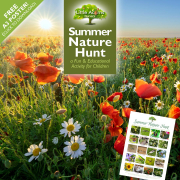
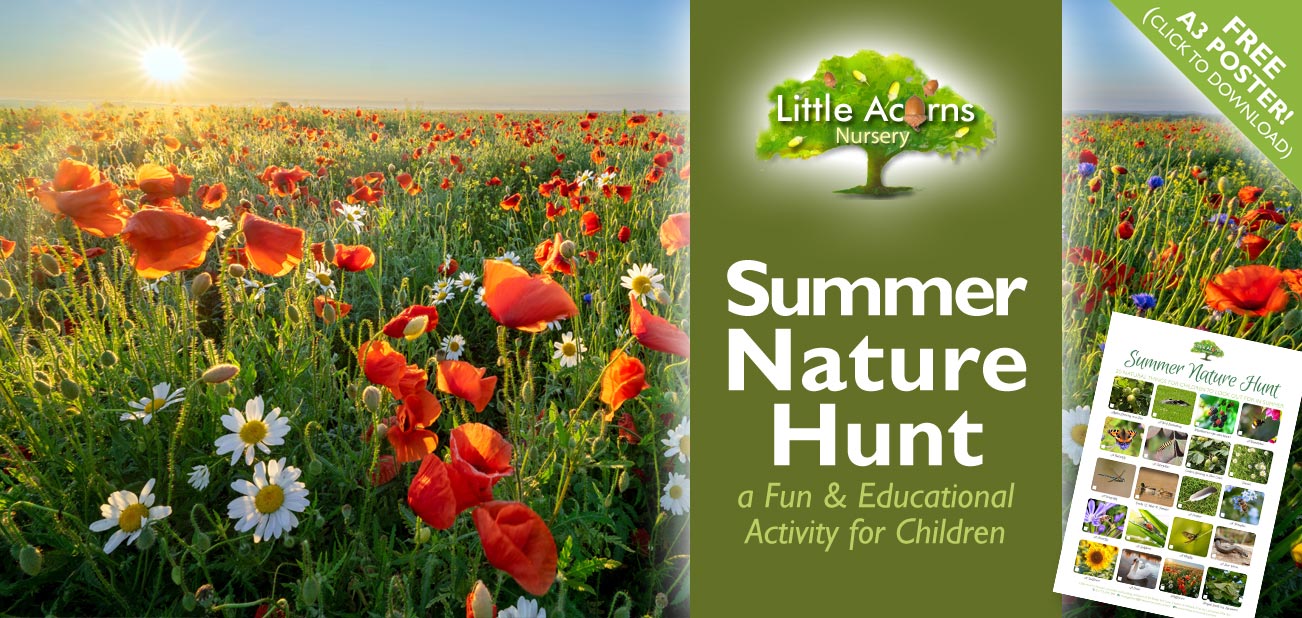
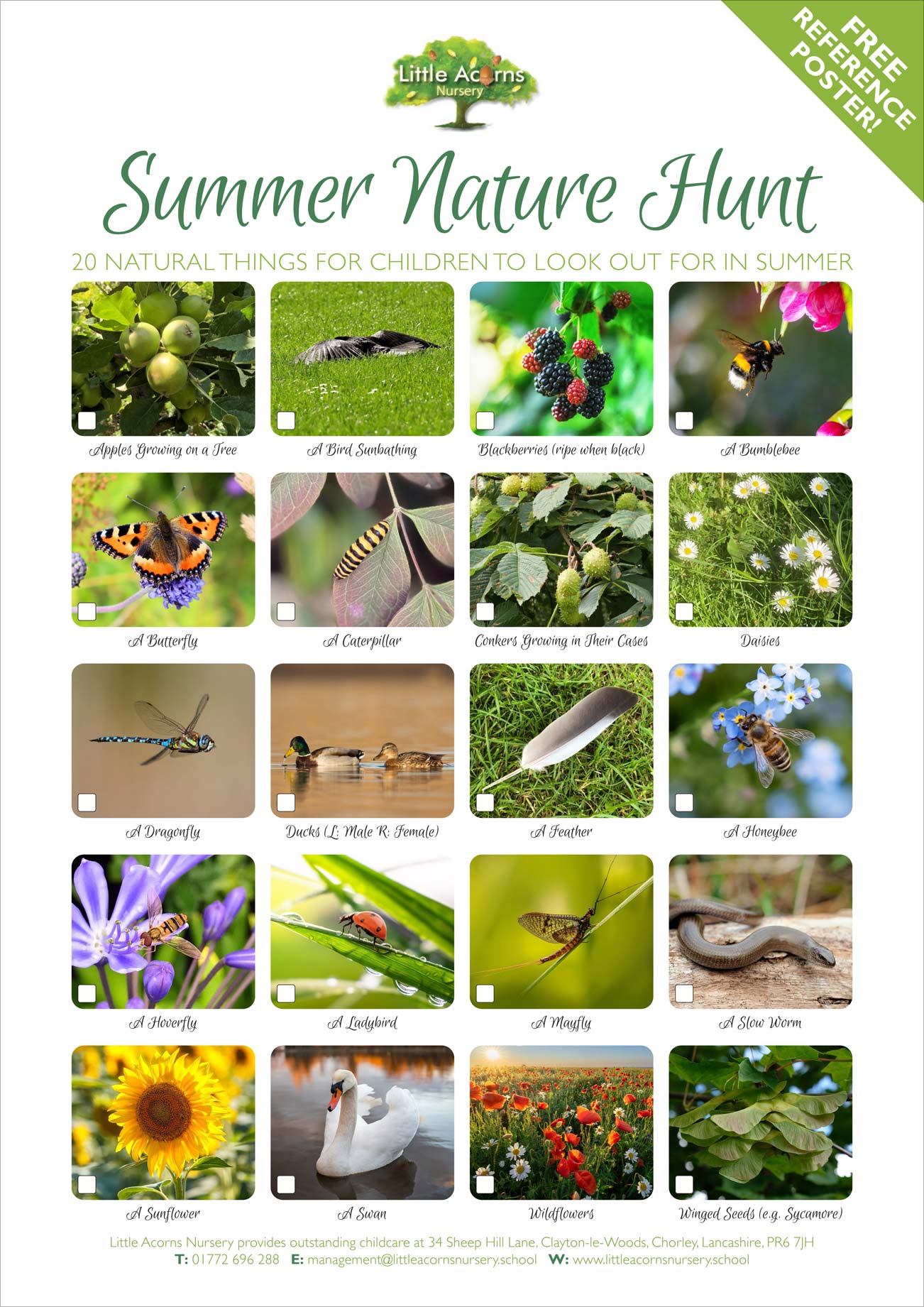
 Summer is a wonderful time for children to get outdoors. There, they can breathe the fresh air, benefit from being closer to the natural world, and escape from electronic screens. Nature is incredibly good for children as well as adults (more about that later). A simple way to encourage little ones outdoors is to take them on an exciting and educational nature hunt! There are many fascinating things to look out for during the summer months including butterflies, caterpillars, bees, beautiful wildflowers and much more. A summer nature hunt will open their eyes and minds to the wonders of nature’s flora and fauna, lead to educational conversations with accompanying adults, and be an enjoyable and educational activity. Within all that in mind, we’ve put together a free Summer Nature Hunt poster that will give children and families an idea of what to look out for during the warmer months of summer — and serve as useful visual reference. The poster is free to download right here in this blog post (see below). Once printed out, it can be displayed large on children’s bedroom walls or taken along during the activity — perhaps reduced to a convenient size like A5. Children can use the little tick boxes to tick off each item that’s been spotted. So, venture out little ones — see how many wonderful things you can spot in the natural world this summer!
Venture out little ones — see how many wonderful things you can spot in the natural world this summer!
What Children Should Look Out For
 Many of the adorable creatures featured in the poster will be easy to spot at this time of year. Bees, hoverflies, and other pollinators are common to see where flowers are blooming. Butterflies are both stunningly beautiful and at their most abundant during July and August each year, so are sure to delight children with their fabulous colours and patterns. Delightful ladybirds are also rather abundant right now (time of writing: mid-July). Wildflowers like poppies and daisies always make the world a more beautiful place, so they’re a wonderful thing for children to discover too.
There are a few other things featured on our free poster that children may find a little more challenging to spot. However, once finally seen, they will be the cause of much excitement and interest! For example, has your child ever seen a bird sunbathing? It’s quite a sight to see them lying still in a sunny patch, with wings outstretched, feathers ruffled and often with beaks open to keep cool — they can look quite comical!
 Has your little one ever seen apples growing on a tree? All that blossom from earlier in the year has now given way to little green apples that will grow and ripen as we head further into the year — eventually becoming ready to fall or be eaten come autumn. It’s a great example to show under-fives where some food comes from and explain why pollinators are so important.
Dragonflies are also quite a sight to behold closer to water sources like ponds. There, of course, supervising adults will need to stay closer and keep an even more watchful eye on children in order to keep them safe.
Has your child ever noticed that some kinds of seeds have wings? We’ve featured some winged seeds as the last item on our poster. Try finding a sycamore tree, a maple, or even a mature acer to find examples of winged seeds. If picked and launched into the air, children will be able to witness how a winged seed spins like a helicopter and floats gently away on the breeze. It’s a great lesson to demonstrate one of the ways in which nature spreads seeds far and wide, ready to grow into new plants and trees. Winged seeds are a great example of the wonder and inventiveness of nature.
 We must also mention slow worms. Now we will be honest here: they’re quite a challenge to spot as they’re very shy and incredibly silent. They may hide in long grass, under grass cuttings, in the undergrowth, and in compost heaps. They are likely to come out only to warm themselves in the sunshine. That’s because they are essentially cold-blooded and legless lizards rather than any kind of snake. Children will have to be very lucky, patient, stealthy, or have deliberately made a wildlife-friendly garden if they’re going to spot a slow worm. However, their relative rarity is one of the many things that will make finally spotting one all the more exciting for children! One last note about slow worms: children must not try to pick them up by their tails (they are more delicate than they look and tails can therefore easily break, which would be very painful for the slow worm). It’s really best not to try to pick them up at all, but if children do, slow worms should be completely supported underneath, for example in cupped hands, rather than being suspended in any way. Release them back into the undergrowth so they’re not exposed to predators like rodents and birds. And, of course, children should wash their hands thoroughly with soap and water afterwards.
Download Your Child’s Free Summer Nature Hunt Poster
Click the preview image below to save or view the reference poster in Acrobat PDF format. It’s less than just 2MB in size. For best printing results, choose your printer’s highest-quality settings and paper.
Spending Time Around Nature is Hugely Beneficial to Children
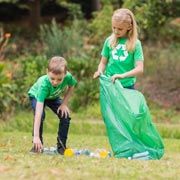 As we said in the introduction, spending time in and around nature is incredibly beneficial to children of all ages. Studies have proven a myriad of benefits, in fact. Just a few examples include a lowering of stress and anxiety, improved motor skills, greater knowledge of the world (and children’s place within it), improved empathy for other living things, a feeling of greater responsibility for nature’s flora and fauna, a development of often lifelong greener values and choices, and even improved academic grades! These are just a few examples — the benefits of spending time closer to nature are incredible. Learn more about nature’s importance to children here.
Other Free Nature Activity Posters for Children
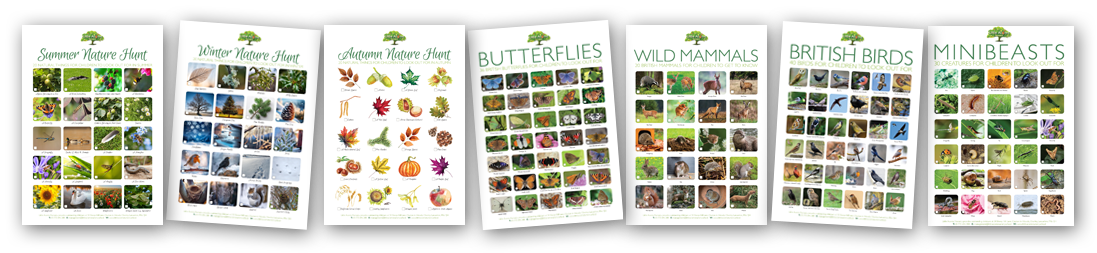
Today’s Summer Nature Hunt poster is just one of a whole series of nature-based activity posters available free for children and families. Others in the series include a Winter Nature Hunt and an Autumn Nature Hunt, plus others that will help children get to know British Butterflies, Birds, Mammals, and Minibeasts.
Little Acorns Nursery: Quality Childcare in Clayton-le-Woods, Chorley
The best start in life for babies & children under five in Central Lancashire
 If you’d like your baby or child under five to have the very best start in life, consider Little Acorns Nursery in Clayton-le-Woods for your weekday childcare. We’re recognised by Ofsted as a good provider and also support free childcare funding for eligible children as young as just 9 months. With a warm and welcoming home-from-home environment, great facilities, and exciting outdoor gardens where children can get closer to nature, Little Acorns will bring out the best in every child and allow them to absolutely thrive in readiness for when they begin school.
Contact Little Acorns Nursery today to begin your child’s exciting nursery adventure:
Located in Clayton-le-Woods, Chorley, the nursery and preschool may also be a convenient choice for those living nearby in Clayton Brook, Clayton Green, Thorpe Green, Pippin Street, Buckshaw Village, Whittle-le-Woods, Farington, Bamber Bridge, Lostock Hall, Euxton, Leyland and Penwortham.
Safety Notice
It’s essential to accompany and supervise young children whenever they play or explore outdoors. Stranger danger, water sources like ponds and lakes, getting lost, traffic, poisonous plants, and toxic berries and fungi are all examples of high-risk hazards that adults will need to assess and mitigate if they’re to keep little ones safe from possible harm. Children need to be dressed appropriately too and use sunscreen to protect themselves from harmful sun rays when it’s sunny. These safety points are also great teaching opportunities, of course, because children will need to learn to recognise such dangers more and more as they get older and become more independent.
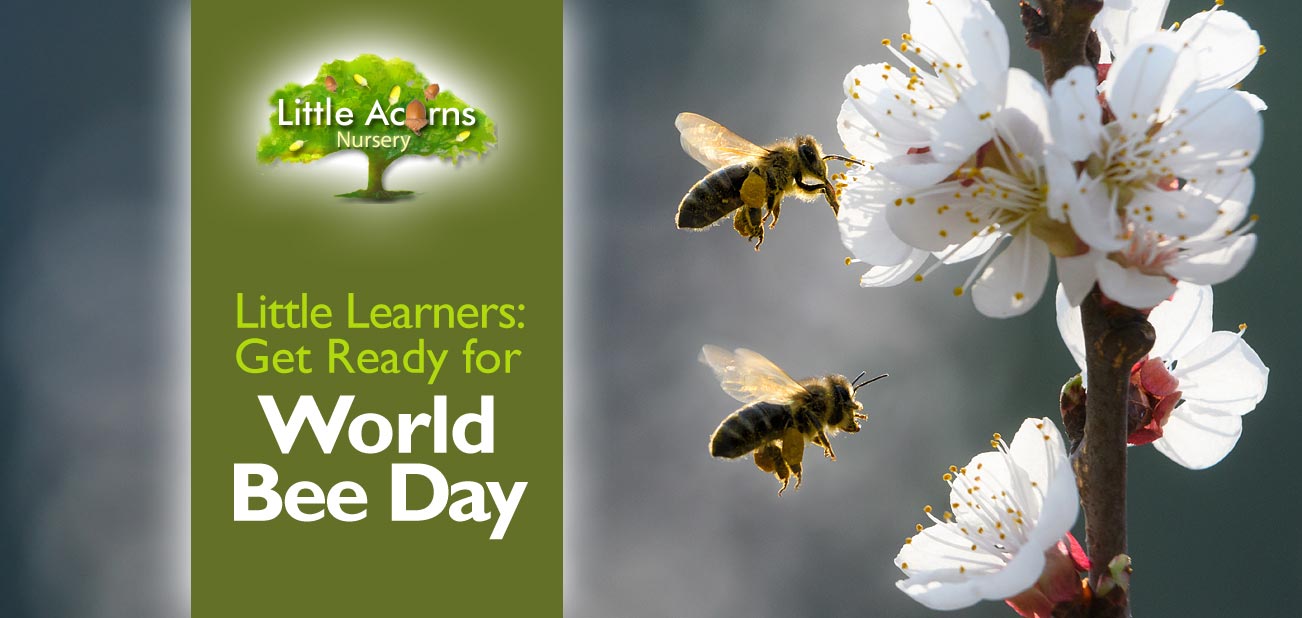
 Little learners, get ready – it’s almost time to buzz into action for World Bee Day! The annual event arrives in May and it’s a brilliant opportunity for children and families to get involved in something meaningful, fun, and full of learning opportunities.
 World Bee Day is celebrated every year on 20th May to raise awareness of the vital role that bees and other pollinators play in our world. From helping plants grow and supporting the food we eat every day, bees are some of nature’s hardest workers – and they need our help to survive and thrive.
 “Bee inspired by nature to nourish us all”
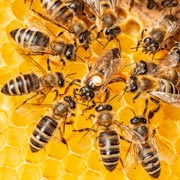 Getting involved in World Bee Day isn’t just fun — it also supports many areas of the Early Years Foundation Stage (EYFS), helping children learn and grow in meaningful, hands-on ways. Here are just a few ways bee-related activities can support early development:
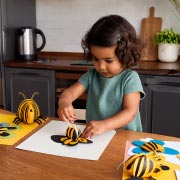 Expressive Arts and Design: Making bee crafts, drawing flowers, role-playing as working bees, or moving like insects in a dance — all help develop creativity and imagination.
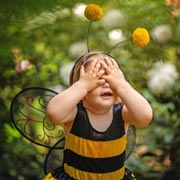 There are so many fun and simple ways for little learners to join in with World Bee Day! Here are a few activities that are perfect for children under five — each one encourages creativity, curiosity, and care for nature while also supporting the EYFS.
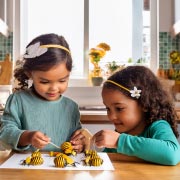 Using paper plates, cardboard tubes, egg cartons or recycled materials, children can create their own bees! Add wings, stripes, googly eyes and antennae for a hands-on creative session. These are wonderfully creative activities that will boost several areas of the EYFS including Expressive Arts & Design and Physical Development.
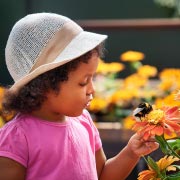
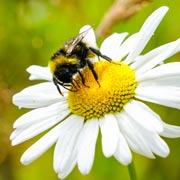
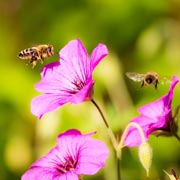 Explore the garden or outdoor space and, without disturbing them, see what pollinators your child can spot. Can they see any bees? What colours and flowers do they seem to like best? Are they collecting nectar? What type of bees are they? Bumblebees are super cute. Honey bees are super-hard workers and do so much for the world. A bee-spotting activity is a great opportunity to explore areas of the EYFS that include Understanding the World and Communication & Language.



 Children and childcare staff at Little Acorns Nursery love nature. So, with World Wildlife Day coming earlier this month and Spring now upon us, it’s the perfect opportunity to release our free Wild Mammals poster. Shown in full colour and printable in high resolution at A3 or A4, it features 20 British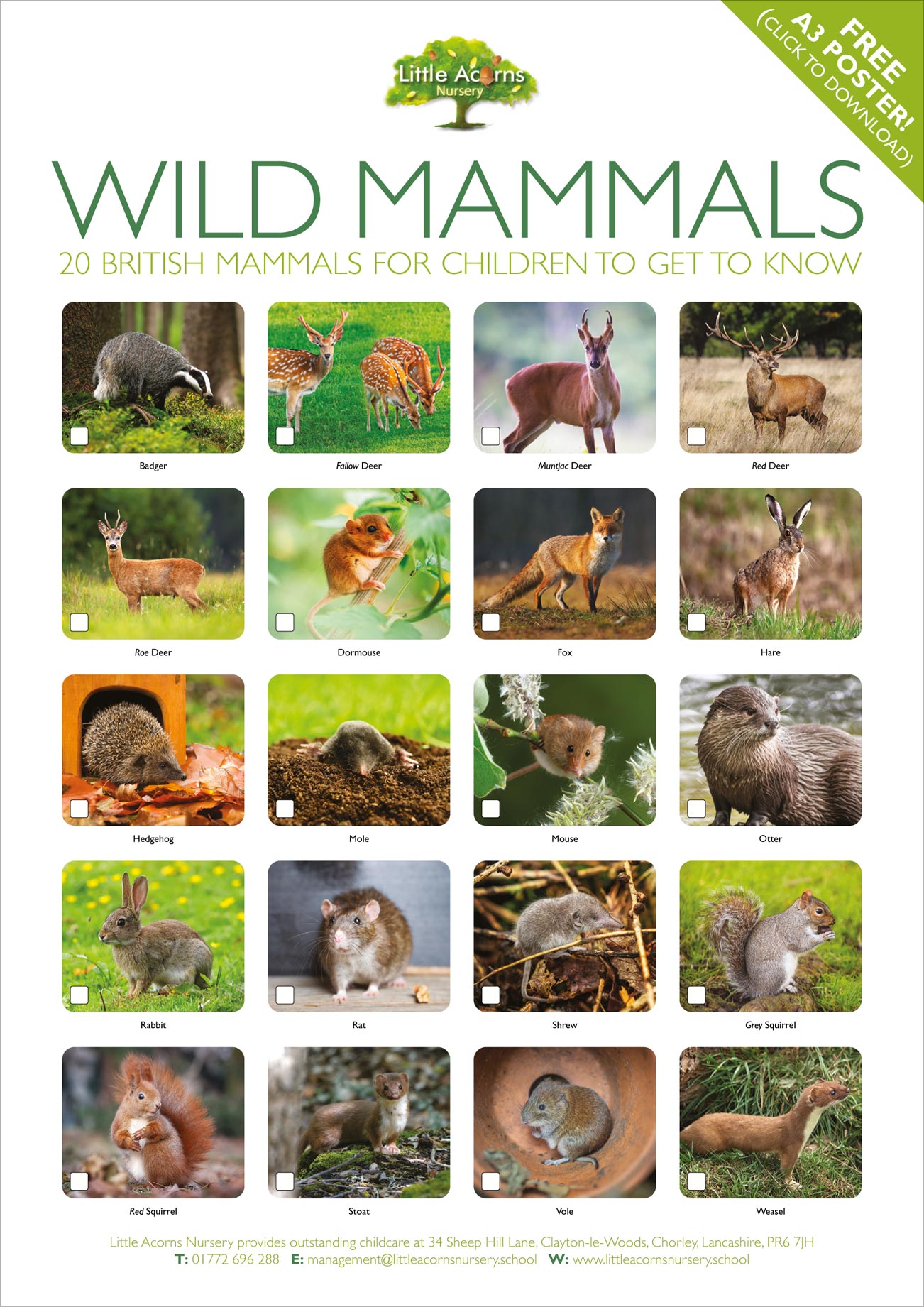

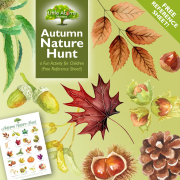
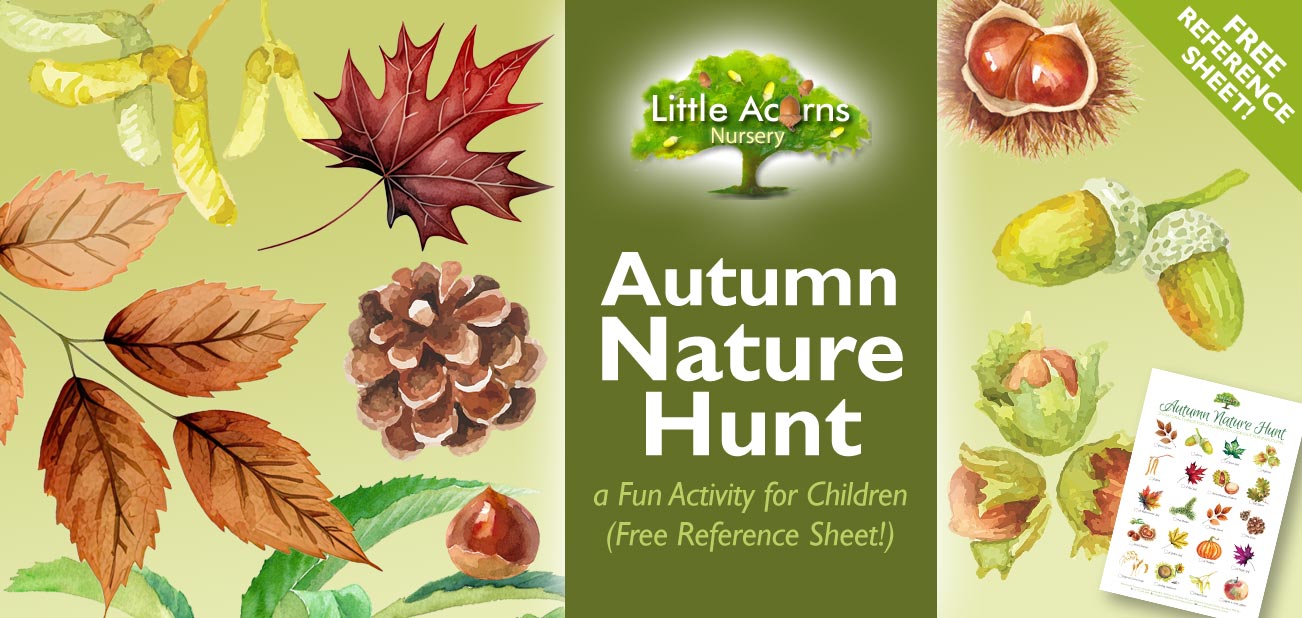
 By mid-November, autumn is in full swing and leaves are turning a myriad of different colours. Scenes of green, yellow, red and golden trees can be breathtakingly beautiful and the air is often crystal clear at this time of year — that’s great for photos! The autumn season also brings with it a treasure trove of fascinating natural things that children can discover if they take the time to look. Indeed, an autumn nature hunt is the perfect excuse for little ones to spend some time outdoors, where they will also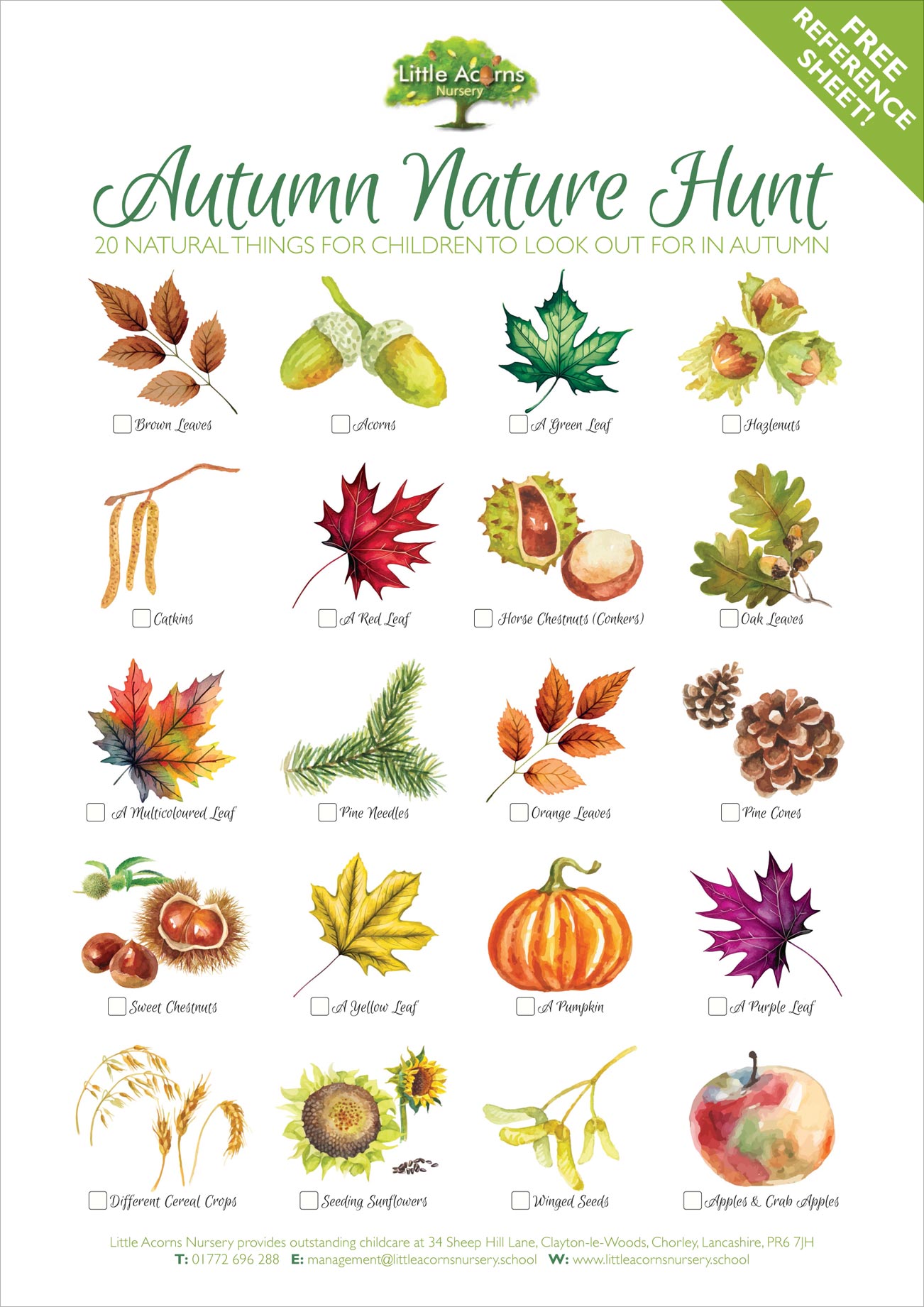
 Ensure children, particularly the very young, receive appropriate adult supervision at all times. Although fascinating and fun, the outdoors holds many hazards for the unwary. Therefore, children will need to be closely monitored by a responsible adult in order to safeguard their well-being.

 While listening to music has a unique way of resonating with the human spirit, actually creating it on a musical instrument elevates that connection to entirely new levels. What’s more, learning to play an instrument leads to a whole host of multifaceted benefits. Whether tinkling piano keys, strumming guitar strings, or playing a wind instrument, children who learn to play a musical instrument will soon discover a whole world of opportunities and advantages that extend far beyond the realm of melody and harmony. With that in mind, today’s article explores the myriad of sometimes surprising benefits that learning to play music will bring to children, even at a very young age. Take a look below and discover how musicianship could benefit your child, extend their skills and potentially enrich their life profoundly.
 The influence of music on brain development is nothing short of remarkable. Learning to play an instrument engages various parts of the brain simultaneously and is like a 360-degree workout for the mind! As such, its cognitive benefits are profound. Children who take up musical instruments therefore tend to excel in memory, problem-solving, and mathematical skills. Indeed, studies have shown that musical training can lead to improved academic performance, enhancing children’s abilities, particularly in subjects like mathematics and science. So, when your child learns to play a violin, piano, guitar or even a simple recorder, they’re not just making music; they’re also fine-tuning their cognitive abilities.
 Learning an instrument represents a real journey of creativity and imagination. Children explore melodies, experiment with harmonies, and may often progress to compose their own tunes. This creative process nurtures their imagination and encourages them to think in new and alternative ways. Making music really is a powerful tool for unlocking children’s artistic potential.
 Music is often a collaborative endeavour and that, in itself, will bring additional benefits to children. As well as simply being enjoyable, group music lessons and ensemble playing will teach children valuable social and teamwork skills. Through music-making, they will learn to listen, cooperate, and communicate effectively with others at appropriate times — and even to make more friends. Such skills go well beyond the world of music and are fundamental in importance and positive impact.
 For infants and toddlers, musical exploration can start with simple activities like singing lullabies, clapping to a rhythm, or playing with simple musical or percussive toys. These activities introduce them to the world of sound and rhythm in a playful and engaging way.
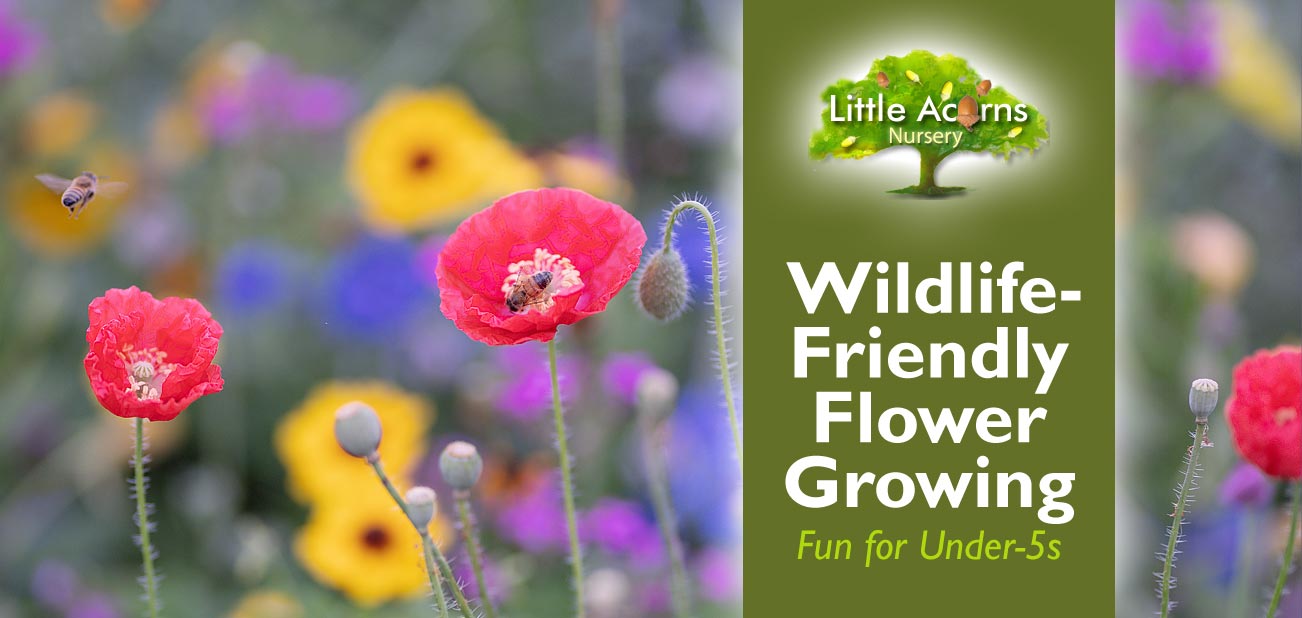
 Today’s flower-growing children’s activity follows on nicely from last month’s
 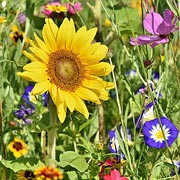 It’s possible to sow wildflower seeds from March right through to mid-October or, at a push, early November so long as snow or frost is not forecast. Those sown closer to March and April will generally flower in late spring/early summer. Those sown very late in the year will flower the following year, from spring onwards. Any sown up to and including the middle period, for example during July, should still flower in the same year — wildflowers usually bloom some 60 to 80 or so days later if they’re timed to grow in the same year as they’re sown.
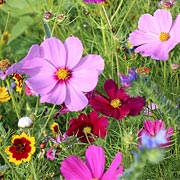 There are several ways for children and families to source wildflower seeds. The most obvious way is to buy them commercially, in seed packets. These are available from any number of different outlets including nurseries, supermarkets,
 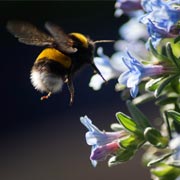 If you buy your child commercially-available wildflower seeds, the information on the packet will often say if the resulting flowers are bee-friendly, butterfly-friendly, good for pollinators, and so on. So, if you’re sourcing seeds that way, much of the decision-making criteria around which actual flowers to grow is made clear and therefore the choice is easy.
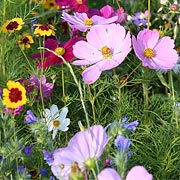 By their very nature, wildflowers are generally not very picky in regard to the type of soil they are happy to grow in. Therefore you/your child will have a greater choice of where to sow the wildflower seeds. A fairly clear sunny area is good, whether that’s garden beds, flower pots, window boxes, grow bags on a balcony, or even the lawn itself if you want a wild ‘meadow’ type lawn. Whatever the choice, it’s best if it’s somewhere that won’t be disturbed by you/the family though, as you wouldn’t want the wildflowers trampled once they do arrive.
 With regard to sowing the seeds, follow any seed-specific instructions on packets in relation to timing and spacing. If you’re using self-harvested seeds or there are no instructions, simply sprinkle the seeds so they’re spaced, fairly evenly, i.e. not too densely sown. This will avoid the wildflower plants having to compete with one another once they start growing. A tip is to sprinkle from a height as this will naturally scatter them more widely. Once scattered, your child can help* to pat the soil surface down, either by hand or using the back of a tool like a spade or a trowel, so that the seeds are secured in the soil. Children can even ‘walk’ them in if they prefer. Once complete, ensure that you/your child keep the soil damp over the coming weeks. The preparation stage really is as simple as that!
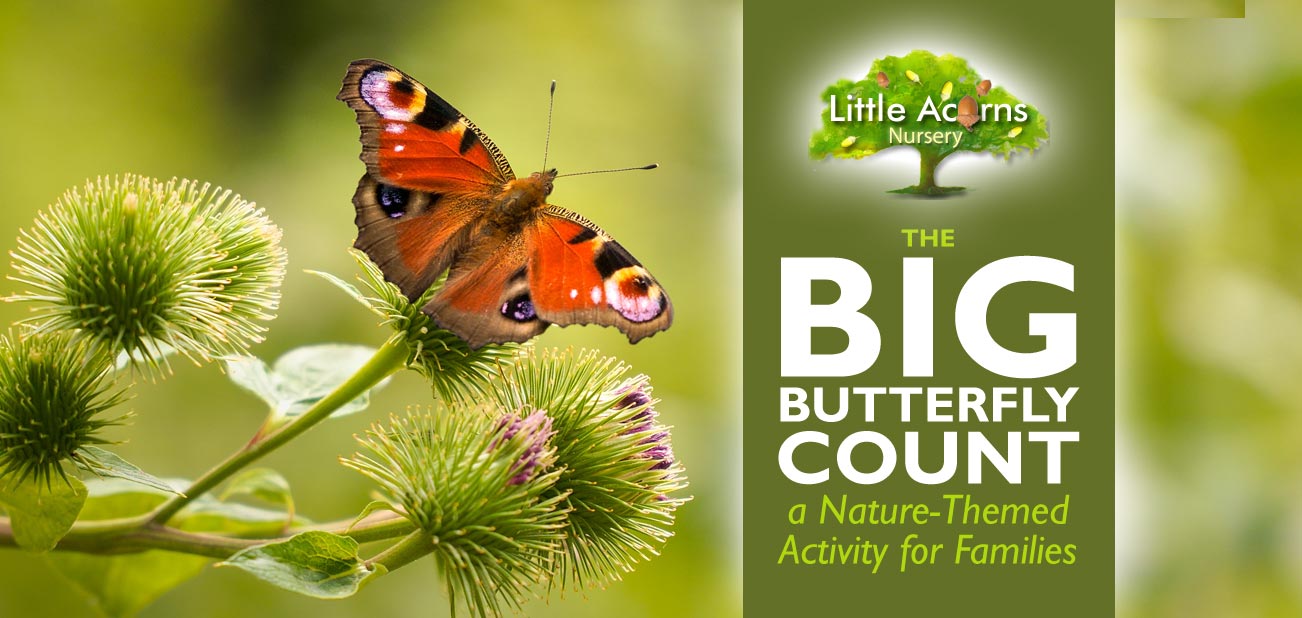
 Many will have heard of the Big Garden Birdwatch that takes place every year in January. However, fewer are aware of a similar activity called The Big Butterfly Count that takes place in July and early August. As well as being extremely worthwhile, it’s a wonderful activity for both children and adults to get involved in as citizen scientists. The activity helps with butterfly conservation, is educational for those taking part, and encourages families to get outdoors, closer to nature. And, as we know,
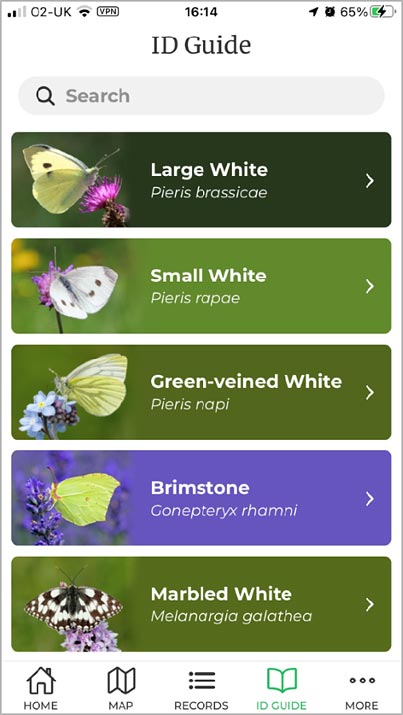


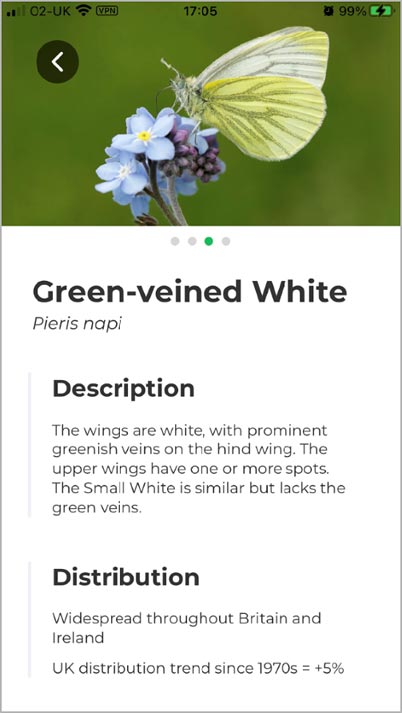
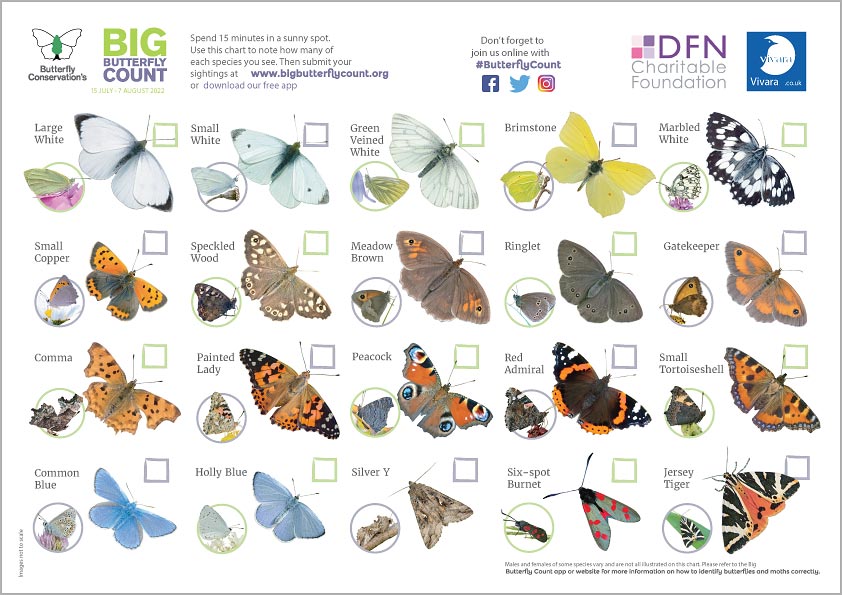
 As promised in our recent
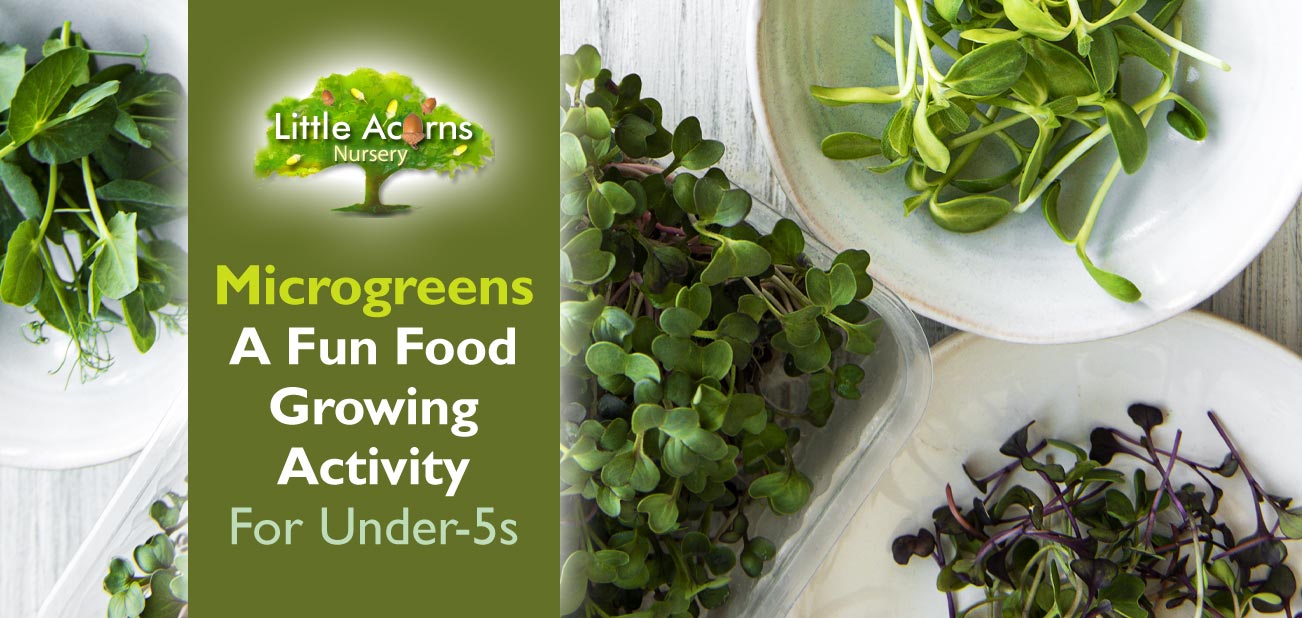
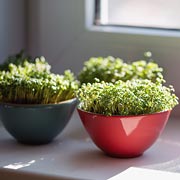
  Microgreens, also known as micro leaves, are the young shoots of growing plants that are edible. Examples include the seedlings of herbs like basil and coriander, red cabbage micro leaves and the shoots from root vegetables like beetroot. When growing, the seedlings form a thick and rich ‘carpet’ of shoots that, when ready, can be snipped off en masse and used in meals as salads or garnishes. What’s more, they’re delicious, highly nutritious and make meals look amazing. The entire activity can also be accomplished indoors in any home. You do not need to have a garden because a well-lit windowsill or counter top will more than suffice.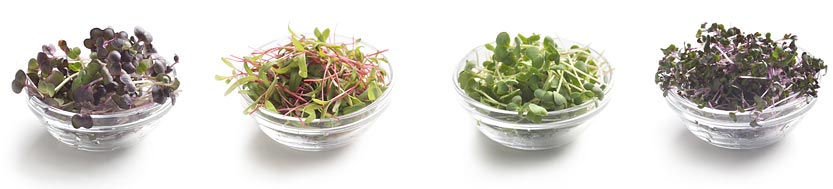
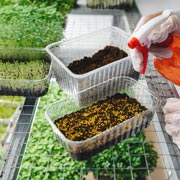 Microgreen seeds. These are available inexpensively online or at places like garden centres and even some supermarkets. You can buy microgreen mixed seeds or choose seeds for rocket, beetroot, spinach, red cabbage, fennel, broccoli, radish or mustard. Each has a distinctive look, when growing, and flavour, when eaten. Read the packets for more detail or just have fun and experiment!
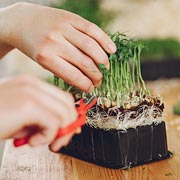 Different microgreen seeds grow at different rates but usually a dense carpet of growing shoots and tiny leaves will cover the trays or pots within one or two weeks. Generally speaking, when you can see small, immature leaves at the top of shoots about 1 to 1¼ inches tall, they are about ready to be harvested. For young children in particular, snipping them off is best done by parents, to avoid injury. The carpet of microgreens can be snipped off, using scissors, low down near where the shoots begin. It’s best to snip them off rather than to pull them up by the roots because then they have the chance to regrow and give you/your child a second crop later on. The microgreens can then be washed in a fine colander, under a cold tap, to remove any remnants of soil.
 Your child can then continue the fun by helping with meal preparation (with adult supervision for safety). Microgreens make wonderful garnishes, are lovely in salads and sandwiches and can also be added to things like soup, risotto, pasta, baked potatoes and burgers. They are incredibly attractive to look at, jazzing up any meal and also giving children extra nutrients to consume. They are also a great way to encourage children to try new tastes and food textures.