
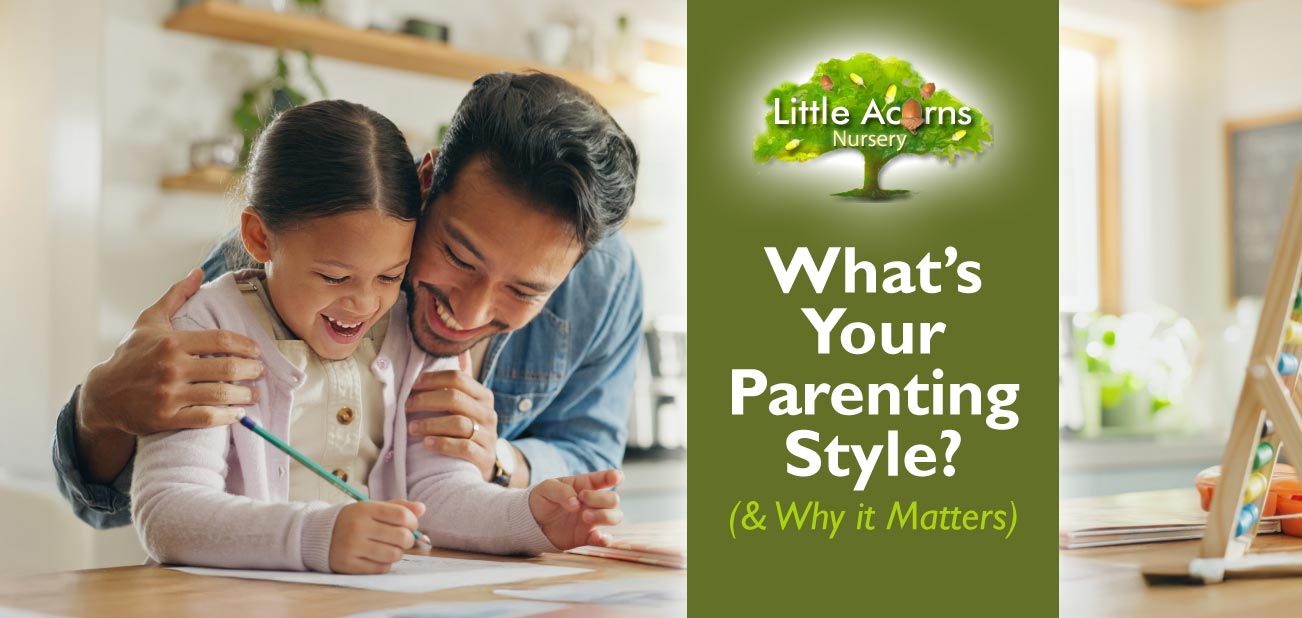
We each come to parenting from different circumstances, with experiences, personalities, beliefs, and traits that are unique to us. It’s no surprise, therefore, that the way we bring up our own children can be very different to those of other parents. Indeed, our own idiosyncratic upbringings may influence what we believe to be a good approach to parenting — or a bad one. Some parents, for example, may mimic how their own parents brought them up. Others may head in the opposite direction for one reason or another. Now they have become a parent too, should they be permissive, gentle, strict, or even authoritarian in their own parenting style? Is somewhere in the middle a good balance? What’s best for children generally, and their child specifically? There are so many questions to ask oneself as a new parent — it’s quite a minefield! With all that in mind, we explore some of the most important parenting styles today, and find out what the experts have to say about them.
So Many Parenting Names & Styles!
 There is an incredible array of names for parenting styles. You may have heard, for example, of names like helicopter parenting, velcro parenting, indulgent parenting, parent-led parenting, and mindful parenting, along with a myriad of other descriptions. Some styles are quite distinct, others are subtle variations of each other, and several have more than one name. No wonder it’s confusing!
In light of all of this, we’re going to concentrate on just a few key parenting styles today. These are styles that have been around long enough to have undergone a reasonable amount of study by experts. So, for our chosen key styles, we can share some useful findings, valuable feedback, and perhaps provide a little guidance for new and expectant parents. If you’re one, see what you think — and where, perhaps, you’d like your own parenting style to fit in.
Key Elements of Parenting Styles
Before we launch into specific styles, bear in mind that all parenting styles can usually be broken down into the ways in which they mix several key elements. These include:
- the amount of emotional warmth and empathy provided by parents for the child;
- the amount children’s input and feedback is taken on board by parents;
- how strictly rules, structure, boundaries, and discipline are applied by parents;
- the amount of help, guidance, leadership, and even role-modelling provided by the parent.
Some, for example, may show high warmth, relaxed rules, two-way feedback, and lots of guidance towards the child. Others may provide the complete opposite — or indeed somewhere in between. Crucially, outcomes for children can be quite different, depending on the exact mix.
It’s also important to mention that parents may not stick to just one parenting style all the time, as there will be circumstances where, for one reason or another, they may need to switch styles. Every child and every parent is different, too. For such reasons, it’s simply not possible to say, with any certainty, that one style will fit every family perfectly — indeed, a mix is often needed as circumstances change.
Authoritative Parenting
The So-Called ‘Gold Standard’ of Parenting Styles
 Let’s start with a style that’s often referred to as the ‘gold standard’ of parenting styles — authoritative parenting. For many years, experts have suggested that this particular parenting style has possibly the best overall balance in its approach. However, it’s important not to confuse authoritative parenting, which is fairly gentle, with authoritarian parenting, a far more strict style. Authoritative parenting is thought by experts to have a well-balanced mix of elements in its approach, resulting in good outcomes for children raised under its style. The style typically has the following elements in its make-up:
- Parents are very warm towards children, showing a huge amount of empathy, love, understanding, and compassion towards them. Parents are attuned to children’s feelings, needs, and abilities.
- Two-way feedback is encouraged, with children’s perspectives and points of view being acknowledged during interactions and activity planning. They will therefore feel listened to and heard.
- When it comes to rules, authoritative parents give children clear, age-appropriate structure, defined boundaries, and clarity, using a cooperative approach, without threat of punishment. Instead, rules are gently applied through positive reinforcement (praise and rewards) and an approach that has clear reasoning and is fair, empathetic, and measured. Children will thereby know what is expected of them and why.
- ‘Authoritative’ parents are good role models, teaching by doing, demonstrating, or explaining clearly, so that children can learn how to mirror their behaviour and logical approach to things.
- Children’s achievements, however large or small, are celebrated.
Outcomes from Authoritative Parenting
Professional studies suggest very favourable outcomes from well-implemented authoritative parenting. Children raised using this parenting style tend to do well academically and show high levels of self-motivation. They are naturally curious, eager to learn and discover, and are often very creative. They tend to take the initiative and are self-reliant, independent children with appropriate boundaries and self-control. They are sociable, with healthy bonds with friends and family, and show respect to others. Statistically, they also tend to be happier and have better mental health than children raised using many of the other parenting styles. Interestingly, they are also less likely to misuse drugs and alcohol when they’re older. What’s not to like about authoritative parenting!
The Gentle Parenting Style
 Gentle parenting is a style that’s been very prominent on social media in recent years. Many may not realise, however, that it’s simply a soft variant of Authoritative parenting. That said, though, it still retains clear rules and boundaries for the child to follow. It’s crucially important, however, not to confuse gentle parenting with permissive parenting (also known as indulgent parenting), which, as the name suggests, has far fewer boundaries — very few in fact. Not so, though, with gentle parenting if approached correctly.
Being a soft variant of authoritative parenting means that the same kind of elements make up the gentle parenting style. These include a very high level of empathy and warmth towards the child, close bonds, a collaborative approach to rules and boundaries, avoidance of the threat of punishments in favour of rewarding/praising good behaviour, and acknowledgement of the child’s feelings, opinions, and perspective.
Outcomes from Gentle Parenting
Being a close variant of authoritative parenting also means that outcomes for children are likely to be very similar, i.e. extremely positive. However, we should add that, for gentle parenting specifically, there are not the years and years of study that authoritative parenting has enjoyed as a whole. We can take educated guesses to conclude that, if well implemented, gentle parenting has very similar benefits to authoritative parenting. Those are wide-ranging and comprehensive, as you can see in the section above. However, if gentle parenting is badly implemented, there’s a danger that it could stray into territory more akin to permissive parenting, which does not have such good outcomes. We’ll come to that parenting style next.
The Permissive Parenting Style
 Permissive (a.k.a. Indulgent) parenting is a style that prioritises a child’s happiness over virtually everything else. As such, it’s a warm, empathetic, and loving parenting style. However, rules, structure, and discipline are extremely thin on the ground. Parents and children prioritise fun and their close relationship. When under-fives go through emotional periods in their development, it’s true that this permissiveness can counteract some of their emotional turmoil, but it does come at a cost.
Outcomes from Permissive Parenting
Children raised using a permissive parenting style have few boundaries and rules to follow, so are free to do pretty much whatever they want. That can often make for immense fun and a level of freedom that they will often enjoy. They will feel well-supported emotionally, be able to express themselves freely, be resourceful, and often have good self-esteem.
However, such an upbringing, with a lack of discipline, structure, and boundaries, can lead to several negative outcomes. These may include feelings of entitlement as well as behaviour that falls short of what’s usually expected by others around them. They may also lack self-discipline, accountability for their actions, and respect for the feelings of others. The lack of parental control and oversight can also, of course, lead to danger for the child. It may also mean children do not develop good eating and hygiene habits, which could cause health problems further down the line.
The Authoritarian Parenting Style
 Authoritarian parenting (not to be confused with Authoritative parenting explained earlier) is the harshest of today’s parenting styles. As the name suggests, parents who use this parenting approach tend to be rather like dictators, whose rules must be followed … or else! With this parenting style, children must do what they’re told, often without understanding why, and the parent dominates them. There is no warmth or empathy for the child with this style. What the parent says goes. High standards are usually demanded, with stern discipline and punishments if children do not comply or achieve such standards. There is also no debate, so children’s views are not listened to or taken into account.
Outcomes from Authoritarian Parenting
Although authoritarian parenting is a hard style, as such it can mean that rules and boundaries are quickly understood. However, they may be understood simply because of the fear of the repercussions and punishment should they get things wrong. Blind obedience is expected. So, children learn, but through fear. They may learn the rules, but they often do not understand the reasons for the rules — because they’re never explained. They may struggle at school. Children may even need to develop deceitful tactics in order to avoid conflict following misdemeanours.
Research suggests that children raised using the authoritarian approach can develop mental health problems like depression and anxiety. They may also be more prone, through frustration and resentment at not being heard, to anger outbursts. It may not surprise you to learn that, sadly, they often also have low levels of self-esteem and confidence.
Uninvolved Parenting
 Also known as neglectful parenting, uninvolved parenting “does what it says on the tin” i.e. children are very much left to their own devices with this style. They receive no love, affection, or empathy from parents. There are no rules or structure to their daily lives. They receive no guidance, and parents are certainly not role models. Children just have do make to as best they can, unsupported by parents. There may be different reasons for this, of course (not all ‘neglectful’ parents are uninvolved by choice — for example, they may be physically or mentally unwell or be working three jobs just to survive).
Outcomes from Uninvolved Parenting
Overall, studies found that uninvolved parenting has amongst the very worst outcomes for children. It may be true that children brought up via an uninvolved/neglectful parenting style may, by necessity, grow up resourceful, good at problem-solving, and capable of great independence. However, because of the neglect during their childhoods, they are also likely to suffer from a variety of negative outcomes. These include attachment issues, a disconnect and lack of bonds with parents, emotional insecurity with others, low self-esteem, and behavioural issues. Given that parental input in children’s education is also incredibly beneficial to children, a lack of it is clearly going to be detrimental to their academic performance, which is likely to adversely affect their career potential too.
Final Thoughts
There are many other names for parenting styles, but we have covered the most important and well-studied ones above. It’s clear that some have significantly better outcomes for children than others, so we hope today’s guide helps to shed some light on the key options. Clearly, there are some styles to avoid, and some that seem to have very positive outcomes. And, as we said before, it’s likely that parents may need to juggle more than one style, from time to time, as circumstances — and perhaps danger and stress levels — demand. Parenting is hard, and every child and family situation is unique. Whichever parenting style(s) you use, we wish you well on your parenting journey.
High-Quality Childcare in Clayton-le-Woods
Little Acorns Nursery, Clayton-le-Woods, Chorley
 We hope you found today’s post interesting and useful. Please feel free to bookmark and share it if so. We’re Little Acorns Nursery in Clayton-le-Woods, near Chorley. We’re officially a ‘Good’ childcare provider, so you know your child will be in safe hands, and we offer support for funded childcare hours for eligible working families. We also have our own, newly reopened Forest School, which both children and parents love!
Get in touch today to explore a possible place for your child at Little Acorns Nursery:
Little Acorns Nursery represents a high-quality and convenient childcare choice for families in Clayton-le-Woods, Clayton Brook, Clayton Green, Chorley, Penwortham, Leyland, Bamber Bridge, Lostock Hall, Thorpe Green, Pippin Street, Buckshaw Village, Whittle-le-Woods, Farington, Euxton, and many other locations nearby.


 Whether you’re planning a family, are already pregnant, or have recently given birth, it’s beneficial to obtain as much knowledge and information as you can so that you are fully prepared. So, when we spotted a comprehensive antenatal course that allows free* access to UK families, we naturally wanted to share the opportunity with parents, expectant parents, and our readers. With that in mind, today’s post introduces you to a Complete Antenatal Course. It’s a free, 8-hour online course, led by midwives, that you can access today. We have already investigated it for you and thought it was fabulous! Read on to learn more about the course contents, highlights, and easy access details to get started — all at zero cost!
 Yes — the Complete Antenatal Course is currently free (correct at the time of writing, mid-February 2026). That assumes, of course, that you don’t choose to upgrade to premium options or sign up to other courses etc. We found it quick and easy to sign up without such add-ons — achieving virtually instant access to the course, without cost. That said, some families may consider paid upgrades if they so wish, for example, if they would like access to speak with midwives during the course, or get involved in Q&A sessions. It’s also worth pointing out that the main course is free because it’s funded through a commercial partnership — apparently saving £175! You may therefore see some short commercial clips during the course, but we found them minimal and unobtrusive.
 You can currently
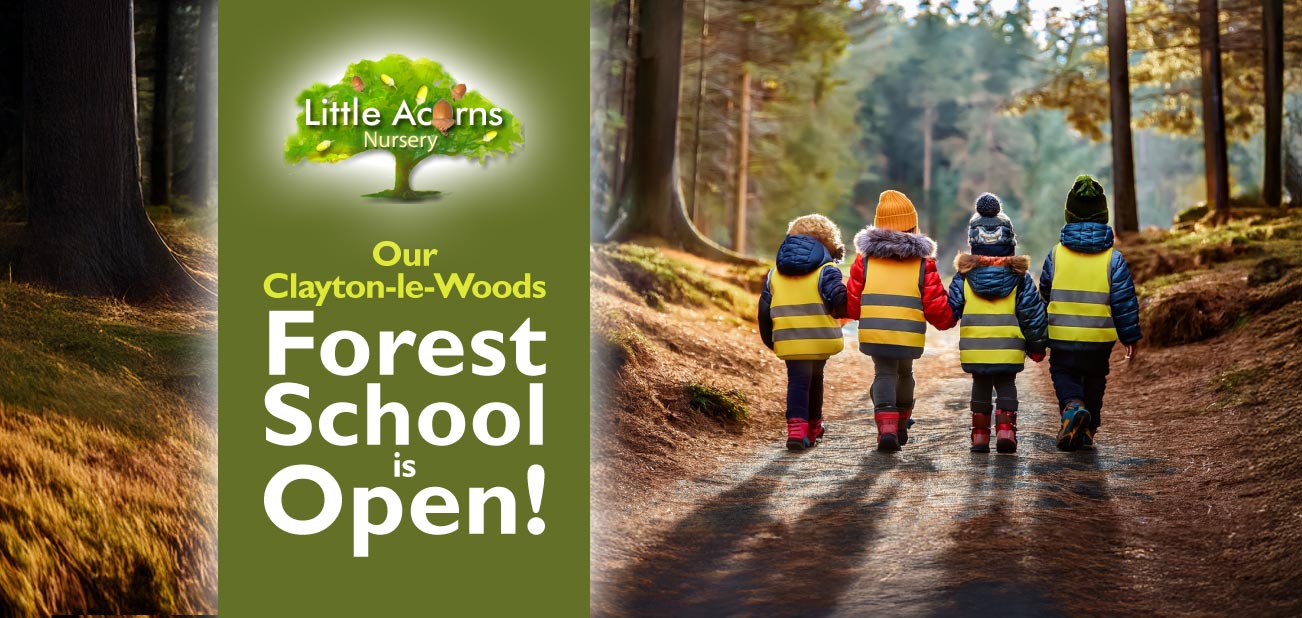
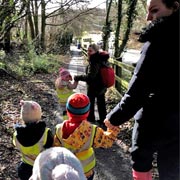 We’re delighted to share some very exciting news:
  Our nursery is surrounded by
  Forest School is a child-centred approach to learning that takes place outdoors and encourages children to explore, investigate, and learn about the natural world through hands-on experiences. Sessions are led by trained practitioners and are carefully planned to be age-appropriate for under-fives. They allow children to learn about nature, build new skills, learn to assess risks, and grow in confidence and independence.
 Forest School offers rich opportunities for learning across all areas of the Early Years Foundation Stage. As children climb, balance, build, dig, collect and create, they naturally develop physical strength, coordination and problem-solving skills. They learn to communicate with one another, take turns, share ideas and work together, supporting social and emotional development in a meaningful context.
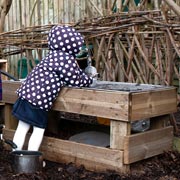 Forest School is not limited to time spent outdoors for children at Little Acorns Nursery. The Forest School approach is also reflected throughout our nursery environment, both indoors and in our garden and grounds. Natural materials, open-ended resources and opportunities for exploration are woven into everyday play, allowing children to continue their connection with nature — whether indoors or outside.
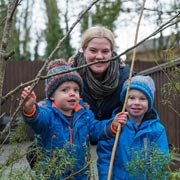 For families already with us, Forest School adds another enriching layer to the care and education your child receives. For those considering joining our nursery, it’s one of the many reasons we believe our setting offers something truly special. Being able to offer Forest School — especially as a nursery that pioneered it locally — reflects our commitment to high-quality, thoughtful early years practice.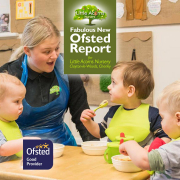
 Overall effectiveness: Good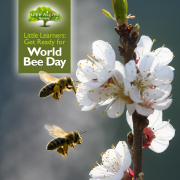

 Little learners, get ready – it’s almost time to buzz into action for World Bee Day! The annual event arrives in May and it’s a brilliant opportunity for children and families to get involved in something meaningful, fun, and full of learning opportunities.
 World Bee Day is celebrated every year on 20th May to raise awareness of the vital role that bees and other pollinators play in our world. From helping plants grow and supporting the food we eat every day, bees are some of nature’s hardest workers – and they need our help to survive and thrive.
 “Bee together for people and the planet”
 Getting involved in World Bee Day isn’t just fun — it also supports many areas of the Early Years Foundation Stage (EYFS), helping children learn and grow in meaningful, hands-on ways. Here are just a few ways bee-related activities can support early development:
 Expressive Arts and Design: Making bee crafts, drawing flowers, role-playing as working bees, or moving like insects in a dance — all help develop creativity and imagination.
 There are so many fun and simple ways for little learners to join in with World Bee Day! Here are a few activities that are perfect for children under five — each one encourages creativity, curiosity, and care for nature while also supporting the EYFS.
 Using paper plates, cardboard tubes, egg cartons or recycled materials, children can create their own bees! Add wings, stripes, googly eyes and antennae for a hands-on creative session. These are wonderfully creative activities that will boost several areas of the EYFS including Expressive Arts & Design and Physical Development.
 Explore the garden or outdoor space and, without disturbing them, see what pollinators your child can spot. Can they see any bees? What colours and flowers do they seem to like best? Are they collecting nectar? What type of bees are they? Bumblebees are super cute. Honey bees are super-hard workers and do so much for the world. A bee-spotting activity is a great opportunity to explore areas of the EYFS that include Understanding the World and Communication & Language.

 When April is on the horizon, there is a buzz amongst parents whose children will receive school offers that month. It’s quite a milestone in the lives of families as it’s the time they’ll find out if their children have received an offer for their top school choice. If not, will they be offered another “preferred” school listed lower on their application? It will often have felt like a long wait to find out the results, too, with families having applied in mid-January or potentially months earlier. Because we are an early years nursery, today’s guide focuses on primary school offers. We’ll explain in detail when to expect your child’s primary school offer, criteria that may have affected it, and your options if you’re not happy with the school place offered. To keep things as simple as possible, we’ll concentrate on applications for a standard school start date in the September term (rules and dates for ‘in-year’ applications are slightly different). If your child is due to start primary school this year, take a look.




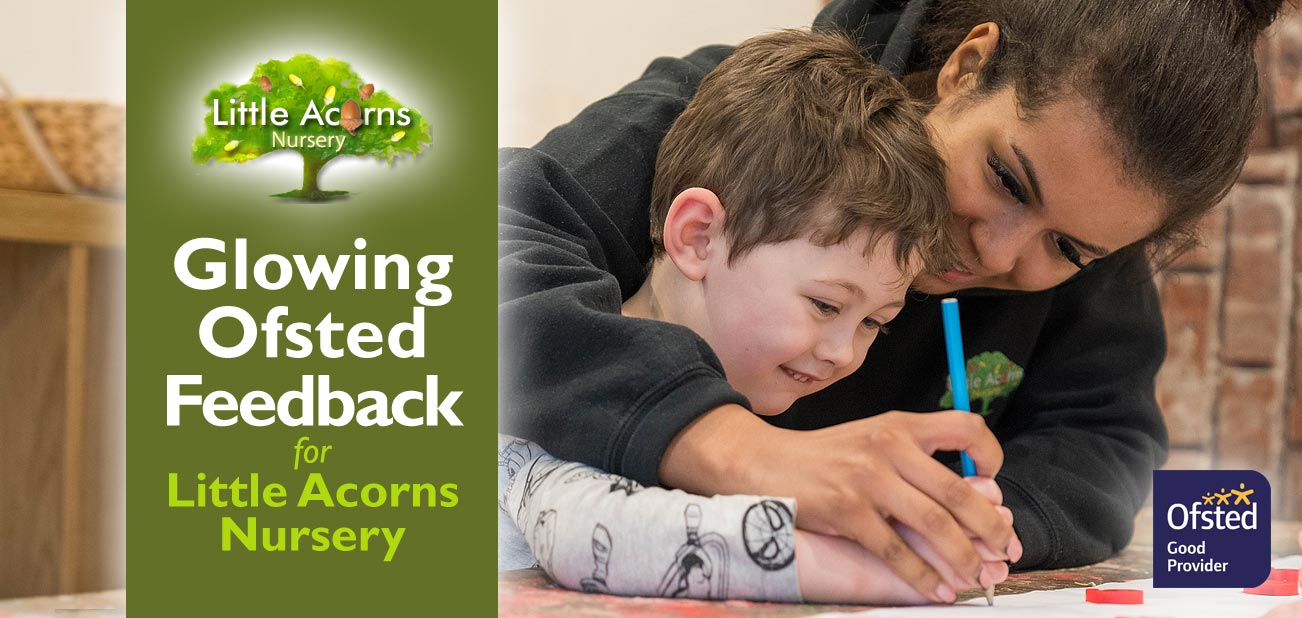
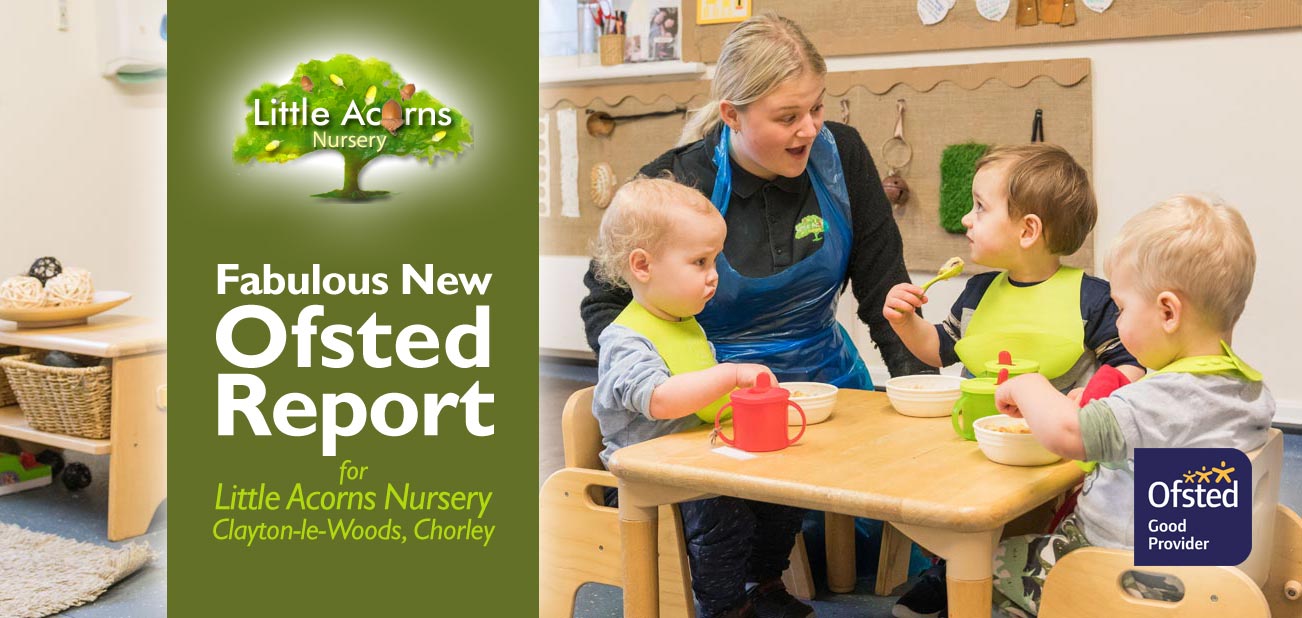
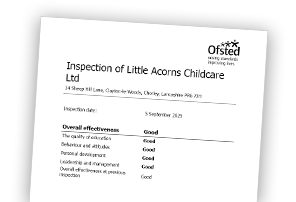
 Today we look at the wonderful Ofsted report published recently for Little Acorns Nursery in Clayton-le-Woods, Chorley. Ofsted is The Office for Standards in Education, Children’s Services and Skills. Their inspector visited this fabulous Lancashire childcare setting in late August and released its official report a month later on 25 September 2024. Our post today spotlights some of the many glowing comments made by the inspector therein, following her visit. It also highlights the reasoning for ‘good provider’ ratings across all areas of the Ofsted report. Take a look and you’ll see why babies, children under five, and those with special educational needs and/or disabilities absolutely thrive at Little Acorns.
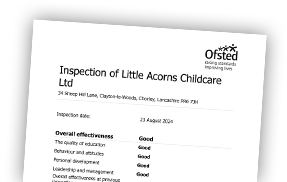 Overall effectiveness: Good
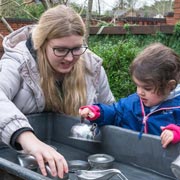 Any good nursery or childcare provider will ensure that children understand right from wrong and are mindful of the effect their actions have on others, including peers. Nurturing good manners and appropriate behaviour amongst little ones benefits everyone including, of course, the children themselves. Ofsted’s latest report recognised that Little Acorns is very successful in this regard:
 Children find messy play hugely rewarding as well as being immense fun. Messy play nurtures children’s imaginations, creativity, dexterity, and self-expression and benefits them in many other ways. It is therefore a crucial part of early years learning and development — and more important than it perhaps sounds. Ofsted picked up on the quality of messy play activities at Little Acorns Nursery within its report: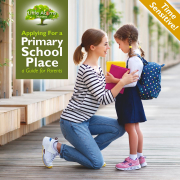
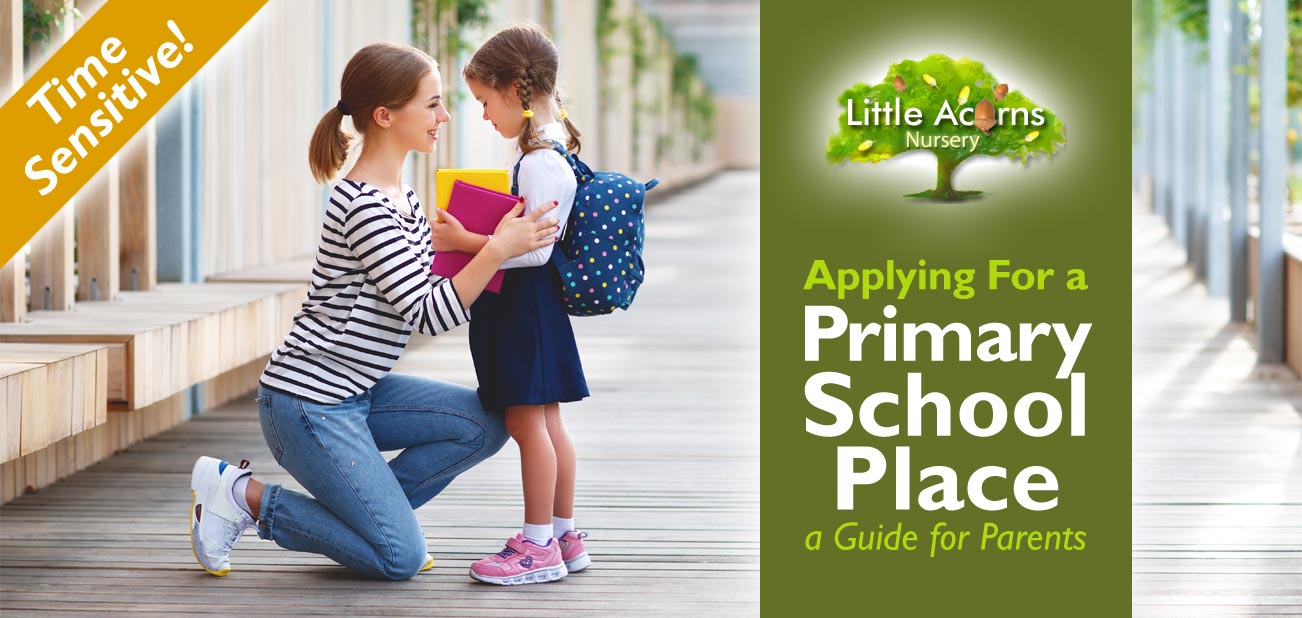
 If your child is 3 or, at the latest, has just turned 4, it’s time for you to apply for their primary school place. What’s more, you only have until about mid-January to do so. That’s all true whether you intend them to start school at 4 or leave it until they’re 5. In today’s guide, we explain the rules around applying for a primary school place, the key dates you need to know, what to expect, and the various options open to you and your child.
 Most children in England start primary or infant school earlier, in ‘Reception’ year. For most, this will be in the September term when they’re still only 4. That’s just one reason why applying for a primary school place is so important while they’re only 3 or, at the very latest, have just turned 4.
 Registering an interest that you’re interested in a particular primary school is sensible and, indeed, may result in the school supplying some useful information. However, it will not guarantee your child a place even if it’s attached to their nursery or preschool. You therefore need to make your official application through
  Research your local primary schools, visit them to get a feel for them, and ask teachers and heads any questions you may have. Schools often have open days or evenings or accept appointments for these purposes.
 The child’s proximity to the school;
 For primary** school places, offers are released around the 16th* of April each year, the exact date depending on whether the 16th otherwise falls on a weekend or public holiday. For 2025, 2026, and 2027, primary school ‘offer day’ will therefore fall right on target on the 16th of April as each is a weekday for each of those years. Those applicants who had applied online, on time, and supplied an email address during the application process, will be the first to receive offers via email. Later the same day, others who supplied an email address will also receive offers via email. Those who applied without supplying an email address will have their offers posted via 2nd Class post, meaning they may find out what school their child has been offered a day or two later than the 16th of April. That said, some local authority portals allow all parents to log in to view school offers online.
 With September 2024 arriving, eligible children aged as young as 9 months can now access free childcare in England. The new childcare ‘hours’ are available where working families are eligible for the support and, in tandem, where local childcare providers are set up with appropriate staffing ratios and capacity. The good news, however, is that Little Acorns Nursery, in Clayton-le-Woods, supports the new scheme. It’s therefore with great pleasure that we’re now beginning to welcome children as young as just 9 months of age for free childcare hours at the Chorley setting.
 From September 2024 (so already active), eligible children aged from 9 months to 3 years of age can access 570 hours and eligible children aged 3 and 4 can access 1140 hours of free childcare support per year. The free hours are usually taken over the course of 38 weeks (equating to 15 and 30 hours per week respectively). However, some childcare providers may allow the hours to be spread over more weeks of the year by reducing the number of hours per week. Speak directly to your specific childcare provider about the availability of this more flexible option.
 Must not have an
  Little Acorns is a wonderful