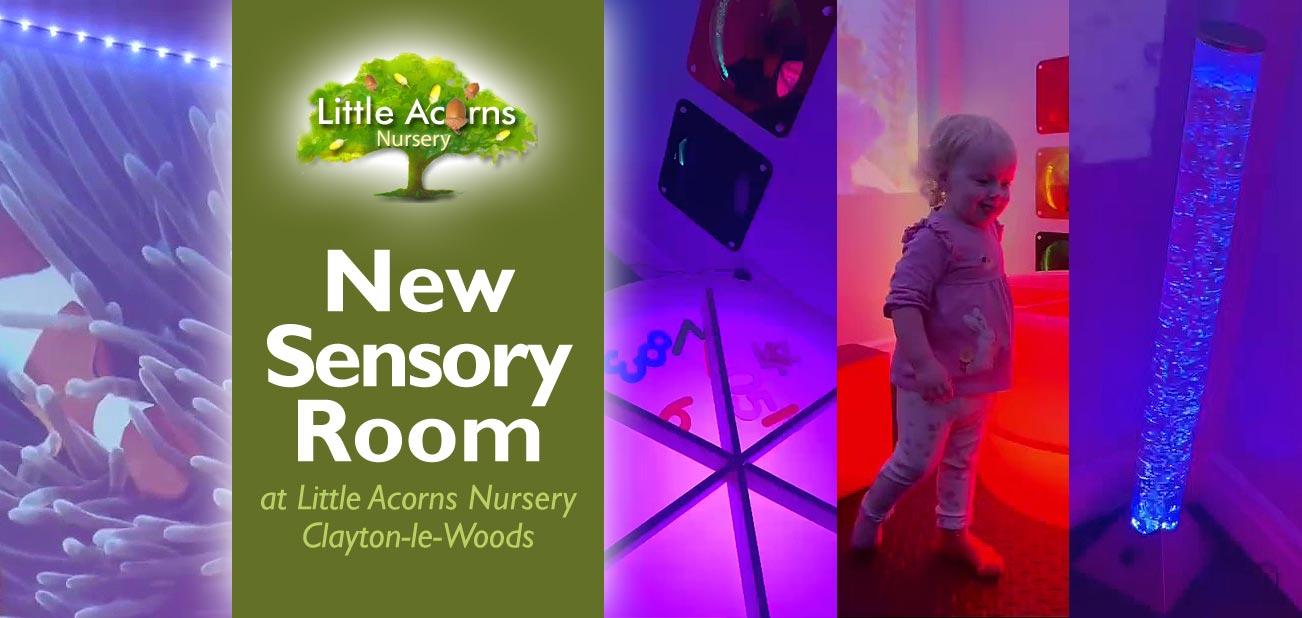
Little Acorns was delighted recently to unveil our new Sensory Room at our Clayton-le-Woods nursery near Chorley. The space offers a holistic experience tailored to each child’s individual needs and features calming lights, soft play equipment, a variety of textures, and a sensory den. Designed to enhance engagement and enjoyment, the new sensory equipment, accessories, and resources facilitate a wide range of sensory experiences that support therapeutic, educational, and recreational goals for every child. Indeed, the new room has been a huge hit with the children who love to go there to relax, explore, learn, and engage with the wide range of stimulating activities.
The new Sensory Room is accessible throughout the day under the watchful eye of our dedicated early years professionals. It’s an inclusive environment that not only provides diverse sensory opportunities for all children but also offers a safe and calming space to help regulate and reduce instances of sensory overload. Watch our video and view the image gallery to get a flavour of what’s on offer in the new sensory space.
Sensory Room Gallery
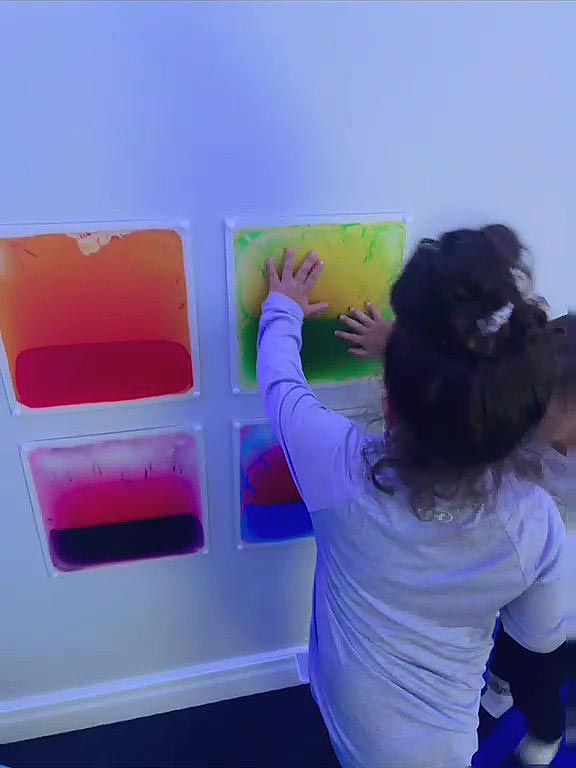
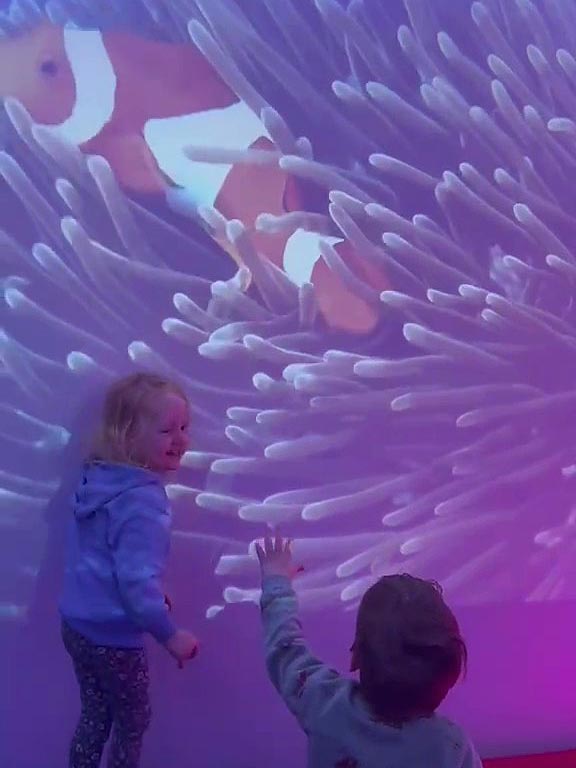
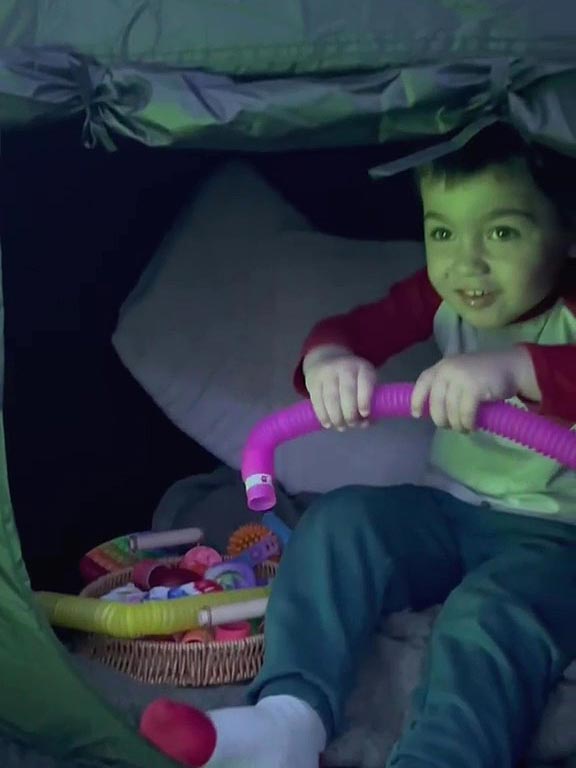
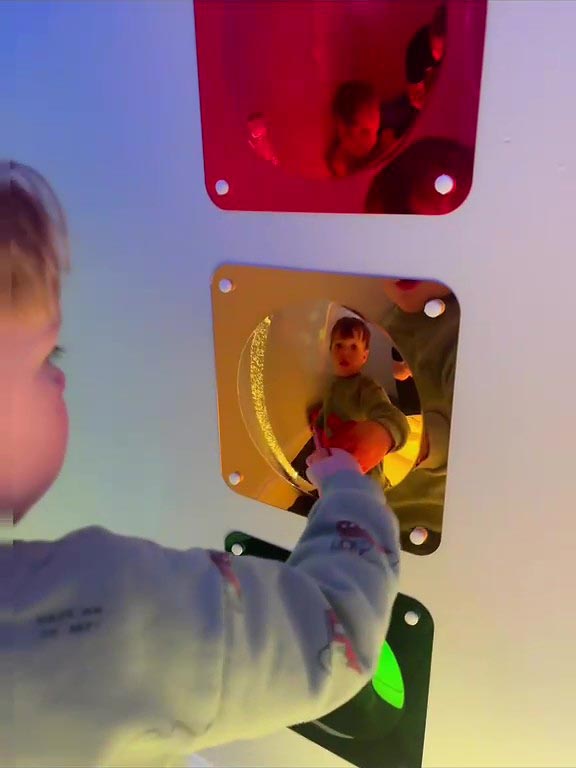
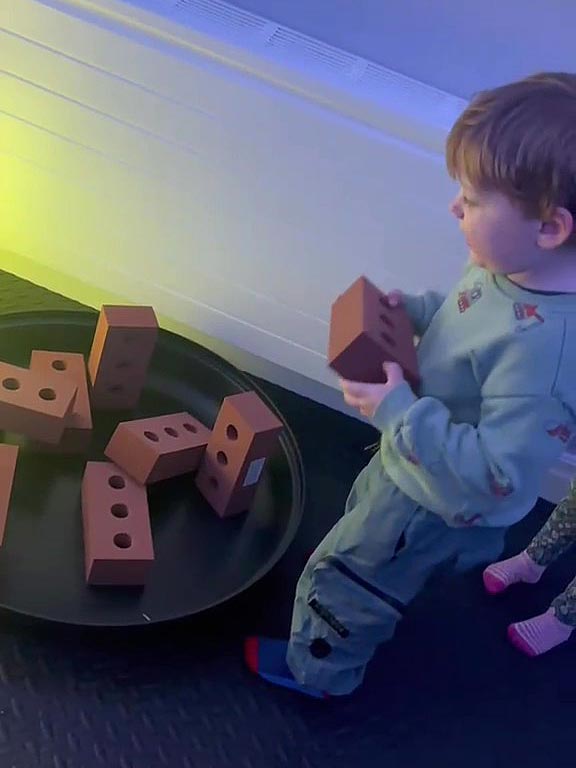
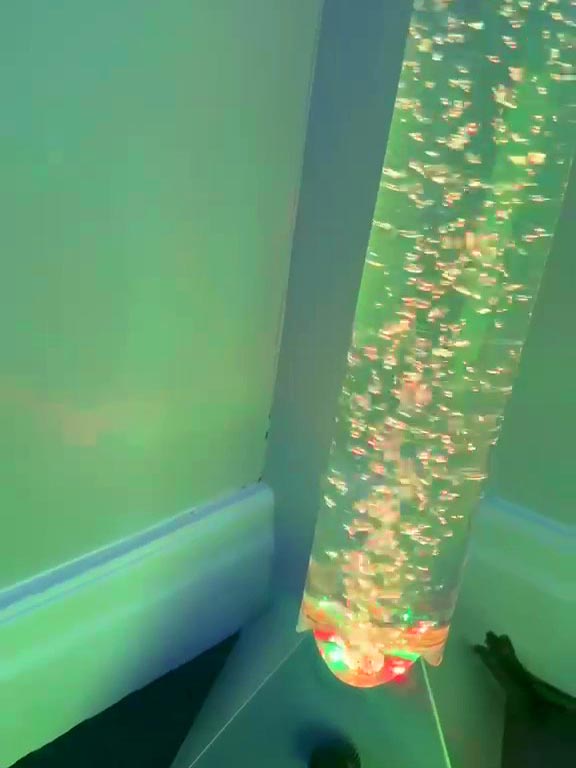
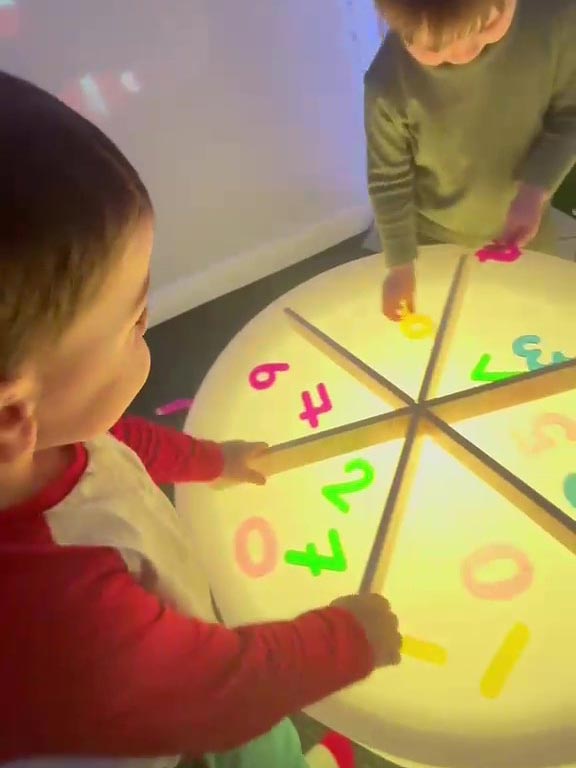
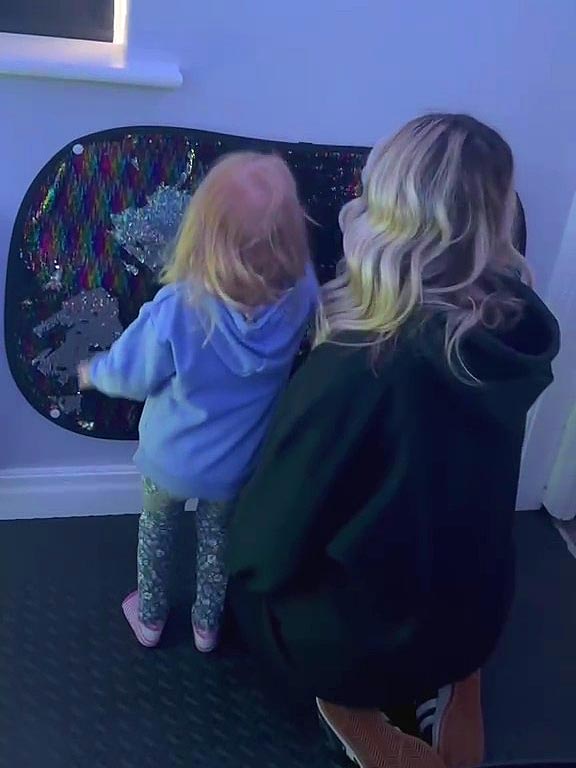
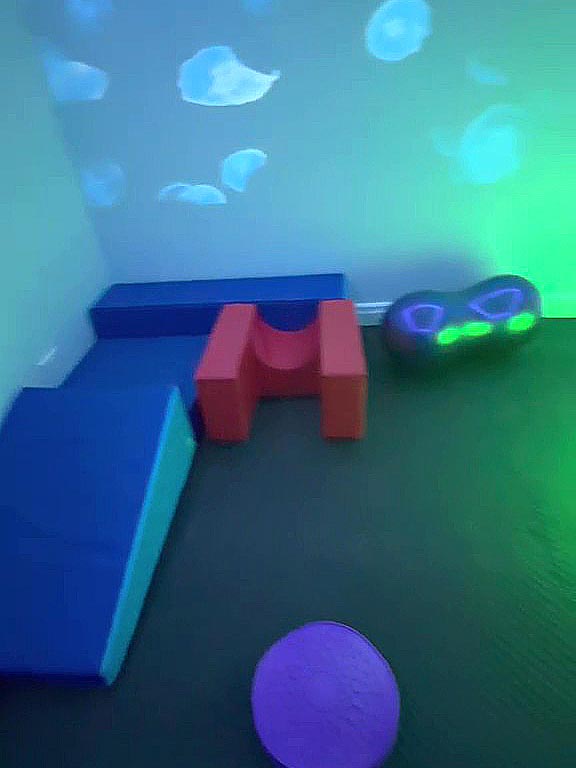
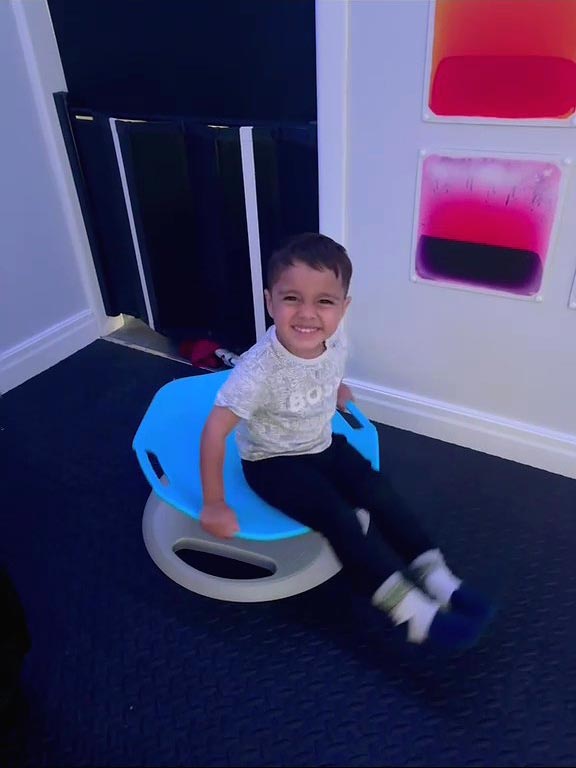
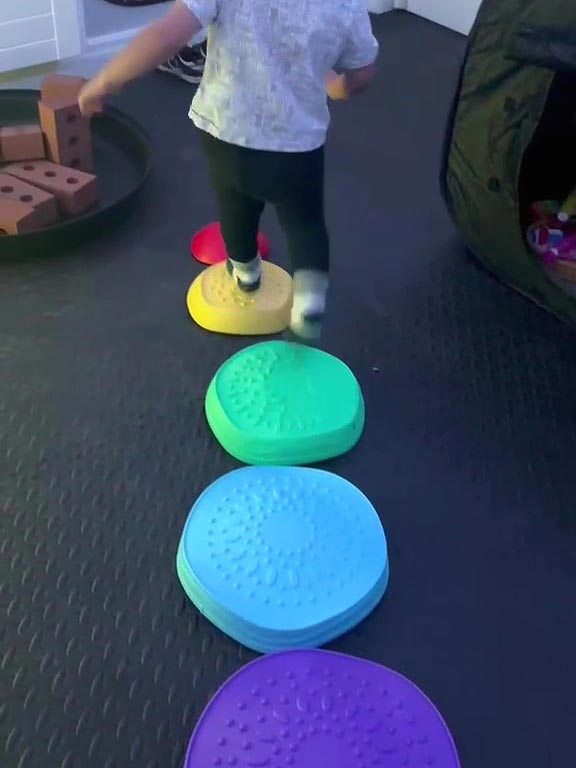
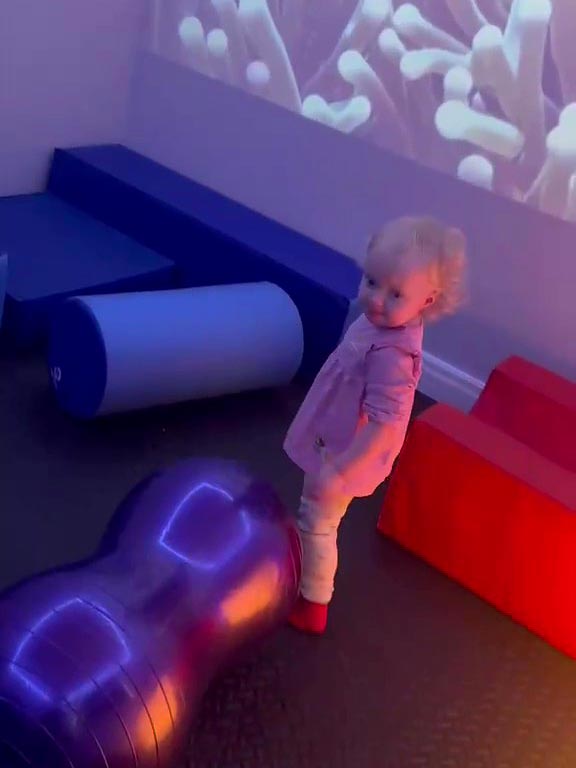
(Click the images to view them large along with a full description).
The new Sensory Room at Little Acorns Nursery is designed to engage many of the eight senses, which help people and animals make sense of stimuli coming from the world and feelings within their own bodies.
The 8 Senses
What are the eight senses? There are five internal and three external senses:
The 5 External Senses
These help us make sense of stimuli coming from things outside our bodies:
- Sight (visual), i.e. what people see, including colours, shapes, movement, etc.
- Hearing (auditory), i.e. sounds people hear via their ears, including qualities such as pitch and volume.
- Touch (tactile), i.e. how things feel via receptors in the skin. Aspects like pressure, texture, temperature, and pain can be identified through this sense.
- Smell (olfactory), i.e. the sense, associated with the nose, that identifies the odours/scents of things around us.
- Taste (gustatory), i.e. the sense that identifies flavours — sweet, savoury, salty, bitter, etc.
The 3 Internal Senses
These help us to make sense and practical use of feelings inside us:
- Vestibular, i.e. the sense governed by inner ear mechanisms that help us with balance, movement (especially of the head), and spatial orientation.
- Proprioception, i.e. the sense of body awareness that gives us greater understanding and control of body/limb position through stimuli feeding back from muscles, joints, etc.
- Interoception, i.e. the sense that tells us about internal states like temperature, heart rate, and pain, as well as feelings like hunger, thirst, and even needing the bathroom.
Sensory Integration
One of the most important things to understand about senses in early childhood is that, although children are born with some basic senses and sensory equipment, their brains and neurological pathways need to both develop further and learn to process sensory stimuli. Such learning is aided only by active physical exploration and a wide range of experiences. This leads to something called ‘Sensory Integration’ — the interpretation and organisation of incoming stimuli, which will aid a person’s appropriate responses to them.
Some of the Benefits of Our New Sensory Room
For children at Little Acorns Nursery in Clayton-le-Woods, the equipment, accessories, and resources in our new Sensory Room will help in achieving that all-important sensory integration. Touching different textures, climbing, running, balancing, spinning, hearing sounds and seeing visual stimuli will all help young brains and synapses to better organise themselves and give meaning to the incoming stimuli and internal senses. By giving meaning to signals received, and enabling children to make sense of the related feelings and emotions, they will become better equipped to react in appropriate ways. Examples of such reactions may include moving in a particular way to achieve a specific outcome, adjusting their balance to prevent a fall, improving coordination and gross motor skills, optimally adjusting body position within a space, or even learning, through repeated experience, to ‘filter out’ some of the background stimuli when needed. The latter can be useful, for example, when a child is trying to focus on a particular task or, indeed, is trying to be calm and relaxed despite multiple stimuli being present.
A Safe Space for Children
As well as helping to stimulate those whose senses may be under-active or in need of development, sensory rooms also represent a safe and soothing space where children who are at risk of overstimulation can retreat. Whatever the scenario, the sensory room is a place where all children can decompress in a peaceful space and reset before returning to a group.
Sensory rooms are highly inclusive and will therefore also support development in children who are neurodivergent, for example, affected by ADHD or autism.
Nursery Places at Little Acorns Nursery
A Nursery Place for Your Child in Clayton-le-Woods, Near Chorley
 If you are local and your child is under five, consider a nursery place for your child at
  Little Acorns Nursery (Clayton-le-Woods, Chorley). We are rated as a good childcare provider by Ofsted, and support free/funded childcare hours for eligible children. The nursery day also begins early, at 7:30 am, and remains open until 6:00 pm — convenient for working parents.
If this sounds of interest, please get in touch using one of the following options:
As well as providing weekday childcare for families in and around Clayton-le-Woods, Little Acorns Nursery may also suit those nearby in towns and villages like Clayton Brook, Clayton Green, Chorley, Penwortham, Farington, Bamber Bridge, Leyland, Thorpe Green, Whittle-le-Woods, Lostock Hall, Pippin Street, Buckshaw Village, and Euxton.
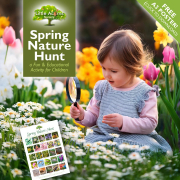
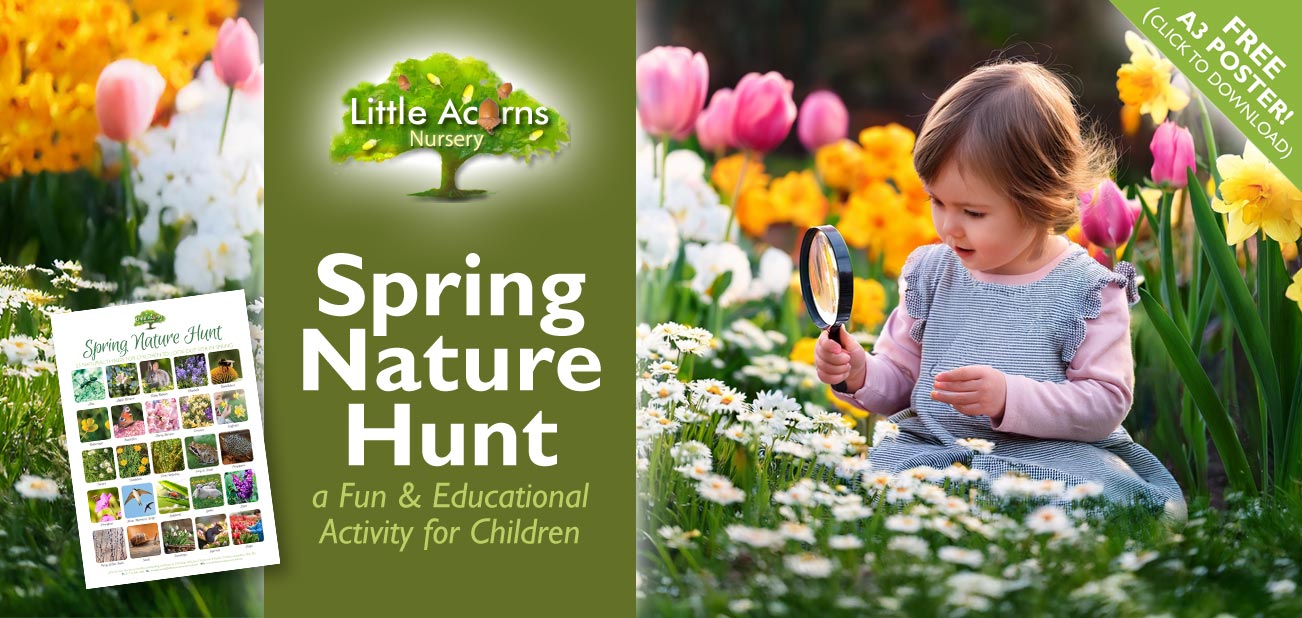
 It’s wonderful for families when spring arrives: the coldest weather is behind us, the sun is out more often, and there is so much beauty to see outdoors. As spring progresses, more and more flowers appear, providing colourful displays, and all kinds of plants and leaves are sprouting forth. Following spring’s arrival, we’ll see more animals, birds and insects too. They’re likely to include delightful bumblebees attracted by newly-blossoming flowers, adorable snails and minibeasts on the look-out for food, and swifts flying acrobatically through the air, having returned to the UK after wintering overseas. Everywhere we look, nature is teaming with life once again.
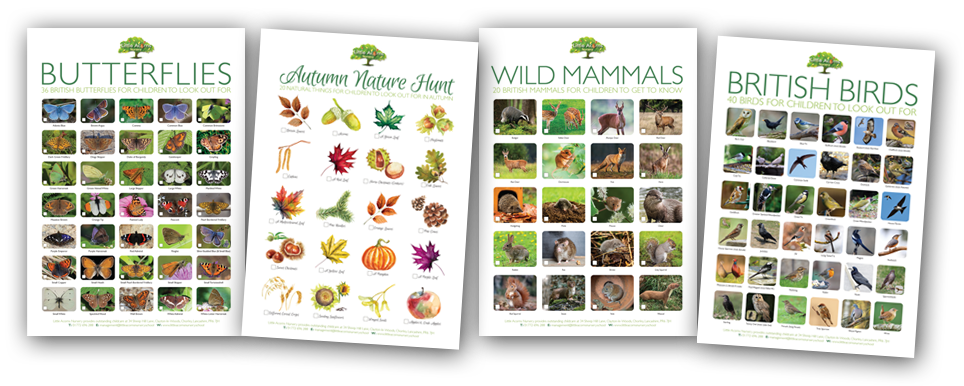
 With this in mind, it’s a wonderful opportunity to encourage children to get outside once more, enjoy nature and the fresh air, and embark on a Spring Nature Hunt. The activity is both fun and educational for little ones. Spending time in nature is also very good for children’s health and well-being. And the icing on the cake? Today’s activity comes with an attractive reference poster depicting 25 natural things for children to look out for — and it’s free for families to download.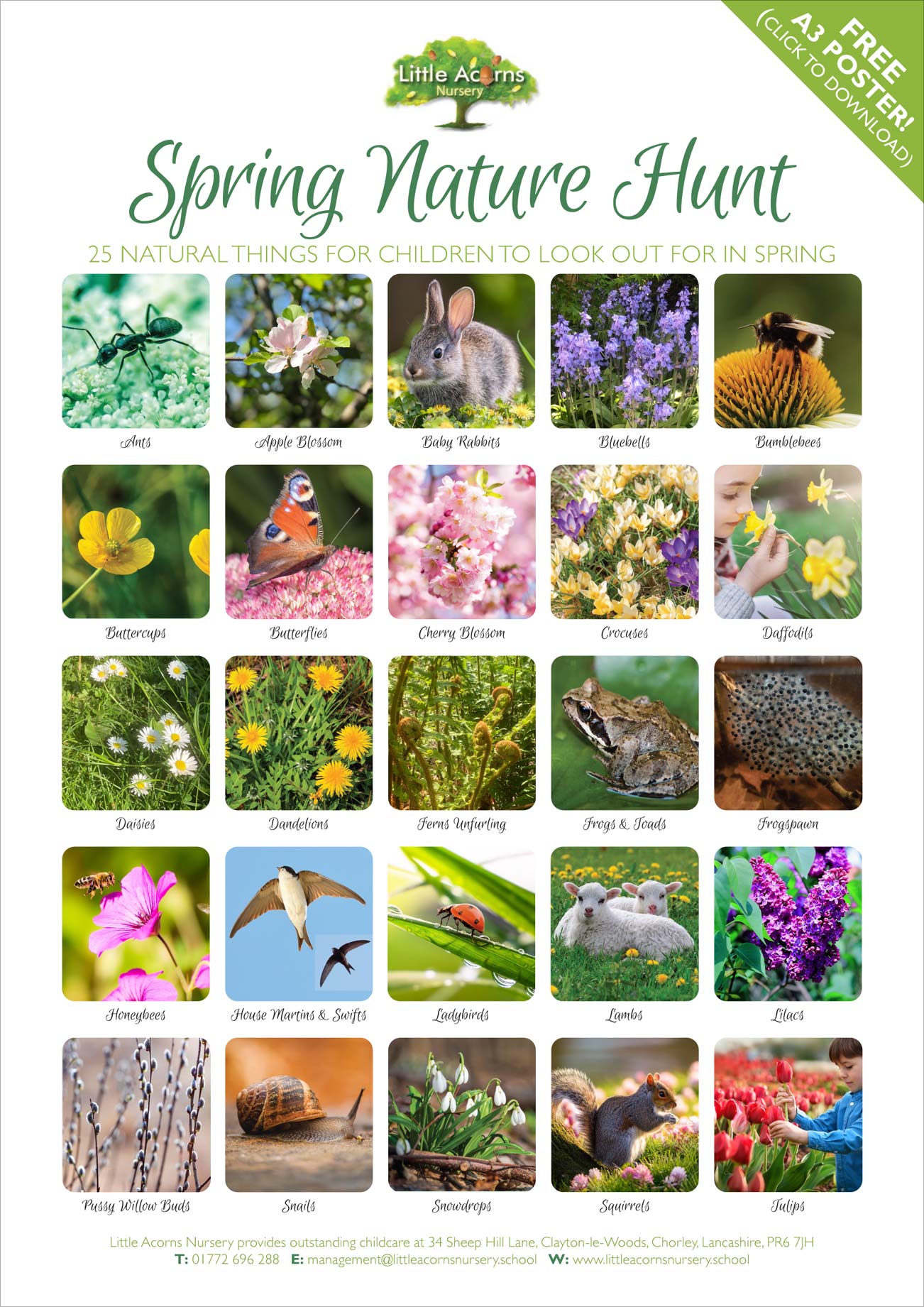




 In their earliest years, children’s brains are doing a phenomenal amount of developing. At this stage, little ones understand far more than they can express, and they’re learning to handle powerful emotions without the calm reasoning skills adults (mostly) have. The part of the brain responsible for emotional control is still under construction, so when they’re hungry, tired, frustrated, or simply want something right now, they can easily become overwhelmed. In short, they’re not trying to give you a hard time. They’re having a hard time.
 It’s not always easy as a parent, but your own composure is key. A calm, even tone and steady body language tell your child that you’re in control, even if you feel anything but. Also, try avoiding lengthy explanations in the heat of the moment — too many words can overwhelm an emotional toddler.
 The nightmare scenario: You’re halfway down the biscuit aisle when your toddler takes an unhealthy shine to a chocolate-covered, sugar-filled snack that’s really not going to be good for them. So, you say no. They flop to the floor, wail at a volume that seems to fill the entire supermarket, and protest in a dramatic fashion that catches the attention of every shopper in the vicinity. Not only is your child in full, public, tantrum mode, but you’re also going to feel judged!
 Scenario: At home, your child sees their sibling or a friend playing with the toy they absolutely must have right now. They shout, try to grab the toy, and then the sobbing begins.
 Scenario: Dinner is served, and your child takes one look at the plate and decides it’s the worst thing that’s ever happened to them. Cue gesticulating arms, shouting and, in all probability, some dramatic sliding under the table.
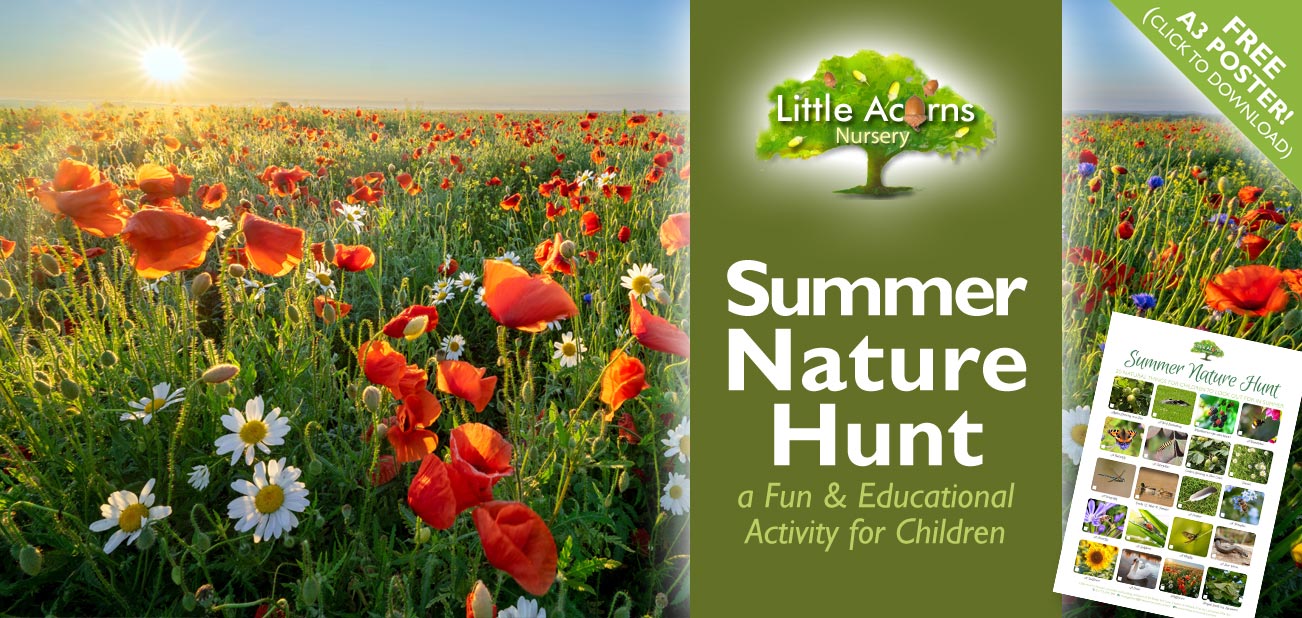
 Summer is a wonderful time for children to get outdoors. There, they can breathe the fresh air, benefit from being closer to the natural world, and escape from electronic screens. Nature is incredibly good for children as well as adults (more about that later). A simple way to encourage little ones outdoors is to take them on an exciting and educational nature hunt! There are many fascinating things to look out for during the summer months including butterflies, caterpillars, bees, beautiful wildflowers and much more. A summer nature hunt will open their eyes and minds to the wonders of nature’s flora and fauna, lead to educational conversations with accompanying adults, and be an enjoyable and educational activity. Within all that in mind, we’ve put together a free Summer Nature Hunt poster that will give children and families an idea of what to look out for during the warmer months of summer — and serve as useful visual reference. The poster is free to download right here in this blog post (see below). Once printed out, it can be displayed large on children’s bedroom walls or taken along during the activity — perhaps reduced to a convenient size like A5. Children can use the little tick boxes to tick off each item that’s been spotted. So, venture out little ones — see how many wonderful things you can spot in the natural world this summer!
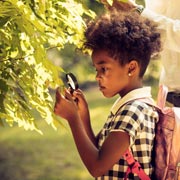 Many of the adorable creatures featured in the poster will be easy to spot at this time of year. Bees, hoverflies, and other pollinators are common to see where flowers are blooming. Butterflies are both stunningly beautiful and at their most abundant during July and August each year, so are sure to delight children with their fabulous colours and patterns. Delightful ladybirds are also rather abundant right now (time of writing: mid-July). Wildflowers like poppies and daisies always make the world a more beautiful place, so they’re a wonderful thing for children to discover too.
 Has your little one ever seen apples growing on a tree? All that blossom from earlier in the year has now given way to little green apples that will grow and ripen as we head further into the year — eventually becoming ready to fall or be eaten come autumn. It’s a great example to show under-fives where some food comes from and explain why pollinators are so important.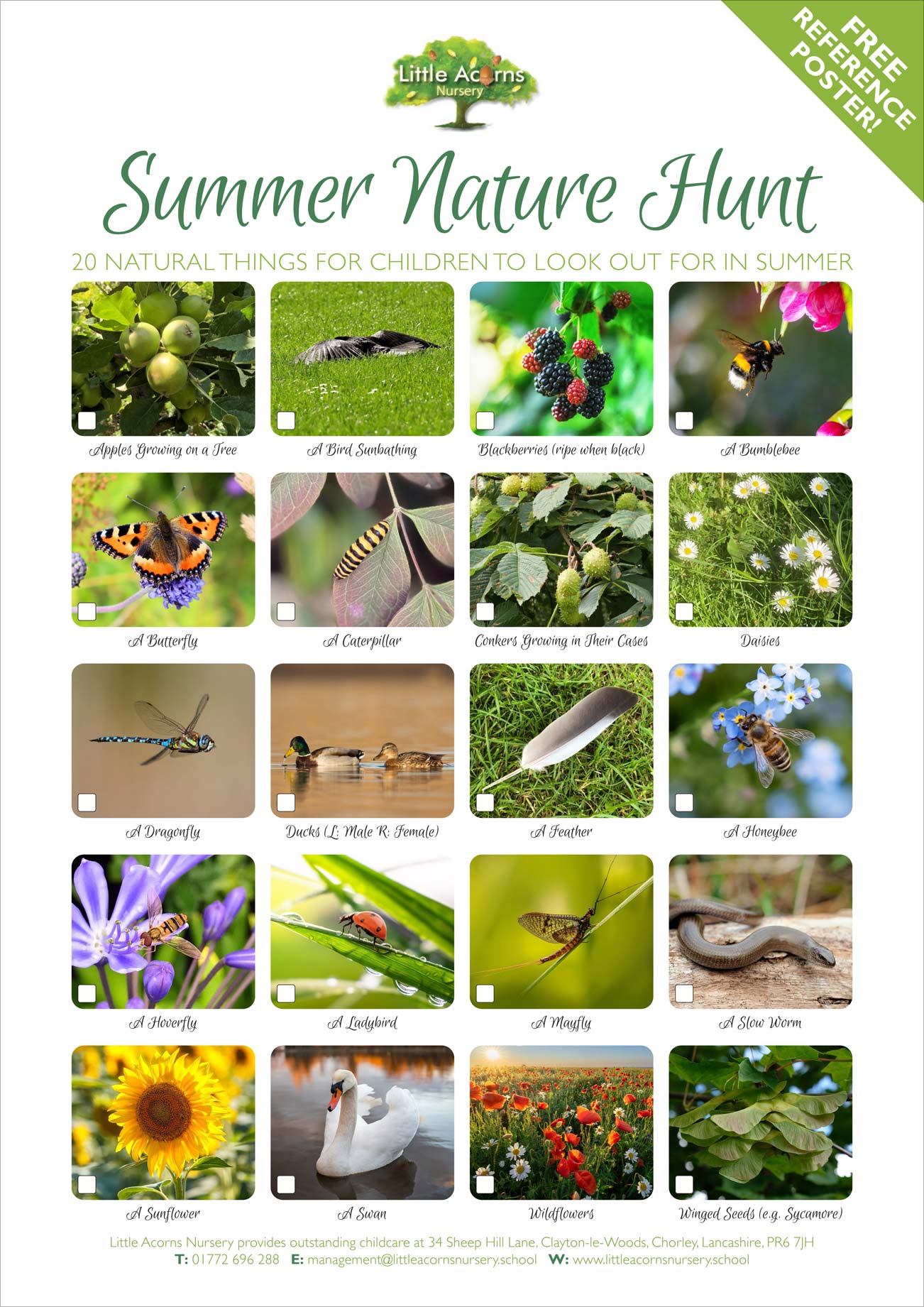
 As we said in the introduction, spending time in and around nature is incredibly beneficial to children of all ages. Studies have proven a myriad of benefits, in fact. Just a few examples include a lowering of stress and anxiety, improved motor skills, greater knowledge of the world (and children’s place within it), improved empathy for other living things, a feeling of greater responsibility for nature’s flora and fauna, a development of often lifelong greener values and choices, and even improved academic grades! These are just a few examples — the benefits of spending time closer to nature are incredible. Learn more about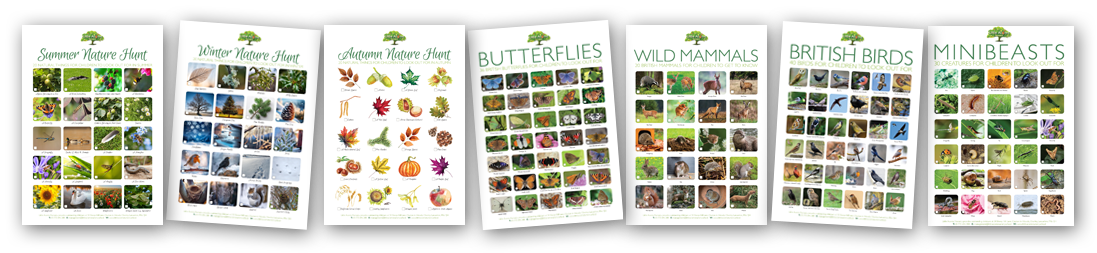
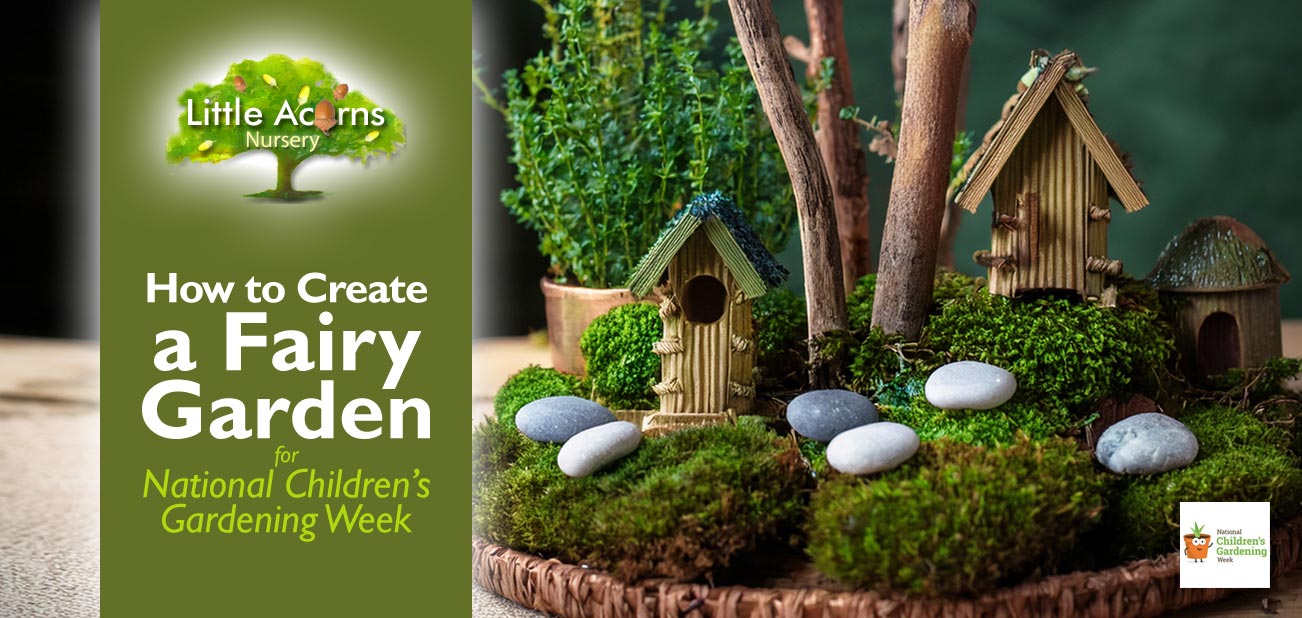
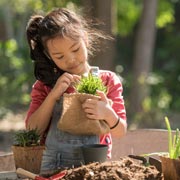 National Children’s Gardening Week arrives in late May and is the perfect time for young children to get involved in gardening activities. In celebration of the event, we describe a wonderful gardening-related activity that’s small-scale, easy, fun, and educational — perfect for little ones! The finished result is also rather magical and, once complete, lends itself to imaginative play. Today, we outline how children can make their own miniature fairy gardens. These are a great way to introduce little ones to creative gardening at a child-friendly scale. Under parent supervision* and largely using scavenged materials from outdoors, under-fives can let their imaginations run free and get creative! What’s more, the results are simply enchanting and will bring magic and a whole lot of delight to young children!
 National Children’s Gardening Week begins on the 23rd of May for 2026 and runs until the 31st. The timing is no coincidence as it’s generally a warm week and therefore perfect for gardening and growing plants and flowers. What’s more, it also spans the half-term school holiday that most schools recognise in the last week of May.




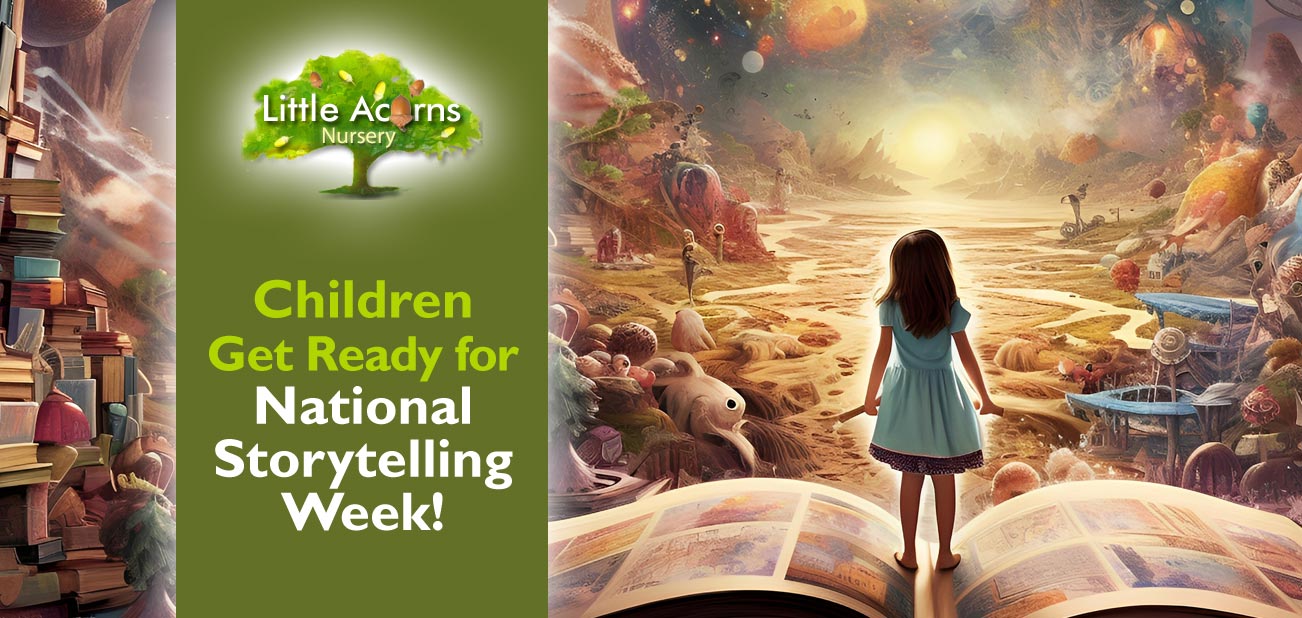
 With the start of the new year now behind us, it’s time for children to get ready to take part in National Storytelling Week. This year it begins on Saturday the 1st of February and ends on Sunday the 9th. It’s a wonderful initiative that brings children and families together to use their imaginations, get creative, and entertain one another. What better time of the year to do that than during mid-winter? National Storytelling Week is perfectly timed to be a fabulous antidote to cold, blustery, winter days and is a wonderful way for children to escape through the power of the mind.
 Whether listening to another’s story or creating it themselves, storytelling is a fun activity for children and adults alike. In either case, imagination is a powerful thing that will allow children to immerse themselves in new worlds, new situations, and new adventures. What’s more, it can even allow them to temporarily become someone or something else. That’s hugely powerful!
 With a theme as open-ended as reimagining their world, children have free reign to come up with all kinds of storylines and scenarios. When it comes to creating stories the world is, as they say, their oyster and it’s only limited by their imaginations. They could perhaps come up with some kind of fantasy with colourful landscapes, magic, and weird, wonderful creatures. Or perhaps the story revolves around a futuristic city where travel by hoverboard is the norm. Or maybe the storyline is something more simple and subtle that’s not so different to reality. It’s entirely their choice and, for supervising adults and parents, it’ll certainly be interesting to see what they create.
 First-time storytellers may better grasp the idea if an adult/parent first tells a story as an example. This will help them see what’s possible — and indeed show that anything is possible.

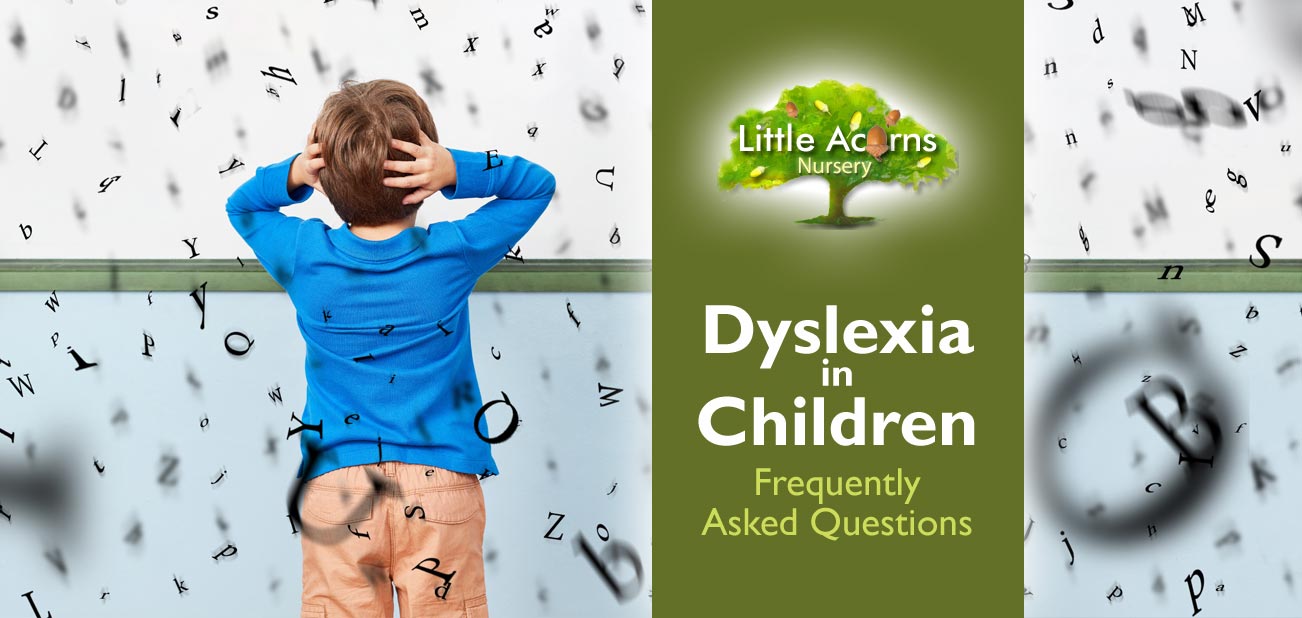
 As a condition that affects children’s reading and writing abilities, Dyslexia is something that can significantly hold little ones back. If not diagnosed and addressed in good time, it can have a knock-on effect that adversely affects the education and potentially whole lives of people affected. It’s therefore important to learn what to look out for so as to recognise the possible signs of dyslexia in children should they occur. With that in mind, today’s article explores the answers to frequently asked questions about dyslexia so as to explain what dyslexia is, how it affects children and adults, what to look out for, and what to do to mitigate its potentially harmful effects.
 Described back in the 19th century as ‘word blindness’, Dyslexia is a lifelong problem that primarily affects the ease with which a person can read (especially) as well as affecting other language-based skills like writing, spelling, and sometimes even pronunciation. As such, it has potential knock-on effects in a wide array of areas of people’s lives and can present daily challenges for those affected.
 Some people with dyslexia have described its effects as causing letters to jump around and words to jumble up. Others say that words blend together and even spaces between them can disappear. Individual letters and numbers can mix up and, for some, characters may seem incomplete. Sometimes, they are perceived in mirror form (so, for example, a “b” becomes a “d”) or are even perceived as being upside down (so, a “6” would be perceived as a “9”). Whatever the specific effect, the result is to make words unintelligible. Immense concentration is required to try to make any sense of them. Clearly, this presents enormous challenges to reading, writing, spelling, reading out loud, and even mathematics. The knock-on effect of all this is that reading and learning from books about any number of topics — including those in the curriculum — can therefore be hugely challenging and profoundly impactful.
 The signs of dyslexia vary from child to child and this, in itself, makes spotting the issue more tricky. That said, the most common signs of possible* dyslexia, specifically in children of pre-school and school age, relate to language-related difficulties. Examples include:
 Dyslexia is a specific learning difficulty. While some children affected have no additional limiting condition, some have additional problems. These can include dyscalculia, dyspraxia, ADHD, short-term memory issues, and issues with time management. We’ll aim to cover some of those topics separately, in future posts.
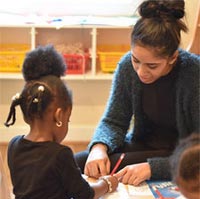 Where an issue like dyslexia is suspected, parents/carers should speak with their early years provider or school teacher to voice any concerns — and vice versa. The earlier an issue like dyslexia is spotted, the sooner measures can be implemented to help the child. Such early intervention is really important when reading and language are affected because they have such a snowball effect on other areas of learning. That said, it is more difficult to diagnose dyslexia in the pre-school years, as signs are not so obvious at such an early age. However, a few early signs may sometimes become evident as indicated in the early entries of our list of possible signs of dyslexia earlier in this article.
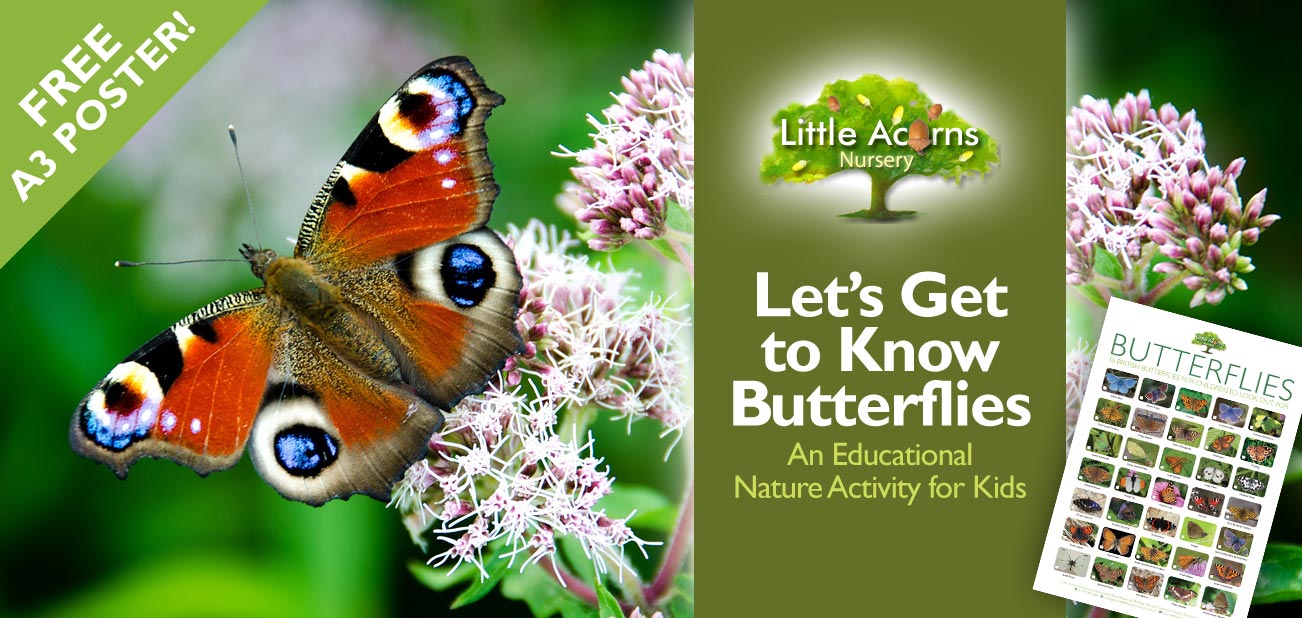
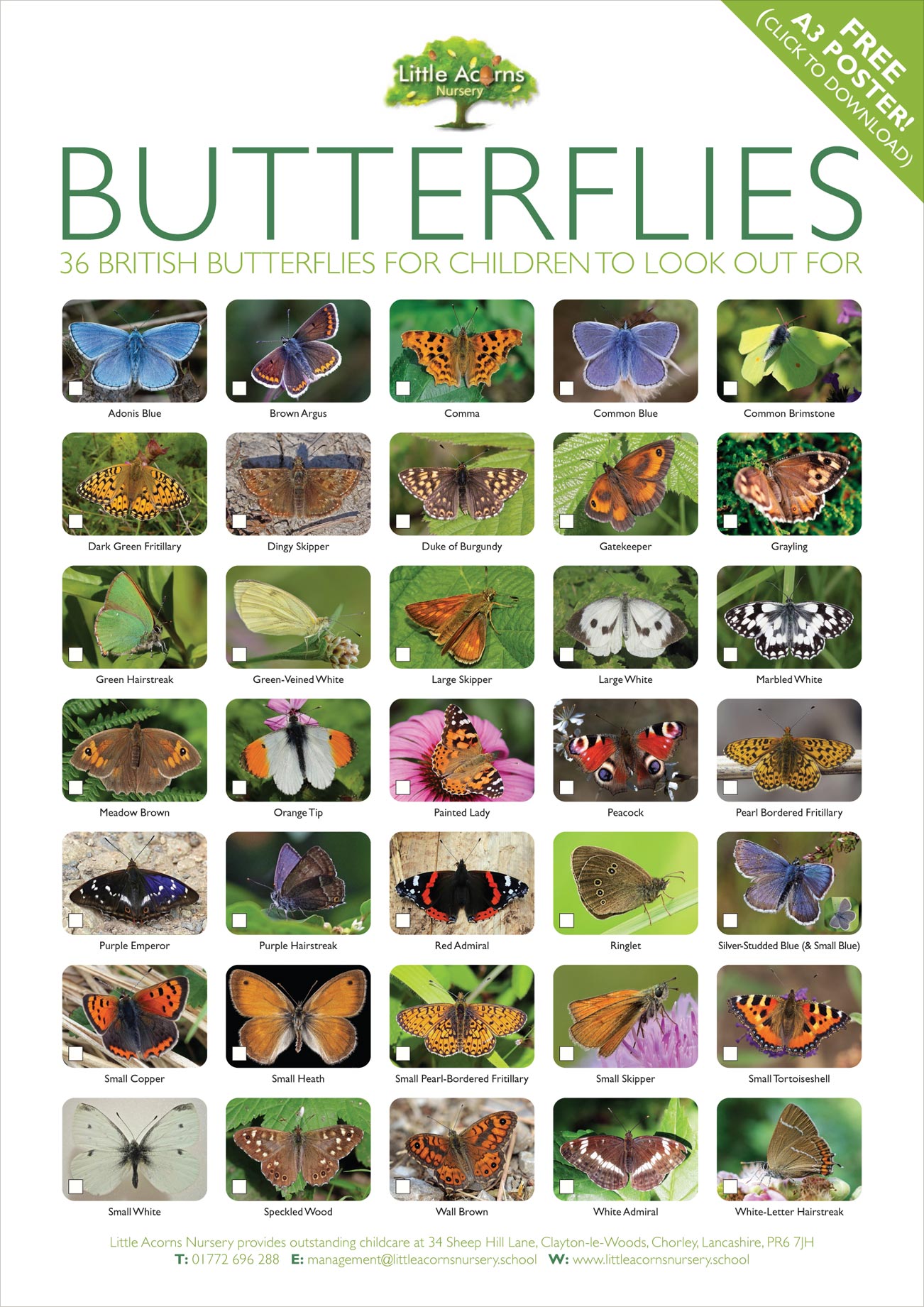
 For many species, population numbers have plummeted over recent decades. Introducing your child to today’s