Bird Spotting Activity for Kids – with Free Poster
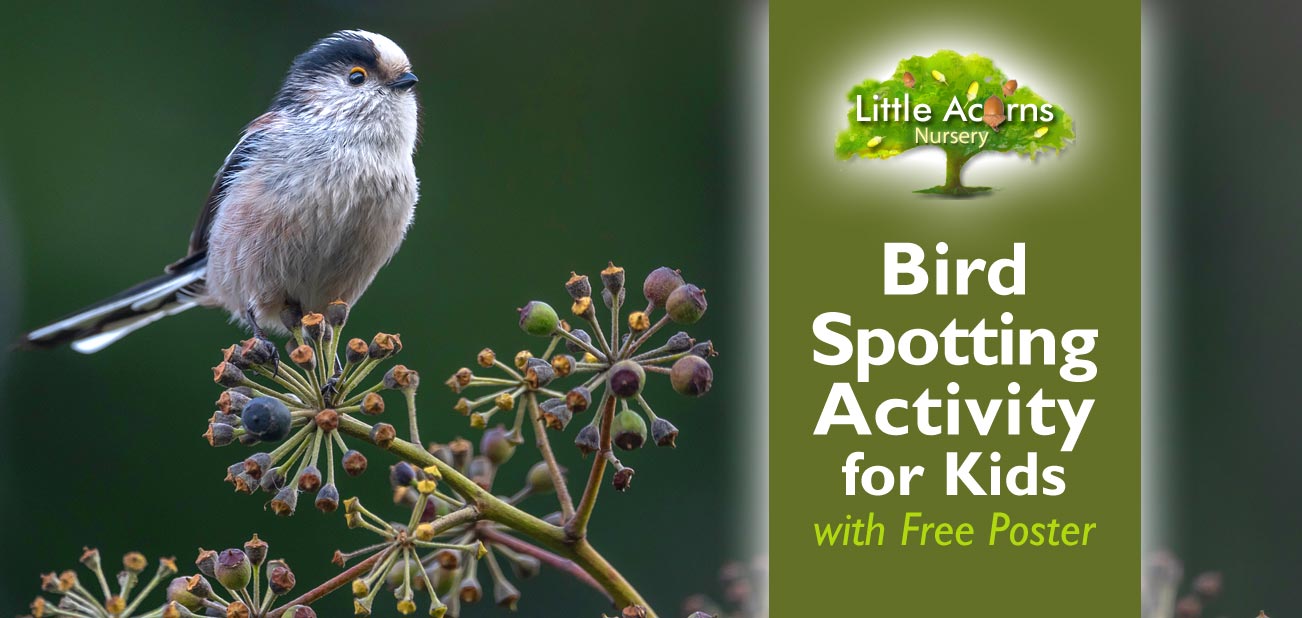
 Are you looking for a fun and educational activity for your children? Why not encourage them to do some bird spotting? Not only is it a great way to spend time outdoors, but it’s also a wonderful opportunity for them to learn about nature and develop observation skills. As we know, being around nature is hugely beneficial to children and outdoor play is important.
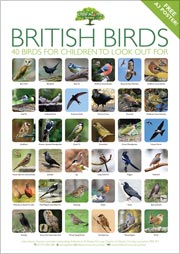
To help you get started, we’ve created a free PDF poster featuring 40 British birds that children can try to spot and identify. Whether little ones are in the garden, park, or countryside, there are plenty of opportunities to see these beautiful birds in their natural habitat. Children can even try to spot birds when they’re simply looking out the window — this is quite an accessible activity.
So why not download the poster, print it out, and head outside with your children? Instructions are given underneath the preview image available in the full post below. Who knows, your little one(s) might just discover a new passion for birdwatching and nature!
 parents to return to the workplace sooner after the birth of their child if they so choose;

 Are you are a parent or carer of a child under five? If so, you could learn a lot about childcare, parenting and early years learning and development by following Little Acorns Nursery on social media. We’re active across multiple social channels including Twitter, Facebook, Pinterest and Instagram and share high quality content useful to parents of under-fives. That includes parents of children at Little Acorns although, actually, parents anywhere will find the content educational and useful. Our high quality content includes unusually informative ‘early years’ articles and information. For example, a whole range of guides, the findings from various studies, suggested activities for kids and overviews of things like childcare funding schemes with eligibility guidelines. Also, of course, the social media channels include posts relating to the exciting activities happening at the nursery in Clayton-le-Woods, Chorley.
 Today, we look at how early years childcare providers like Little Acorns Nursery can help children under five if they have special educational needs and disabilities. This is often referred to as ‘SEND’ or in longer forms like ‘SEN and disabilities’. Let’s explore the topic to get an overview of some of the help available.
 One of the first challenges when considering childcare for your little one is how to fund it. If you’re an affluent family, then great. However, if childcare costs will be a more significant hurdle to overcome, the good news is that there are lots of options available. Either way, it will help to be well-informed about the various childcare funding schemes on offer from the Government. There are quite a few of them and some are extremely generous and surprisingly easy to obtain. Today’s Quick Guide to Childcare Funding Options in England will give you an at-a-glance overview of what’s available, the key eligibility criteria and how to apply. Note, though, that they generally fund in-person childcare only from approved providers (like Little Acorns). Take a look at the many options …
 As promised in our recent
 October sees one of the year’s biggest traditions in the form of Halloween, which arrives on the 31st. Halloween, which is short, in effect, for “All Hallows’ Eve”, has it’s historical roots in Christian and, many believe, Celtic, Gaelic and Pagan festivals. Broadly speaking, these festivals were events to remember the dead, including saints (a.k.a. “hallows”). However, for virtually all children these days, it’s simply a traditional time for some themed fun. And what fun it can be! Today we’ll therefore take a look at the activities and opportunities that Halloween has for little ones at this time of year.
 Halloween Costumes — Dressing Up Fun!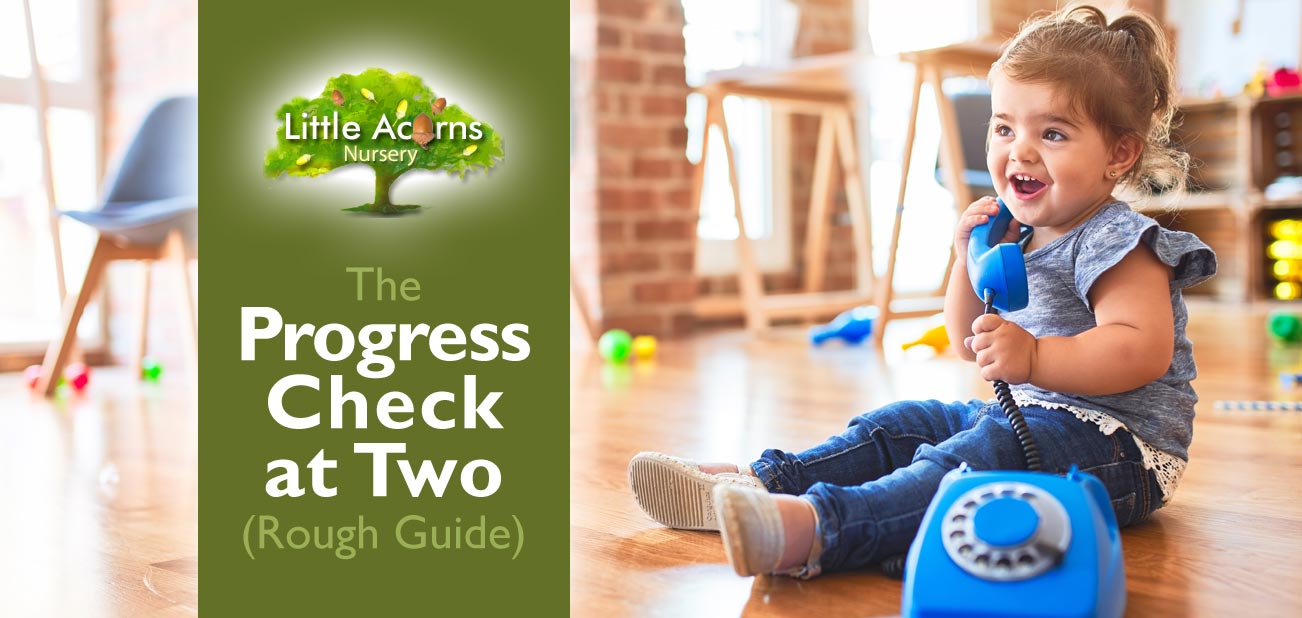
 Every 2-year-old attending registered childcare settings in England is subject to what’s known as a ‘Progress Check at 2’. Today we explain what it entails, who is involved and how it benefits little ones. Here’s our rough guide to the Progress Check at 2:
 The Progress Check at 2 should not be confused with the Healthy Child Programme’s 2-Year Review that 2-year-olds also undergo around the same age. While the ‘Progress Check at 2’ looks at the child’s learning and development progress and is the topic of today’s guide, the separate ‘2 Year Review’ is more about the child’s health and wellbeing and is undertaken by healthcare professionals like health visitors. They will look at things like overall health, immunisation uptake, physical and mental health and development, overall wellbeing and support levels from parents, carers or guardians.
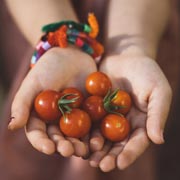 and that’s just one of many reasons why little ones should be encouraged to learn about sowing seeds and growing their own plants. Today, we’re taking that a step further by explaining how children can grow plants that will give them real, edible food! With a little planning, care and effort, children can grow herbs, vegetables and even fruit if they put their minds to it. What’s more, it’s possible without a garden and needn’t cost a penny!
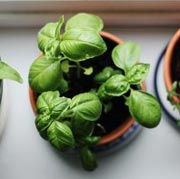 That will never be more evident than when a seed has grown into a plant that bears fruit, which contains more seeds, through which the whole process can start again.
 Seeds for herbs, vegetables and microgreens are all widely retailed in places like garden centres and even some supermarkets. Each seed packet will usually explain when and how seeds can be planted. This is perhaps the most obvious way for children to grow plants that, if all goes well, result in a healthy crop of food. However, we can be far more adventurous than that! Where is the fun in buying seeds in packets when children can get them for free? Let’s take a look at some cheaper and far more creative ways that children can start things off.
 “Free” you say? Well, pretty much! Next time you have some shop-bought tomatoes and/or peppers as part of your ordinary shopping, get your little one to take a few moments to save some of the seeds. These are found within things like tomatoes, before they’re eaten, and are usually discarded in the case of peppers. Such seeds can simply be spaced out on some compost or earth, watered in and a thin layer of soil or compost added on top. If these are left on the windowsill and the earth kept moist by the child over the coming days, little seedlings will soon start to appear.
 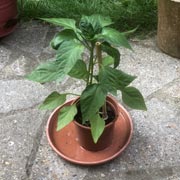 The image of the green plant shows our pepper seedling grown in this exact way — and it was incredibly easy to achieve. Ours is about 3 or 4 weeks old and it’s just about ready to be “planted out” outdoors, to mature. Once mature, they should flower then sprout some new peppers! It’s identical for tomatoes. If children have no garden for larger plants to be transferred to, ‘grow bags’ or any kind of suitable container can be used on a patio or balcony. Children will need to keep watering them every day, to keep the soil moist. Flowers will eventually appear and, with a little help from bees and insects, will be pollinated so that they eventually ‘fruit’. If appropriate care and attention continues, your child will eventually end up with vegetables that can eventually ripen and be eaten. That’s free tomatoes and peppers for the family, in our examples. Don’t forget to remind your child to save a few more seeds, though, so they can repeat the whole process again … and again!