New Pre-School Build Nears Completion
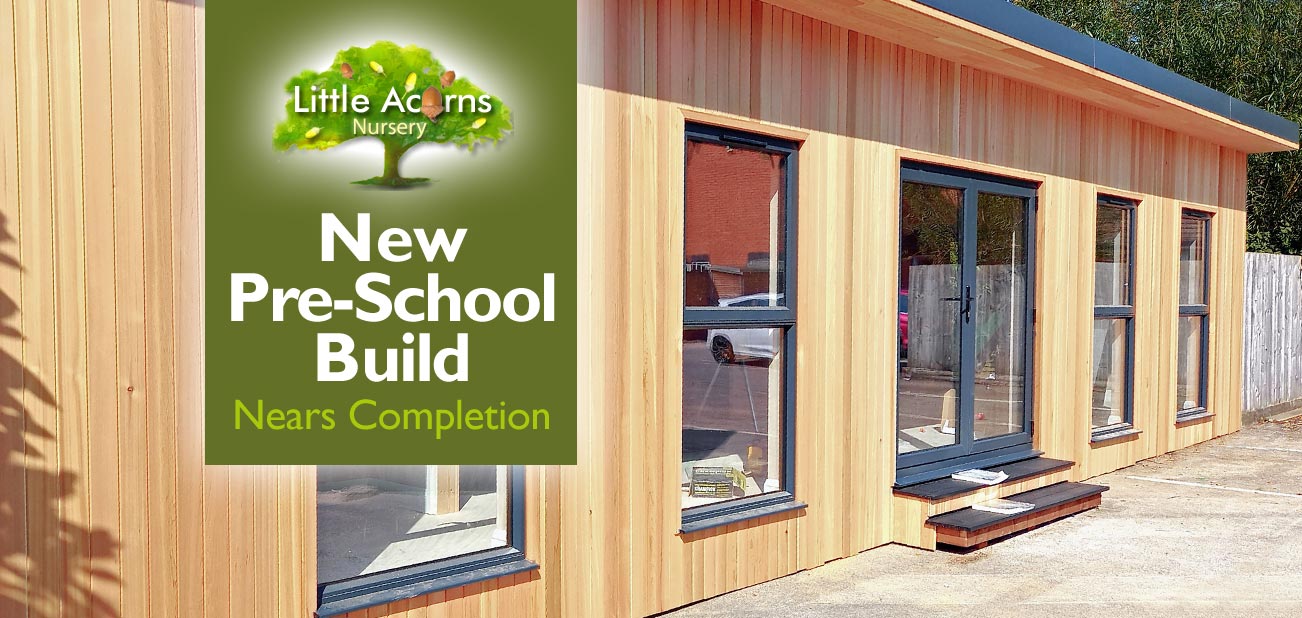
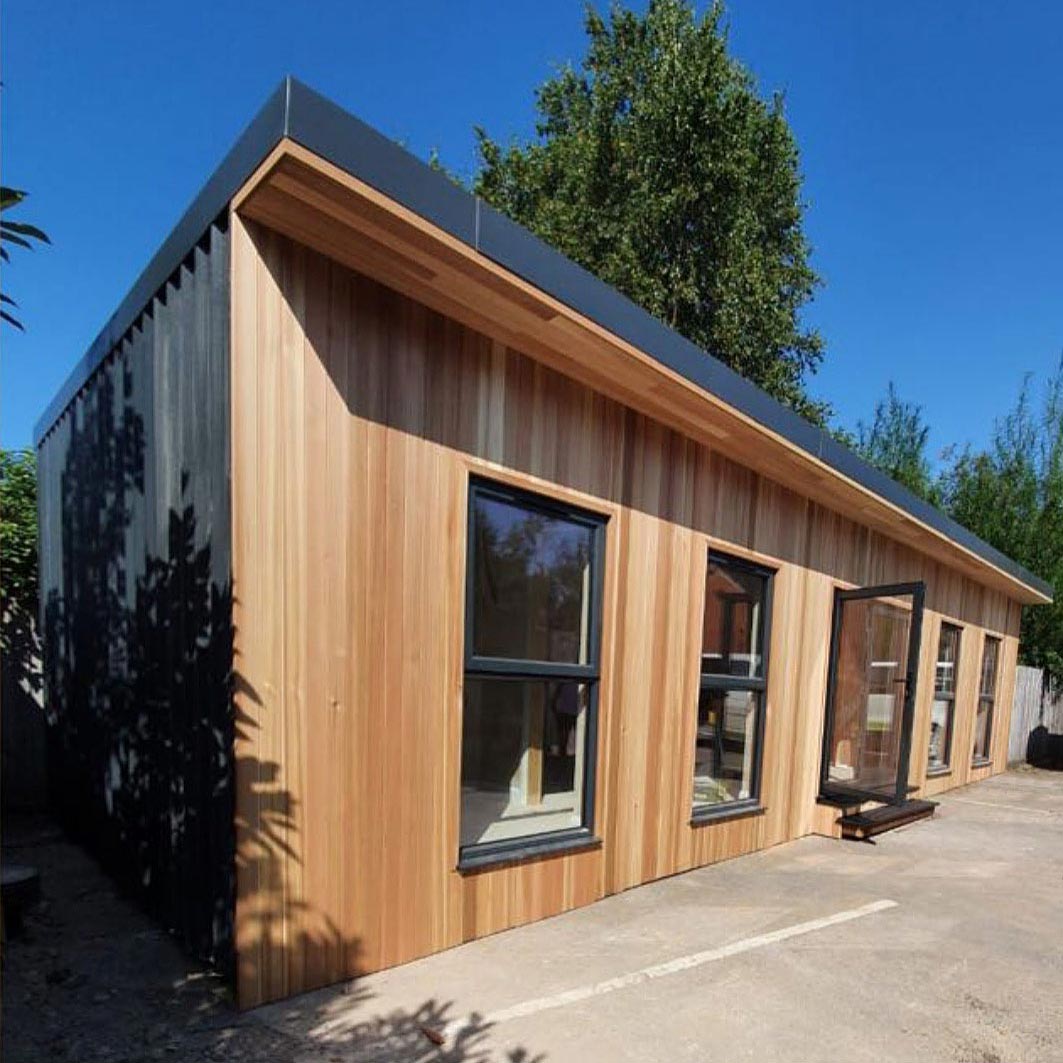 The nursery owners and staff are very excited to show you the new pre-school build, which is making great progress. Take a look at the photographs to see just how good it’s beginning to look, especially now that the high quality timber cladding is almost complete. This is going to be such a lovely new space for the children play and learn in.
A New Home for Our Pre-School & Forest School
The new build is going to be used as our pre-school area and also as our Forest School unit. So, a lovely timber finish is rather apt when you think about it. Our children will also find its attractive design and finish very appealing and much more exciting than a standard, brick-built unit. The building even has its own kitchen area and toilet facilities, so will be very self-contained. However, it has lots of large windows and doors to let the natural light in and will allow easy, free-flowing access for outdoor play when appropriate.
Being a modular, timber-framed construction means …
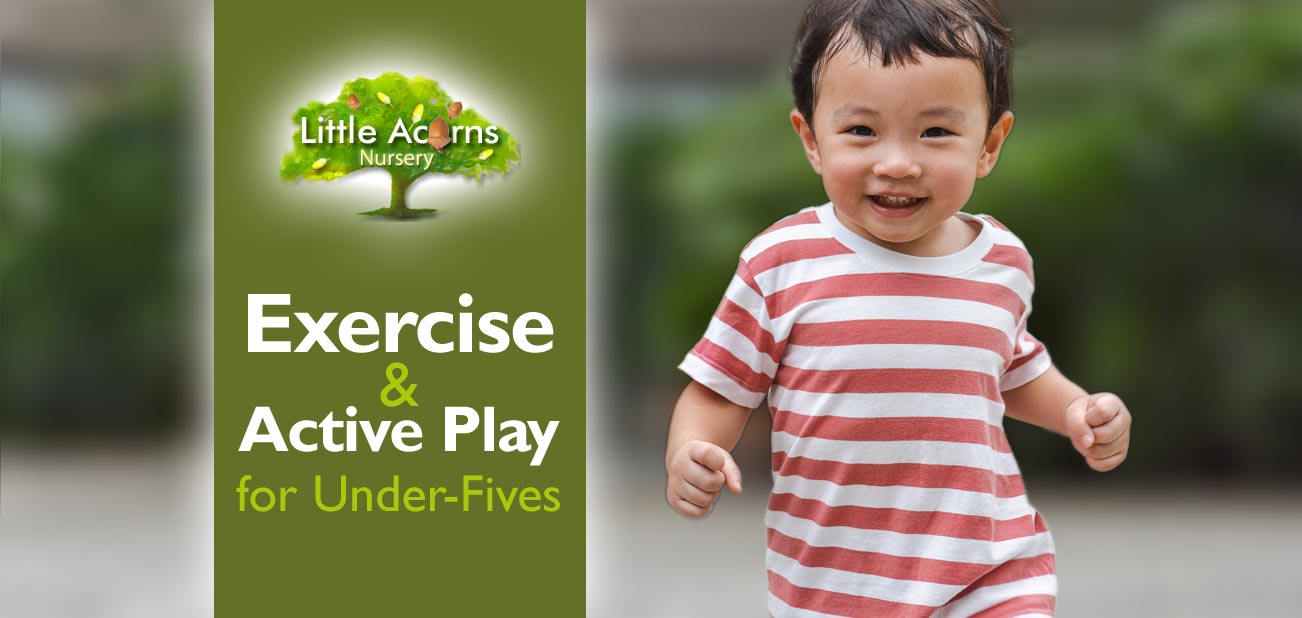
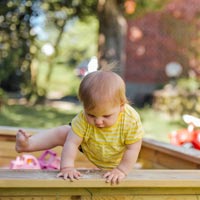 Generally speaking, under-fives should be encouraged to be active. There are many benefits of this including remaining physically fit, getting to know and enhancing physical abilities, honing motor skills (fine and gross) and improving coordination and balance. In addition, it helps the very young to develop visual and sensory skills. Physical activity is also part and parcel of the development of new neurological pathways in the brain. All these skills and benefits will become increasingly important as children grow, develop and become ever-more active and independent.
 Eating a healthy, balanced diet is important at any age. However, during their formative years when they’re still growing, it’s even more important for under-fives. Their young bodies and brains are still developing, so getting the right balance of food types, vitamins and nutrients is essential in order to maintain optimum health, cognitive function and even sufficient energy levels. (Regular exercise is also essential, of course – however, we’ll cover that separately in a future post).
 Communication & Language is the first of the three prime areas of our EYFS-based curriculum. Without good communication and language skills, all other areas of learning could suffer, so these are critically important skills for children to master in their early years. Staff at the nursery therefore encourage rich communications between staff and children — and from peer to peer — from the very first day they join the nursery. Language and communication skills grow naturally to children through engaging, fun activities like role-play, story-telling and question-and-answer games. High quality books and other rich reading materials are also employed by staff to read with children in an interactive way. Using these kind of approaches helps children to learn new vocabulary and grammar, to improve reading and comprehension and to almost effortlessly broaden their language and communication skills as they grow.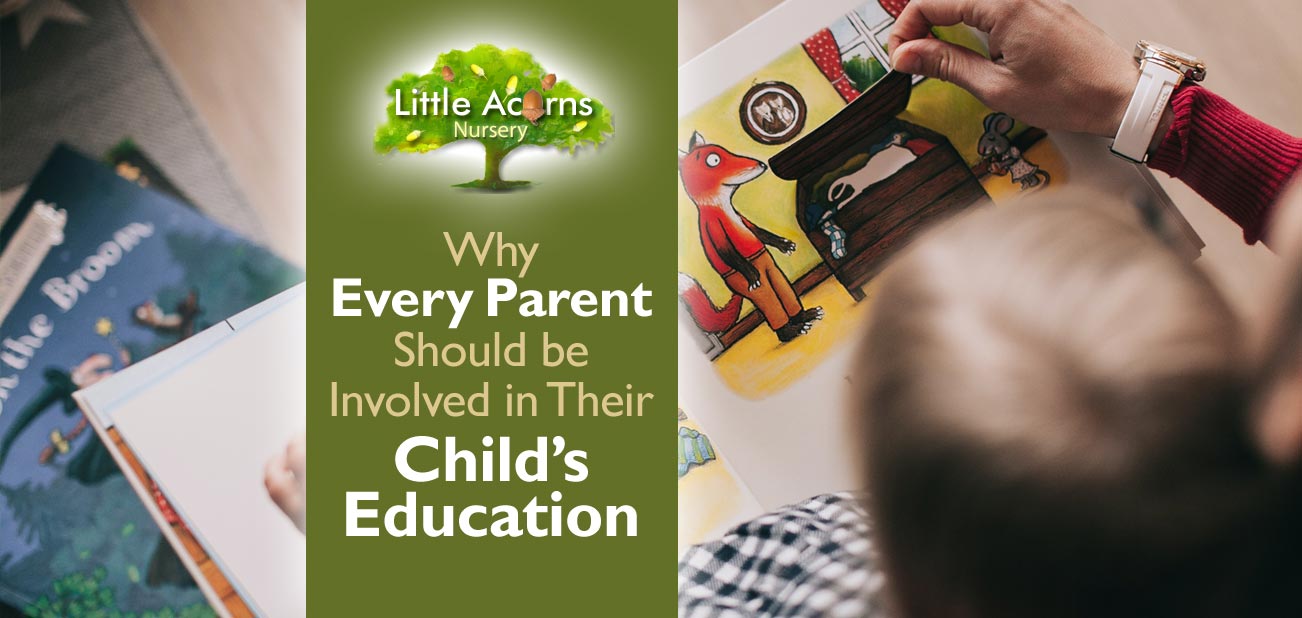
 Indeed, parents can be thought of as key to their children’s success, if they support children’s education in the right ways. We’ll go through exactly what that means, along with some of the many benefits, in this article.
 Little Acorns Nursery offers Forest School sessions and, indeed, was the first childcare setting in the Chorley area to offer them. Many parents understand that ‘Forest School’ offers children outdoor discovery sessions where they can explore nature and all that the Great Outdoors has to offer. However, what’s it really about? What is the ethos behind it? How did it come about and what is its history? Perhaps most importantly, what are its benefits to children? Here we’ll answer all those questions and more, in our Ultimate Guide to Forest School.