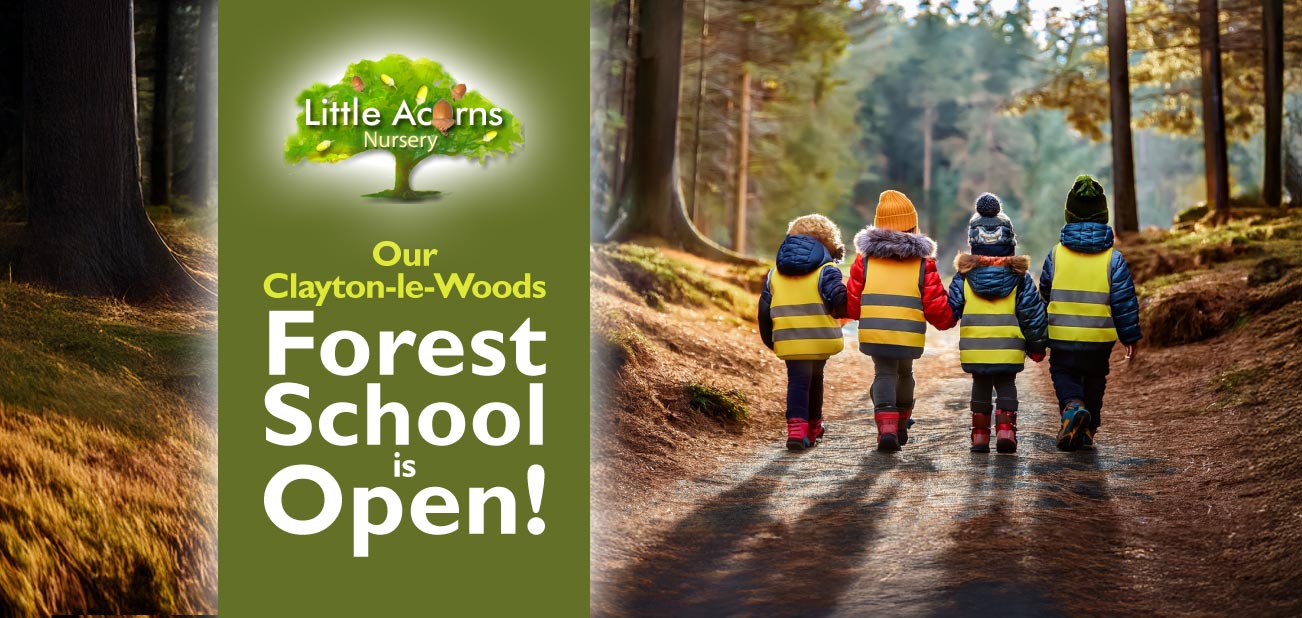
 We’re delighted to share some very exciting news: our much-loved Forest School in Clayton-le-Woods re-opens in Spring (2026). After dedicated staff training, careful preparation and thoughtful planning, we’re ready to welcome children back to outdoor learning — and we know it’s something they will be extremely excited about.
Forest School has always been an important part of who we are as a nursery. In fact, we are proud to have been the very first setting in the area to establish a Forest School, and it quickly became a highlight of the week for our children. Bringing it back now feels like a natural and meaningful step forward, rooted in the proven belief that young children thrive when they are given time, space and freedom to explore the natural world around them. Indeed, spending time in and around nature is profoundly beneficial to children.
A Natural Choice for Our Nursery & Children
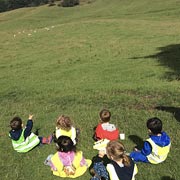 Our nursery is surrounded by local parks, green spaces and natural open areas, making Forest School a perfect fit. What’s more, nature is already part of daily life here, and Forest School will allow children to experience it more deeply and more intentionally. They are naturally curious and want to touch, observe, ask questions and make sense of what they see around them. Being outdoors opens up the enormity of the natural world to them. It gives them opportunities to notice changes in the seasons, discover plants and wildlife, better understand the circle of life, and their place in the world. It helps them develop a real sense of connection to their environment, and their power and responsibility over it. Those are all things that would be difficult to replicate indoors alone.
Safety FirstForest School’s re-opening follows comprehensive training for our team, alongside detailed preparation of activities, routines and risk assessments. Safety is, of course, always our top priority. Sessions are well supervised, thoughtfully structured, and designed to support exploration in a calm, nurturing, and safe way. |
What Forest School Is All About
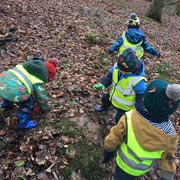 Forest School is a child-centred approach to learning that takes place outdoors and encourages children to explore, investigate, and learn about the natural world through hands-on experiences. Sessions are led by trained practitioners and are carefully planned to be age-appropriate for under-fives. They allow children to learn about nature, build new skills, learn to assess risks, and grow in confidence and independence.
Forest School isn’t about rushing or achieving a set outcome. It’s about giving children time — time to wonder, to try, to persevere and to feel proud of what they can do — all at their own pace.
Supporting Development, Confidence & the EYFS
 Forest School offers rich opportunities for learning across all areas of the Early Years Foundation Stage. As children climb, balance, build, dig, collect and create, they naturally develop physical strength, coordination and problem-solving skills. They learn to communicate with one another, take turns, share ideas and work together, supporting social and emotional development in a meaningful context.
Being outdoors also supports children’s emotional wellbeing. Nature has a calming influence, helping children to regulate their emotions, build resilience and develop self-confidence. Whether a child is energetic and adventurous, or quieter and more reflective, Forest School offers something valuable for every personality and learning style.
Learning About Nature, Responsibility & Our Place in the World
Spending regular time in nature helps children build an understanding of living things — plants, animals and insects — and how they all play a role in the world around us. Through observation and gentle guidance, children begin to develop empathy and respect for flora and fauna, learning that all living things need care and consideration.
Forest School also supports early understanding of responsibility towards the environment and one another. Children learn that their actions matter, helping them develop a sense of stewardship for the planet and a growing awareness of their own place within it. Such early experiences lay important foundations for values such as kindness, responsibility and respect.
Forest School Beyond the Woodland
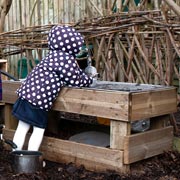 Forest School is not limited to time spent outdoors for children at Little Acorns Nursery. The Forest School approach is also reflected throughout our nursery environment, both indoors and in our garden and grounds. Natural materials, open-ended resources and opportunities for exploration are woven into everyday play, allowing children to continue their connection with nature — whether indoors or outside.
This consistency helps children feel confident and supported, reinforcing learning and curiosity across multiple areas of the setting.
Discovering Nature in Every Season
Re-opening Forest School means children will initially experience the unique magic of nature in winter. Frosty mornings, muddy puddles, bare trees and changing weather all offer rich learning opportunities that will inspire meaningful — and often profound — conversations. Forest School is a year-round experience, though. So, as the seasons pass from winter, through spring and summer into autumn, each will bring new discoveries and moments of wonder to the children in our care.
A Special Part of Nursery Life
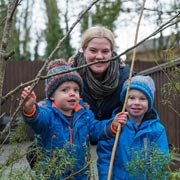 For families already with us, Forest School adds another enriching layer to the care and education your child receives. For those considering joining our nursery, it’s one of the many reasons we believe our setting offers something truly special. Being able to offer Forest School — especially as a nursery that pioneered it locally — reflects our commitment to high-quality, thoughtful early years practice.
After all, childhood is about curiosity, connection and discovery — and there is no better place to begin than in nature itself. Learn more about Forest School in our ultimate guide here.
Contact Little Acorns Nursery
Clayton-le-Woods, Chorley
 The whole team at Little Acorns Nursery is incredibly excited to see Forest School come back to life this spring. We can’t wait to watch our children grow, learn and flourish outdoors. If you’d like to find out more about Forest School or our weekday childcare services for under-fives, contact us, speak to our team, or come and see us; we’ll be delighted to tell you more.
Little Acorns is a childcare nursery in Clayton-le-Woods, Chorley, but may also suit families living close by, for example, in Clayton Brook, Clayton Green, Bamber Bridge, Lostock Hall, Penwortham, Buckshaw Village, Thorpe Green, Pippin Street, Whittle-le-Woods, Farington, Euxton, and Leyland.
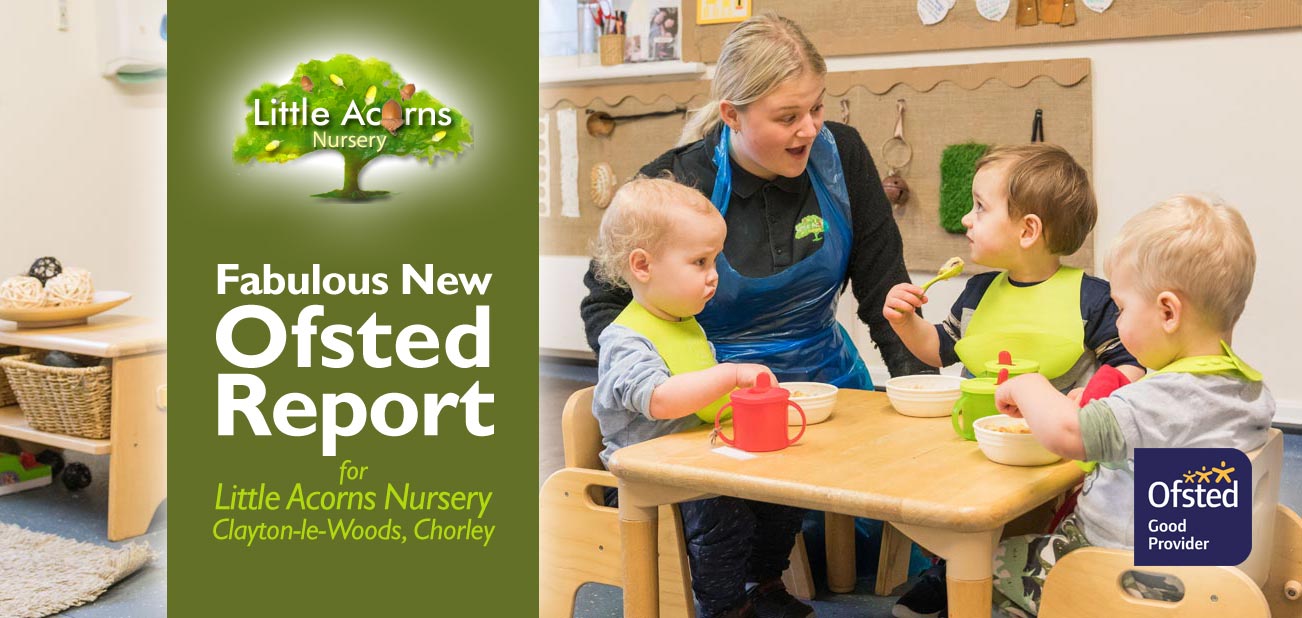
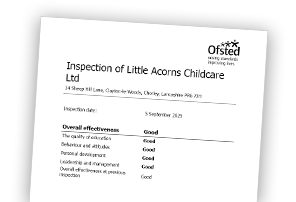 Overall effectiveness: Good

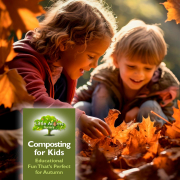
 As the bright days of summer give way to crisp autumn air, parks, gardens, and pavements begin to fill with a carpet of crunchy leaves. For children and under-fives, autumn is one of the most exciting times of the year. With the landscape so full of textures, sounds, and colours, it’s the perfect time to get outdoors, explore, and learn about the natural world. It’s also the ideal time for them to begin a simple but deeply rewarding project: composting. In today’s post, we outline how children can approach this wonderful activity and explain its significant benefits.
 Composting is a wonderfully simple, hands-on activity that provides children of all ages with an opportunity to enjoy the outdoors and connect with nature. It will introduce big ideas about recycling and responsibility in a child-friendly way, teach patience, and make good use of all those autumn leaves. Best of all, it’s fun, messy in all the right ways, and will lead to fascinating discoveries — from the changing smells of the compost heap to the tiny minibeasts that wriggle in to help the process along. Composting is also an activity that can be done with just a little guidance from grown-ups.
 Spending time outdoors gathering materials will not only help children understand where natural resources come from, but it will also give them valuable time in the fresh air, where they can move, play, and make discoveries. At this age, such experiences are vital for confidence and development. And because composting is a gentle, ongoing project, children can revisit it over weeks and months, and watch as nature slowly transforms what they collected into something new and incredibly useful.
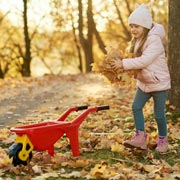 It encourages children to care for the environment and understand recycling in its most natural form.
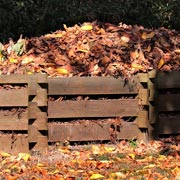 Composting shows children how cycles work in nature — how things grow, fall, break down, and then help new life grow again. This is an early introduction to science and sustainability in action.
 Head outdoors with a small bucket or bag and invite your child to gather leaves, twigs, and other natural “treasures.” Encourage them to notice the crunch, colour, and shapes of the leaves. Kitchen scraps can also be sourced from indoors, for example, apple cores, banana skins, and vegetable peelings from mealtimes.
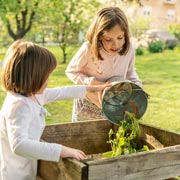 Show them how to tip the scraps into your compost heap, bin, or tub. Explain that the pile needs a mix of “green” (like fruit and vegetable peelings and grass cuttings) and “brown” (like dry leaves and cardboard) to work properly. Young children will enjoy the action of sprinkling, layering, and patting it all down. It’s a great moment to remind them that all living things eventually return to the earth — and through composting, they can see that process step by step.
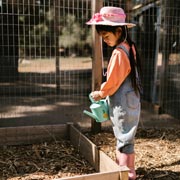 Sometimes compost can dry out. You might therefore encourage your child to sprinkle a little water with a small watering can. Every few weeks, show them how to “stir” the compost gently, for example, with a small trowel or child’s spade — this lets in air and helps it break down.
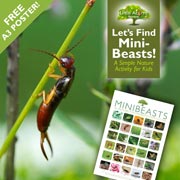 Encourage your child to check the compost regularly. Ask what they can see, smell, and feel. Over time, the compost heap will shrink and darken in colour. Your child may begin to spot minibeasts like worms, beetles, woodlice, and centipedes — all busy at work breaking down the compost pile. This is a brilliant moment to draw your child’s attention to our
 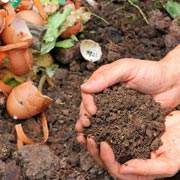 After a few months, the compost turns into a dark, crumbly, earthy material. This is the finished product, which is perfect for feeding plants. Involving your child in scooping and spreading it onto flowerbeds or into plant pots helps them see the complete cycle: from scraps to soil, and then back into growing things again. This is a lovely moment of achievement — through their endeavours, they have produced something valuable that will feed plants in the year ahead. It’s the perfect way to show children the cycle of seasons and how nature gives back when we take care of it.
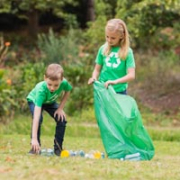 By introducing composting at a young age, you’ll plant more than just seeds in the soil — you’ll plant ideas in your child’s mind. They’ll learn that waste can have value, that patience is rewarded, and that nature is full of tiny helpers working behind the scenes.

 In their earliest years, children’s brains are doing a phenomenal amount of developing. At this stage, little ones understand far more than they can express, and they’re learning to handle powerful emotions without the calm reasoning skills adults (mostly) have. The part of the brain responsible for emotional control is still under construction, so when they’re hungry, tired, frustrated, or simply want something right now, they can easily become overwhelmed. In short, they’re not trying to give you a hard time. They’re having a hard time.
 It’s not always easy as a parent, but your own composure is key. A calm, even tone and steady body language tell your child that you’re in control, even if you feel anything but. Also, try avoiding lengthy explanations in the heat of the moment — too many words can overwhelm an emotional toddler.
 The nightmare scenario: You’re halfway down the biscuit aisle when your toddler takes an unhealthy shine to a chocolate-covered, sugar-filled snack that’s really not going to be good for them. So, you say no. They flop to the floor, wail at a volume that seems to fill the entire supermarket, and protest in a dramatic fashion that catches the attention of every shopper in the vicinity. Not only is your child in full, public, tantrum mode, but you’re also going to feel judged!
 Scenario: At home, your child sees their sibling or a friend playing with the toy they absolutely must have right now. They shout, try to grab the toy, and then the sobbing begins.
 Scenario: Dinner is served, and your child takes one look at the plate and decides it’s the worst thing that’s ever happened to them. Cue gesticulating arms, shouting and, in all probability, some dramatic sliding under the table.
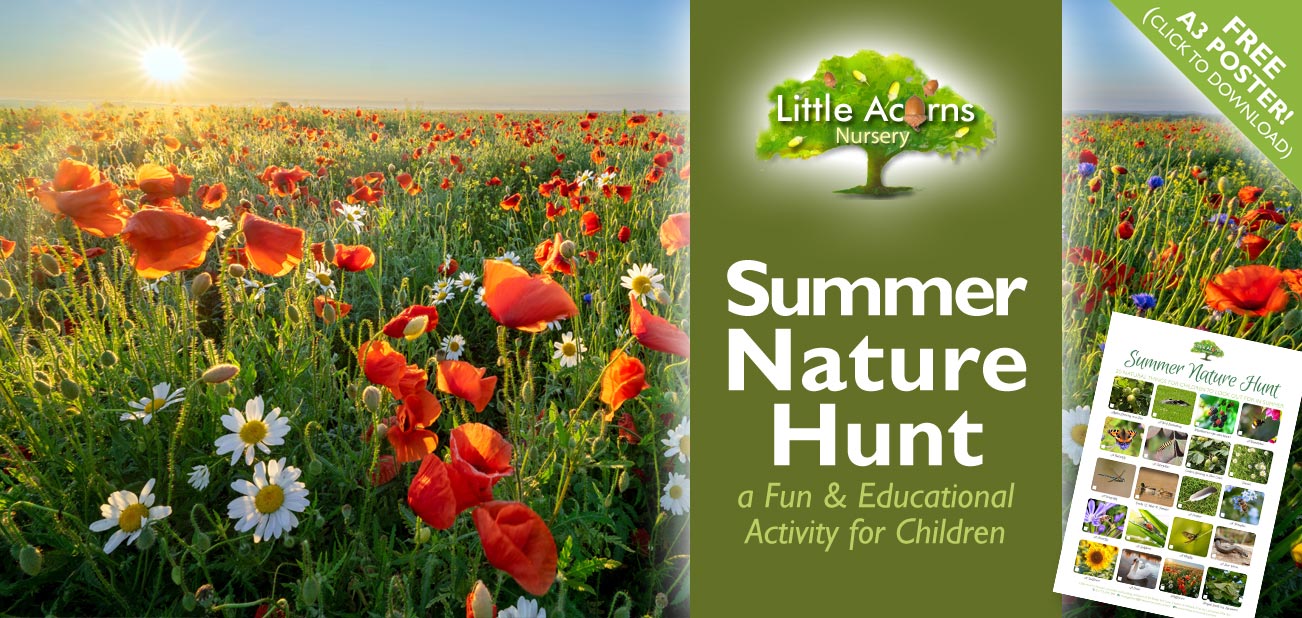
 Summer is a wonderful time for children to get outdoors. There, they can breathe the fresh air, benefit from being closer to the natural world, and escape from electronic screens. Nature is incredibly good for children as well as adults (more about that later). A simple way to encourage little ones outdoors is to take them on an exciting and educational nature hunt! There are many fascinating things to look out for during the summer months including butterflies, caterpillars, bees, beautiful wildflowers and much more. A summer nature hunt will open their eyes and minds to the wonders of nature’s flora and fauna, lead to educational conversations with accompanying adults, and be an enjoyable and educational activity. Within all that in mind, we’ve put together a free Summer Nature Hunt poster that will give children and families an idea of what to look out for during the warmer months of summer — and serve as useful visual reference. The poster is free to download right here in this blog post (see below). Once printed out, it can be displayed large on children’s bedroom walls or taken along during the activity — perhaps reduced to a convenient size like A5. Children can use the little tick boxes to tick off each item that’s been spotted. So, venture out little ones — see how many wonderful things you can spot in the natural world this summer!
 Many of the adorable creatures featured in the poster will be easy to spot at this time of year. Bees, hoverflies, and other pollinators are common to see where flowers are blooming. Butterflies are both stunningly beautiful and at their most abundant during July and August each year, so are sure to delight children with their fabulous colours and patterns. Delightful ladybirds are also rather abundant right now (time of writing: mid-July). Wildflowers like poppies and daisies always make the world a more beautiful place, so they’re a wonderful thing for children to discover too.
 Has your little one ever seen apples growing on a tree? All that blossom from earlier in the year has now given way to little green apples that will grow and ripen as we head further into the year — eventually becoming ready to fall or be eaten come autumn. It’s a great example to show under-fives where some food comes from and explain why pollinators are so important.
 We must also mention slow worms. Now we will be honest here: they’re quite a challenge to spot as they’re very shy and incredibly silent. They may hide in long grass, under grass cuttings, in the undergrowth, and in compost heaps. They are likely to come out only to warm themselves in the sunshine. That’s because they are essentially cold-blooded and legless lizards rather than any kind of snake. Children will have to be very lucky, patient, stealthy, or have deliberately made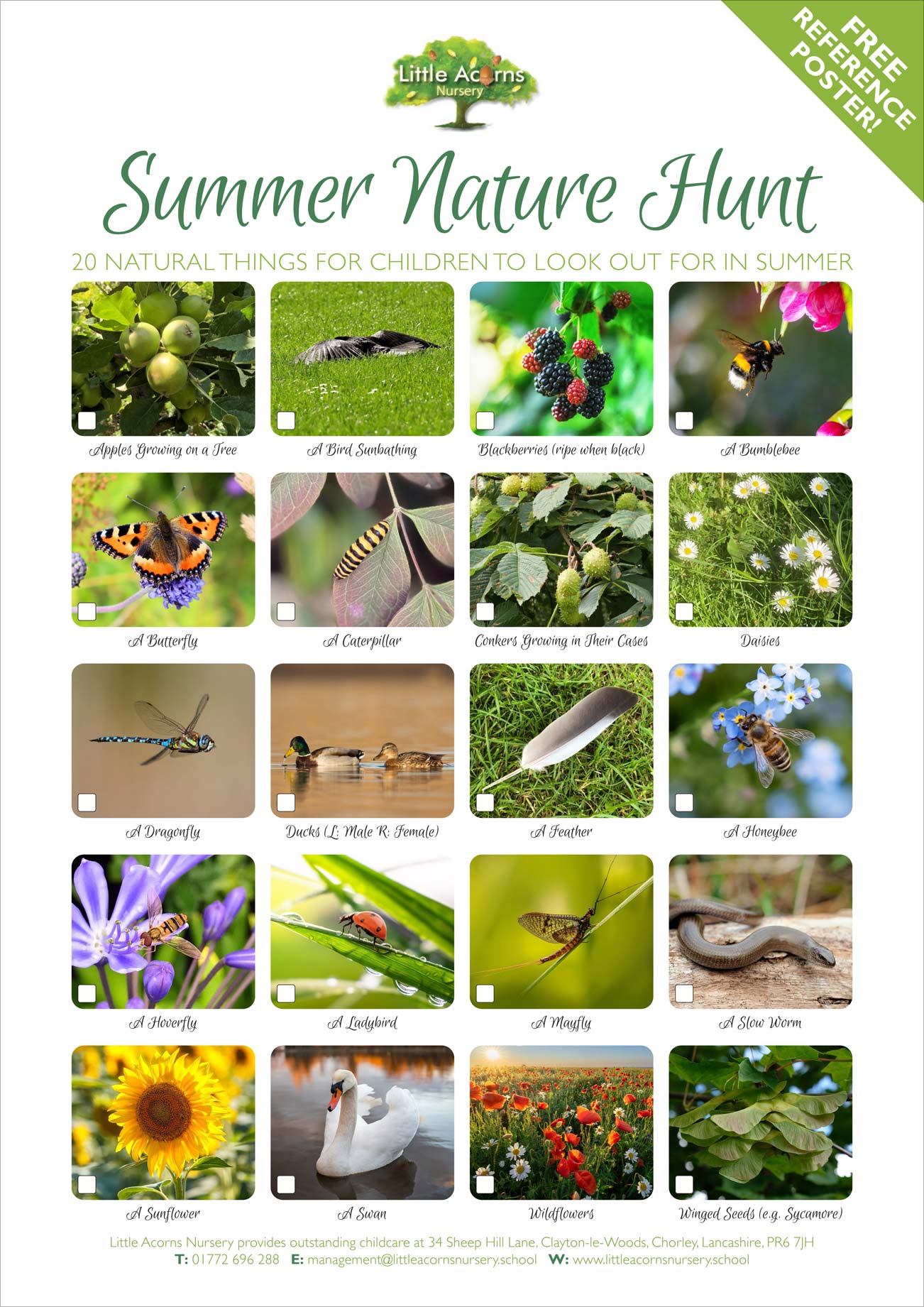
 As we said in the introduction, spending time in and around nature is incredibly beneficial to children of all ages. Studies have proven a myriad of benefits, in fact. Just a few examples include a lowering of stress and anxiety, improved motor skills, greater knowledge of the world (and children’s place within it), improved empathy for other living things, a feeling of greater responsibility for nature’s flora and fauna, a development of often lifelong greener values and choices, and even improved academic grades! These are just a few examples — the benefits of spending time closer to nature are incredible. Learn more about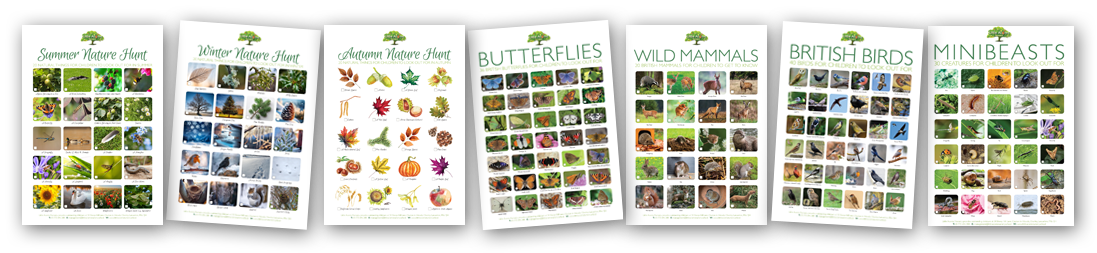


 In September this year (2025), free childcare for eligible working families expands to 30 hours per week for children as young as just 9 months. Little Acorns Nursery in Clayton-le-Woods is supporting the funding scheme too. Taken usually over 38 weeks* of the year, it means a generous 1140 hours of funded childcare will be available to eligible children in Central Lancashire over the course of a year. For the first time, the funding will cover eligible babies aged from only 9 months and children up to 2, the scheme having previously rolled out to eligible 3-and-4-year-olds last year. An urgent factor to be aware of, however, is that the funding application deadline is only weeks away for those wanting to start in the September 2025 term. So, whether you’re thinking of applying at Little Acorns Nursery or elsewhere, don’t delay your application any longer if you want to access the free funding from September. If your child is eligible and you do not apply by the deadline, your child will not be able to access the free funding for the entire September term. Read on to learn more about the new funding for eligible working families, the deadlines for applications, and the rules that apply.
 Helping to make childcare more affordable for working families;
 You can apply for funded childcare for eligible working families as soon as your child reaches the age of 23 weeks (that’s just over 5¼ months). If successful, they’ll be able to start using their free childcare hours the term after they reach the age of 9 months. Depending on when that occurs, they’ll be able to start accessing the funded childcare from either the 1st of September, the 1st of January, or the 1st of April, with application deadlines for each being the day before.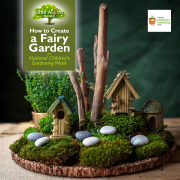
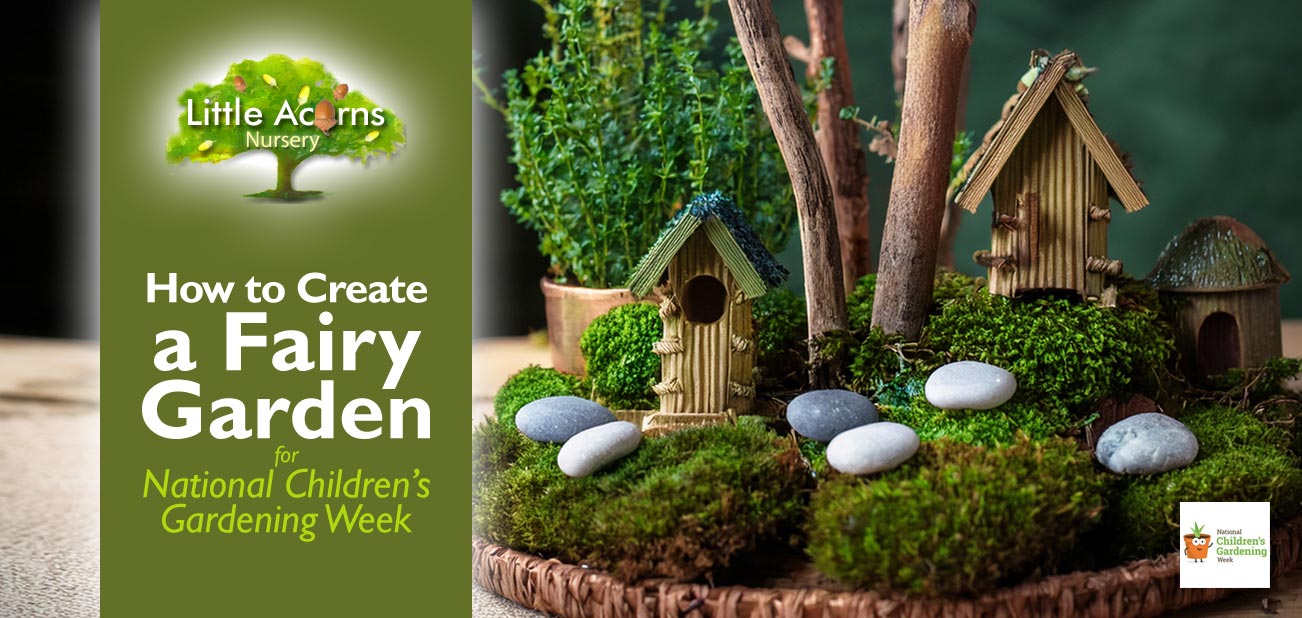
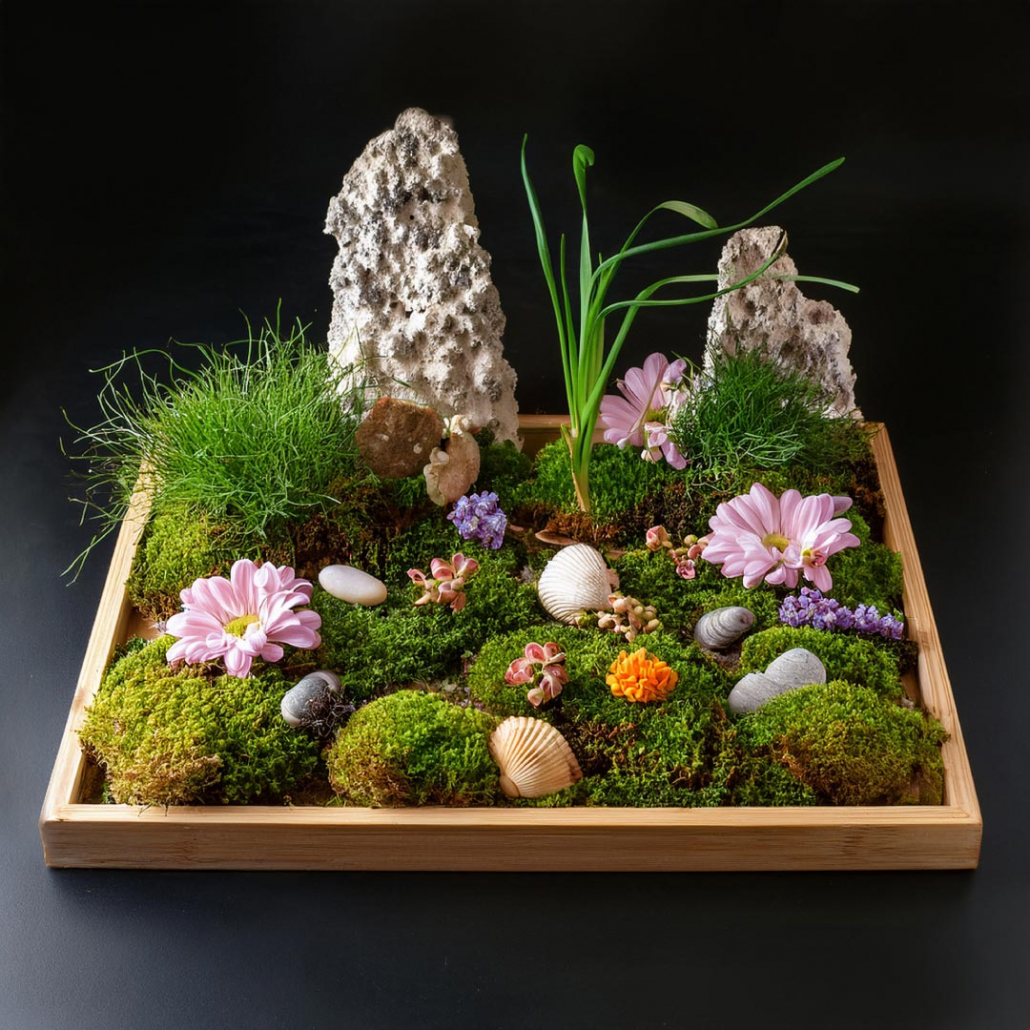
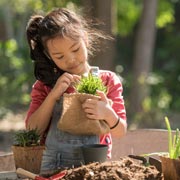 National Children’s Gardening Week arrives in late May and is the perfect time for young children to get involved in gardening activities. In celebration of the event, we describe a wonderful gardening-related activity that’s small-scale, easy, fun, and educational — perfect for little ones! The finished result is also rather magical and, once complete, lends itself to imaginative play. Today, we outline how children can make their own miniature fairy gardens. These are a great way to introduce little ones to creative gardening at a child-friendly scale. Under parent supervision* and largely using scavenged materials from outdoors, under-fives can let their imaginations run free and get creative! What’s more, the results are simply enchanting and will bring magic and a whole lot of delight to young children!
 National Children’s Gardening Week begins on the 24th of May this year (2025) and runs until the 1st of June. The timing is no coincidence as it’s generally a warm week and therefore perfect for gardening and growing plants and flowers. What’s more, it also spans the half-term school holiday that most schools recognise in the last week of May.




 Little learners, get ready – it’s almost time to buzz into action for World Bee Day! The annual event arrives in May and it’s a brilliant opportunity for children and families to get involved in something meaningful, fun, and full of learning opportunities.
 World Bee Day is celebrated every year on 20th May to raise awareness of the vital role that bees and other pollinators play in our world. From helping plants grow and supporting the food we eat every day, bees are some of nature’s hardest workers – and they need our help to survive and thrive.
 “Bee inspired by nature to nourish us all”
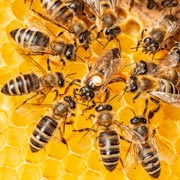 Getting involved in World Bee Day isn’t just fun — it also supports many areas of the Early Years Foundation Stage (EYFS), helping children learn and grow in meaningful, hands-on ways. Here are just a few ways bee-related activities can support early development:
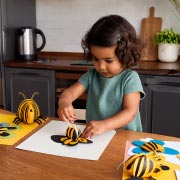 Expressive Arts and Design: Making bee crafts, drawing flowers, role-playing as working bees, or moving like insects in a dance — all help develop creativity and imagination.
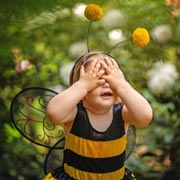 There are so many fun and simple ways for little learners to join in with World Bee Day! Here are a few activities that are perfect for children under five — each one encourages creativity, curiosity, and care for nature while also supporting the EYFS.
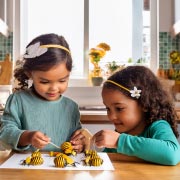 Using paper plates, cardboard tubes, egg cartons or recycled materials, children can create their own bees! Add wings, stripes, googly eyes and antennae for a hands-on creative session. These are wonderfully creative activities that will boost several areas of the EYFS including Expressive Arts & Design and Physical Development.
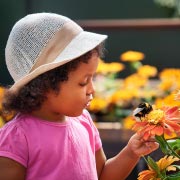
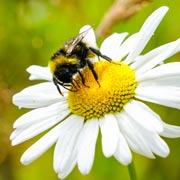
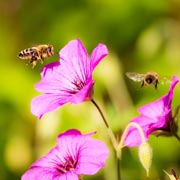 Explore the garden or outdoor space and, without disturbing them, see what pollinators your child can spot. Can they see any bees? What colours and flowers do they seem to like best? Are they collecting nectar? What type of bees are they? Bumblebees are super cute. Honey bees are super-hard workers and do so much for the world. A bee-spotting activity is a great opportunity to explore areas of the EYFS that include Understanding the World and Communication & Language.

 When April is on the horizon, there is a buzz amongst parents whose children will receive school offers that month. It’s quite a milestone in the lives of families as it’s the time they’ll find out if their children have received an offer for their top school choice. If not, will they be offered another “preferred” school listed lower on their application? It will often have felt like a long wait to find out the results, too, with families having applied in mid-January or potentially months earlier. Because we are an early years nursery, today’s guide focuses on primary school offers. We’ll explain in detail when to expect your child’s primary school offer, criteria that may have affected it, and your options if you’re not happy with the school place offered. To keep things as simple as possible, we’ll concentrate on applications for a standard school start date in the September term (rules and dates for ‘in-year’ applications are slightly different). If your child is due to start primary school this year, take a look.