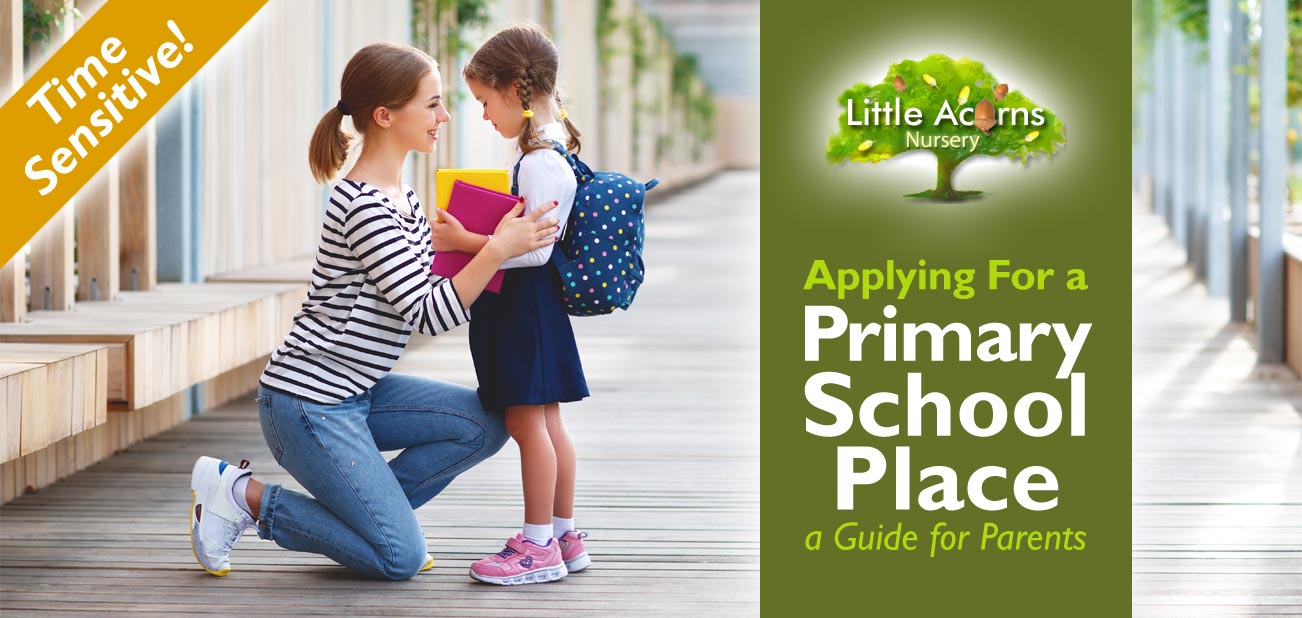
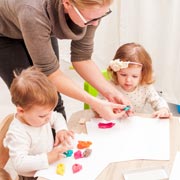
 If your child is 3 or, at the latest, has just turned 4, it’s time for you to apply for their primary school place. What’s more, you only have until about mid-January to do so. That’s all true whether you intend them to start school at 4 or leave it until they’re 5. In today’s guide, we explain the rules around applying for a primary school place, the key dates you need to know, what to expect, and the various options open to you and your child.
When to Apply for a Primary School Place
Applications for starting at Primary School need to be made when your child is 3 or, as we said above, has just turned 4 at the very latest. When they have reached this age range, the application needs to be submitted during the period between the 1st of September of the current year and the 15th of January of the next year. So, at the time of writing (October 2024), applications are already open and parents have until 11:59 pm on the 15th of January 2025 to apply. Don’t leave it until the last minute, though, just in case there are technical issues if applying online or postal delays if using the paper version of the application form.
Legal School Age & Your Child’s Starting Options
‘Compulsory School Age’, the legal age by which children must begin school, is the 31st of December, March or August (whichever of those arrives first) after they’ve turned 5. However, starting earlier is also an option and one that is taken up by many.
Starting ‘Early’ at 4
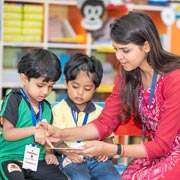 Most children in England start primary or infant school earlier, in ‘Reception’ year. For most, this will be in the September term when they’re still only 4. That’s just one reason why applying for a primary school place is so important while they’re only 3 or, at the very latest, have just turned 4.
Whether a child begins school at 4 or 5 depends on several factors including the preference of the child’s parents. Some parents, particularly those with a child whose birthday falls between the 1st of April and the 31st of August (a “summer-born child”), may simply feel that their child is not ready to begin school at the age of four. If born during this date range, they would be amongst the youngest in the year. In such a scenario, parents can decide to defer the child’s start to the later, legal, age of 5 if they so wish.
Deferring Until 5
Where parents do decide to defer their child’s school start to the age of five, it’s worth noting that local admission authorities and schools can decide whether the child will begin school in Reception Year (effectively Year Zero) or Year One. This decision will need to be carefully made, taking into consideration the best interests of the child. For example, their specific needs and abilities will be a factor. Whether it’s best to begin school in Year One with contemporaries mostly of the same age or go into Reception Year with children who are mostly younger, to ensure they have the basics, will be among the various deciding factors. Learn more about deferring until five here.
Note that summer-born children deferring until the following year may be required to submit an extra application form by the same mid-January deadline.
How & Where to Apply for a Primary School Place
 Registering an interest that you’re interested in a particular primary school is sensible and, indeed, may result in the school supplying some useful information. However, it will not guarantee your child a place even if it’s attached to their nursery or preschool. You therefore need to make your official application through your local authority, which can be identified here by entering your postcode. Once identified, navigate to their site using the green button supplied after your postcode search. For example, if you live locally to Little Acorns Nursery near Chorley, you would arrive at Lancashire County Council’s primary school portal. As that example shows, local authorities supply lots of information about applying — indeed it’s an absolute mine of information – along with a simple button or link to actually begin your application for a primary school place for your child.
You may need to quickly first register with the system if you have not used it before, or enter your User ID and password if you already completed that process. Once applying for a primary school place, you’ll need to enter the kind of information you’d expect (name, address, details about your child including their permanent address, etc.) along with confirmation of whether they will already have a sibling attending any of the schools you are applying for once they start, plus the name of their Local Care Authority if they are receiving care, and so on.
Note that you may need to submit a supplementary information form in some circumstances, for example, with some church/faith schools.
Top 5 Tips for a Successful Application
 Research your local primary schools, visit them to get a feel for them, and ask teachers and heads any questions you may have. Schools often have open days or evenings or accept appointments for these purposes.
- Check if any of those that you’re considering applying for are usually very oversubscribed before submitting your application. Doing so will help to ensure that you submit choices that are more likely to succeed. You can usually contact your local authority and/or schools to discuss such likelihoods as they will be able to access historical data. Ensure at least one of your three choices stands a realistic chance of success i.e. is unlikely to be oversubscribed although, of course, nothing is guaranteed.
- Make use of all three of your school preferences available during the application process. Don’t be tempted to put the same school for all 3 of your choices. Doing so will not increase your chances of obtaining your top choice and will obviously mean you have no viable second and third choices, leaving you more open to disappointment.
- Be sure to enter a valid email address that you have access to during the application process. This will allow you to receive your school offer as soon as possible once released in April of the following year, rather than having to wait for a postal notification.
- Don’t be late with your application. Priority for school places is given to those who applied on time.
 Research your local primary schools, visit them to get a feel for them, and ask teachers and heads any questions you may have. Schools often have open days or evenings or accept appointments for these purposes.
What Happens if You’re Late With Your Primary School Application?
What happens if you are applying for a primary school place for your child, want them to start in the standard September term, but miss the mid-January application deadline? In this scenario, you’ll need to fill in a ‘late application’ form. This will be available via your local authority website. Note, however, that priority for primary school places will be given to those who applied on time. This means that late applicants stand less chance of achieving their desired choice of schools because, potentially, there may no longer be available places by the time the late application is processed.
What if You Want to Change Your School Choice After Applying?
Sometimes, for one reason or another, a parent will wish to change the choice(s) they originally applied for. In such a scenario, check your local authority website for guidelines, which may require use of an alternative application form or, if beyond the mid-January deadline, even a ‘late application’ form. Again be aware, though, that applying (or re-applying) late may lower your choice of achieving your preferred choice(s).
Criteria for School Place Offers
Criteria by which admissions are judged vary a little from school to school, so parents will need to do their own research. However, such criteria have to be transparent and fair and adhere to legislation laid down by the Department of Education (DfE). Generally speaking, the following are typical factors that will usually affect admissions:
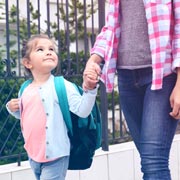
- The child’s proximity to the school;
- Whether or not the child will have a sibling already at the same school;
- Whether or not it’s a church/faith school and whether that matches your child’s faith/religion;
- Whether the child has a parent who has worked at the school for 2 or more years;
- Whether the child qualifies for the Pupil Premium grant, for disadvantaged pupils, or the Service Pupil Premium (‘SPP’), for children of parents in the armed forces. (More info).
 The child’s proximity to the school;
‘Offers Day’ for Primary School Places
 For primary** school places, offers are released around the 16th* of April each year, the exact date depending on whether the 16th otherwise falls on a weekend or public holiday. For 2025, 2026, and 2027, primary school ‘offer day’ will therefore fall right on target on the 16th of April as each is a weekday for each of those years. Those applicants who had applied online, on time, and supplied an email address during the application process, will be the first to receive offers via email. Later the same day, others who supplied an email address will also receive offers via email. Those who applied without supplying an email address will have their offers posted via 2nd Class post, meaning they may find out what school their child has been offered a day or two later than the 16th of April. That said, some local authority portals allow all parents to log in to view school offers online.
** The date of ‘National Offer Day’ for secondary school places is a little different, but today we concentrate purely on primary school places.
* Those parents who apply late, via post, or for a primary school place starting ‘in year’ (rather than in the September term) are likely to receive offers for their children on a different date.
What to Expect on Primary School Offers Day
When it gets closer to April and the Offers Day for primary school places is closer, parents may appreciate our separate guide about what to expect on the day. We have included details about how and when to accept offers, what happens if you don’t accept an offer in time, how to reject them if you feel they are unsuitable, and what your options are if your child has not been offered the school you had hoped for. It also includes how to appeal a decision, waiting list options, and more. To learn more, head on over to our new article: Primary School Offers Day – a Guide for Parents.
The vast majority of parents secure one of their three preferences.
Our Clayton-le-Woods Nursery Gets Children ‘School-Ready’
 Little Acorns is a fabulous nursery and preschool in Clayton-le-Woods, near Chorley. With wonderful facilities, extensive grounds, and caring ‘early years’ practitioners, we nurture children to bring out the best in each area of their learning and development. In this way, we help them to become as ‘school-ready’ as possible by the time they leave us to begin primary school.
If you would like to explore the possibility of a nursery place for your child at Little Acorns Nursery, get started by choosing a button below:
Little Acorns is a high-quality nursery in Clayton-le-Woods, near Chorley. As such, we may also be a convenient choice for families in Clayton Brook, Clayton Green, Thorpe Green, Pippin Street, Buckshaw Village, Whittle-le-Woods, Farington, Bamber Bridge, Lostock Hall, Euxton, Leyland, Penwortham and Central Lancashire.
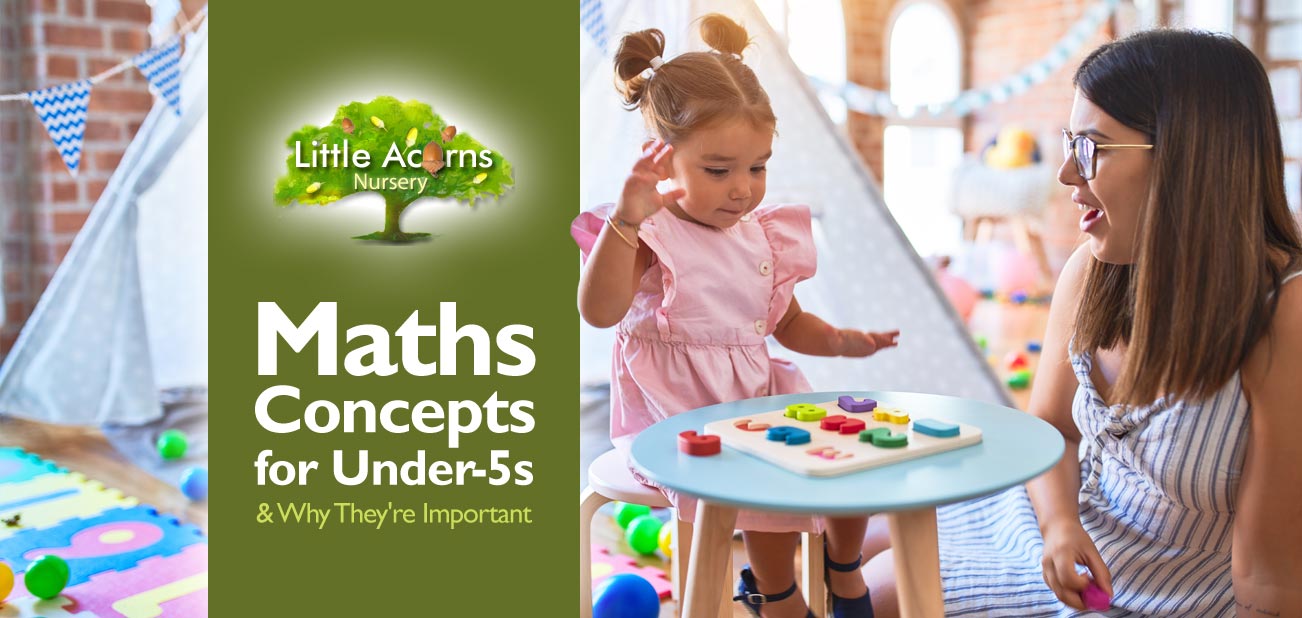
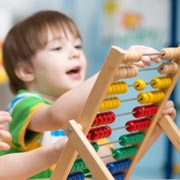
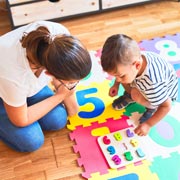 Once babies have transformed into toddlers, it’s never too early to introduce them to maths-based concepts and language. Indeed, introducing under-fives to such concepts in the earliest years will benefit them hugely as it lays the foundations for future learning. That’s one of the main reasons it is a part of
  Familiarity with mathematical terms and concepts also helps to prepare children for formal education, including in many areas other than pure mathematics. Understanding maths concepts from an early age will allow them to confidently engage in number-related exercises and discussions, greatly enhancing their school readiness across multiple topics. Such preparation will allow them to take maths-based challenges in their stride right from the moment they begin Reception Year in primary school. What’s even more striking is that studies show a direct correlation between early mathematical skills and later educational achievement.
 Counting is the most obvious example. Counting can be introduced and practised by your little one in many, many situations, from counting how many more mouthfuls of food a child should eat, to the number of Lego blocks in a tower they’re creating.
 Shapes also have roots in maths, so children should get familiar with 3-sided triangular shapes, 4-sided shapes like squares and rectangles, and so on.
 Creative endeavours can also be vehicles through which supervising adults can highlight elements of mathematics that are built into designs and creations that children may generate. Patterns and shapes are obvious examples of that. Last but not least, parents can involve children in maths facets which are integral to everyday life, for instance, counting items when out shopping, or measuring when putting ingredients together for a meal. Children will love being more involved in such activities and will learn about maths in a fun, natural, and engaging way. Doing so will create the strongest foundations for their future learning.
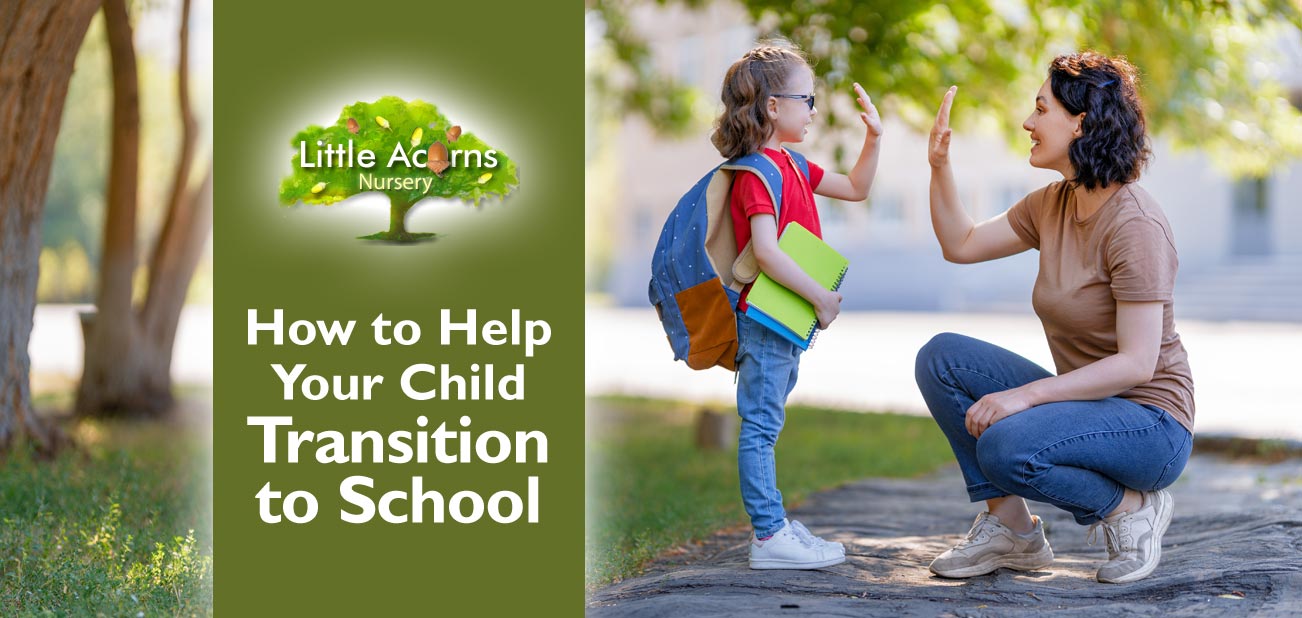
 Beginning school is a huge milestone for any child as well as for the child’s parents or guardians. Whether transitioning from nursery/preschool or straight from home, beginning school can be a daunting step in a child’s life — especially if they’re unprepared. Today’s post therefore aims to help parents/guardians make the transition to school as easy and stress-free as possible for their child, so they are empowered to feel at home and hit the ground running from the moment they begin. Take a look, therefore, at our guide on How to Help Your Child Transition to School. Following the advice should help make this milestone plain sailing for everyone involved.
 One of the most critically important steps for a smooth transition to school is to ensure your child receives a comprehensive early years education. By this we mean they need to have been nurtured between birth and school age in all areas of their learning and development — ideally including the
  During their journey from birth to school age, it’s also important to nurture children’s independence, social skills and soft skills.
 When starting school is only a few weeks away, there are several small but impactful things you can do to better prepare your child for the transition:
 Pack your child’s backpack and ensure it includes everything they’ll need. For example, perhaps a snack and/or lunch box, any spare clothes, PE kit, stationery if needed, and so on.
 Be on time. Dropping off or picking up late will stress both you and your child out!
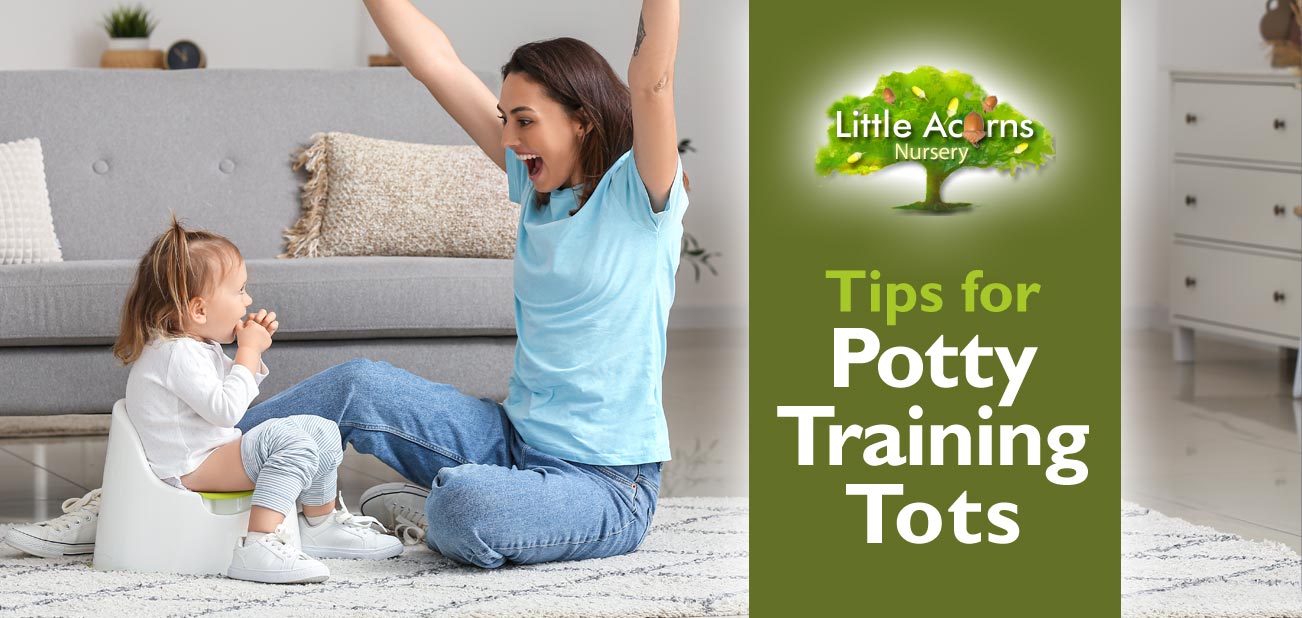
 One of the key tasks all tots must face, in tandem with parents, is potty training. It’s something we all had to master as toddlers and therefore we know it’s 100% achievable — despite it sometimes seeming to be rather a challenge. Achieving success, though, will improve the quality of life for the child, the parent, and other guardians involved in the child’s care. Learning to master the use of the potty and later the toilet will also be a major boost to self-confidence and independence when the child is at nursery, preschool, and later school. With that in mind, today’s guide outlines our top tips for successful potty training.
 Children become ready for potty training at different times — every child is different in that respect, with some starting as early as 18 months and others not training until the age of 3. That said, the majority of little ones begin potty training between the ages of 2 and 3. There are some signs to look out for that will help parents decide when the time is right and we’ll look at those below.
 Ensuring children understand the language around toileting is helpful, of course. So, it’s healthy to help children learn the various terms involved, whether talking about a potty, wee-wees, or anything else. Learning appropriate words will empower children to ask for what they need, at appropriate times.
 Potties with designs that are attractive to toddlers e.g. dinosaurs, licensed TV characters etc.
 Only start potty training when your child shows signs that they’re ready. (See the When Should You Begin Potty Training? section above for details).
 As we discussed in our recent post
 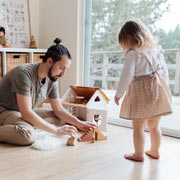 Designate an area in your home for play. It doesn’t need to be elaborate — even a corner with a few age-appropriate toys, books, and art supplies may be sufficient. Ensure, of course, that the space is safe and free from hazards before your child embarks on their play activities.
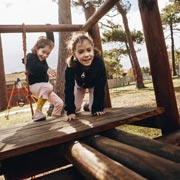 Outdoor play also offers a wealth of learning opportunities. It promotes physical health, stimulates the senses, and allows for unstructured exploration, which all contribute to holistic development. Take your child to the park, explore nature, or simply play with them in the back garden if you have one. Outdoor activities will also foster an appreciation for the natural world. Indeed, we wrote a whole post about
  Reading is a wonderful way to support learning through play. Choose age-appropriate books, of course, and be sure to engage in interactive storytelling. Ask and encourage questions about the story, encourage your child to predict what might happen next, and ask them what they might do if it were them in the story. Books and reading teach children so many things and, like pretend play above, truly encourage their imaginations and get their creative juices flowing.
 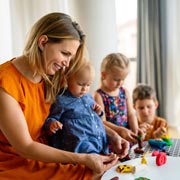 Arrange play dates with other children or involve siblings in play activities at home. Social play helps children learn essential social skills like cooperation, sharing, and conflict resolution. It’s also a great way to make new friendships, learn from each other, and become a closer member of friendship circles.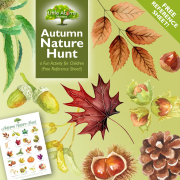
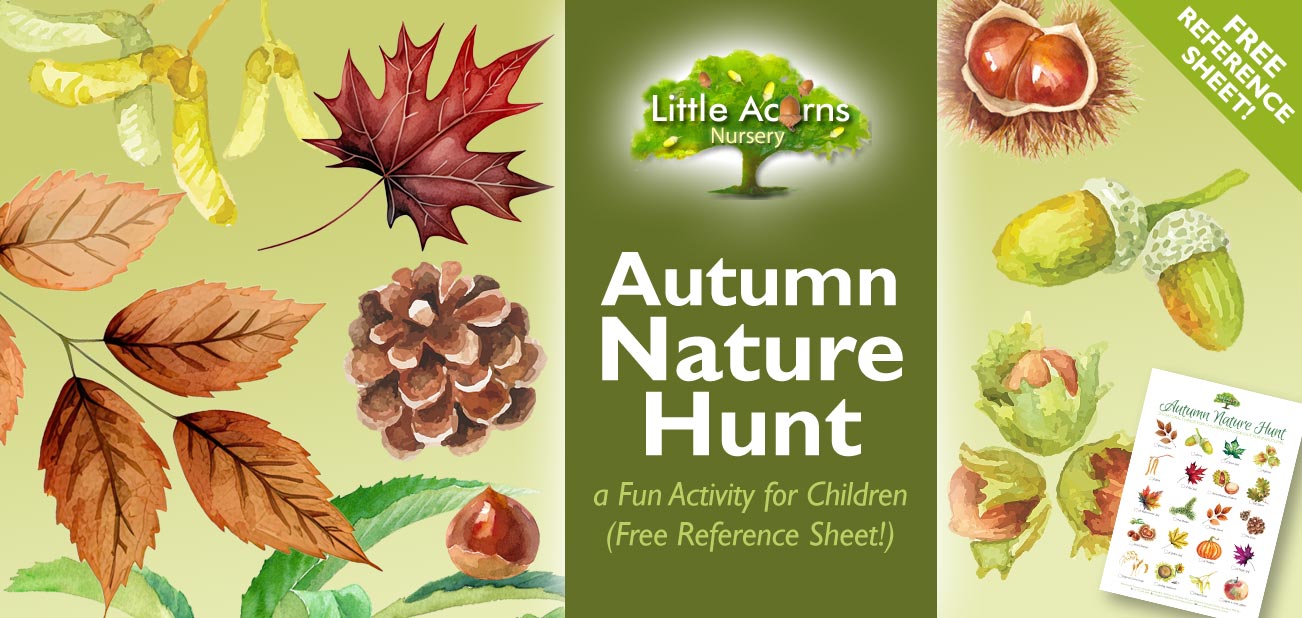
 By mid-November, autumn is in full swing and leaves are turning a myriad of different colours. Scenes of green, yellow, red and golden trees can be breathtakingly beautiful and the air is often crystal clear at this time of year — that’s great for photos! The autumn season also brings with it a treasure trove of fascinating natural things that children can discover if they take the time to look. Indeed, an autumn nature hunt is the perfect excuse for little ones to spend some time outdoors, where they will also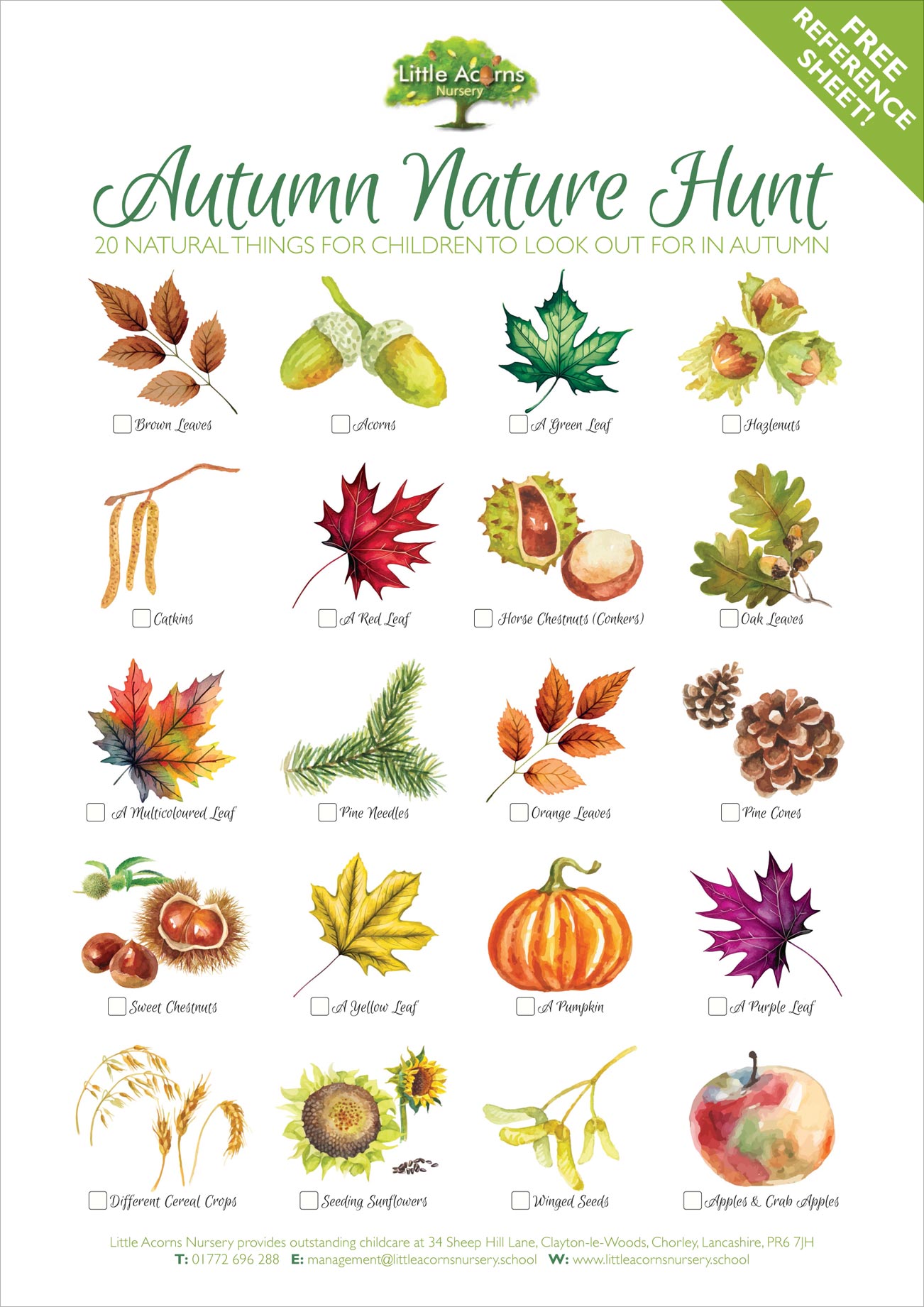
 Ensure children, particularly the very young, receive appropriate adult supervision at all times. Although fascinating and fun, the outdoors holds many hazards for the unwary. Therefore, children will need to be closely monitored by a responsible adult in order to safeguard their well-being.
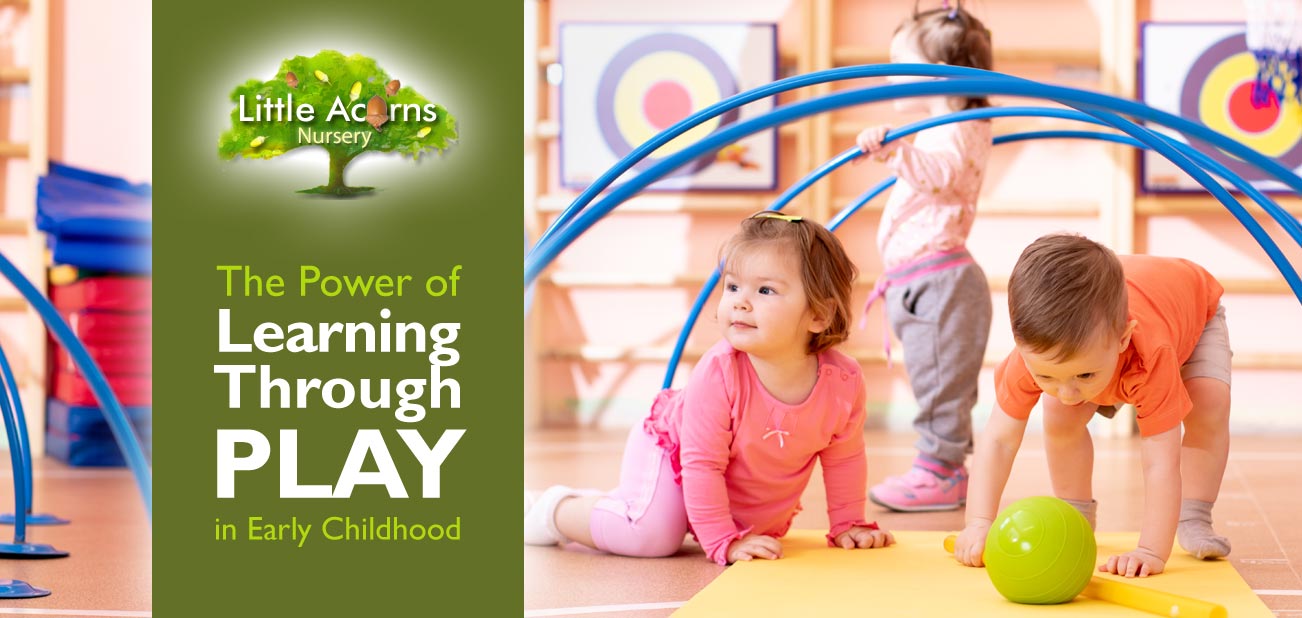
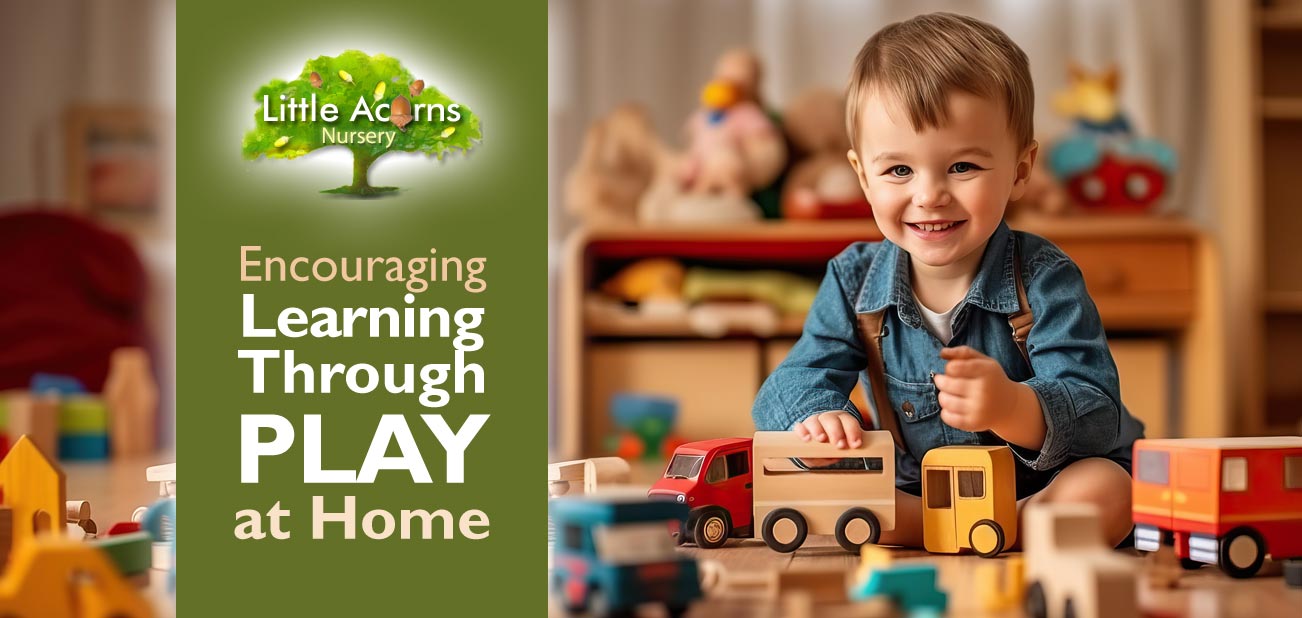
 In the world of child development and early education, there is a simple yet profound truth: children learn best when they are learning through play. Play is the universal language of childhood and, indeed, it transcends both borders and cultures. Whether it’s building sand castles on a sunny beach or arranging blocks on the floor at home, play is the gateway through which children explore, discover, and grow.
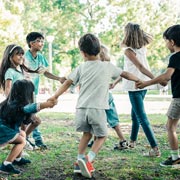 As adults, we often associate learning with classrooms, textbooks, and structured lessons. However, for children, the process of learning is a dynamic and ever-evolving adventure, with play being their very best companion during the journey.
 Do babies benefit from play? Absolutely. Play is the first way through which infants start understanding their world. They use their senses to explore toys, grasp objects, and make sense of the environment around them. Sensory play, such as touching different textures or listening to soothing sounds, stimulates their developing senses and lays the groundwork for future learning.
 During the run-up to the age of 5, play is integral to children’s development. During this phase, children are like little sponges, soaking up information from their surroundings. Play allows them to experiment, make connections, and refine their cognitive and many other skills. Skills enhanced through play include:
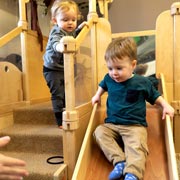 Creating playful environments — we understand the importance of a conducive environment for learning through play. With that in mind, we provide carefully designed play spaces that are rich in stimulating materials and resources. These spaces allow children to engage in various types of play, from imaginative to sensory, in a safe and supportive setting.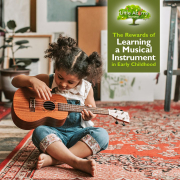

 While listening to music has a unique way of resonating with the human spirit, actually creating it on a musical instrument elevates that connection to entirely new levels. What’s more, learning to play an instrument leads to a whole host of multifaceted benefits. Whether tinkling piano keys, strumming guitar strings, or playing a wind instrument, children who learn to play a musical instrument will soon discover a whole world of opportunities and advantages that extend far beyond the realm of melody and harmony. With that in mind, today’s article explores the myriad of sometimes surprising benefits that learning to play music will bring to children, even at a very young age. Take a look below and discover how musicianship could benefit your child, extend their skills and potentially enrich their life profoundly.
 The influence of music on brain development is nothing short of remarkable. Learning to play an instrument engages various parts of the brain simultaneously and is like a 360-degree workout for the mind! As such, its cognitive benefits are profound. Children who take up musical instruments therefore tend to excel in memory, problem-solving, and mathematical skills. Indeed, studies have shown that musical training can lead to improved academic performance, enhancing children’s abilities, particularly in subjects like mathematics and science. So, when your child learns to play a violin, piano, guitar or even a simple recorder, they’re not just making music; they’re also fine-tuning their cognitive abilities.
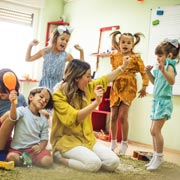 Learning an instrument represents a real journey of creativity and imagination. Children explore melodies, experiment with harmonies, and may often progress to compose their own tunes. This creative process nurtures their imagination and encourages them to think in new and alternative ways. Making music really is a powerful tool for unlocking children’s artistic potential.
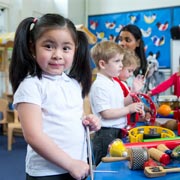 Music is often a collaborative endeavour and that, in itself, will bring additional benefits to children. As well as simply being enjoyable, group music lessons and ensemble playing will teach children valuable social and teamwork skills. Through music-making, they will learn to listen, cooperate, and communicate effectively with others at appropriate times — and even to make more friends. Such skills go well beyond the world of music and are fundamental in importance and positive impact.
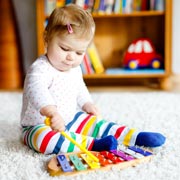 For infants and toddlers, musical exploration can start with simple activities like singing lullabies, clapping to a rhythm, or playing with simple musical or percussive toys. These activities introduce them to the world of sound and rhythm in a playful and engaging way.
 Today’s flower-growing children’s activity follows on nicely from last month’s
  It’s possible to sow wildflower seeds from March right through to mid-October or, at a push, early November so long as snow or frost is not forecast. Those sown closer to March and April will generally flower in late spring/early summer. Those sown very late in the year will flower the following year, from spring onwards. Any sown up to and including the middle period, for example during July, should still flower in the same year — wildflowers usually bloom some 60 to 80 or so days later if they’re timed to grow in the same year as they’re sown.
 There are several ways for children and families to source wildflower seeds. The most obvious way is to buy them commercially, in seed packets. These are available from any number of different outlets including nurseries, supermarkets,
  If you buy your child commercially-available wildflower seeds, the information on the packet will often say if the resulting flowers are bee-friendly, butterfly-friendly, good for pollinators, and so on. So, if you’re sourcing seeds that way, much of the decision-making criteria around which actual flowers to grow is made clear and therefore the choice is easy.
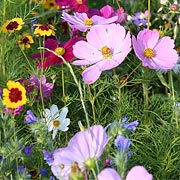 By their very nature, wildflowers are generally not very picky in regard to the type of soil they are happy to grow in. Therefore you/your child will have a greater choice of where to sow the wildflower seeds. A fairly clear sunny area is good, whether that’s garden beds, flower pots, window boxes, grow bags on a balcony, or even the lawn itself if you want a wild ‘meadow’ type lawn. Whatever the choice, it’s best if it’s somewhere that won’t be disturbed by you/the family though, as you wouldn’t want the wildflowers trampled once they do arrive.
 With regard to sowing the seeds, follow any seed-specific instructions on packets in relation to timing and spacing. If you’re using self-harvested seeds or there are no instructions, simply sprinkle the seeds so they’re spaced, fairly evenly, i.e. not too densely sown. This will avoid the wildflower plants having to compete with one another once they start growing. A tip is to sprinkle from a height as this will naturally scatter them more widely. Once scattered, your child can help* to pat the soil surface down, either by hand or using the back of a tool like a spade or a trowel, so that the seeds are secured in the soil. Children can even ‘walk’ them in if they prefer. Once complete, ensure that you/your child keep the soil damp over the coming weeks. The preparation stage really is as simple as that!
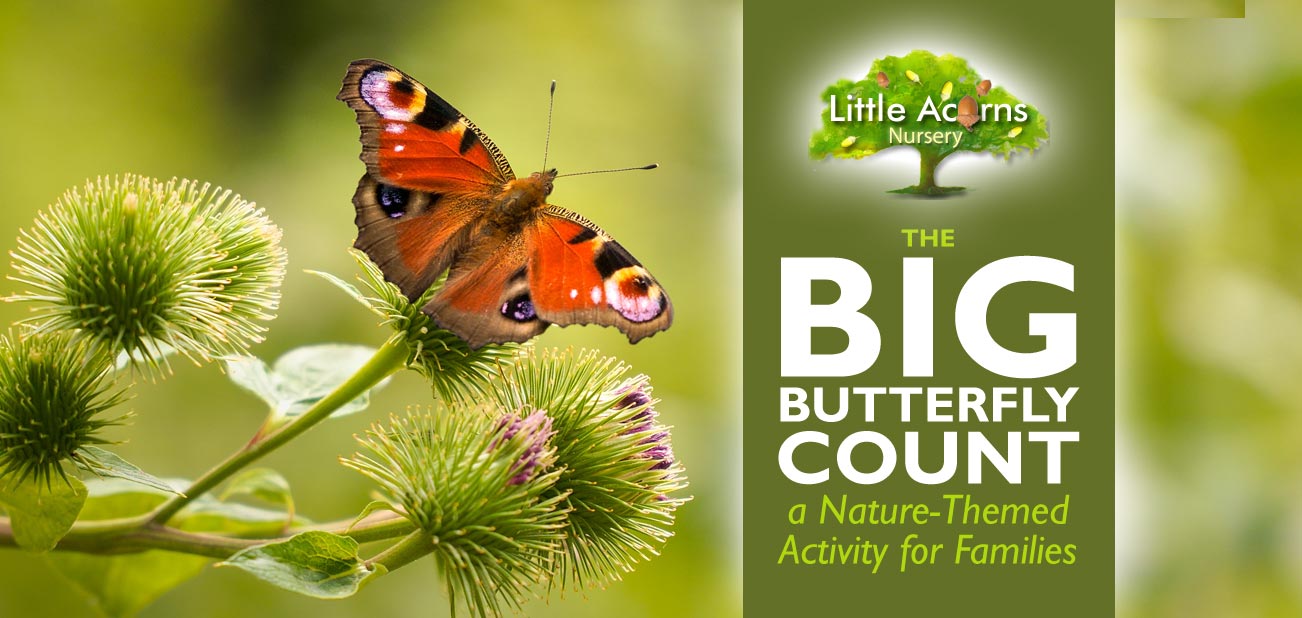
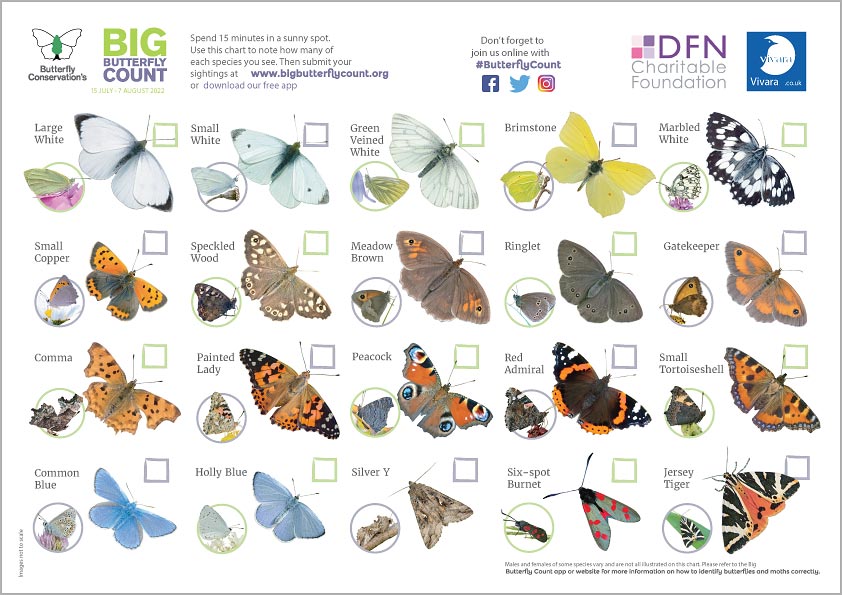
 Many will have heard of the Big Garden Birdwatch that takes place every year in January. However, fewer are aware of a similar activity called The Big Butterfly Count that takes place in July and early August. As well as being extremely worthwhile, it’s a wonderful activity for both children and adults to get involved in as citizen scientists. The activity helps with butterfly conservation, is educational for those taking part, and encourages families to get outdoors, closer to nature. And, as we know,