
 When April is on the horizon, there is a buzz amongst parents whose children will receive school offers that month. It’s quite a milestone in the lives of families as it’s the time they’ll find out if their children have received an offer for their top school choice. If not, will they be offered another “preferred” school listed lower on their application? It will often have felt like a long wait to find out the results, too, with families having applied in mid-January or potentially months earlier. Because we are an early years nursery, today’s guide focuses on primary school offers. We’ll explain in detail when to expect your child’s primary school offer, criteria that may have affected it, and your options if you’re not happy with the school place offered. To keep things as simple as possible, we’ll concentrate on applications for a standard school start date in the September term (rules and dates for ‘in-year’ applications are slightly different). If your child is due to start primary school this year, take a look.
School Place Statistics
The good news is that nearly all primary school applications result in an offer for one of the ‘preferred’ schools as listed in your original application. Indeed, the results from 2024 for the 2024/25 academic year showed some encouraging statistics:
- 93.2% of children achieved an offer for their topmost preferred primary school.
- 98.6% achieved an offer for one of their top 3 preferred schools.
- 98.8% achieved an offer for one of their preferred schools (applicants can list from 3 to 6 or so schools, depending on the local authority).
- Only 1.12% did not achieve an offer for any of their preferred primary schools.
The percentages shown above were for the 555,600 primary school applications received for the 2024/25 academic year.
When is Primary School Offers Day?
Primary school offers for children starting in the September term, whose applications were submitted by the mid-January deadline, start to arrive with parents on the 16th of April. (Secondary school placement offers arrive a little earlier, on or soon after the 1st of April).
What If You Don’t Receive Your Child’s Offer on the 16th?
If you don’t receive your child’s primary school offer on the 16th of April, it could be for a number of reasons. These include:
 The 16th of April arrived on a weekend or public holiday that year. If so, offers will usually start to arrive on the next working weekday.
- You applied ‘in year’ i.e. outside the usual timing for a school start date (usually the beginning of the September term). For example, families who move house often fall into this category as their child then needs to move school perhaps mid-year and/or mid-term.
- Your application was late or was submitted, for some reason, after the mid-January deadline. School places are prioritised for those who submit on time, i.e. by the standard mid-January deadline.
- You changed your mind after submitting the standard form and were then required to use a ‘late application form’ to submit your revised choices.
- You applied by post rather than submitting electronically. Postal results are sent by second-class post, so are likely to arrive two or more days after emailed offers.
- You did not include a valid email address on your application form.

So, to ensure you receive your child’s primary school offer as early as possible, submit your application online and on time (by the mid-January deadline) and include a valid email address as part of that application. Those without them, or who submitted by post, may have to wait a few extra hours or days to receive their offers.
That said, some local authorities allow parents/carers to log into their admissions portal to view school offers online.
Accepting an Offer
Important: If you’d like to accept the school offered to your child, there is a deadline for that too. If you miss it, the school place you were offered may be offered to someone else, for example, someone on a waiting list or who submitted their application late. The deadline may vary from location to location. So, it’s important to read your offer closely as that communication will confirm the deadline for you to accept your offer. That’s all the more important for oversubscribed primary schools, which may have a queue of people ready and waiting for a place.
Rejecting an Offer
You also have the right to reject an offer, of course. However, that may not be the most sensible option as it could then leave your child with no school offer at all. Acceptance of any offer given may be the best option, so your child has a primary school place to fall back on, in tandem with an appeal, which we’ll come to next.
Appealing
Families can appeal if they’re not happy with an offer, for example, if the child was not offered a school on their preferred list, or if the one offered was lower down on their preferences. You may be required to submit evidence to support the reasons for your appeal, which also has a deadline. Once submitted, the appeal hearing must be held within 40 school days of that deadline. You usually receive a decision within 5 school days. You can appeal the decision if you have a valid complaint about the way the appeal process was carried out. Learn more about the appeals process here.
School Waiting Lists
Another option for those whose children didn’t receive the offer they’d hoped for or, in a tiny number of cases, any offer at all, is to apply to be put on a preferred school’s waiting list. It’s also an option for those who have a change of mind. For such people, it’s a good idea to register an interest with the school they’d like and contact the local authority to officially apply for that school’s waiting list. Note that they can do so even if they have received and accepted an existing offer; apparently one does not affect the other.
Criteria for Offers
It will be useful for parents to know some of the key criteria local authorities use when weighing up primary school offers. One of the foremost is your child’s proximity to the school; the closer the better. Also, if your child has an older sibling already at the school, that will be a huge benefit to your application. Your child’s faith/religion will also be a deciding factor if applying to a matching faith school. Disadvantaged children who are eligible for the Pupil Premium grant and, for families in the armed forces, those who are supported by the Service Pupil Premium (SPP) will also be looked upon favourably. Another factor that will really help children’s applications is when a parent has worked at the school in question for two or more years. However, other factors may also apply, so be sure to research the criteria for your particular local authority and specific schools that you have in your sights.
Guide to Primary School Applications
If your child has not yet applied for a primary school place and is approaching the age of 3 or 4, you may want to check out our Guide to Primary School Applications.
We wish all parents of children expecting primary school offers good fortune and hope their children are offered the places they’d hoped for. Good luck on Primary School Offers Day!
Under-5s Get School-Ready at Little Acorns Nursery, Clayton-le-Woods
 At Little Acorns Nursery and preschool in Clayton-le-Woods, Chorley, we ensure children are given all the tools and encouragement they need to become the very best versions of themselves. With our approach as early years practitioners, they are set to thrive in every area of their learning and development. By ensuring that every child is as school-ready as possible by the time they leave us, we know they have everything they need to settle in well and hit the ground running from the moment they begin primary school. We wish our preschoolers good luck with their school offers this April, safe in the knowledge that, wherever they go, they are set for success.
Get in touch today to apply for a nursery place, arrange a visit to see the setting, or ask us a question — we’re here to help!
Little Acorns is a nursery and preschool in Clayton-le-Woods, near Chorley, Clayton Brook, Clayton Green, Thorpe Green, Pippin Street, Buckshaw Village, Whittle-le-Woods, Farington, Bamber Bridge, Lostock Hall, Euxton, Leyland, and Penwortham (Central Lancashire).
 If your child is 3 or, at the latest, has just turned 4, it’s time for you to apply for their primary school place. What’s more, you only have until about mid-January to do so. That’s all true whether you intend them to start school at 4 or leave it until they’re 5. In today’s guide, we explain the rules around applying for a primary school place, the key dates you need to know, what to expect, and the various options open to you and your child.
 Most children in England start primary or infant school earlier, in ‘Reception’ year. For most, this will be in the September term when they’re still only 4. That’s just one reason why applying for a primary school place is so important while they’re only 3 or, at the very latest, have just turned 4.
 Registering an interest that you’re interested in a particular primary school is sensible and, indeed, may result in the school supplying some useful information. However, it will not guarantee your child a place even if it’s attached to their nursery or preschool. You therefore need to make your official application through
  Research your local primary schools, visit them to get a feel for them, and ask teachers and heads any questions you may have. Schools often have open days or evenings or accept appointments for these purposes.
 The child’s proximity to the school;
 For primary** school places, offers are released around the 16th* of April each year, the exact date depending on whether the 16th otherwise falls on a weekend or public holiday. For 2025, 2026, and 2027, primary school ‘offer day’ will therefore fall right on target on the 16th of April as each is a weekday for each of those years. Those applicants who had applied online, on time, and supplied an email address during the application process, will be the first to receive offers via email. Later the same day, others who supplied an email address will also receive offers via email. Those who applied without supplying an email address will have their offers posted via 2nd Class post, meaning they may find out what school their child has been offered a day or two later than the 16th of April. That said, some local authority portals allow all parents to log in to view school offers online.
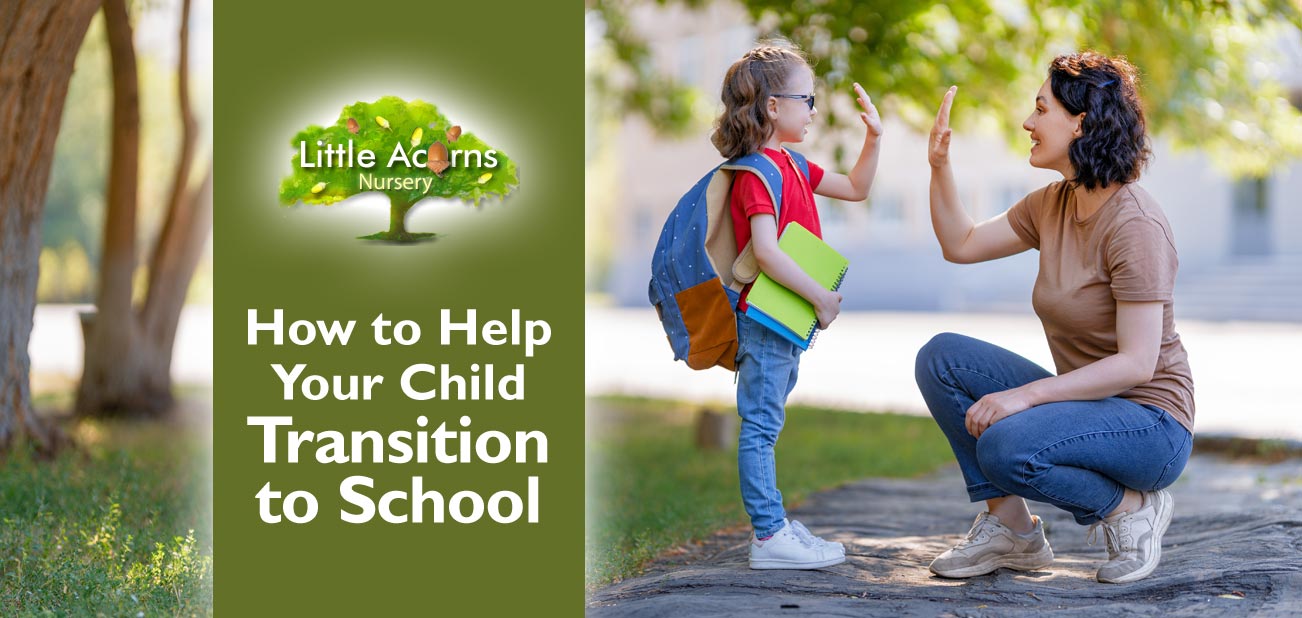
 Beginning school is a huge milestone for any child as well as for the child’s parents or guardians. Whether transitioning from nursery/preschool or straight from home, beginning school can be a daunting step in a child’s life — especially if they’re unprepared. Today’s post therefore aims to help parents/guardians make the transition to school as easy and stress-free as possible for their child, so they are empowered to feel at home and hit the ground running from the moment they begin. Take a look, therefore, at our guide on How to Help Your Child Transition to School. Following the advice should help make this milestone plain sailing for everyone involved.
 One of the most critically important steps for a smooth transition to school is to ensure your child receives a comprehensive early years education. By this we mean they need to have been nurtured between birth and school age in all areas of their learning and development — ideally including the
  During their journey from birth to school age, it’s also important to nurture children’s independence, social skills and soft skills.
 When starting school is only a few weeks away, there are several small but impactful things you can do to better prepare your child for the transition:
 Pack your child’s backpack and ensure it includes everything they’ll need. For example, perhaps a snack and/or lunch box, any spare clothes, PE kit, stationery if needed, and so on.
 Be on time. Dropping off or picking up late will stress both you and your child out!

 While listening to music has a unique way of resonating with the human spirit, actually creating it on a musical instrument elevates that connection to entirely new levels. What’s more, learning to play an instrument leads to a whole host of multifaceted benefits. Whether tinkling piano keys, strumming guitar strings, or playing a wind instrument, children who learn to play a musical instrument will soon discover a whole world of opportunities and advantages that extend far beyond the realm of melody and harmony. With that in mind, today’s article explores the myriad of sometimes surprising benefits that learning to play music will bring to children, even at a very young age. Take a look below and discover how musicianship could benefit your child, extend their skills and potentially enrich their life profoundly.
 The influence of music on brain development is nothing short of remarkable. Learning to play an instrument engages various parts of the brain simultaneously and is like a 360-degree workout for the mind! As such, its cognitive benefits are profound. Children who take up musical instruments therefore tend to excel in memory, problem-solving, and mathematical skills. Indeed, studies have shown that musical training can lead to improved academic performance, enhancing children’s abilities, particularly in subjects like mathematics and science. So, when your child learns to play a violin, piano, guitar or even a simple recorder, they’re not just making music; they’re also fine-tuning their cognitive abilities.
 Learning an instrument represents a real journey of creativity and imagination. Children explore melodies, experiment with harmonies, and may often progress to compose their own tunes. This creative process nurtures their imagination and encourages them to think in new and alternative ways. Making music really is a powerful tool for unlocking children’s artistic potential.
 Music is often a collaborative endeavour and that, in itself, will bring additional benefits to children. As well as simply being enjoyable, group music lessons and ensemble playing will teach children valuable social and teamwork skills. Through music-making, they will learn to listen, cooperate, and communicate effectively with others at appropriate times — and even to make more friends. Such skills go well beyond the world of music and are fundamental in importance and positive impact.
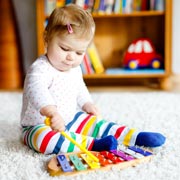 For infants and toddlers, musical exploration can start with simple activities like singing lullabies, clapping to a rhythm, or playing with simple musical or percussive toys. These activities introduce them to the world of sound and rhythm in a playful and engaging way.
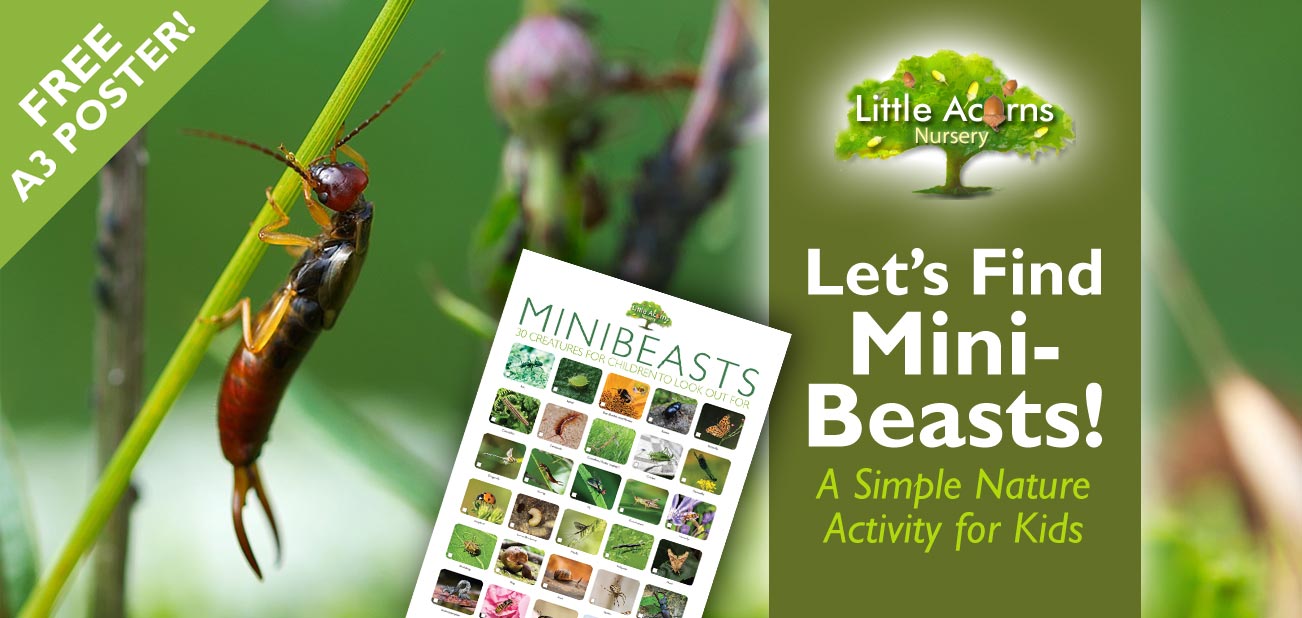
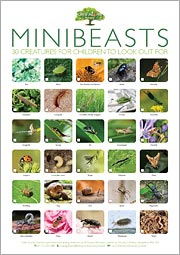 Children and parents, let’s go minibeast spotting! Whether you have a garden, neighbourhood park, or just a few potted plants, there are bound to be minibeasts visiting or living there. What’s more, summer is the perfect time to spot them. Spending time in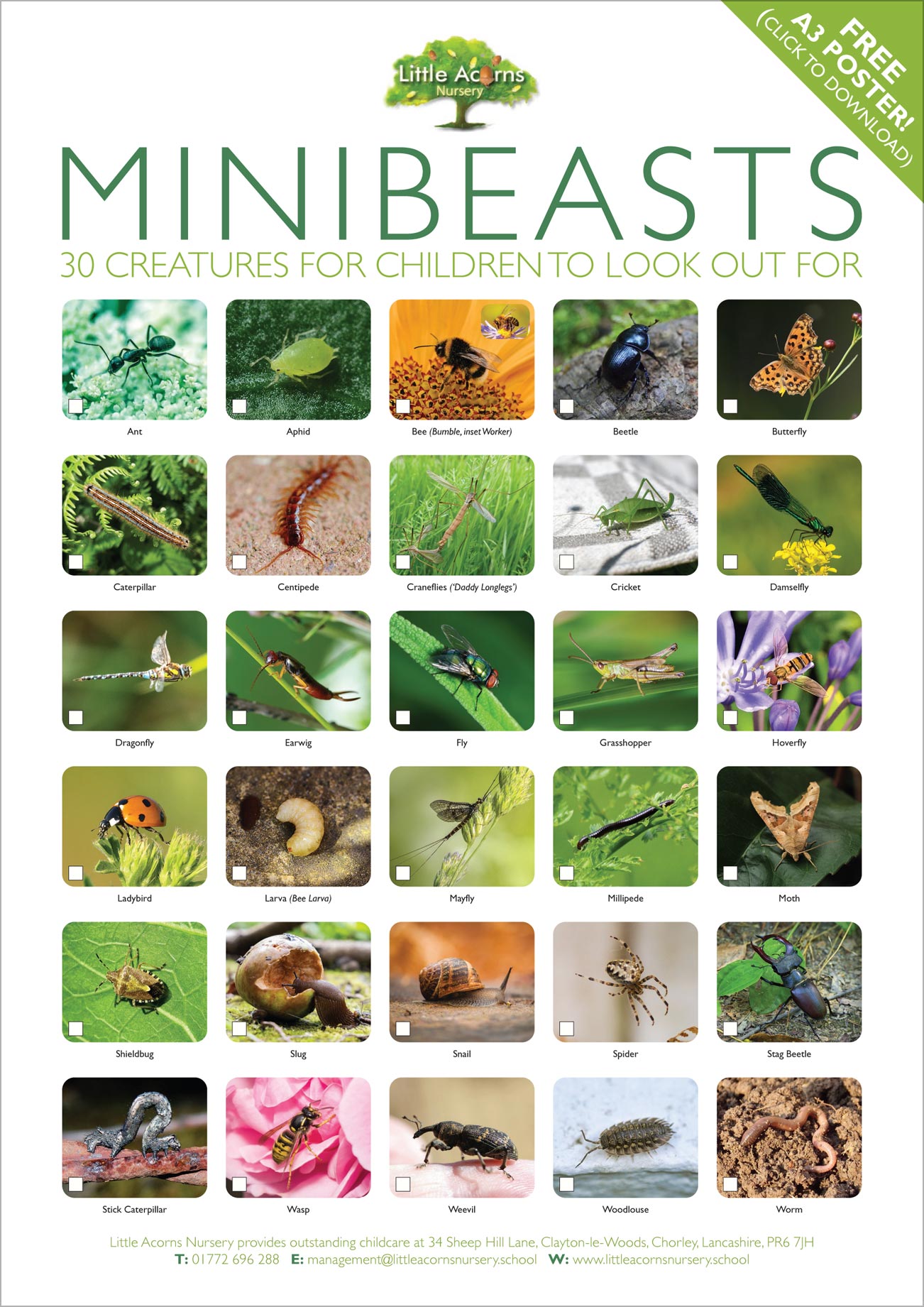
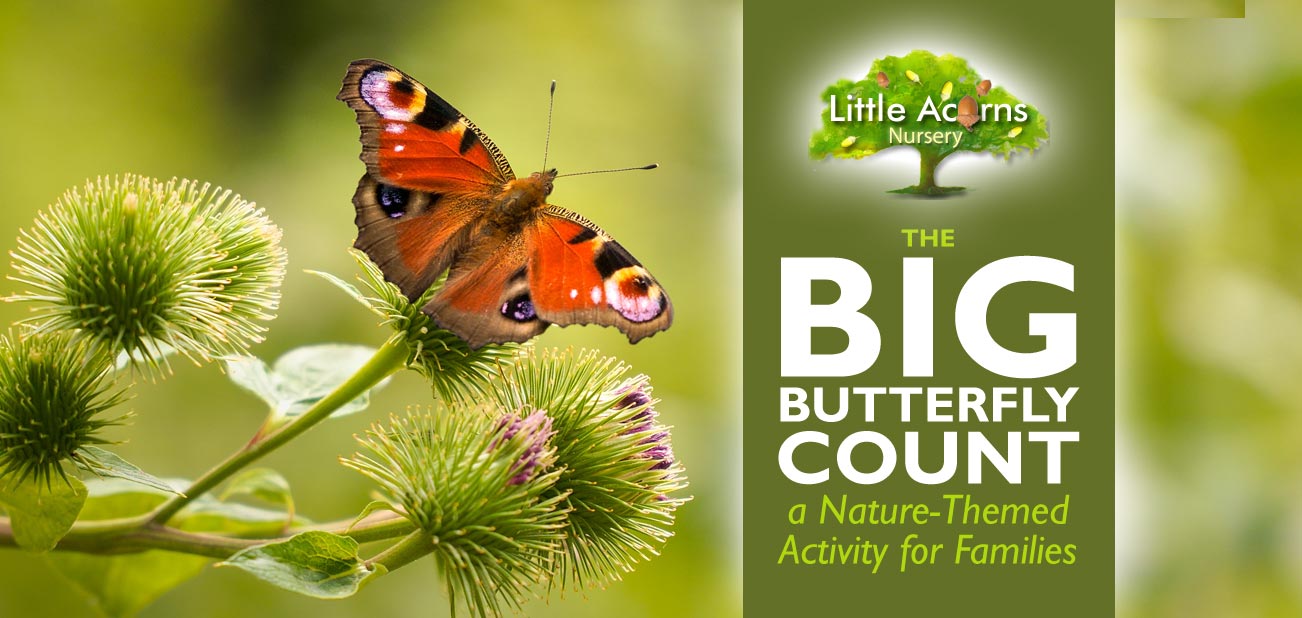
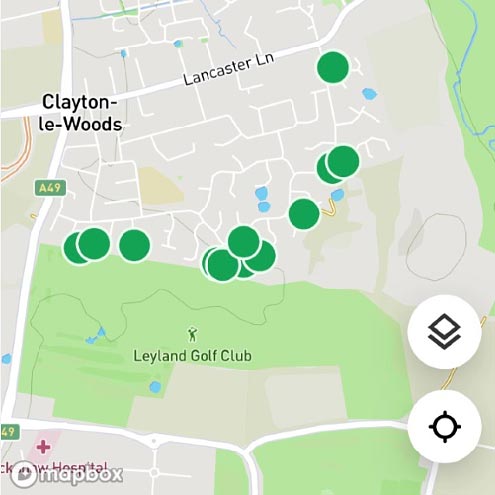
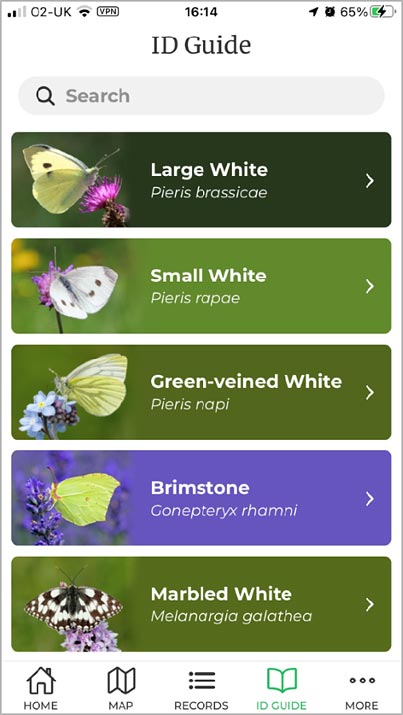
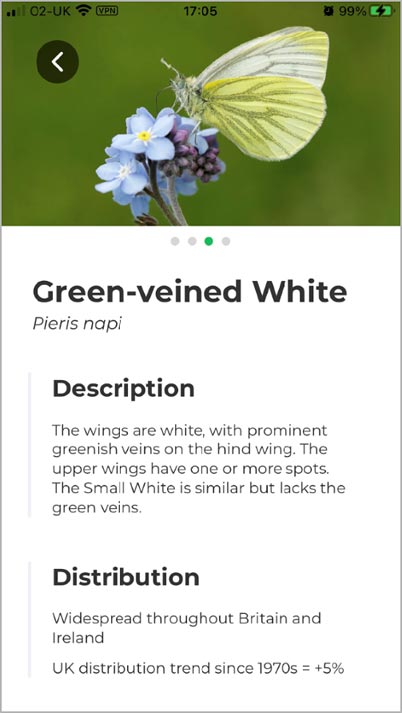
 Many will have heard of the Big Garden Birdwatch that takes place every year in January. However, fewer are aware of a similar activity called The Big Butterfly Count that takes place in July and early August. As well as being extremely worthwhile, it’s a wonderful activity for both children and adults to get involved in as citizen scientists. The activity helps with butterfly conservation, is educational for those taking part, and encourages families to get outdoors, closer to nature. And, as we know,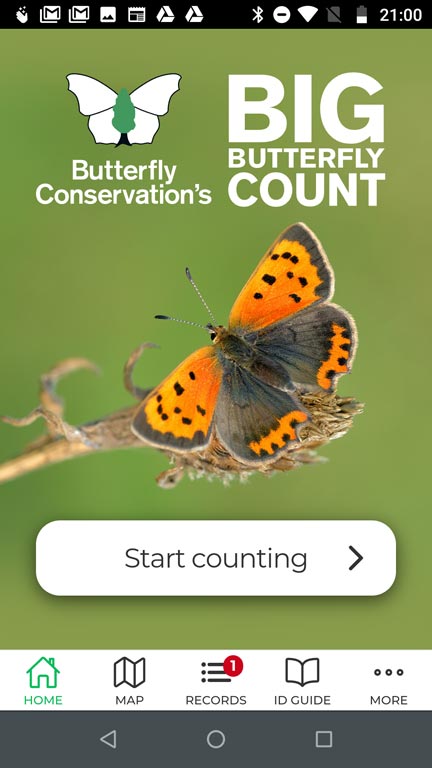


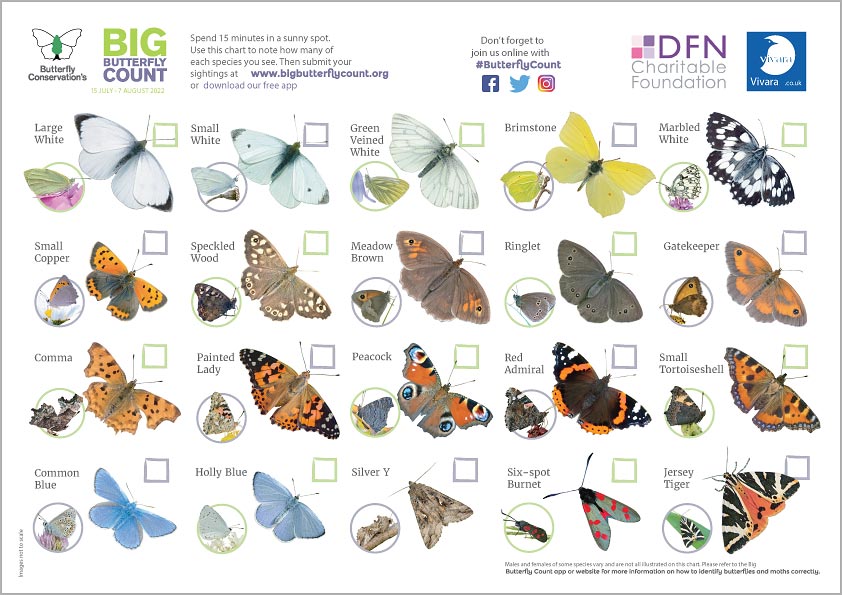

 Last year, we wrote a detailed post outlining
  Interestingly, under-five children who came from disadvantaged backgrounds were shown to benefit even more than those who didn’t. For this reason, reading with parents/carers has been proposed as a possible way to close the performance deficit often seen with children from such backgrounds. It may well represent a perfect solution to even up the playing field.
 Deeper bonds with parents/carers (after all, this is quality time spent together, one-to-one);
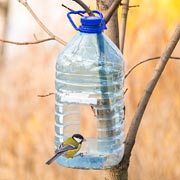 Making bird feeders
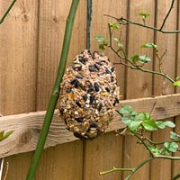 Seeded pine cone bird feeders
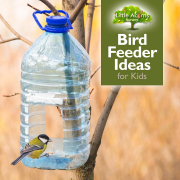
 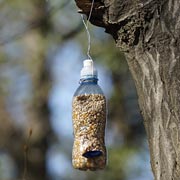 Water bottle bird feeders.
 Then, they can be partly filled with bird seed, or perhaps grated Cheddar cheese. Alternatively you can see that some of the designs could be used for drinking water, for example the one shown immediately on the left or at the very top of this article. Another variation even has a plastic spoon pushed into it, forming a convenient perch for the birds to land on and to feed from (see right).
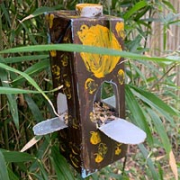 Carton bird feeders
 Monkey Nut Bird Feeders
 If using peanut butter in your home-made bird feeders, ensure it is fresh, has no salt or sugar added and is not ‘flavoured’. Smooth or crunchy peanut butter is great for bird-feeders, though, and you can even stick extra bird seed to it once it’s been spread on your feeder e.g. pine cone or apple. There are also some peanut butter brands made specifically for wild birds, by the way.
 Why Nature is So Important for Children
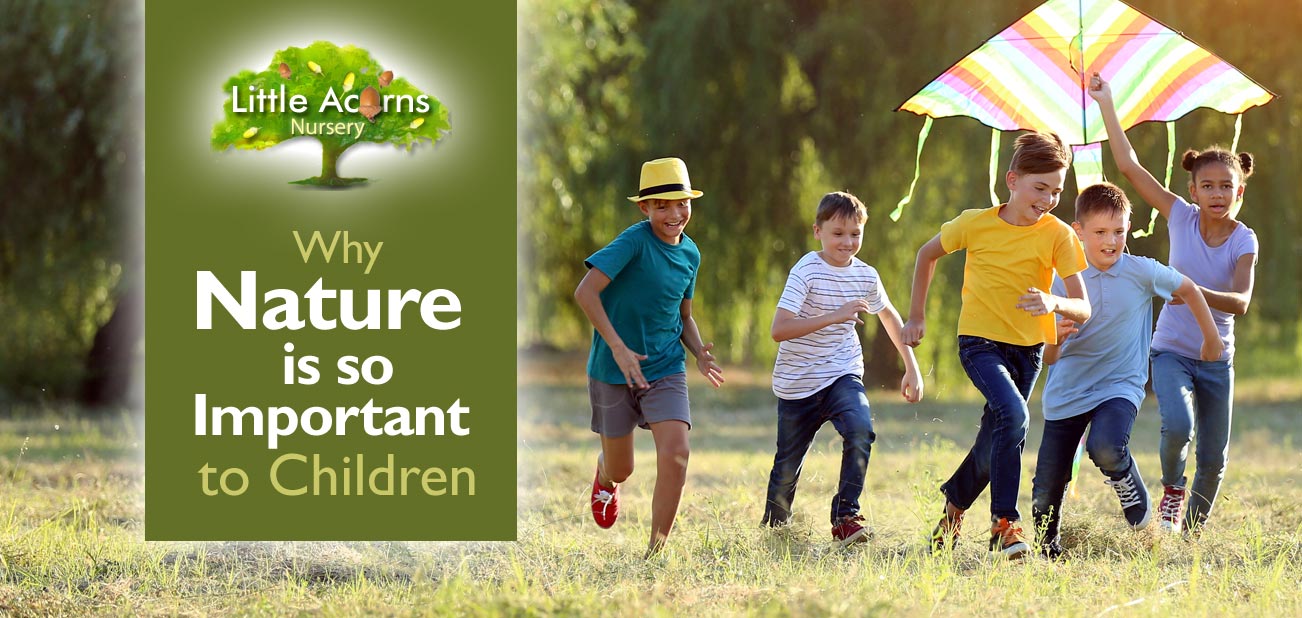
 Today we’ll look at the immense benefits of nature to children. While the long-term benefits of nature are reasonably well-known, it turns out short-term exposure to the natural environment also has1 clear benefits for people of any age. The benefits are even more beneficial, though, for young people during their early years, at school and in higher education.
 One of the wonderful things about nature is that immersing oneself in it need not cost a penny. With so many proven benefits, it just goes to show that the old adage that ‘the best things in life are free’ really is true when it comes to nature. Exposure to the natural environment and green surroundings has been shown to have clear benefits …
 The benefits of restored attention skills in themselves should not, of course, be overlooked. Interestingly, research6 involving cognitive tests on school children found that children who had undergone the tests after walking in a natural wooded environment were quicker to answer – and significantly more accurate in their answers – than those who had instead practised mindfulness in the classroom or who had spent time in the school playground during the break.
 Almost Endless Benefits to Children
 Greater empathy e.g. taking more care of other living things, plants, etc.;
 Just imagine, then, how much children benefit from nature when attending a Forest School setting such as that available at Little Acorns Nursery, Chorley. At Forest School, little ones will spend significant time in local green and wooded spaces, so these findings show just how important Forest School is for youngsters. Why send your child to an ordinary nursery, then, when you can send them to