Maths Concepts for Under-5s — & Why They’re Important
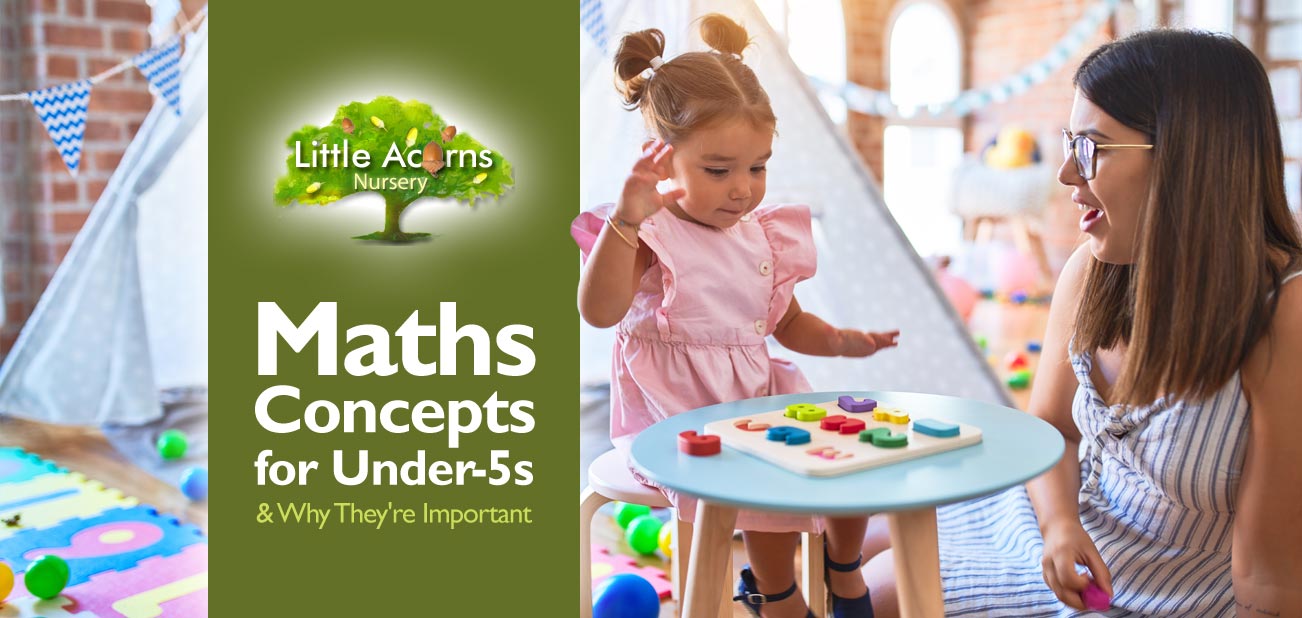
 Once babies have transformed into toddlers, it’s never too early to introduce them to maths-based concepts and language. Indeed, introducing under-fives to such concepts in the earliest years will benefit them hugely as it lays the foundations for future learning. That’s one of the main reasons it is a part of the EYFS curriculum. Continuing this learning at home will also help them instinctively understand that mathematics is a normal and integral part of everyday life. As such, there is no need for it to be perceived as a daunting topic. With all that in mind, today’s guide explores why the early introduction of mathematics is so beneficial to under-fives and how parents and caregivers play a vital role in encouraging their mathematical curiosity, knowledge, and confidence.
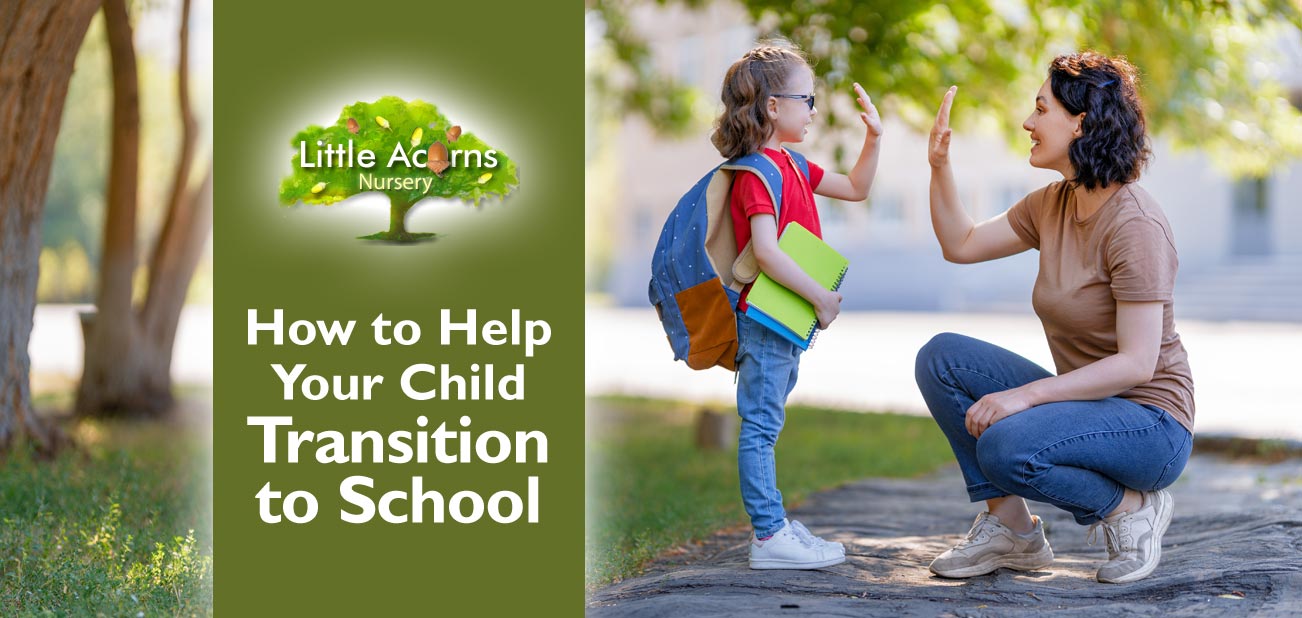
 Beginning school is a huge milestone for any child as well as for the child’s parents or guardians. Whether transitioning from nursery/preschool or straight from home, beginning school can be a daunting step in a child’s life — especially if they’re unprepared. Today’s post therefore aims to help parents/guardians make the transition to school as easy and stress-free as possible for their child, so they are empowered to feel at home and hit the ground running from the moment they begin. Take a look, therefore, at our guide on How to Help Your Child Transition to School. Following the advice should help make this milestone plain sailing for everyone involved.
 One of the key tasks all tots must face, in tandem with parents, is potty training. It’s something we all had to master as toddlers and therefore we know it’s 100% achievable — despite it sometimes seeming to be rather a challenge. Achieving success, though, will improve the quality of life for the child, the parent, and other guardians involved in the child’s care. Learning to master the use of the potty and later the toilet will also be a major boost to self-confidence and independence when the child is at nursery, preschool, and later school. With that in mind, today’s guide outlines our top tips for successful potty training.
 Children and childcare staff at Little Acorns Nursery love nature. So, with World Wildlife Day coming earlier this month and Spring now upon us, it’s the perfect opportunity to release our free Wild Mammals poster. Shown in full colour and printable in high resolution at A3 or A4, it features 20 British

 With Chorley Football Club being only 4.8 miles and a 14-minute drive from Little Acorns Nursery in Clayton-le-Woods, this news has certainly registered on our radar. What’s more, it’s sure to fire up greater interest in sport from children in the Chorley area. Perhaps some of them could even end up being sporting stars of the future! With all that in mind, we thought we’d take the opportunity today to explore the value and importance of sport to children in their early years.
 January’s Big Garden Birdwatch is a perfect home learning opportunity where children can find out about wild birds and get a better understanding of nature itself. What’s more, it’s a hugely worthwhile event that will benefit birds, conservation efforts, and children themselves. The activity also demonstrates how easy it is for little ones to become citizen scientists. With that in mind, let’s explore today the Big Garden Birdwatch, explain what it is, how to take part, and why it’s important for families to get involved.
 As we discussed in our recent post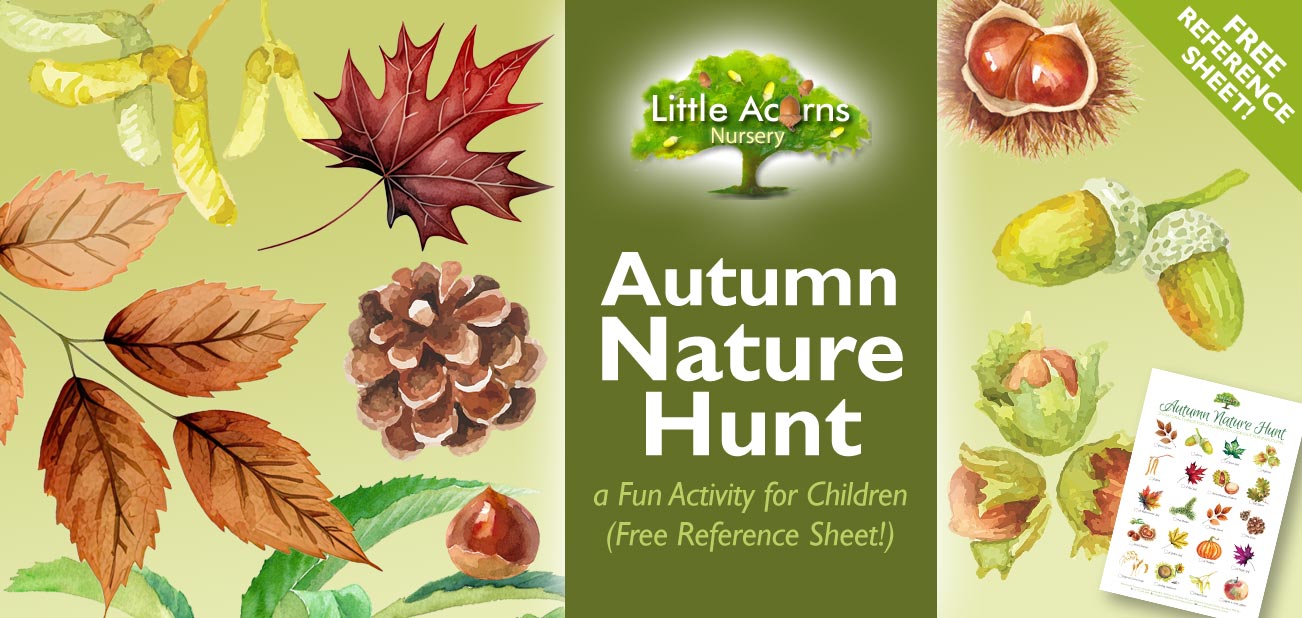
 By mid-November, autumn is in full swing and leaves are turning a myriad of different colours. Scenes of green, yellow, red and golden trees can be breathtakingly beautiful and the air is often crystal clear at this time of year — that’s great for photos! The autumn season also brings with it a treasure trove of fascinating natural things that children can discover if they take the time to look. Indeed, an autumn nature hunt is the perfect excuse for little ones to spend some time outdoors, where they will also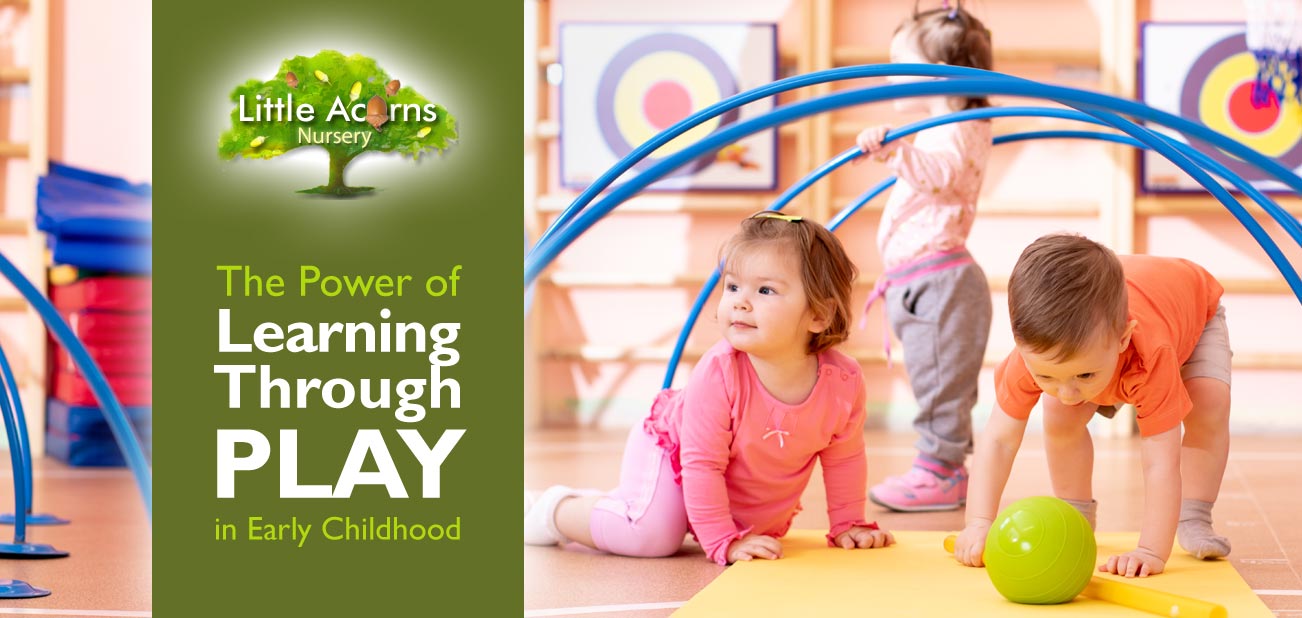
 In the world of child development and early education, there is a simple yet profound truth: children learn best when they are learning through play. Play is the universal language of childhood and, indeed, it transcends both borders and cultures. Whether it’s building sand castles on a sunny beach or arranging blocks on the floor at home, play is the gateway through which children explore, discover, and grow.
 While listening to music has a unique way of resonating with the human spirit, actually creating it on a musical instrument elevates that connection to entirely new levels. What’s more, learning to play an instrument leads to a whole host of multifaceted benefits. Whether tinkling piano keys, strumming guitar strings, or playing a wind instrument, children who learn to play a musical instrument will soon discover a whole world of opportunities and advantages that extend far beyond the realm of melody and harmony. With that in mind, today’s article explores the myriad of sometimes surprising benefits that learning to play music will bring to children, even at a very young age. Take a look below and discover how musicianship could benefit your child, extend their skills and potentially enrich their life profoundly.