
 As we discussed in our recent post The Power of Learning Through Play in Early Childhood, play helps babies and children to improve cognitive skills, social skills, motor skills and emotional growth. It feeds the imagination, boosts creativity and fosters a love of learning. Language skills benefit, problem-solving abilities are enhanced, and children naturally pick up maths concepts and even elements of science through play. With that in mind, today’s post follows up with the topic of Encouraging Learning Through Play at Home.
How to Encourage Learning Through Play at Home
Play-based learning doesn’t stop when children leave childcare nurseries; it continues at home, where parents and caregivers play a crucial role in fostering an environment that supports exploration, curiosity, and growth through play. Through the suggestions outlined below, parents can help children more optimally benefit from everything that learning through play provides — while at home.
Create a Playful Space
 Designate an area in your home for play. It doesn’t need to be elaborate — even a corner with a few age-appropriate toys, books, and art supplies may be sufficient. Ensure, of course, that the space is safe and free from hazards before your child embarks on their play activities.
Be a Playful Partner
Getting involved in your child’s play is hugely beneficial to the quality and impact of children’s play. Play together, ask questions, foster feedback that’s two-way, and encourage imaginative storytelling during play sessions. Your active participation not only deepens the bonding experience but also profoundly enhances their learning.
Limit Screen Time
Screens are now a pervasive part of modern life, and they can be both a blessing and a challenge. TV, educational apps, interactive websites, and streaming services can provide valuable learning experiences, but too much screen time can have adverse effects on children’s development. At the very least, excessive screen time can potentially impede the development of essential social and motor skills. Therefore try to limit the time your child spends on screens, including TV, tablets, and smartphones. Instead, encourage physical, interactive, and imaginative ‘real life’ play — and your child will reap great rewards. It’s a fine balance between accommodating the digital age and ensuring children take part in real-world activities that support educational growth and development.
Embrace Outdoor Play
 Outdoor play also offers a wealth of learning opportunities. It promotes physical health, stimulates the senses, and allows for unstructured exploration, which all contribute to holistic development. Take your child to the park, explore nature, or simply play with them in the back garden if you have one. Outdoor activities will also foster an appreciation for the natural world. Indeed, we wrote a whole post about the many benefits of outdoor play and another about the huge benefits of nature to children. Take a look at these important topics by following the bold links.
Encourage Pretend Play
Pretend play, such as role-playing with costumes or setting up a pretend kitchen or suchlike, fosters creativity and imagination — and is huge fun for your child. Encourage your child to take on different roles and scenarios during such playtime and watch their creativity and imagination soar!
Read and Explore Together
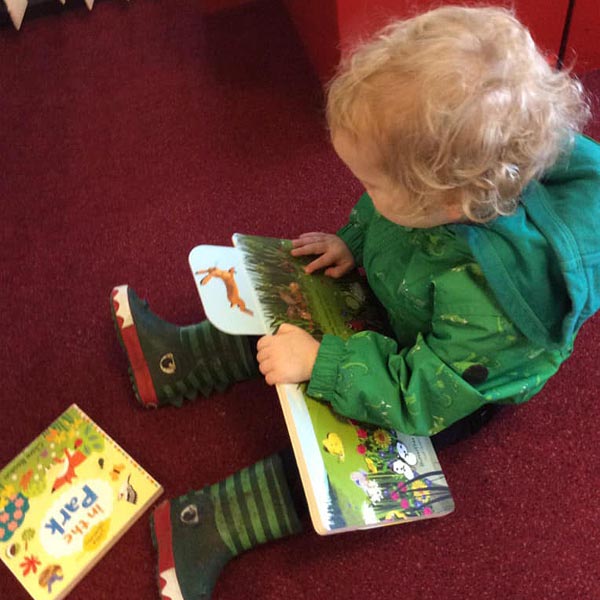
 Reading is a wonderful way to support learning through play. Choose age-appropriate books, of course, and be sure to engage in interactive storytelling. Ask and encourage questions about the story, encourage your child to predict what might happen next, and ask them what they might do if it were them in the story. Books and reading teach children so many things and, like pretend play above, truly encourage their imaginations and get their creative juices flowing. Learn more about how you can supercharge your child’s education through reading here.
Let Them Lead
Children learn at their own pace, so be patient and, on the whole, allow them to take the lead during play. Avoid over-structuring playtime; instead, let it flow naturally, following your child’s interests and cues. Doing so will ensure they remain engaged in the activity. Do, of course, sometimes inject new, perhaps creative ideas into their play, though. As adults, we can steer children subtly in their play when there’s an idea or concept that they may not be familiar with and may otherwise have missed out on. Simple examples could include introducing the concept of using different voices for different characters in a role-playing game and showing them a different way to build a structure in a building block or construction-based game.
Celebrate Achievements
Be sure to acknowledge and celebrate your child’s achievements during play. Whether it’s completing a challenging task, creating a masterpiece, or achieving something new, positive reinforcement will make play more fulfilling and boost children’s self-esteem. It’ll also, of course, make the activity more joyful and fun for the child — and that’s a sure-fire way to motivate them to play and learn even more.
Encourage Social Play
 Arrange play dates with other children or involve siblings in play activities at home. Social play helps children learn essential social skills like cooperation, sharing, and conflict resolution. It’s also a great way to make new friendships, learn from each other, and become a closer member of friendship circles.
Age-Appropriate Toys
When playing involves toys and props, ensure your child has access to those that encourage open-ended play and creativity. Blocks, arts and crafts materials, and imaginative play sets like dolls or action figures are excellent examples as they allow children to lead the direction that their play session follows. With such toys, their imaginations can run riot and they can get truly creative. Rotate the choice of toys and introduce new ones to keep playtime fresh and engaging over time.
An Outstanding Childcare Nursery in Clayton-le-Woods, Chorley

Just like at Little Acorns Nursery, your home can be a vibrant hub for play-based learning. A nurturing environment, the right resources and materials, and actively engaging with children during play, will empower them to explore, learn, and grow. By embracing the power of play at home and in settings like Little Acorns, we are paving the way to a brighter future where young minds flourish, curiosity thrives, and discovery is both fun and educational.
Little Acorns is an outstanding nursery in Clayton-le-Woods, near Chorley. Indeed, we are officially an Outstanding Provider according to Ofsted and that’s backed up by our prestigious national nursery award. We also support Government-funded childcare schemes for eligible families, making childcare more affordable for Central Lancashire families. If you want the very best for your baby, toddler or preschooler, register them for a place or bring them on a guided tour and we’ll be delighted to show you around and answer any questions. Get in touch:
Little Acorns Nursery is ideally suited for families seeking an outstanding childcare service in Clayton-le-Woods, Chorley. It may also suit those living nearby in Clayton Brook, Clayton Green, Thorpe Green, Pippin Street, Buckshaw Village, Whittle-le-Woods, Farington, Bamber Bridge, Lostock Hall, Euxton, Leyland or Penwortham.


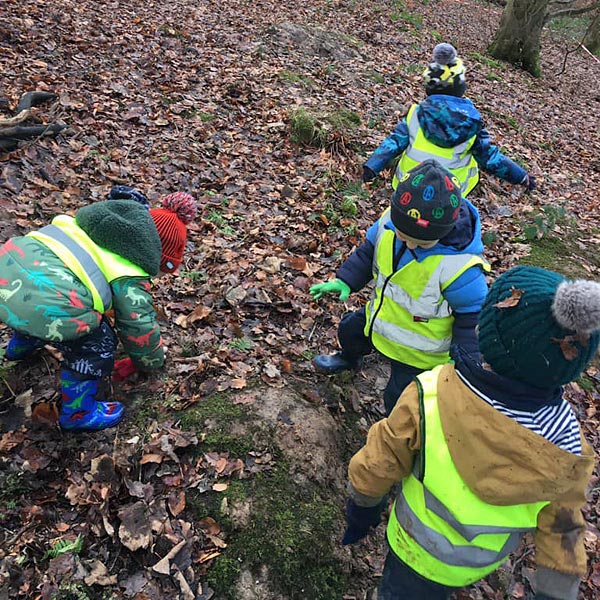
 By mid-November, autumn is in full swing and leaves are turning a myriad of different colours. Scenes of green, yellow, red and golden trees can be breathtakingly beautiful and the air is often crystal clear at this time of year — that’s great for photos! The autumn season also brings with it a treasure trove of fascinating natural things that children can discover if they take the time to look. Indeed, an autumn nature hunt is the perfect excuse for little ones to spend some time outdoors, where they will also
 Ensure children, particularly the very young, receive appropriate adult supervision at all times. Although fascinating and fun, the outdoors holds many hazards for the unwary. Therefore, children will need to be closely monitored by a responsible adult in order to safeguard their well-being.

 Children and parents, let’s go minibeast spotting! Whether you have a garden, neighbourhood park, or just a few potted plants, there are bound to be minibeasts visiting or living there. What’s more, summer is the perfect time to spot them. Spending time in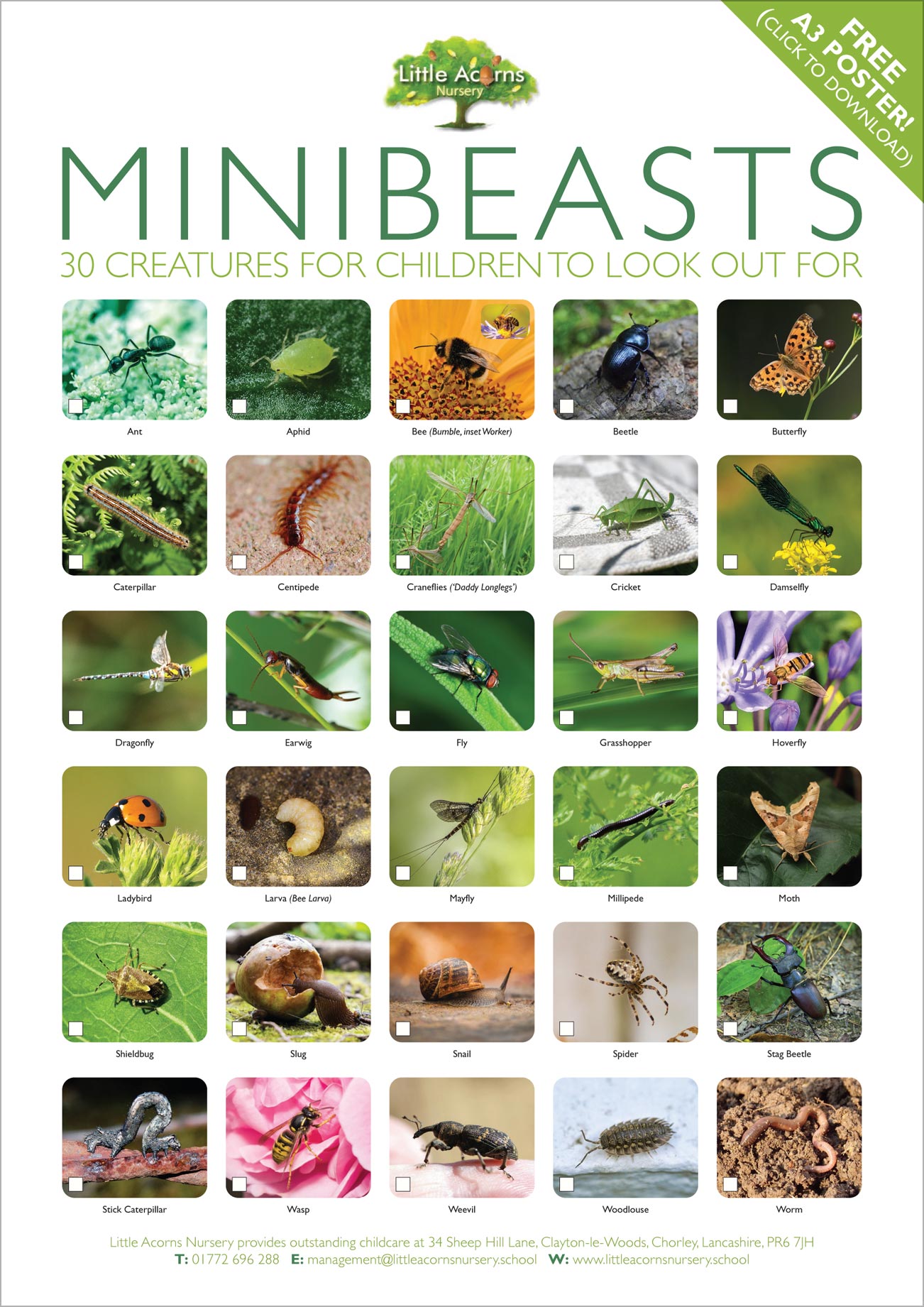
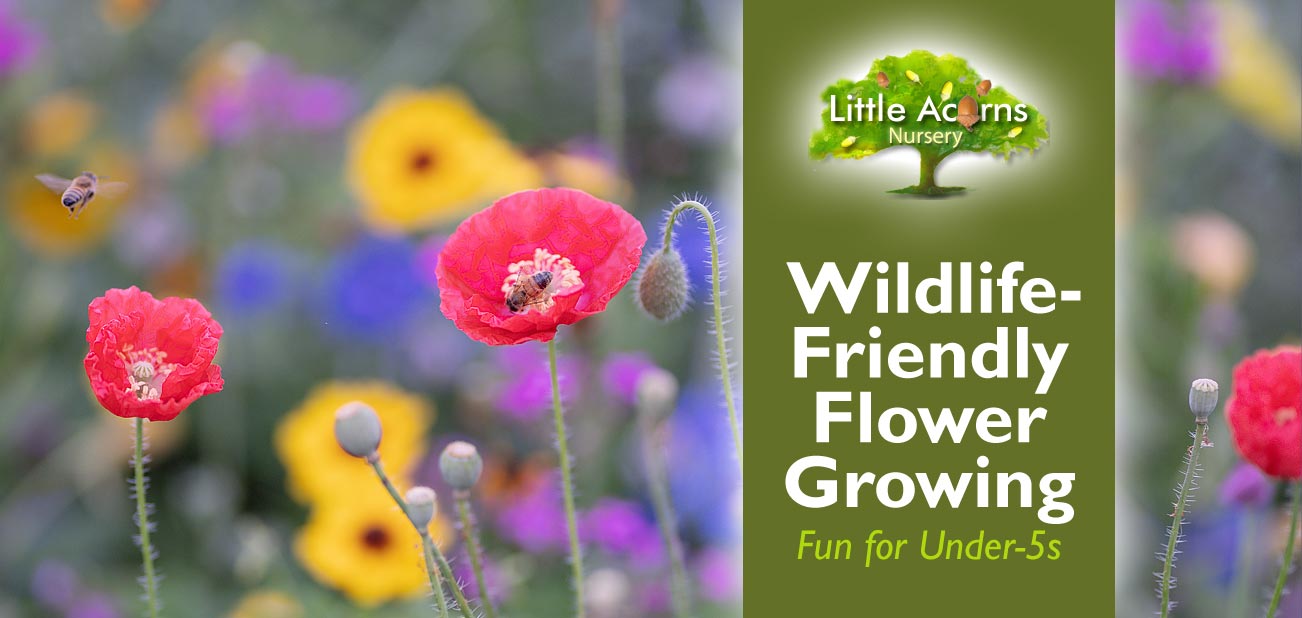
 Today’s flower-growing children’s activity follows on nicely from last month’s
  It’s possible to sow wildflower seeds from March right through to mid-October or, at a push, early November so long as snow or frost is not forecast. Those sown closer to March and April will generally flower in late spring/early summer. Those sown very late in the year will flower the following year, from spring onwards. Any sown up to and including the middle period, for example during July, should still flower in the same year — wildflowers usually bloom some 60 to 80 or so days later if they’re timed to grow in the same year as they’re sown.
 There are several ways for children and families to source wildflower seeds. The most obvious way is to buy them commercially, in seed packets. These are available from any number of different outlets including nurseries, supermarkets,
  If you buy your child commercially-available wildflower seeds, the information on the packet will often say if the resulting flowers are bee-friendly, butterfly-friendly, good for pollinators, and so on. So, if you’re sourcing seeds that way, much of the decision-making criteria around which actual flowers to grow is made clear and therefore the choice is easy.
 By their very nature, wildflowers are generally not very picky in regard to the type of soil they are happy to grow in. Therefore you/your child will have a greater choice of where to sow the wildflower seeds. A fairly clear sunny area is good, whether that’s garden beds, flower pots, window boxes, grow bags on a balcony, or even the lawn itself if you want a wild ‘meadow’ type lawn. Whatever the choice, it’s best if it’s somewhere that won’t be disturbed by you/the family though, as you wouldn’t want the wildflowers trampled once they do arrive.
 With regard to sowing the seeds, follow any seed-specific instructions on packets in relation to timing and spacing. If you’re using self-harvested seeds or there are no instructions, simply sprinkle the seeds so they’re spaced, fairly evenly, i.e. not too densely sown. This will avoid the wildflower plants having to compete with one another once they start growing. A tip is to sprinkle from a height as this will naturally scatter them more widely. Once scattered, your child can help* to pat the soil surface down, either by hand or using the back of a tool like a spade or a trowel, so that the seeds are secured in the soil. Children can even ‘walk’ them in if they prefer. Once complete, ensure that you/your child keep the soil damp over the coming weeks. The preparation stage really is as simple as that!
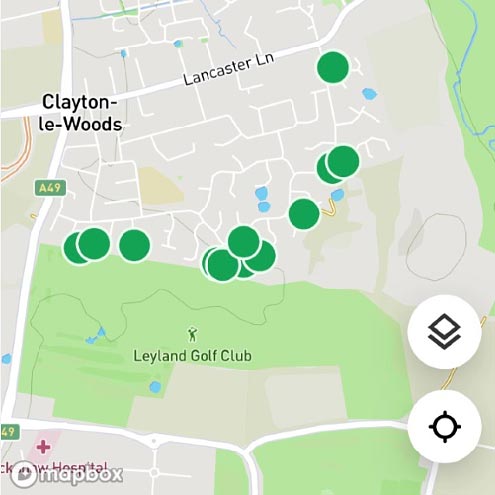
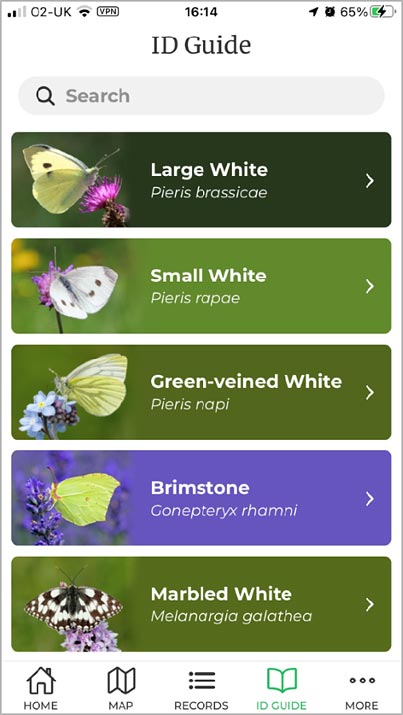
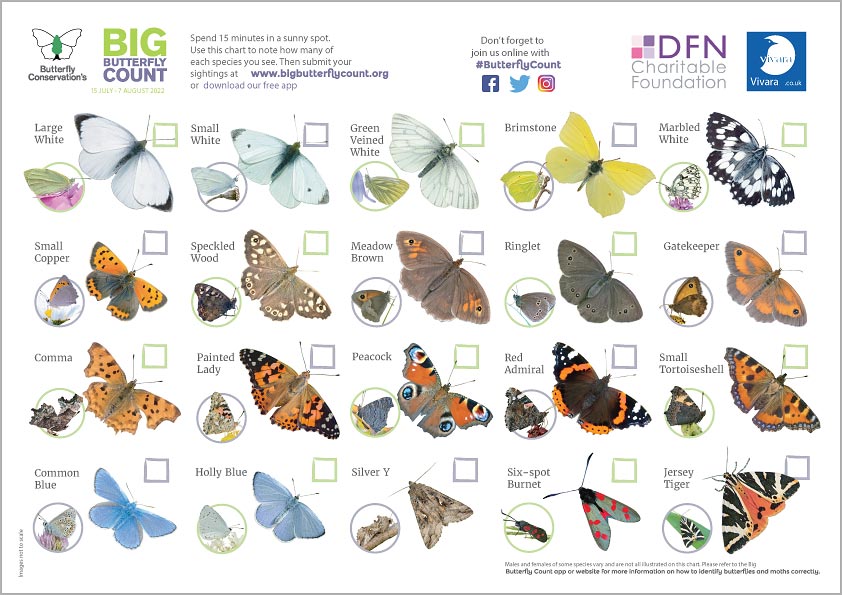
 Many will have heard of the Big Garden Birdwatch that takes place every year in January. However, fewer are aware of a similar activity called The Big Butterfly Count that takes place in July and early August. As well as being extremely worthwhile, it’s a wonderful activity for both children and adults to get involved in as citizen scientists. The activity helps with butterfly conservation, is educational for those taking part, and encourages families to get outdoors, closer to nature. And, as we know,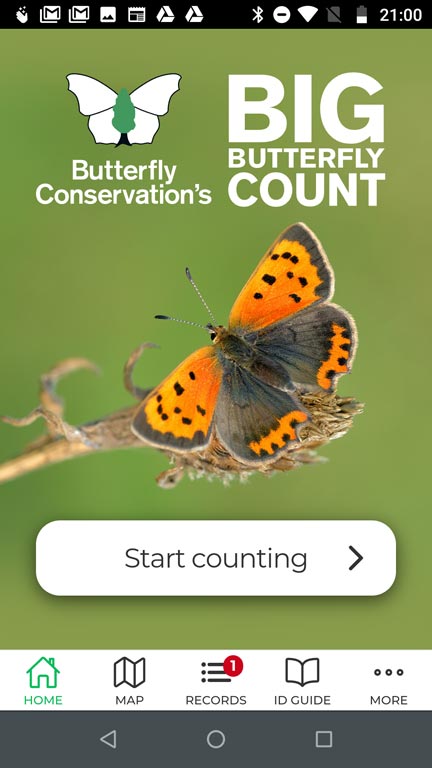



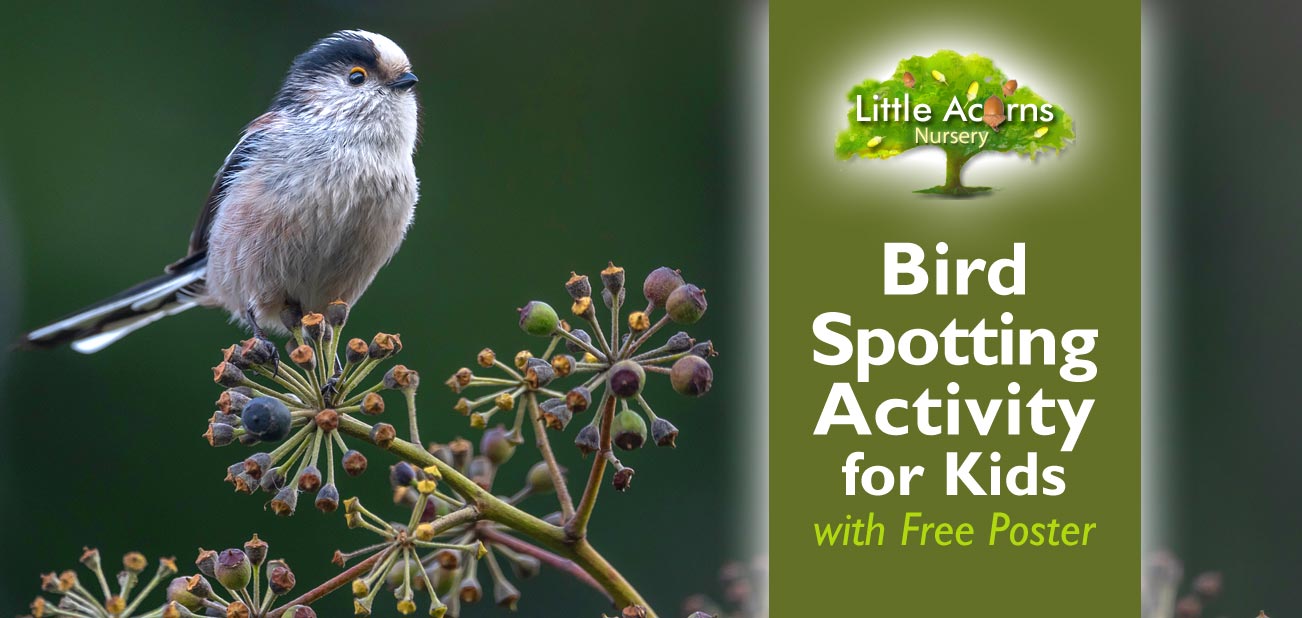
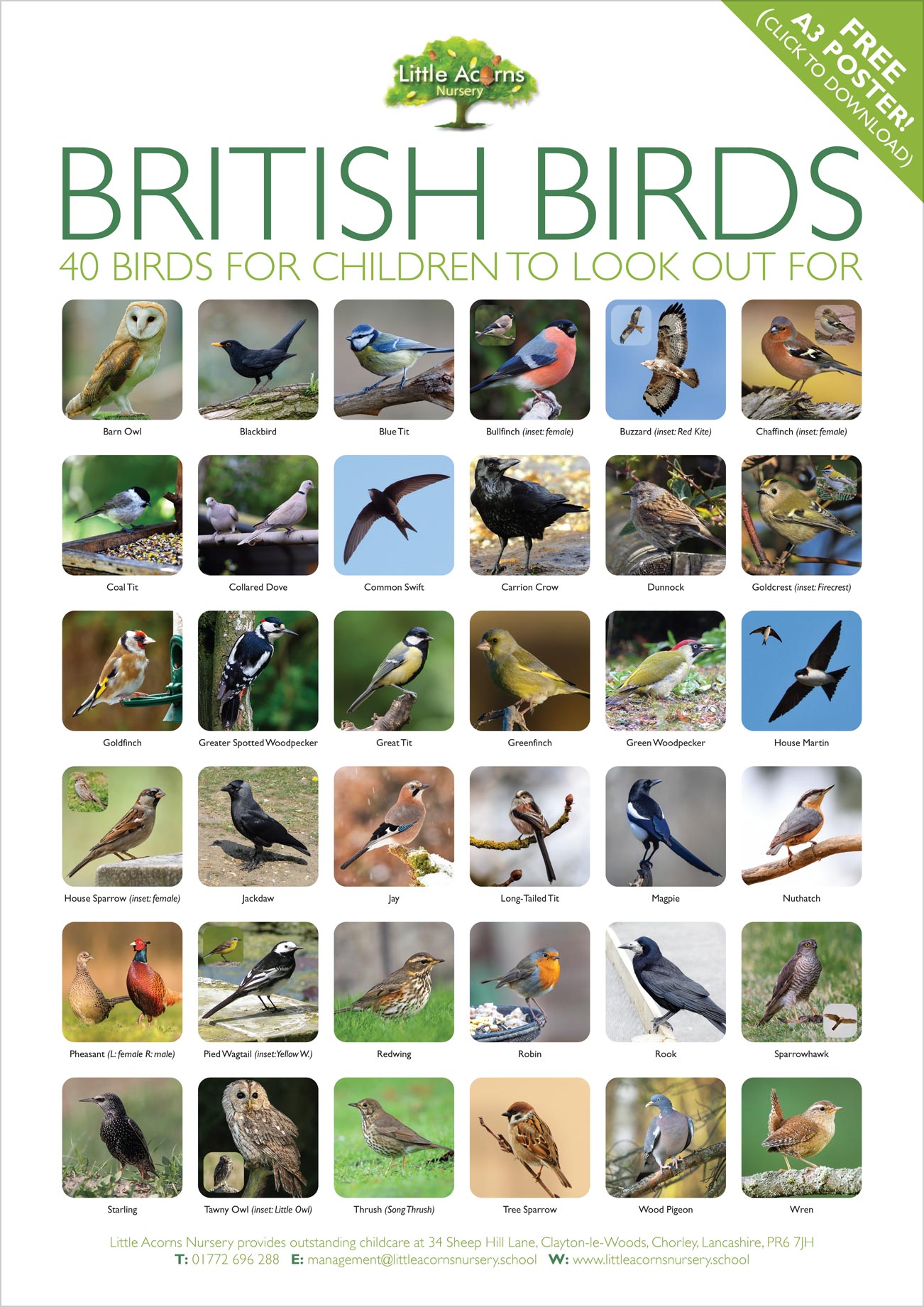
 Are you looking for a fun and educational activity for your children? Why not encourage them to do some bird spotting? Not only is it a great way to spend time outdoors, but it’s also a wonderful opportunity for them to learn about nature and develop observation skills. As we know,