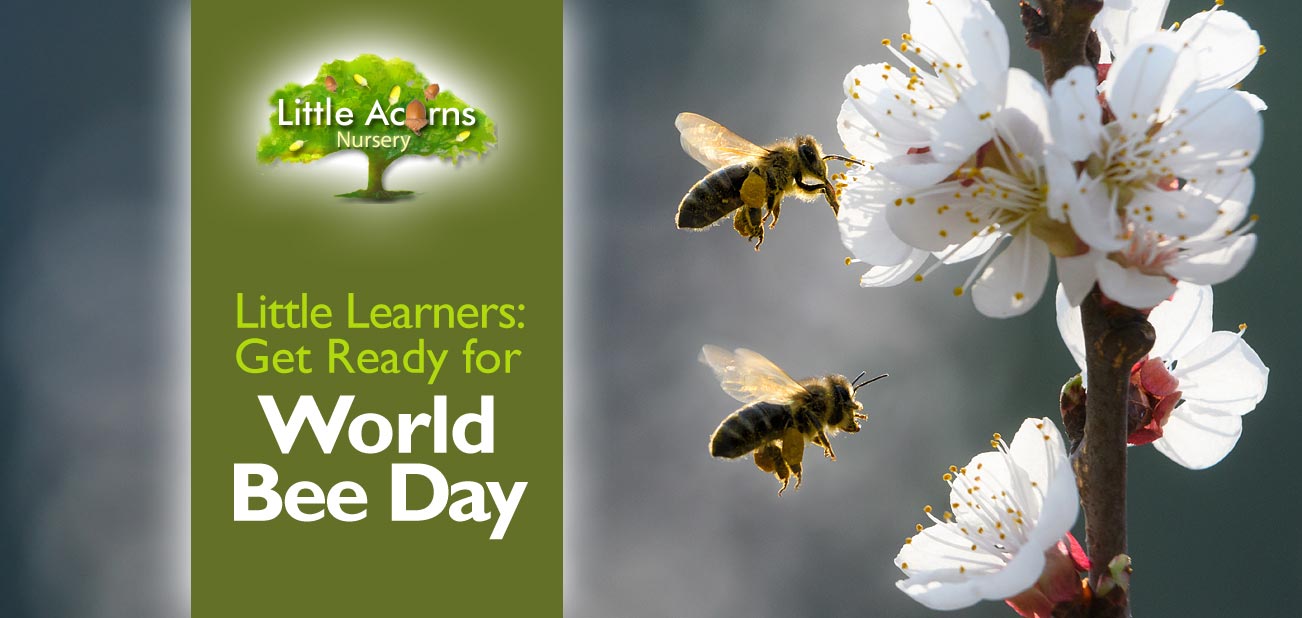
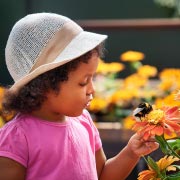
 Little learners, get ready – it’s almost time to buzz into action for World Bee Day! The annual event arrives in May and it’s a brilliant opportunity for children and families to get involved in something meaningful, fun, and full of learning opportunities.
Bees are amazing little helpers, whether in gardens, parks or the countryside — but they need our help too! World Bee Day is a chance for children to discover the magic of these fascinating creatures, learn more about the natural world, and start to build early environmental awareness. They can get proactive too. Whether by planting wildflowers, spotting bees in the garden, or creating bee-inspired arts and crafts, even our tiniest learners can join in the buzz. Read on to learn more about this fun, educational, and hugely worthwhile event, which takes place each May.
World Bee Day
 World Bee Day is celebrated every year on 20th May to raise awareness of the vital role that bees and other pollinators play in our world. From helping plants grow and supporting the food we eat every day, bees are some of nature’s hardest workers – and they need our help to survive and thrive.
People around the world mark the day by learning more about bees, planting flowers, protecting wild habitats, and sharing ways to care for the environment. Under appropriate supervision, there are lots of ways even the youngest children can join in too!
2025’s World Bee Day Theme:
“Bee inspired by nature to nourish us all”
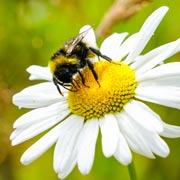 “Bee inspired by nature to nourish us all”
2025’s theme is all about how bees help feed the world, and how we can look after them by taking inspiration from nature. Without bees and pollinators, there would be no fruit, vegetables, crops, and nuts to keep us healthy. The message is simple: if we care for bees and their habitats, they’ll continue to care for us too by helping our plants grow and keeping the planet blooming.
Learn more about World Bee Day, its background and its aims here.
How World Bee Day Supports Early Years Learning
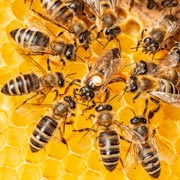 Getting involved in World Bee Day isn’t just fun — it also supports many areas of the Early Years Foundation Stage (EYFS), helping children learn and grow in meaningful, hands-on ways. Here are just a few ways bee-related activities can support early development:
- Understanding the World: Through bee-related activities, children will learn about living things, the environment, and how everything in nature is connected. Exploring bees and their role in pollination helps little learners begin to understand the world around them — and how they can help look after it.
- Communication and Language: Talking about bees, asking questions, listening to stories and learning new words (like ‘pollination’, ‘nectar’ and ‘hive’) builds vocabulary and encourages curiosity.
 Expressive Arts and Design: Making bee crafts, drawing flowers, role-playing as working bees, or moving like insects in a dance — all help develop creativity and imagination.
- Personal, Social and Emotional Development: Caring for nature supports empathy and kindness. Group activities like planting or creating a bee garden also build teamwork and a sense of shared responsibility.
- Physical Development: Activities like planting seeds, cutting out bee shapes, or painting flower petals develop fine and gross motor skills through playful, purposeful movement.
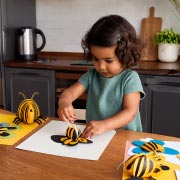 Expressive Arts and Design: Making bee crafts, drawing flowers, role-playing as working bees, or moving like insects in a dance — all help develop creativity and imagination.
In short, World Bee Day is a brilliant opportunity for young children to explore the wonders of the natural world in a way that supports their learning across multiple areas, is fun, and makes a difference!
Bee-Themed Activities for Under-Fives
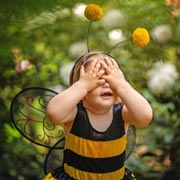 There are so many fun and simple ways for little learners to join in with World Bee Day! Here are a few activities that are perfect for children under five — each one encourages creativity, curiosity, and care for nature while also supporting the EYFS.
Plant a Pollinator Patch
Children can help plant bee-friendly flowers such as lavender, sunflowers, or wildflowers in a pot, bed or border. This not only encourages responsibility and care as they water and watch the plants grow but also supports the EYFS’s Understanding the World, Personal, Social & Emotional Development, and Physical Development goals.
Make Buzzy Bee Crafts
 Using paper plates, cardboard tubes, egg cartons or recycled materials, children can create their own bees! Add wings, stripes, googly eyes and antennae for a hands-on creative session. These are wonderfully creative activities that will boost several areas of the EYFS including Expressive Arts & Design and Physical Development.
Bee-Themed Storytime
Snuggle up with stories that introduce bees in a child-friendly way. Great choices include The Very Greedy Bee by Steve Smallman and Jack Tickle, Bee: Nature’s Tiny Miracle by Patricia Hegarty, and What if There Were No Bees? by Suzanne Slade. Even better, encourage children to create their own stories involving bees! After storytime, don’t forget to talk about what bees do with your child and ensure they understand why they’re important. These are great activities to boost the EYFS’s Communication & Language, Literacy and Understanding the World focus areas.
Sing and Dance Like a Bee
 Do you or your child know about the bee Waggle Dance? It’s a real dance that honey bees do to communicate the direction, distance, and quality of a food source to the rest of the bee colony. Click the video thumbnail to learn more — it’s absolutely fascinating! It’s also a great piece of knowledge to inspire children to buzz around the room with bee-themed songs, dances, and movement games. What’s more, it will help children in their EYFS goals including Physical Development and Expressive Arts & Design.
Go Bee-Spotting
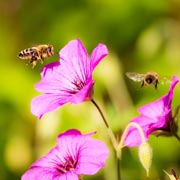 Explore the garden or outdoor space and, without disturbing them, see what pollinators your child can spot. Can they see any bees? What colours and flowers do they seem to like best? Are they collecting nectar? What type of bees are they? Bumblebees are super cute. Honey bees are super-hard workers and do so much for the world. A bee-spotting activity is a great opportunity to explore areas of the EYFS that include Understanding the World and Communication & Language.
Honey Tasting and Talk
If age-appropriate (never feed to babies under 12 months) and there is no allergy to it, let children try a small taste of honey. Then talk about how bees make it, and discuss where it comes from. You could even take this a step further by helping your child make a simple honey-based snack. For example, honey drizzled over pancakes or porridge oats — delicious! Such activities can help children focus on EYFS areas including Understanding the World, Communication & Language, and Physical Development.
These activities are designed to feel like play but, underneath, they’re packed with learning opportunities. What’s more, they help children build positive associations with the natural world and start to understand that even small actions can make a big difference.
Let’s Celebrate Bees on World Bee Day
World Bee Day is a chance to slow down and take a closer look at the tiny creatures that do such big jobs for our planet. It’s also a fantastic opportunity to help young children connect with nature, ask questions, and start to develop a sense of care for the world around them. Through simple, enjoyable activities, families can help raise awareness of the challenges bees and other pollinators face — from habitat loss to climate change. It’ll show children that even small actions, like planting flowers or spotting bees in the garden, can make a difference. So, get them buzzing while they explore nature, grow in confidence and curiosity, and learn that they too can help protect bees along with the wonderful world they’re a part of.
Nursery Places in Clayton-le-Woods, Chorley
 With our own gardens and outdoor spaces close by, children have lots of opportunities to explore and learn from nature at Little Acorns Nursery in Clayton-le-Woods. We know just how important nature is to children and it’s one of the many reasons we love introducing them to nature-based events, themes, and activities like those suggested in today’s post.
At Little Acorns Nursery, children have a wonderful start in life in a warm, caring, home-from-home environment where they feel safe, nurtured, and valued. Free childcare is available for eligible children from just 9 months of age. If you’d like to explore the possibility of sending your baby, toddler, or preschool child under five to this wonderful nursery and preschool in Clayton-le-Woods, Chorley, get in touch today. We’d love to answer any questions, tell you more, and show you and your child around the setting.
Contact Little Acorns Nursery
Families living nearby in Clayton Brook, Clayton Green, Thorpe Green, Pippin Street, Buckshaw Village, Whittle-le-Woods, Farington, Bamber Bridge, Lostock Hall, Euxton, Leyland and Penwortham may also find our nursery conveniently close.


 When April is on the horizon, there is a buzz amongst parents whose children will receive school offers that month. It’s quite a milestone in the lives of families as it’s the time they’ll find out if their children have received an offer for their top school choice. If not, will they be offered another “preferred” school listed lower on their application? It will often have felt like a long wait to find out the results, too, with families having applied in mid-January or potentially months earlier. Because we are an early years nursery, today’s guide focuses on primary school offers. We’ll explain in detail when to expect your child’s primary school offer, criteria that may have affected it, and your options if you’re not happy with the school place offered. To keep things as simple as possible, we’ll concentrate on applications for a standard school start date in the September term (rules and dates for ‘in-year’ applications are slightly different). If your child is due to start primary school this year, take a look.



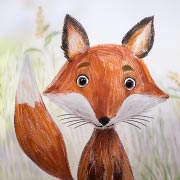 Children will love creating wildlife art. Whether it’s drawing animals and plants, making a collage, or constructing an animal out of cardboard or origami, wildlife art is a wonderful way to get children involved. What’s more, they will get a sense of satisfaction from the activity and it can help them appreciate wildlife more.
 Another incredibly worthwhile activity that children can get involved in is fundraising for a wildlife-related charity. This can be done, for example, through a sponsored activity of some kind. That could be a sponsored walk, hop, swim, or whatever children and families choose (under supervision, of course, for the youngest). A sponsored fundraising activity will not only raise funds for a wildlife charity of choice but also spread the word. Furthermore, children will get an enormous sense of achievement at the end when their actions raise vital funds for animals or conservation. Volunteering for local wildlife charities is also hugely worthwhile, of course, but it is more suited to when children are older.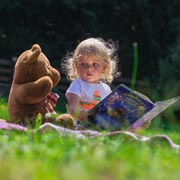
 World Wildlife Day brings into focus the enormous challenges that affect nature’s flora and fauna. Sadly, many of those challenges are caused by humans, whether it’s due to habitat loss, global warming, or something else. By raising awareness through World Wildlife Day activities, children and families can also challenge themselves to live more sustainably. This is a whole topic in itself! However, some easy measures can be things like:
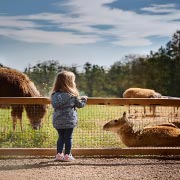 Children can also get closer to wild flora and fauna if they live near a wildlife sanctuary (or zoo) or somewhere like a national park. Nothing can really replace seeing animals and plants in real life and so it’s worth researching to find somewhere to visit close by. In Lancashire, just five miles from Little Acorns Nursery, for example, is
  Teaching children how to grow their own plants and, better still, food is a wonderfully educational and fulfilling activity. As well as learning to appreciate wild plants growing in parks and the countryside, learning how to grow their own, at home, is also great fun. Luckily, we have a whole blog post dedicated to
 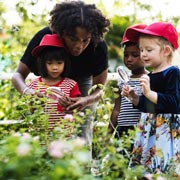 A nature scavenger hunt is also great fun and is sure to get children interested in nature, wildlife, and the outdoors. The activity involves looking out for specific natural things, for example, a pine cone, a robin, a squirrel’s drey (i.e. nest), a winged seed, or animal tracks. It will also
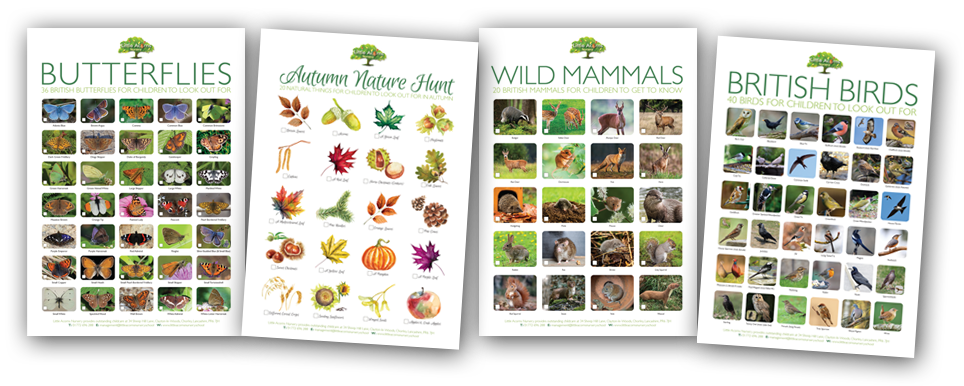
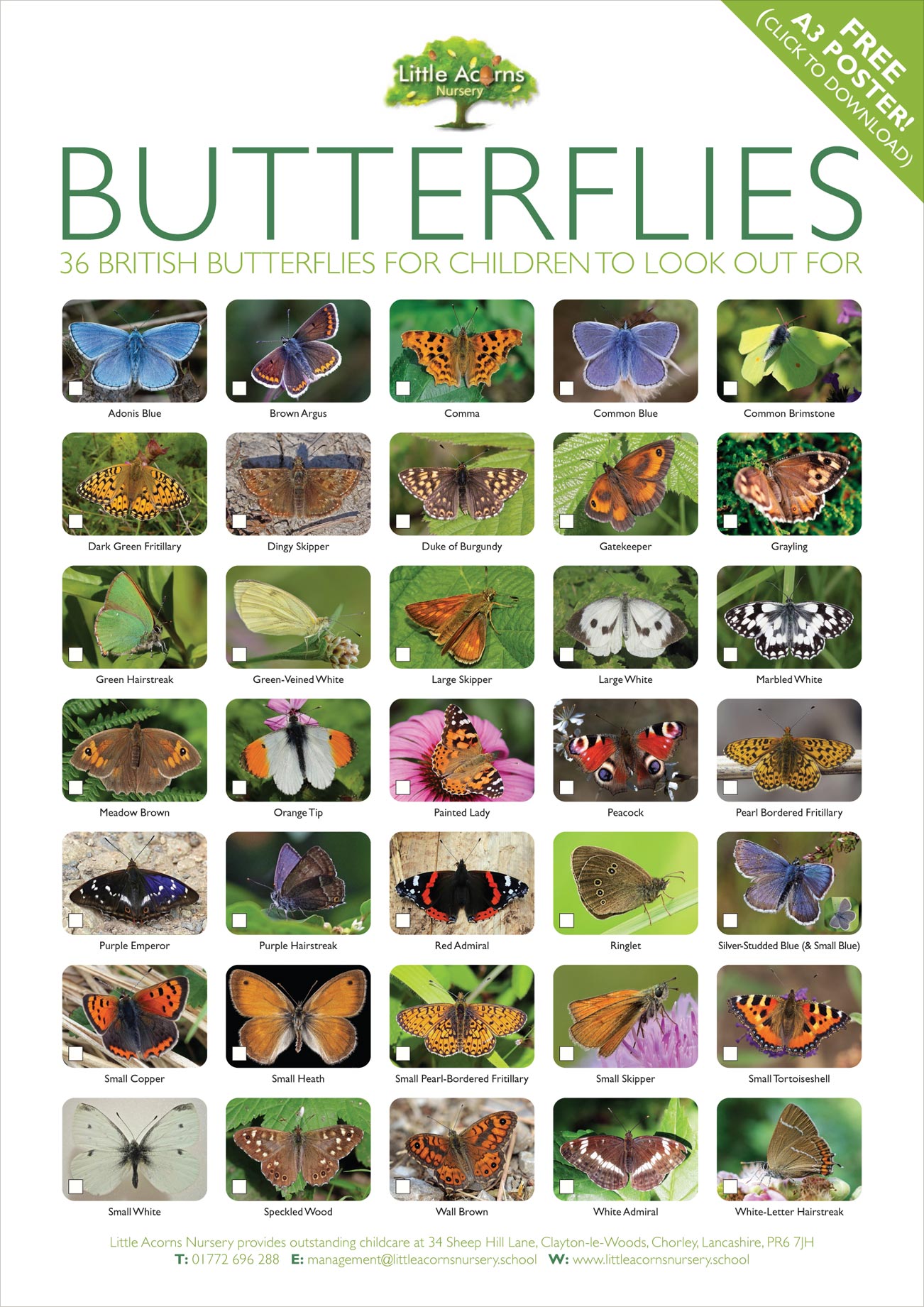
  Encouraging (and supervising, where appropriate) an activity where children try to see different types of animals, birds, and insects is also a wonderful way to get them interested in nature. To make it easier, we have published some free, downloadable reference sheets, which also double as posters, for families to use during this activity. These include
 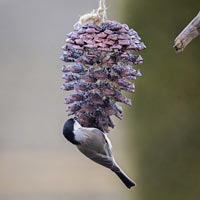 If children like the idea of attracting birds and other wildlife to their own garden, there are many easy ways to make this possible. As well as putting out suitable food to attract birds, children can help make a quiet, wild area with a compost heap to attract minibeasts. There are so many ways to attract wildlife so, to get you started, check out our
 With the start of the new year now behind us, it’s time for children to get ready to take part in National Storytelling Week. This year it begins on Saturday the 1st of February and ends on Sunday the 9th. It’s a wonderful initiative that brings children and families together to use their imaginations, get creative, and entertain one another. What better time of the year to do that than during mid-winter? National Storytelling Week is perfectly timed to be a fabulous antidote to cold, blustery, winter days and is a wonderful way for children to escape through the power of the mind.
 Whether listening to another’s story or creating it themselves, storytelling is a fun activity for children and adults alike. In either case, imagination is a powerful thing that will allow children to immerse themselves in new worlds, new situations, and new adventures. What’s more, it can even allow them to temporarily become someone or something else. That’s hugely powerful!
 With a theme as open-ended as reimagining their world, children have free reign to come up with all kinds of storylines and scenarios. When it comes to creating stories the world is, as they say, their oyster and it’s only limited by their imaginations. They could perhaps come up with some kind of fantasy with colourful landscapes, magic, and weird, wonderful creatures. Or perhaps the story revolves around a futuristic city where travel by hoverboard is the norm. Or maybe the storyline is something more simple and subtle that’s not so different to reality. It’s entirely their choice and, for supervising adults and parents, it’ll certainly be interesting to see what they create.
 First-time storytellers may better grasp the idea if an adult/parent first tells a story as an example. This will help them see what’s possible — and indeed show that anything is possible.

 Today we look at the wonderful Ofsted report published recently for Little Acorns Nursery in Clayton-le-Woods, Chorley. Ofsted is The Office for Standards in Education, Children’s Services and Skills. Their inspector visited this fabulous Lancashire childcare setting in late August and released its official report a month later on 25 September 2024. Our post today spotlights some of the many glowing comments made by the inspector therein, following her visit. It also highlights the reasoning for ‘good provider’ ratings across all areas of the Ofsted report. Take a look and you’ll see why babies, children under five, and those with special educational needs and/or disabilities absolutely thrive at Little Acorns.
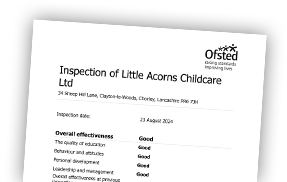 Overall effectiveness: Good
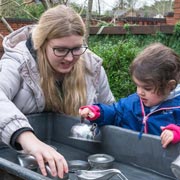 Any good nursery or childcare provider will ensure that children understand right from wrong and are mindful of the effect their actions have on others, including peers. Nurturing good manners and appropriate behaviour amongst little ones benefits everyone including, of course, the children themselves. Ofsted’s latest report recognised that Little Acorns is very successful in this regard:
 Children find messy play hugely rewarding as well as being immense fun. Messy play nurtures children’s imaginations, creativity, dexterity, and self-expression and benefits them in many other ways. It is therefore a crucial part of early years learning and development — and more important than it perhaps sounds. Ofsted picked up on the quality of messy play activities at Little Acorns Nursery within its report: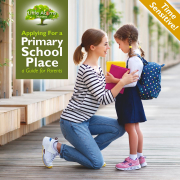
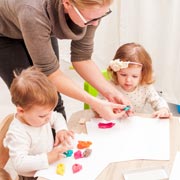 If your child is 3 or, at the latest, has just turned 4, it’s time for you to apply for their primary school place. What’s more, you only have until about mid-January to do so. That’s all true whether you intend them to start school at 4 or leave it until they’re 5. In today’s guide, we explain the rules around applying for a primary school place, the key dates you need to know, what to expect, and the various options open to you and your child.
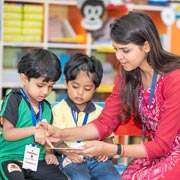 Most children in England start primary or infant school earlier, in ‘Reception’ year. For most, this will be in the September term when they’re still only 4. That’s just one reason why applying for a primary school place is so important while they’re only 3 or, at the very latest, have just turned 4.
 Registering an interest that you’re interested in a particular primary school is sensible and, indeed, may result in the school supplying some useful information. However, it will not guarantee your child a place even if it’s attached to their nursery or preschool. You therefore need to make your official application through
  Research your local primary schools, visit them to get a feel for them, and ask teachers and heads any questions you may have. Schools often have open days or evenings or accept appointments for these purposes.
 The child’s proximity to the school;
 For primary** school places, offers are released around the 16th* of April each year, the exact date depending on whether the 16th otherwise falls on a weekend or public holiday. For 2025, 2026, and 2027, primary school ‘offer day’ will therefore fall right on target on the 16th of April as each is a weekday for each of those years. Those applicants who had applied online, on time, and supplied an email address during the application process, will be the first to receive offers via email. Later the same day, others who supplied an email address will also receive offers via email. Those who applied without supplying an email address will have their offers posted via 2nd Class post, meaning they may find out what school their child has been offered a day or two later than the 16th of April. That said, some local authority portals allow all parents to log in to view school offers online.
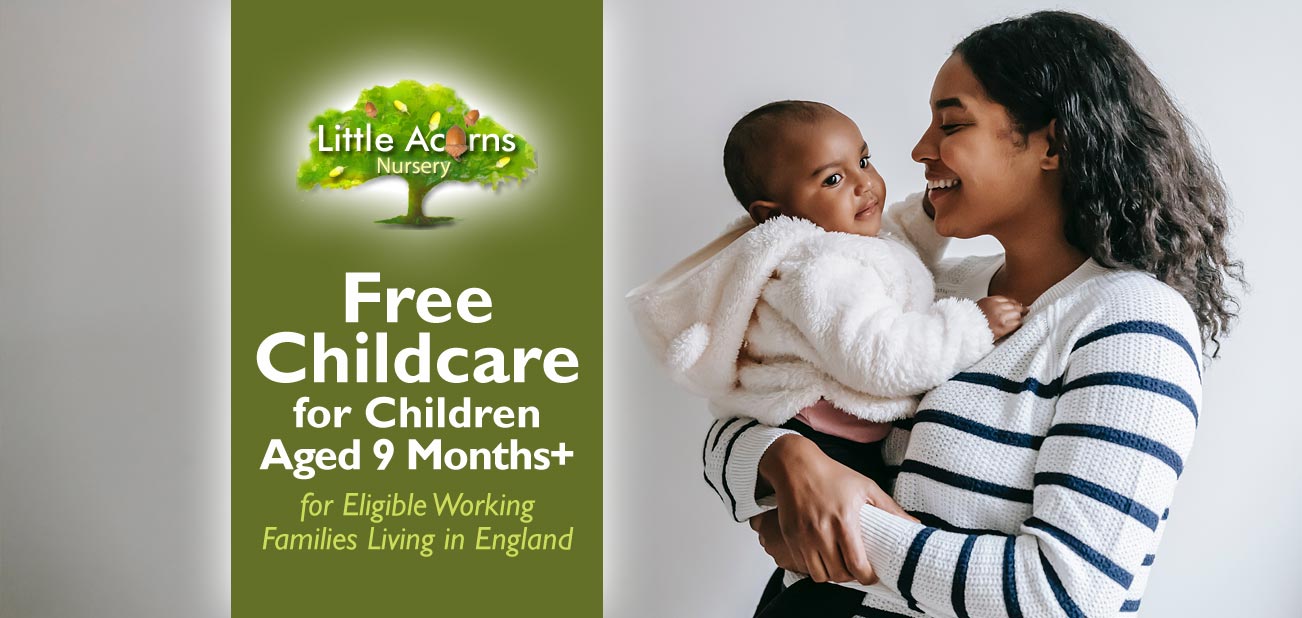
 With September 2024 arriving, eligible children aged as young as 9 months can now access free childcare in England. The new childcare ‘hours’ are available where working families are eligible for the support and, in tandem, where local childcare providers are set up with appropriate staffing ratios and capacity. The good news, however, is that Little Acorns Nursery, in Clayton-le-Woods, supports the new scheme. It’s therefore with great pleasure that we’re now beginning to welcome children as young as just 9 months of age for free childcare hours at the Chorley setting.
 From September 2024 (so already active), eligible children aged from 9 months to 3 years of age can access 570 hours and eligible children aged 3 and 4 can access 1140 hours of free childcare support per year. The free hours are usually taken over the course of 38 weeks (equating to 15 and 30 hours per week respectively). However, some childcare providers may allow the hours to be spread over more weeks of the year by reducing the number of hours per week. Speak directly to your specific childcare provider about the availability of this more flexible option.
 Must not have an
  Little Acorns is a wonderful
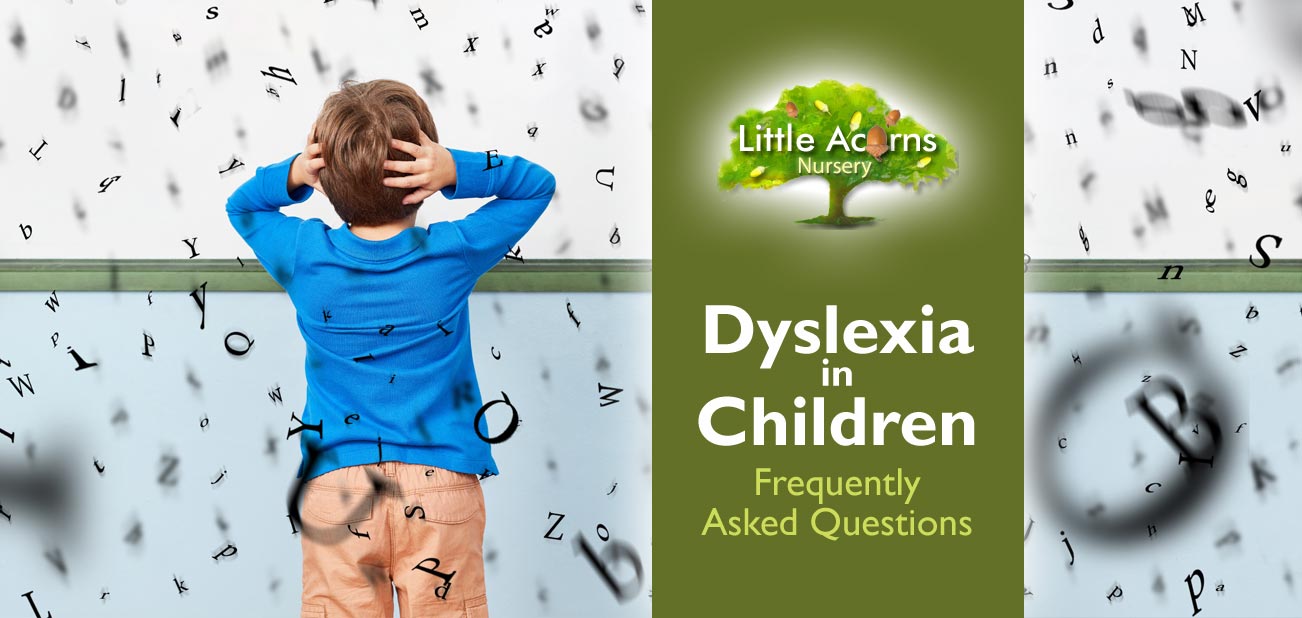
 As a condition that affects children’s reading and writing abilities, Dyslexia is something that can significantly hold little ones back. If not diagnosed and addressed in good time, it can have a knock-on effect that adversely affects the education and potentially whole lives of people affected. It’s therefore important to learn what to look out for so as to recognise the possible signs of dyslexia in children should they occur. With that in mind, today’s article explores the answers to frequently asked questions about dyslexia so as to explain what dyslexia is, how it affects children and adults, what to look out for, and what to do to mitigate its potentially harmful effects.
 Described back in the 19th century as ‘word blindness’, Dyslexia is a lifelong problem that primarily affects the ease with which a person can read (especially) as well as affecting other language-based skills like writing, spelling, and sometimes even pronunciation. As such, it has potential knock-on effects in a wide array of areas of people’s lives and can present daily challenges for those affected.
 Some people with dyslexia have described its effects as causing letters to jump around and words to jumble up. Others say that words blend together and even spaces between them can disappear. Individual letters and numbers can mix up and, for some, characters may seem incomplete. Sometimes, they are perceived in mirror form (so, for example, a “b” becomes a “d”) or are even perceived as being upside down (so, a “6” would be perceived as a “9”). Whatever the specific effect, the result is to make words unintelligible. Immense concentration is required to try to make any sense of them. Clearly, this presents enormous challenges to reading, writing, spelling, reading out loud, and even mathematics. The knock-on effect of all this is that reading and learning from books about any number of topics — including those in the curriculum — can therefore be hugely challenging and profoundly impactful.
 The signs of dyslexia vary from child to child and this, in itself, makes spotting the issue more tricky. That said, the most common signs of possible* dyslexia, specifically in children of pre-school and school age, relate to language-related difficulties. Examples include:
 Dyslexia is a specific learning difficulty. While some children affected have no additional limiting condition, some have additional problems. These can include dyscalculia, dyspraxia, ADHD, short-term memory issues, and issues with time management. We’ll aim to cover some of those topics separately, in future posts.
 Where an issue like dyslexia is suspected, parents/carers should speak with their early years provider or school teacher to voice any concerns — and vice versa. The earlier an issue like dyslexia is spotted, the sooner measures can be implemented to help the child. Such early intervention is really important when reading and language are affected because they have such a snowball effect on other areas of learning. That said, it is more difficult to diagnose dyslexia in the pre-school years, as signs are not so obvious at such an early age. However, a few early signs may sometimes become evident as indicated in the early entries of our list of possible signs of dyslexia earlier in this article.
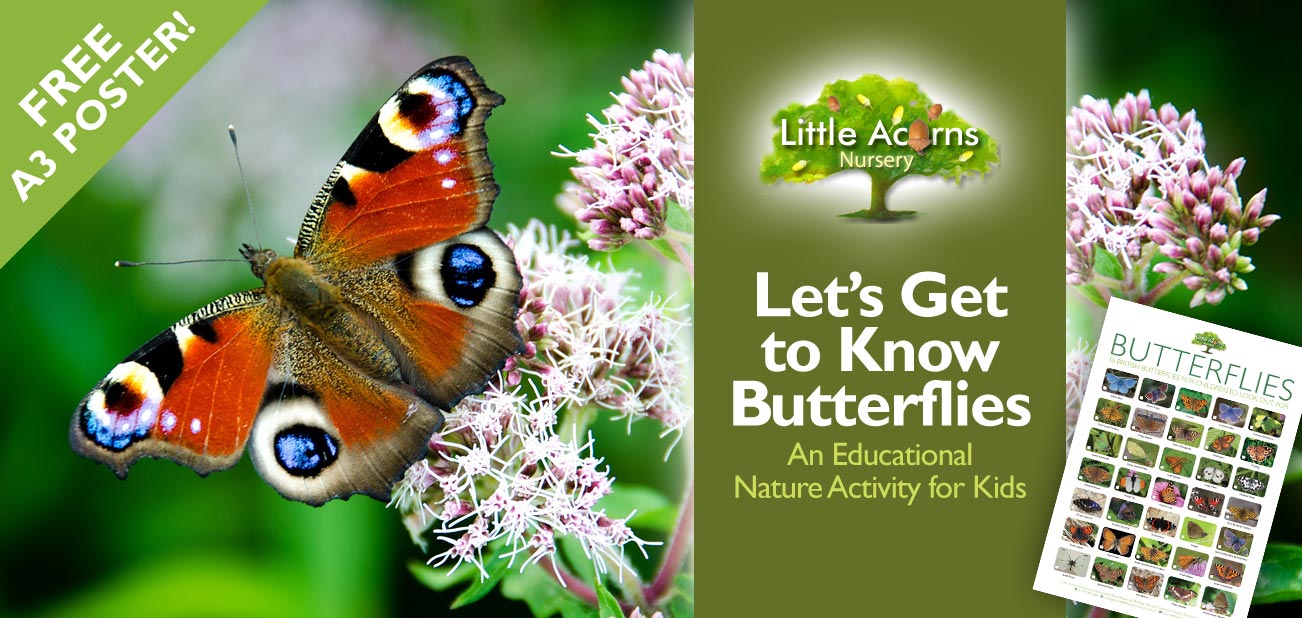
 For many species, population numbers have plummeted over recent decades. Introducing your child to today’s