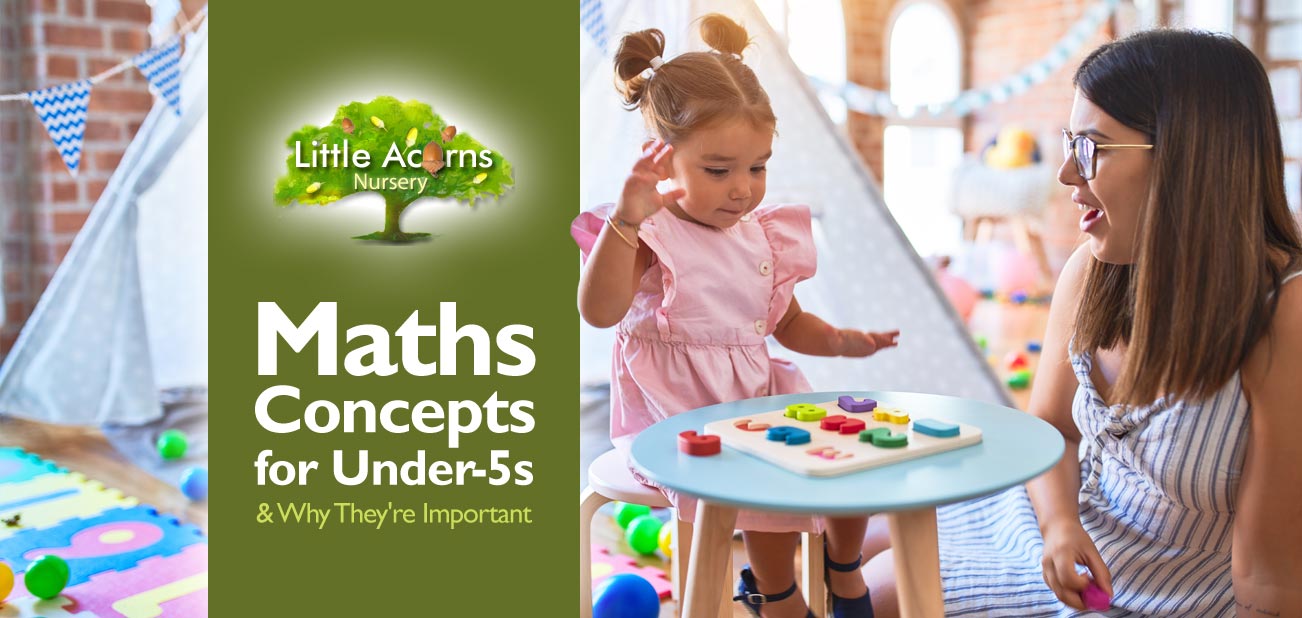
 Once babies have transformed into toddlers, it’s never too early to introduce them to maths-based concepts and language. Indeed, introducing under-fives to such concepts in the earliest years will benefit them hugely as it lays the foundations for future learning. That’s one of the main reasons it is a part of the EYFS curriculum. Continuing this learning at home will also help them instinctively understand that mathematics is a normal and integral part of everyday life. As such, there is no need for it to be perceived as a daunting topic. With all that in mind, today’s guide explores why the early introduction of mathematics is so beneficial to under-fives and how parents and caregivers play a vital role in encouraging their mathematical curiosity, knowledge, and confidence.
The Benefits of Understanding Maths Concepts in the Early Years
As well as the obvious advantage of improving numeracy skills, learning mathematical language and concepts at an early age has several key benefits for under-fives.
Enhanced Vocabulary Development & Language Skills
Children exposed to rich mathematical language will naturally have stronger vocabularies. This, in turn, will facilitate enhanced communication skills, for example, through the mastering of such things as descriptive, comparative, and positional words.
Improved Cognitive Skills
Learning numeracy skills is like a subtle workout for the mind. Such activity is known to stimulate brain development and improve memory, attention, and critical thinking skills. Each of these benefits will allow children to make connections and solve problems more easily.
Stimulated Creativity & Imagination
Mathematics isn’t just about numbers; it also involves creativity. For example, children can explore patterns, shapes, and spatial relationships, each of which has maths at their heart. Indeed, maths is integral to design, art, music, dance, and many other creative areas that children can immerse themselves in.
“Studies show a direct correlation between early mathematical skills and later educational achievement.”
A Foundation for School Success
 Familiarity with mathematical terms and concepts also helps to prepare children for formal education, including in many areas other than pure mathematics. Understanding maths concepts from an early age will allow them to confidently engage in number-related exercises and discussions, greatly enhancing their school readiness across multiple topics. Such preparation will allow them to take maths-based challenges in their stride right from the moment they begin Reception Year in primary school. What’s even more striking is that studies show a direct correlation between early mathematical skills and later educational achievement.
What Kind of Maths Concepts Can Parents Teach Tots?
As you’ll see below, there are many different types of maths-related words and concepts that parents can help children grasp. As we said before, maths is all around us, so there are many opportunities to help little ones master mathematical concepts and language — even from an early age. Aside from learning the actual numbers, some examples include the following:
 Counting is the most obvious example. Counting can be introduced and practised by your little one in many, many situations, from counting how many more mouthfuls of food a child should eat, to the number of Lego blocks in a tower they’re creating.
- Size is another maths-based concept where, given some parental guidance, little ones can soon begin to understand whether something is tiny, medium-sized, big, gigantic, tall, short, thin, or wide.
- Measurement is another maths-related concept for children to grasp, so encouraging them to learn when something is full, empty, long, heavy, light, etc., will stand them in good stead both linguistically and in terms of mathematics.
- Similarly, comparatives will be useful for children to understand. It’s essential for them to grasp concepts and language like more, less, equal, different, the same, identical, and so on.
- Shapes also have roots in maths, so children should get familiar with 3-sided triangular shapes, 4-sided shapes like squares and rectangles, and so on.
- Positions are also founded in mathematics, so children should be encouraged to recognise when something is on, off, inside, outside, up, down, and suchlike.
- Finally, time also has its roots in numbers and mathematics. Therefore, it will help children to not only tell the time eventually but also understand the meaning behind words like early, late, now, later, soon, etc.
 Counting is the most obvious example. Counting can be introduced and practised by your little one in many, many situations, from counting how many more mouthfuls of food a child should eat, to the number of Lego blocks in a tower they’re creating.
 Shapes also have roots in maths, so children should get familiar with 3-sided triangular shapes, 4-sided shapes like squares and rectangles, and so on.
How to Go About It
Parents, caregivers and relatives can help children under five learn about these mathematical concepts and the language that surrounds them. Games, books, and even songs, for example, often include facets of maths and maths language that adults can draw children’s attention to and get them involved in. Counting fingers, toes, and objects like building blocks is another obvious example and one which can be extended to include much of the maths-related vocabulary that we mentioned earlier (numbers, comparatives, positions, shapes, etc.).  Creative endeavours can also be vehicles through which supervising adults can highlight elements of mathematics that are built into designs and creations that children may generate. Patterns and shapes are obvious examples of that. Last but not least, parents can involve children in maths facets which are integral to everyday life, for instance, counting items when out shopping, or measuring when putting ingredients together for a meal. Children will love being more involved in such activities and will learn about maths in a fun, natural, and engaging way. Doing so will create the strongest foundations for their future learning.
We may follow up at a later date with some in-depth activity ideas that will help children learn more about maths and the language surrounding it, so watch this space!
Little Acorns: an Outstanding Nursery in Clayton-le-Woods, Chorley
Award-Winning Childcare in Central Lancashire

Little Acorns gives babies, toddlers and preschoolers the very best start in life at their Clayton-le-Woods nursery near Chorley. That’s backed up by being rated an Outstanding Provider by Ofsted and a prestigious National Nursery Award too. So, if you want the very best for your child, choose Little Acorns Day Nursery for their weekday childcare and we’ll ensure they absolutely thrive and are prepared for success.
Get in touch today to register your child for a nursery place, set a date for a guided tour of the setting, or ask any questions:
Little Acorns is an outstanding nursery and preschool located in Clayton-le-Woods, Chorley, near Clayton Brook, Clayton Green, Thorpe Green, Pippin Street, Buckshaw Village, Whittle-le-Woods, Farington, Bamber Bridge, Lostock Hall, Euxton, Leyland and Penwortham.
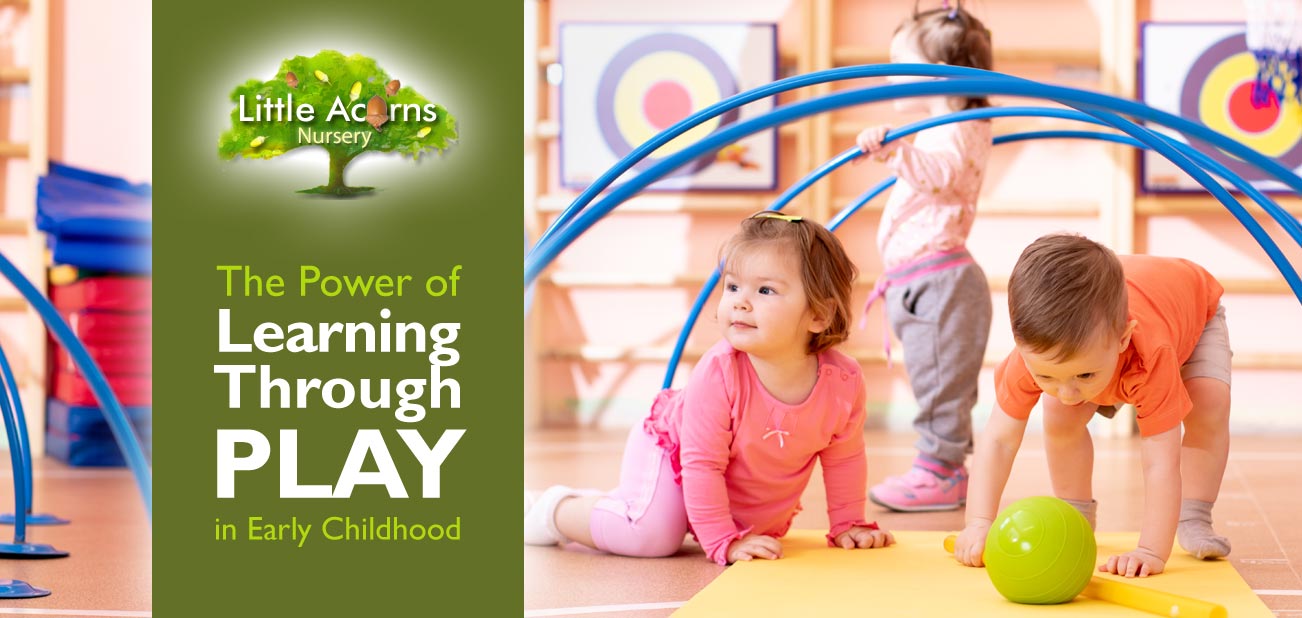
 In the world of child development and early education, there is a simple yet profound truth: children learn best when they are learning through play. Play is the universal language of childhood and, indeed, it transcends both borders and cultures. Whether it’s building sand castles on a sunny beach or arranging blocks on the floor at home, play is the gateway through which children explore, discover, and grow.
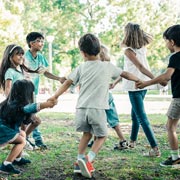 As adults, we often associate learning with classrooms, textbooks, and structured lessons. However, for children, the process of learning is a dynamic and ever-evolving adventure, with play being their very best companion during the journey.
 Do babies benefit from play? Absolutely. Play is the first way through which infants start understanding their world. They use their senses to explore toys, grasp objects, and make sense of the environment around them. Sensory play, such as touching different textures or listening to soothing sounds, stimulates their developing senses and lays the groundwork for future learning.
 During the run-up to the age of 5, play is integral to children’s development. During this phase, children are like little sponges, soaking up information from their surroundings. Play allows them to experiment, make connections, and refine their cognitive and many other skills. Skills enhanced through play include:
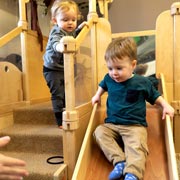 Creating playful environments — we understand the importance of a conducive environment for learning through play. With that in mind, we provide carefully designed play spaces that are rich in stimulating materials and resources. These spaces allow children to engage in various types of play, from imaginative to sensory, in a safe and supportive setting.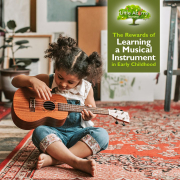

 While listening to music has a unique way of resonating with the human spirit, actually creating it on a musical instrument elevates that connection to entirely new levels. What’s more, learning to play an instrument leads to a whole host of multifaceted benefits. Whether tinkling piano keys, strumming guitar strings, or playing a wind instrument, children who learn to play a musical instrument will soon discover a whole world of opportunities and advantages that extend far beyond the realm of melody and harmony. With that in mind, today’s article explores the myriad of sometimes surprising benefits that learning to play music will bring to children, even at a very young age. Take a look below and discover how musicianship could benefit your child, extend their skills and potentially enrich their life profoundly.
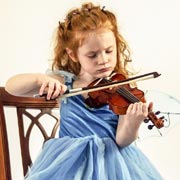 The influence of music on brain development is nothing short of remarkable. Learning to play an instrument engages various parts of the brain simultaneously and is like a 360-degree workout for the mind! As such, its cognitive benefits are profound. Children who take up musical instruments therefore tend to excel in memory, problem-solving, and mathematical skills. Indeed, studies have shown that musical training can lead to improved academic performance, enhancing children’s abilities, particularly in subjects like mathematics and science. So, when your child learns to play a violin, piano, guitar or even a simple recorder, they’re not just making music; they’re also fine-tuning their cognitive abilities.
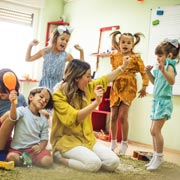 Learning an instrument represents a real journey of creativity and imagination. Children explore melodies, experiment with harmonies, and may often progress to compose their own tunes. This creative process nurtures their imagination and encourages them to think in new and alternative ways. Making music really is a powerful tool for unlocking children’s artistic potential.
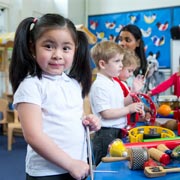 Music is often a collaborative endeavour and that, in itself, will bring additional benefits to children. As well as simply being enjoyable, group music lessons and ensemble playing will teach children valuable social and teamwork skills. Through music-making, they will learn to listen, cooperate, and communicate effectively with others at appropriate times — and even to make more friends. Such skills go well beyond the world of music and are fundamental in importance and positive impact.
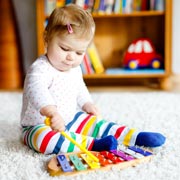 For infants and toddlers, musical exploration can start with simple activities like singing lullabies, clapping to a rhythm, or playing with simple musical or percussive toys. These activities introduce them to the world of sound and rhythm in a playful and engaging way.
 Every 2-year-old attending registered childcare settings in England is subject to what’s known as a ‘Progress Check at 2’. Today we explain what it entails, who is involved and how it benefits little ones. Here’s our rough guide to the Progress Check at 2:
 The Progress Check at 2 should not be confused with the Healthy Child Programme’s 2-Year Review that 2-year-olds also undergo around the same age. While the ‘Progress Check at 2’ looks at the child’s learning and development progress and is the topic of today’s guide, the separate ‘2 Year Review’ is more about the child’s health and wellbeing and is undertaken by healthcare professionals like health visitors. They will look at things like overall health, immunisation uptake, physical and mental health and development, overall wellbeing and support levels from parents, carers or guardians.
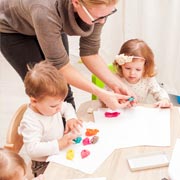 The three ‘prime’ areas of the Early Years Foundation Stage (EYFS) curriculum are also the core focus areas of the Progress Check at 2. Hence, the checks will look to see how well the child is progressing primarily in their:
 The core idea behind the Progress Check at 2 is to discover whether progress is at expected levels for the child’s age and development.
 Last year, we wrote a detailed post outlining
  Interestingly, under-five children who came from disadvantaged backgrounds were shown to benefit even more than those who didn’t. For this reason, reading with parents/carers has been proposed as a possible way to close the performance deficit often seen with children from such backgrounds. It may well represent a perfect solution to even up the playing field.
 Deeper bonds with parents/carers (after all, this is quality time spent together, one-to-one);
 Communication & Language is the first of the three prime areas of our EYFS-based curriculum. Without good communication and language skills, all other areas of learning could suffer, so these are critically important skills for children to master in their early years. Staff at the nursery therefore encourage rich communications between staff and children — and from peer to peer — from the very first day they join the nursery. Language and communication skills grow naturally to children through engaging, fun activities like role-play, story-telling and question-and-answer games. High quality books and other rich reading materials are also employed by staff to read with children in an interactive way. Using these kind of approaches helps children to learn new vocabulary and grammar, to improve reading and comprehension and to almost effortlessly broaden their language and communication skills as they grow.
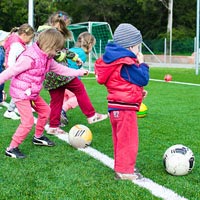 coordination and fitness among the children at every stage. This is all done incrementally through a physical development programme that’s custom-designed for each individual child. This tailored programme takes consideration of their natural abilities, preferences and, of course, any disabilities or limitations. As they grow, the programme of fun, physical activities will help every child to reach their own personal bests for traits like fitness, balance, coordination, hand-eye coordination, agility and spatial awareness. In turn these physical improvements will help with their general wellbeing and happiness. And, at all times, the children will have been having immense fun, making friends and improving social skills, self-confidence and more along the way.
 The social and emotional aspects of it aim to help children fit in with adults and peers around them, support one another, themselves feel supported by others and together learn to manage emotions and behave in acceptable, appropriate ways. As they learn to do all of this, they will become more confident, feel rightly valued, more easily resolve any conflicts and form closer friendships with peers and create stronger bonds with staff. All of this will act as a social and emotional foundation to build everything else upon.
 Literacy is the first of the remaining four areas of focus. A curriculum would be sadly lacking if children didn’t end up literate at the end of study. Literacy is absolutely fundamental and will give each young child the very best start when they leave early years settings to start school. On the face of it, it’s all about reading and writing. However, getting these right will help with many other areas of learning. At Little Acorns, we encourage nursery children to take enjoyment from reading. After all, once they can read they will understand so much more about the world from non-fiction material and so much more about the possibilities of the imagination and creativity from fiction books. So, they have access to a wide, rich variety of reading materials. Grammar, spelling, punctuation, phonetics and overall comprehension of a huge variety of topics will all go hand-in-hand with active and regular reading. In a similar way, writing will benefit too, as the children learn to recognise the correct spelling, composition and sentence structure and so on. Exposure to our rich variety of books will feed their imaginations and help them to be more creative themselves. We also encourage our children to verbalise, for example by reading out loud to themselves and others in an interactive way. By so doing, speech, pronunciation and articulation also benefit, as does their confidence to speak up.
 Mathematics is our fifth area of study within the core EYFS curriculum at Little Acorns Nursery. It’s another fundamental skill that children need to learn but, as with everything at Little Acorns, we make it fun. Through play and interactive sessions, children will learn the concepts behind mathematics, soon learning to distinguish things like odd and even numbers, number patterns and sequences, concepts like larger or smaller, wider or taller and more or less. Counting will first be mastered from one to ten, then in reverse, then extended to 20 or more. Concepts like volume, shape, measuring and space will also be included. So, by the time they leave our early years setting, they’ll have learnt the requisite maths skills and concepts that they’ll need in order to hit the ground running when they start school.
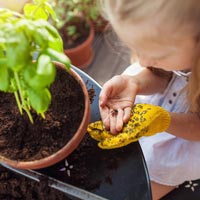 After all, there is so much around them and they need to understand it and to give everything they see context. With that in mind, we’ll help them to recognise, understand, describe and even sometimes draw what’s immediately around them. They will also learn about the technology they see and use around them. Our excellent
 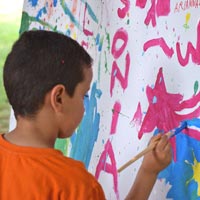 A wide variety of media, equipment and tools are available to them at the nursery and activities encourage the children to get involved and to create. It’s not just art, though; the children can involve themselves in role-play activities, they can sing, dance, tell stories and perform. Their imaginations can run riot and be free as they can express themselves and their creativity in a rich variety of ways.
 Indeed, parents can be thought of as key to their children’s success, if they support children’s education in the right ways. We’ll go through exactly what that means, along with some of the many benefits, in this article.
 Choose the Right Setting
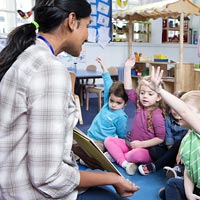 Parents of successful, grade A students, will generally also have engaged with staff at nursery/pre-school and school. That includes at parents’ evenings, of course, but parents should also be fully abreast of their child’s progress at every point in between. Parents and staff need to talk and feed back to each other about each child under their care and, indeed, that’s exactly what we do at Little Acorns Nursery. This, and a personal development progress folder for every child, is all part of the EYFS curriculum at the nursery in fact. In this way, parents and staff can each see the bigger picture and identify where successes are happening for the child, or where more work is needed — including at home.
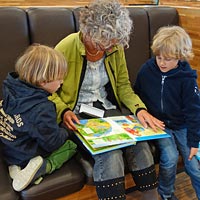 Parents can help children with homework too, of course. They can explain things that the child is perhaps confused or unclear about, in an unrushed, relaxed home environment. Parents can work through their approach to finding answers to questions and explain how they arrived at those answers. This, too, is like gold dust to an otherwise struggling child. It’s one of the reasons why the human race itself has come such a long way — through shared information.
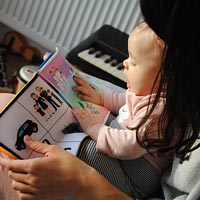 • In turn, that ultimately leads to better careers as adults, with higher rates of pay.