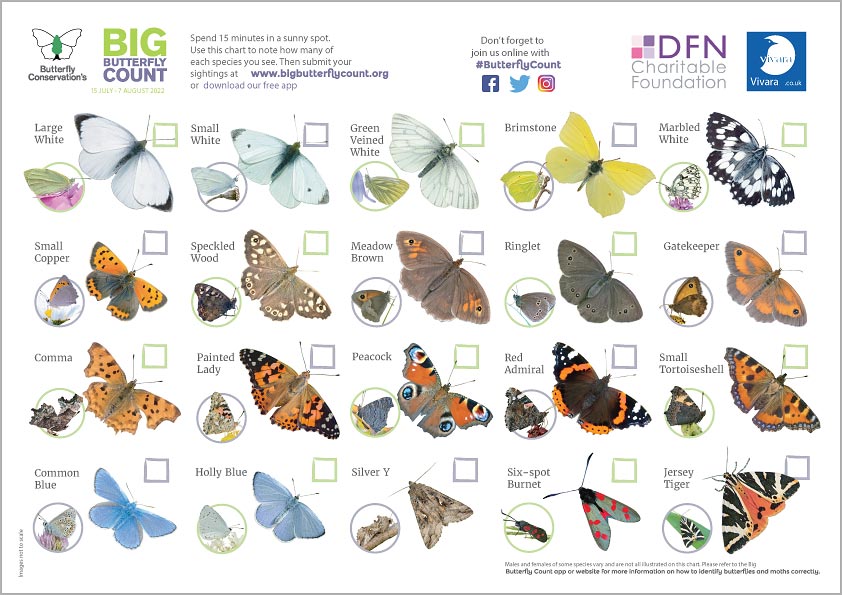
Today’s flower-growing children’s activity follows on nicely from last month’s butterfly-counting activity. Once again, it focuses on getting children outdoors, closer to nature, and doing some good for conservation and local wildlife — including butterflies. Also, as we know, outdoor play is important and getting closer to nature is hugely beneficial to children.
This time, it’s all about growing wildflowers that help to feed pollinators and encourage them to come to gardens, balconies, patios, plant pots, and window boxes where children live. As well as butterflies, the pollinators include bees, hoverflies, dragonflies, damselflies, and some non-flying insects like beetles. What’s more, you may well find that wildflowers attract birds and sometimes even bats too!
Pollinators are not only beautiful and adorable, but they’re essential for a healthy environment and to pollinate food crops. So, all in all, this is another hugely worthwhile activity for under-fives and older children to get involved in. It’s also great fun and educational. So, without further delay, here is our simple guide explaining how children and families can start growing wildlife-friendly flowers to support and attract these magical little creatures. Enjoy!
When Children Should Sow Wildflower Seeds
It’s possible to sow wildflower seeds from March right through to mid-October or, at a push, early November so long as snow or frost is not forecast. Those sown closer to March and April will generally flower in late spring/early summer. Those sown very late in the year will flower the following year, from spring onwards. Any sown up to and including the middle period, for example during July, should still flower in the same year — wildflowers usually bloom some 60 to 80 or so days later if they’re timed to grow in the same year as they’re sown.
While pollen from the flowers is the main source of food for pollinators, the actual leaves of some late-growing varieties of wildflower plants are also useful as a food source, for example, for caterpillars. These will appear from around September followed by a second generation that will appear in April/May of the following year.
Given all of the above, the main message about timing is for parents and caregivers to plan ahead and also read seed packets and instructions carefully before sowing. In this way, children will know when to expect to see the plants, flowers, and resulting wildlife. Once the flowers and creatures appear, it’s sure to delight children!
Where to Get Wildflower Seeds
There are several ways for children and families to source wildflower seeds. The most obvious way is to buy them commercially, in seed packets. These are available from any number of different outlets including nurseries, supermarkets, wildlife/nature charities, and countless websites online (here’s a good example).
A potentially cheaper way is to scour the Internet for free wildflower seeds and you may have some luck. Timing is important because some of the free wildflower seed schemes are likely to be early in the year — March/April for example. Some environment-centric organisations and companies may also provide free packets of wildflower seeds if you simply cover the cost of postage.
The best and totally free way to get hold of wildflower seeds, however, is to keep your – and your little one’s – eyes open when you’re outdoors around nature and plants. If you time it right, you’ll spot the seed pods of naturally-occurring wildflowers and, so long as they’re ready to be harvested, you can save the seeds for your child to sow later. Perhaps use small paper envelopes, so you can write the name or description of the wildflower being saved. If children help with harvesting seeds, ensure you adhere to our health and safety guidelines at the end of this article.
What Flowers to Grow
There are several ways to decide which wildflowers to grow.
- If you buy your child commercially-available wildflower seeds, the information on the packet will often say if the resulting flowers are bee-friendly, butterfly-friendly, good for pollinators, and so on. So, if you’re sourcing seeds that way, much of the decision-making criteria around which actual flowers to grow is made clear and therefore the choice is easy.
- Additionally, of course, the visual appeal of any flower photographs on the packets will help you with your choice. You may like a mixture of colours, or perhaps you’d rather limit the colour palette to just one or two colours. Cornflowers are blue, for example, while poppies can be red, orange, or yellow, and so on. Choosing by colour also therefore makes selection easier and indeed your child will probably enjoy helping in the decision-making process. Prompting them to choose by colour and pollinator-friendliness will, however, also be educational for them, subtly teaching them the importance of helping wildlife and the environment through the power of their personal choices.
- On the other hand, if you/your child want complete control over the exact species of wildflower you/they want to see growing, then some homework will be needed unless, of course, you are already knowledgeable. The RSPB’s article on growing wildlife-friendly flowers may be a useful place to start and lists several varieties along with details of their colours.
Where to Sow the Wildflower Seeds
By their very nature, wildflowers are generally not very picky in regard to the type of soil they are happy to grow in. Therefore you/your child will have a greater choice of where to sow the wildflower seeds. A fairly clear sunny area is good, whether that’s garden beds, flower pots, window boxes, grow bags on a balcony, or even the lawn itself if you want a wild ‘meadow’ type lawn. Whatever the choice, it’s best if it’s somewhere that won’t be disturbed by you/the family though, as you wouldn’t want the wildflowers trampled once they do arrive.
How Children Can Grow the Wildflowers
Before sowing the seeds, ensure that the soil is free of weeds. Your child may enjoy helping with the weeding process or, if you are using pots and starting from scratch, you can avoid the weeding stage by using peat-free compost afresh. Either way, the topmost layer of soil will need to be loosened and raked neatly so there is somewhere for the seeds to fall and eventually embed. Again, children may enjoy getting involved in this part. If using pots or containers, ensure water can drain at the bottom, so the earth or compost will not become waterlogged later on.
With regard to sowing the seeds, follow any seed-specific instructions on packets in relation to timing and spacing. If you’re using self-harvested seeds or there are no instructions, simply sprinkle the seeds so they’re spaced, fairly evenly, i.e. not too densely sown. This will avoid the wildflower plants having to compete with one another once they start growing. A tip is to sprinkle from a height as this will naturally scatter them more widely. Once scattered, your child can help* to pat the soil surface down, either by hand or using the back of a tool like a spade or a trowel, so that the seeds are secured in the soil. Children can even ‘walk’ them in if they prefer. Once complete, ensure that you/your child keep the soil damp over the coming weeks. The preparation stage really is as simple as that!
Enjoy the Magic of Nature!
Ensure children know that they have now started a natural chain reaction that will result first in tiny shoots, then plants, then later beautiful flowers along with all the visiting pollinators, insects, birds and maybe more.
Don’t forget; following the flowering stage, the wildflowers are likely to ‘seed’ themselves at the end of their flowering season. That’s unless, of course, you/your child harvest the seeds yourselves, ready to sow at a place of your choosing next time. Some varieties of wildflowers will also naturally regrow next year — those are called perennials. — in contrast to those that only live for one year, which are called annuals. That said, even annual plants may self-seed, so their offspring appear next time, and such is the circle of life.
Nature & Forest School at Little Acorns Nursery, Clayton-le-Woods, Chorley


We hope today’s nature-based activity gives children, whether under five or older, an enjoyable time while also learning and helping to nurture the natural world. Nature teaches children a huge amount and that’s one of the many reasons why Little Acorns is a Forest School setting.
Little Acorns Nursery is an outstanding nursery/preschool in Clayton-le-Woods and the winner of an important National Nursery award. These are some of the many reasons why Little Acorns Nursery represents the very best early years childcare and education for babies and children under five in Central Lancashire. We also support Government childcare funding schemes, making it easier to afford for eligible families. To register your child for a nursery/preschool place, ask a question, or arrange a free guided tour of the setting, please select an option below:
For those not actually living in Clayton-le-Woods itself, we may also be a suitable choice if you live or work in nearby towns and villages including Clayton Brook, Clayton Green, Thorpe Green, Pippin Street, Buckshaw Village, Whittle-le-Woods, Farington, Bamber Bridge, Lostock Hall, Euxton, Leyland and Penwortham.
* Health & Safety of Little Ones
Parents/caregivers should supervise and accompany children, especially the very young, at all times to ensure their safety and well-being. For example, special care should be given near hazards including garden ponds, trip hazards and unhygienic areas. Children should be taught good practices around hygiene and self-care including the avoidance of poisonous plants, care around unhygienic soil, non-ingestion of seeds, avoidance of germs and so on. Keeping hands and fingers away from faces during outdoor activities, perhaps even wearing protective gloves when touching natural things like earth and plants, and washing hands with soap and water after outdoor activities, are also good examples to set for children.
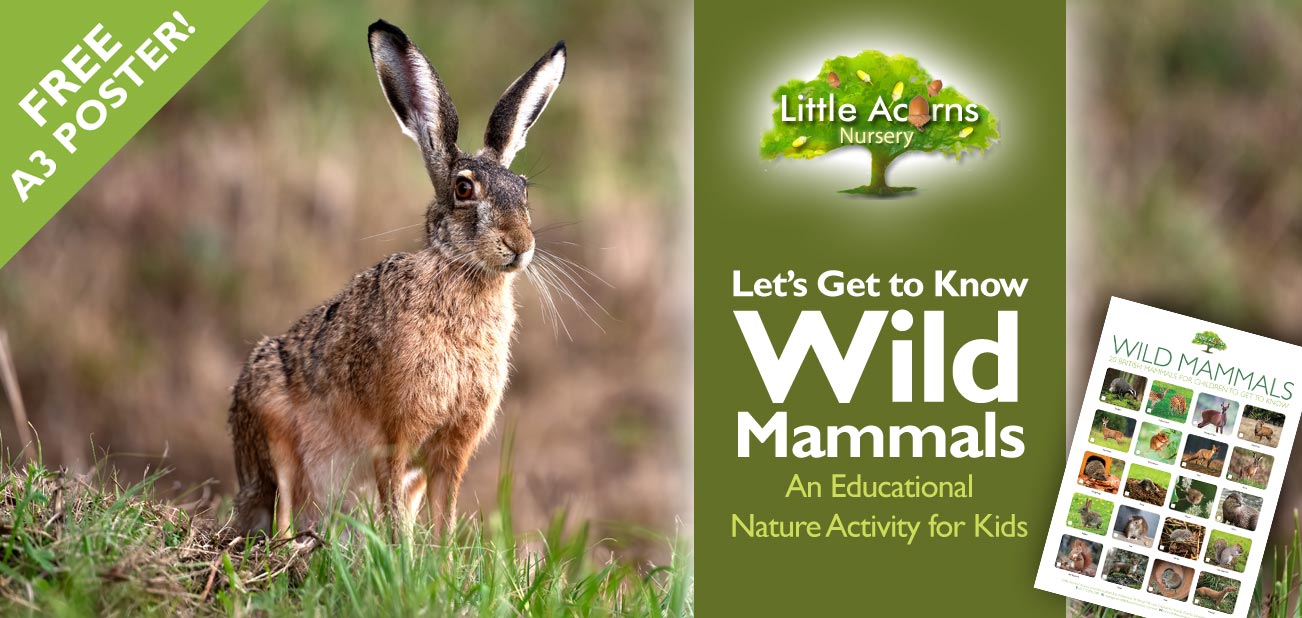
 Children and childcare staff at Little Acorns Nursery love nature. So, with World Wildlife Day coming earlier this month and Spring now upon us, it’s the perfect opportunity to release our free Wild Mammals poster. Shown in full colour and printable in high resolution at A3 or A4, it features 20 British¹ wild land mammals that young children can learn to identify and look out for. Some can be seen when on walks, on holiday, or even perhaps at the local park, while others are rather more elusive — but that just makes it more exciting for children when they finally spot them! The poster is perfect for displaying on the wall at home — and is a fun way to both intrigue and educate children, including under-fives. With that in mind, why not download your free land mammals poster today, print it out, and get your little ones closer to nature?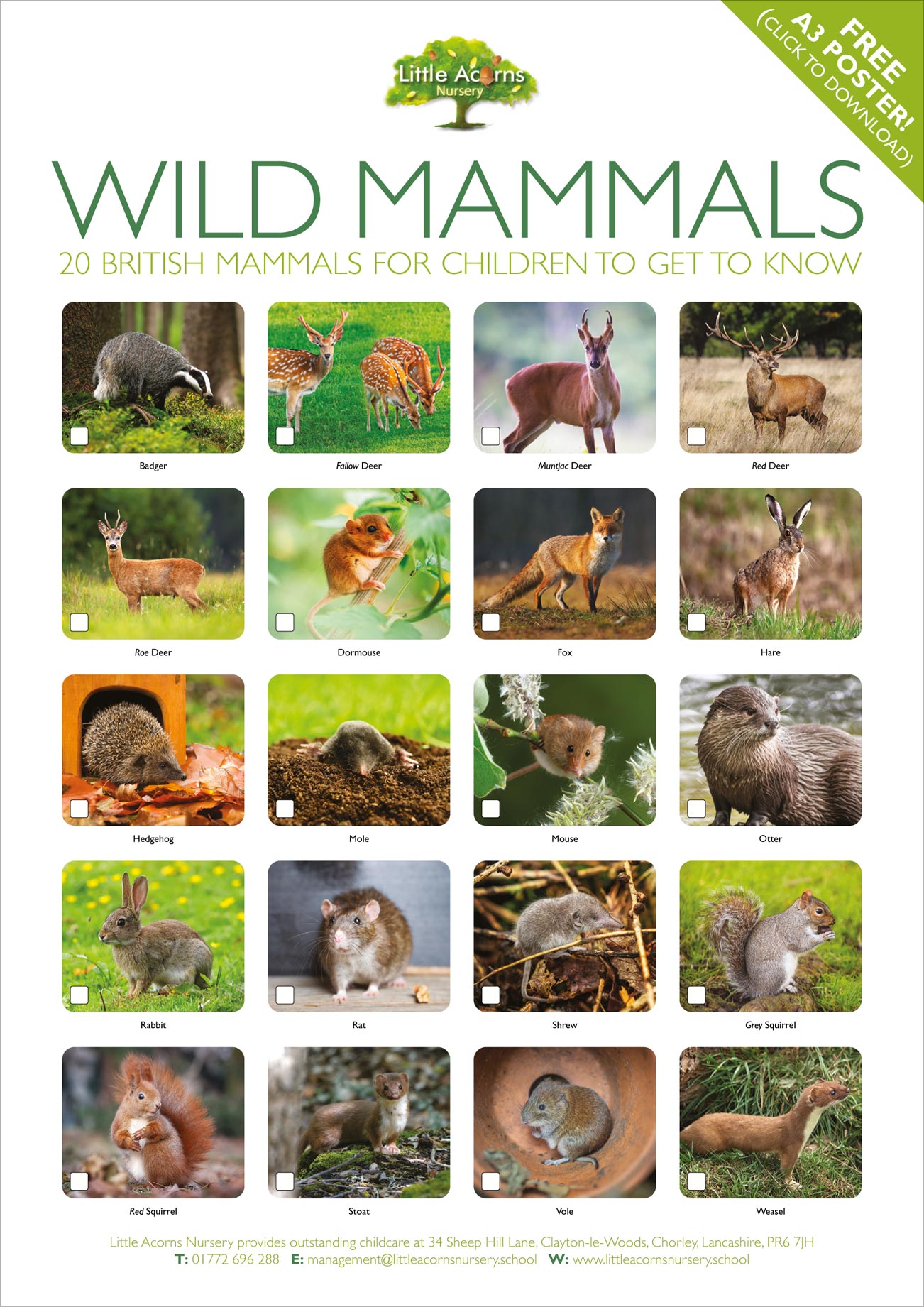


 With Chorley Football Club being only 4.8 miles and a 14-minute drive from
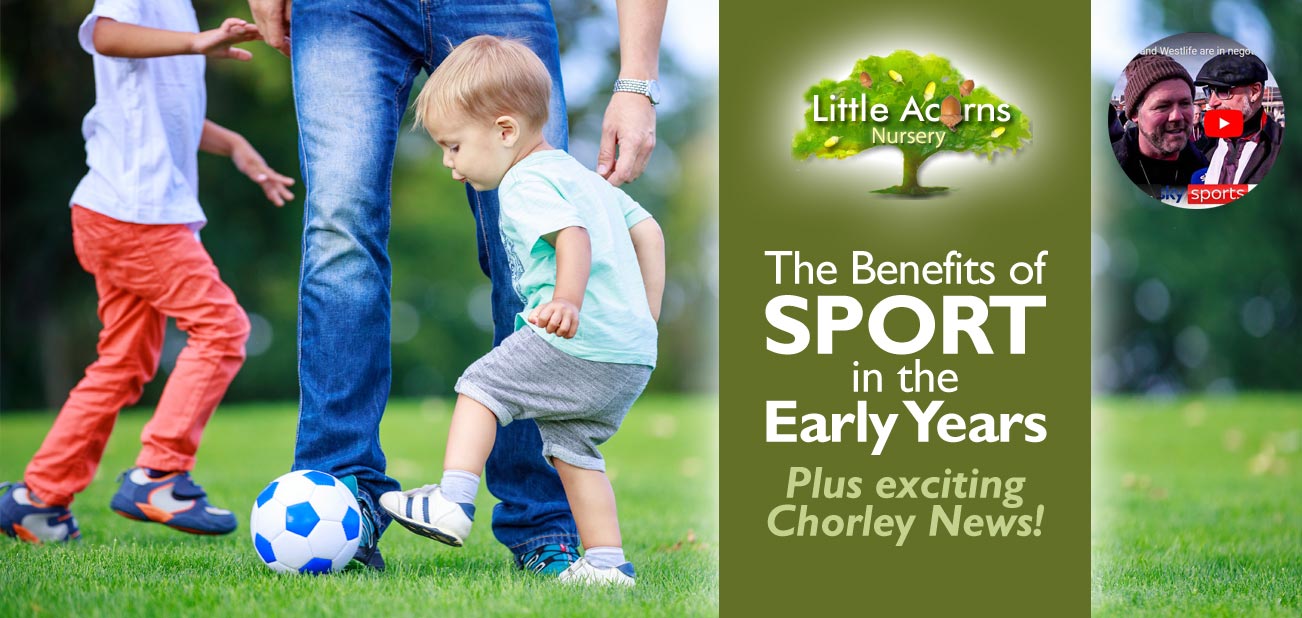
  Participation in sports benefits children in many different – and often profound – ways. That’s especially true for children in their early years, being a stage when they learn fundamental skills like jumping, running, throwing and catching balls, etc.
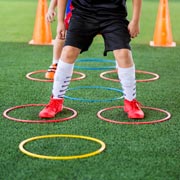 Sports and active hobbies will also help little ones hone balance, agility, coordination and motor skills. That’s incredibly important during early childhood as these key skills are still developing and, as the old proverb goes, “practice makes perfect.”
 Sport is a great socialiser too. Through sport, they’ll get used to interacting with other children as well as coaches, teachers, or childcare professionals. Moreover, children not only make new and deeper friendships through sport, but also learn social skills before, during and after such play. These skills and benefits will stay with them for the long term and will help to enrich their lives in profound ways.
 January’s Big Garden Birdwatch is a perfect home learning opportunity where children can find out about wild birds and get a better understanding of nature itself. What’s more, it’s a hugely worthwhile event that will benefit birds, conservation efforts, and children themselves. The activity also demonstrates how easy it is for little ones to become citizen scientists. With that in mind, let’s explore today the Big Garden Birdwatch, explain what it is, how to take part, and why it’s important for families to get involved.
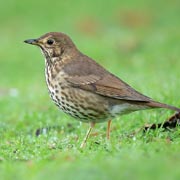 The idea of the Big Garden Birdwatch is to understand how garden birds are faring in the UK. Sadly, many bird populations are in decline, with some species facing huge declines over recent decades. Some 38 million fewer birds are now seen compared to 60 years ago. Song Thrush populations, for example, are down by 80% since the survey started in 1979. Even House Sparrow numbers have more than halved during that time. By studying the bird populations each year, trends can be identified including whether any bird species are in danger. Then the RSPB and other conservation organisations can work out what the problems are and how we might go about rescuing the situation as a nation. It also follows that, if there is a problem with bird populations, then there is likely to be a wider problem in nature too. This could be, for example, due to disease, over-intensive farming methods, habitat loss, invasive species, climate change, use of chemicals in gardens and farmland, and so on. Gathering data across the UK each January will help guide the nation to improve things — and children can help by getting involved in the Big Garden Birdwatch each January.
 — it’s quick, easy and free to do so. Once registered you’ll receive detailed instructions in your free guide to the event, which includes your free bird identification reference sheet. This will be useful to you and your children so each bird species can be recognised more easily.
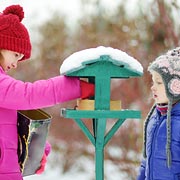 This wonderful activity is a great way to encourage families outdoors, where children benefit from nature in a myriad of ways. From lower stress and increased well-being to improved academic performance, stimulated imaginations, and better sleep,
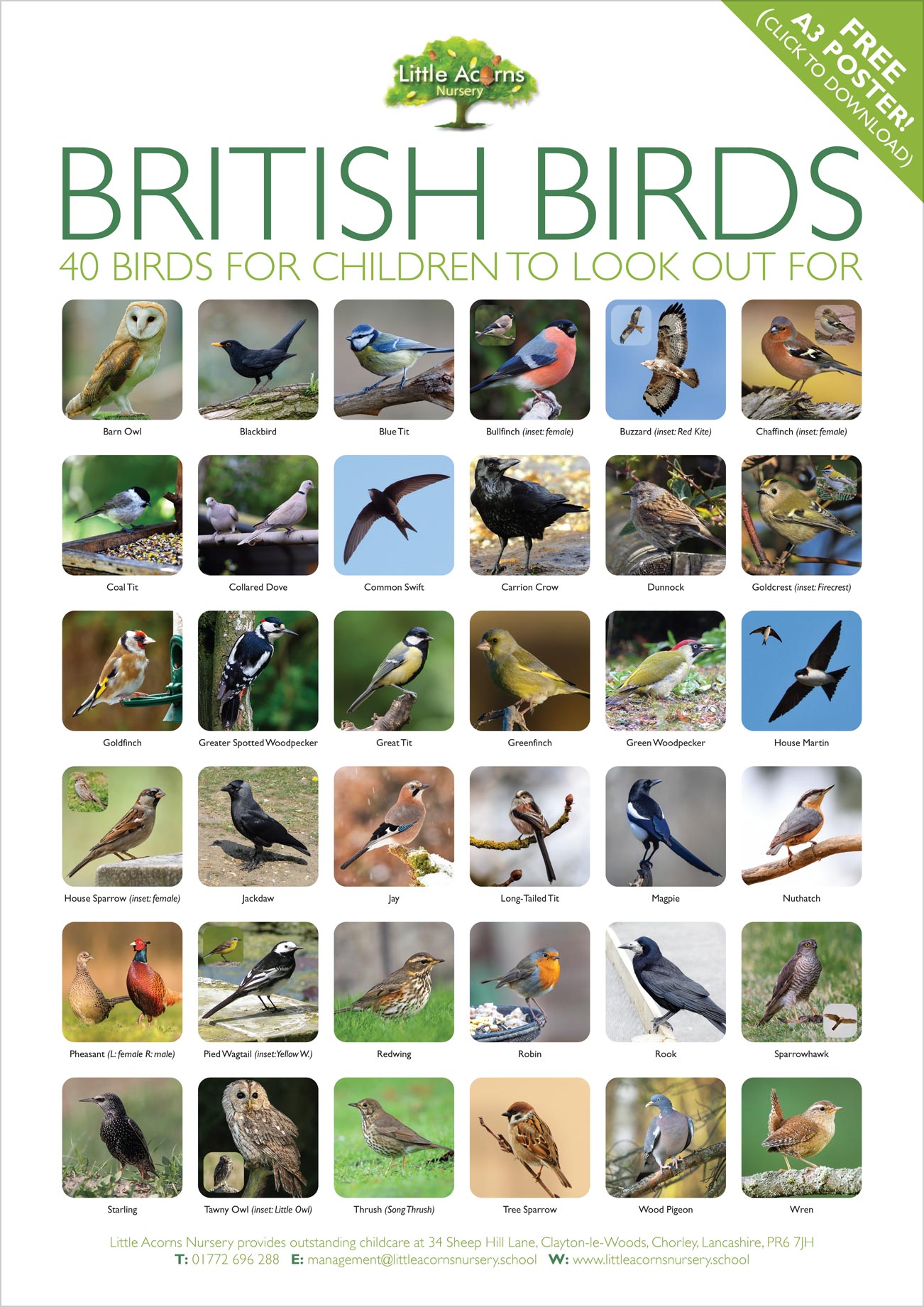
 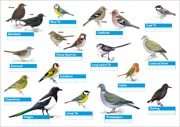 Together with the RSPB, we also have bird identification covered for children. The first option is the RSPB’s free bird reference sheet, which families will receive when they register for the event. Their digital version is best because it’s more environmentally friendly, is quicker to access, and usually shows a larger list than is shown on their printed version.
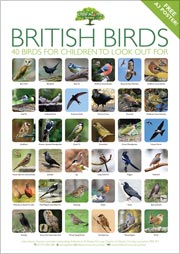 However, don’t forget that Little Acorns Nursery also published
 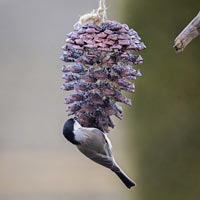 How to Encourage Birds to Visit Your Garden
 As we discussed in our recent post
 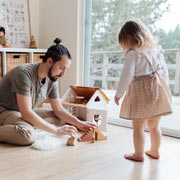 Designate an area in your home for play. It doesn’t need to be elaborate — even a corner with a few age-appropriate toys, books, and art supplies may be sufficient. Ensure, of course, that the space is safe and free from hazards before your child embarks on their play activities.
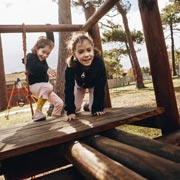 Outdoor play also offers a wealth of learning opportunities. It promotes physical health, stimulates the senses, and allows for unstructured exploration, which all contribute to holistic development. Take your child to the park, explore nature, or simply play with them in the back garden if you have one. Outdoor activities will also foster an appreciation for the natural world. Indeed, we wrote a whole post about
  Reading is a wonderful way to support learning through play. Choose age-appropriate books, of course, and be sure to engage in interactive storytelling. Ask and encourage questions about the story, encourage your child to predict what might happen next, and ask them what they might do if it were them in the story. Books and reading teach children so many things and, like pretend play above, truly encourage their imaginations and get their creative juices flowing.
 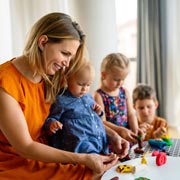 Arrange play dates with other children or involve siblings in play activities at home. Social play helps children learn essential social skills like cooperation, sharing, and conflict resolution. It’s also a great way to make new friendships, learn from each other, and become a closer member of friendship circles.
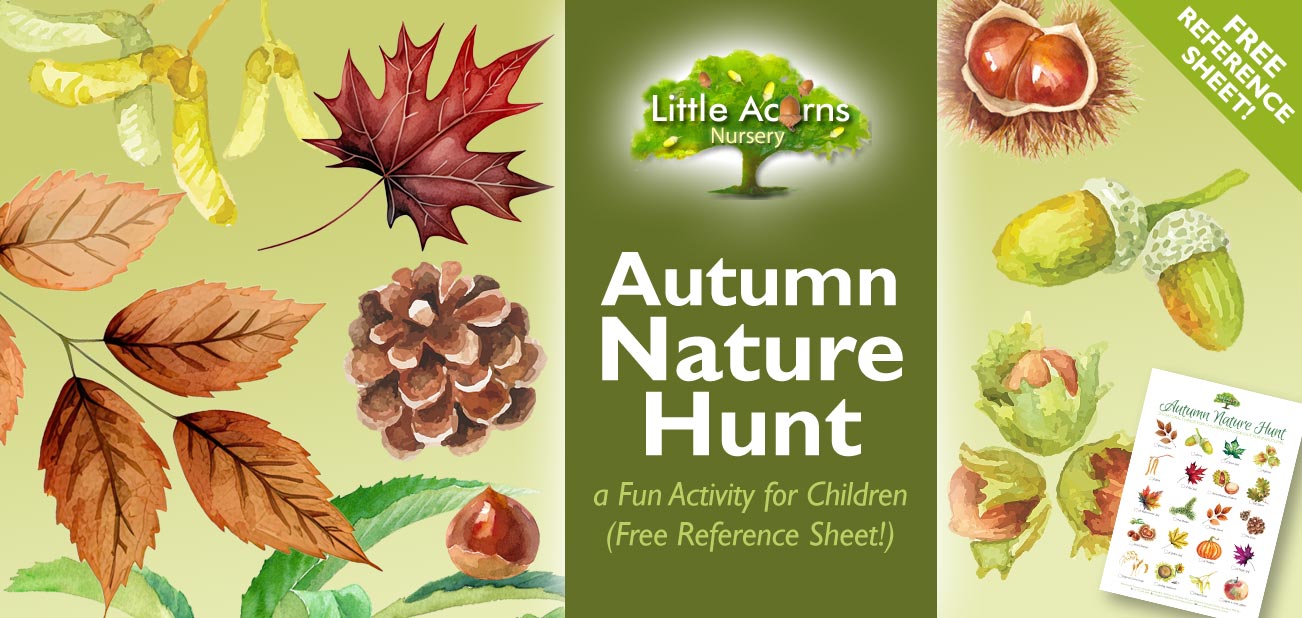
 By mid-November, autumn is in full swing and leaves are turning a myriad of different colours. Scenes of green, yellow, red and golden trees can be breathtakingly beautiful and the air is often crystal clear at this time of year — that’s great for photos! The autumn season also brings with it a treasure trove of fascinating natural things that children can discover if they take the time to look. Indeed, an autumn nature hunt is the perfect excuse for little ones to spend some time outdoors, where they will also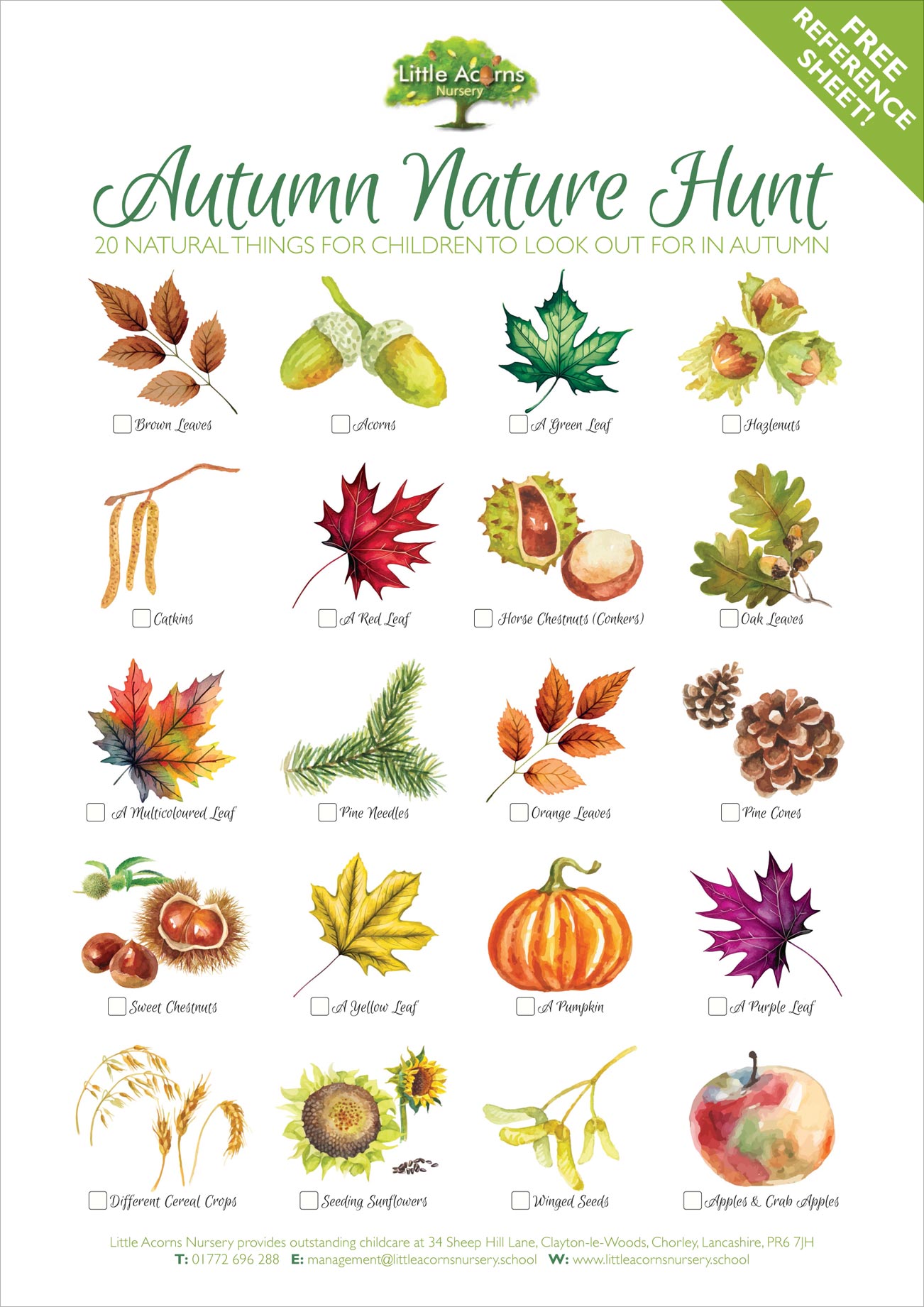
 Ensure children, particularly the very young, receive appropriate adult supervision at all times. Although fascinating and fun, the outdoors holds many hazards for the unwary. Therefore, children will need to be closely monitored by a responsible adult in order to safeguard their well-being.
 In the world of child development and early education, there is a simple yet profound truth: children learn best when they are learning through play. Play is the universal language of childhood and, indeed, it transcends both borders and cultures. Whether it’s building sand castles on a sunny beach or arranging blocks on the floor at home, play is the gateway through which children explore, discover, and grow.
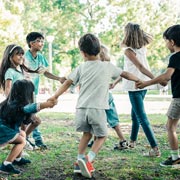 As adults, we often associate learning with classrooms, textbooks, and structured lessons. However, for children, the process of learning is a dynamic and ever-evolving adventure, with play being their very best companion during the journey.
 Do babies benefit from play? Absolutely. Play is the first way through which infants start understanding their world. They use their senses to explore toys, grasp objects, and make sense of the environment around them. Sensory play, such as touching different textures or listening to soothing sounds, stimulates their developing senses and lays the groundwork for future learning.
 During the run-up to the age of 5, play is integral to children’s development. During this phase, children are like little sponges, soaking up information from their surroundings. Play allows them to experiment, make connections, and refine their cognitive and many other skills. Skills enhanced through play include:
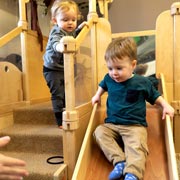 Creating playful environments — we understand the importance of a conducive environment for learning through play. With that in mind, we provide carefully designed play spaces that are rich in stimulating materials and resources. These spaces allow children to engage in various types of play, from imaginative to sensory, in a safe and supportive setting.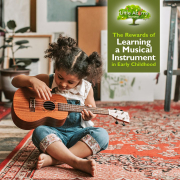

 While listening to music has a unique way of resonating with the human spirit, actually creating it on a musical instrument elevates that connection to entirely new levels. What’s more, learning to play an instrument leads to a whole host of multifaceted benefits. Whether tinkling piano keys, strumming guitar strings, or playing a wind instrument, children who learn to play a musical instrument will soon discover a whole world of opportunities and advantages that extend far beyond the realm of melody and harmony. With that in mind, today’s article explores the myriad of sometimes surprising benefits that learning to play music will bring to children, even at a very young age. Take a look below and discover how musicianship could benefit your child, extend their skills and potentially enrich their life profoundly.
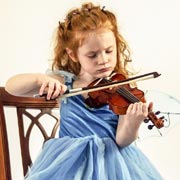 The influence of music on brain development is nothing short of remarkable. Learning to play an instrument engages various parts of the brain simultaneously and is like a 360-degree workout for the mind! As such, its cognitive benefits are profound. Children who take up musical instruments therefore tend to excel in memory, problem-solving, and mathematical skills. Indeed, studies have shown that musical training can lead to improved academic performance, enhancing children’s abilities, particularly in subjects like mathematics and science. So, when your child learns to play a violin, piano, guitar or even a simple recorder, they’re not just making music; they’re also fine-tuning their cognitive abilities.
 Learning an instrument represents a real journey of creativity and imagination. Children explore melodies, experiment with harmonies, and may often progress to compose their own tunes. This creative process nurtures their imagination and encourages them to think in new and alternative ways. Making music really is a powerful tool for unlocking children’s artistic potential.
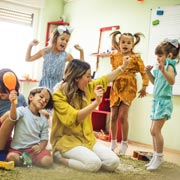
 Music is often a collaborative endeavour and that, in itself, will bring additional benefits to children. As well as simply being enjoyable, group music lessons and ensemble playing will teach children valuable social and teamwork skills. Through music-making, they will learn to listen, cooperate, and communicate effectively with others at appropriate times — and even to make more friends. Such skills go well beyond the world of music and are fundamental in importance and positive impact.
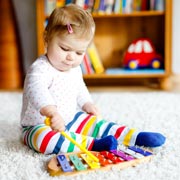 For infants and toddlers, musical exploration can start with simple activities like singing lullabies, clapping to a rhythm, or playing with simple musical or percussive toys. These activities introduce them to the world of sound and rhythm in a playful and engaging way.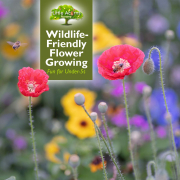
 Today’s flower-growing children’s activity follows on nicely from last month’s
  It’s possible to sow wildflower seeds from March right through to mid-October or, at a push, early November so long as snow or frost is not forecast. Those sown closer to March and April will generally flower in late spring/early summer. Those sown very late in the year will flower the following year, from spring onwards. Any sown up to and including the middle period, for example during July, should still flower in the same year — wildflowers usually bloom some 60 to 80 or so days later if they’re timed to grow in the same year as they’re sown.
 There are several ways for children and families to source wildflower seeds. The most obvious way is to buy them commercially, in seed packets. These are available from any number of different outlets including nurseries, supermarkets,
 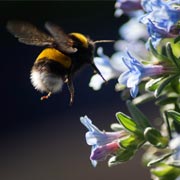 If you buy your child commercially-available wildflower seeds, the information on the packet will often say if the resulting flowers are bee-friendly, butterfly-friendly, good for pollinators, and so on. So, if you’re sourcing seeds that way, much of the decision-making criteria around which actual flowers to grow is made clear and therefore the choice is easy.
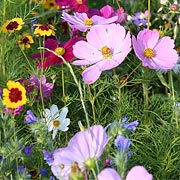 By their very nature, wildflowers are generally not very picky in regard to the type of soil they are happy to grow in. Therefore you/your child will have a greater choice of where to sow the wildflower seeds. A fairly clear sunny area is good, whether that’s garden beds, flower pots, window boxes, grow bags on a balcony, or even the lawn itself if you want a wild ‘meadow’ type lawn. Whatever the choice, it’s best if it’s somewhere that won’t be disturbed by you/the family though, as you wouldn’t want the wildflowers trampled once they do arrive.
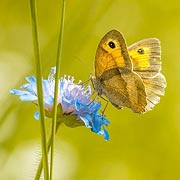 With regard to sowing the seeds, follow any seed-specific instructions on packets in relation to timing and spacing. If you’re using self-harvested seeds or there are no instructions, simply sprinkle the seeds so they’re spaced, fairly evenly, i.e. not too densely sown. This will avoid the wildflower plants having to compete with one another once they start growing. A tip is to sprinkle from a height as this will naturally scatter them more widely. Once scattered, your child can help* to pat the soil surface down, either by hand or using the back of a tool like a spade or a trowel, so that the seeds are secured in the soil. Children can even ‘walk’ them in if they prefer. Once complete, ensure that you/your child keep the soil damp over the coming weeks. The preparation stage really is as simple as that!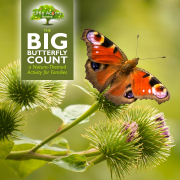
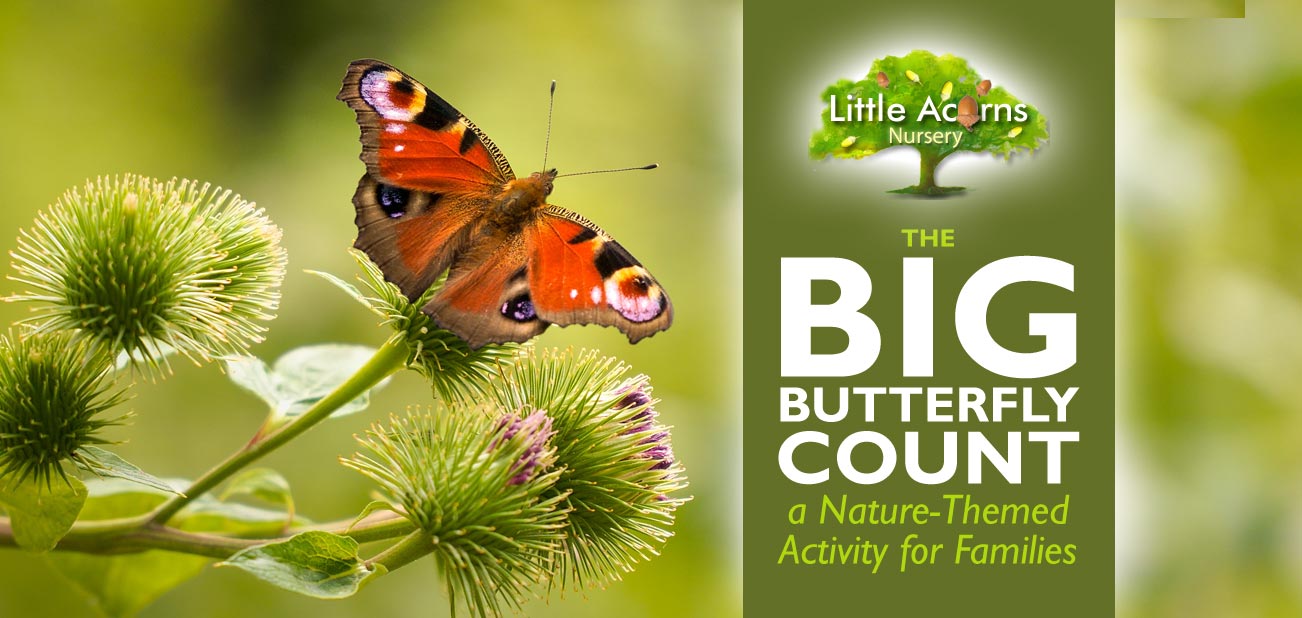
 Many will have heard of the Big Garden Birdwatch that takes place every year in January. However, fewer are aware of a similar activity called The Big Butterfly Count that takes place in July and early August. As well as being extremely worthwhile, it’s a wonderful activity for both children and adults to get involved in as citizen scientists. The activity helps with butterfly conservation, is educational for those taking part, and encourages families to get outdoors, closer to nature. And, as we know,