
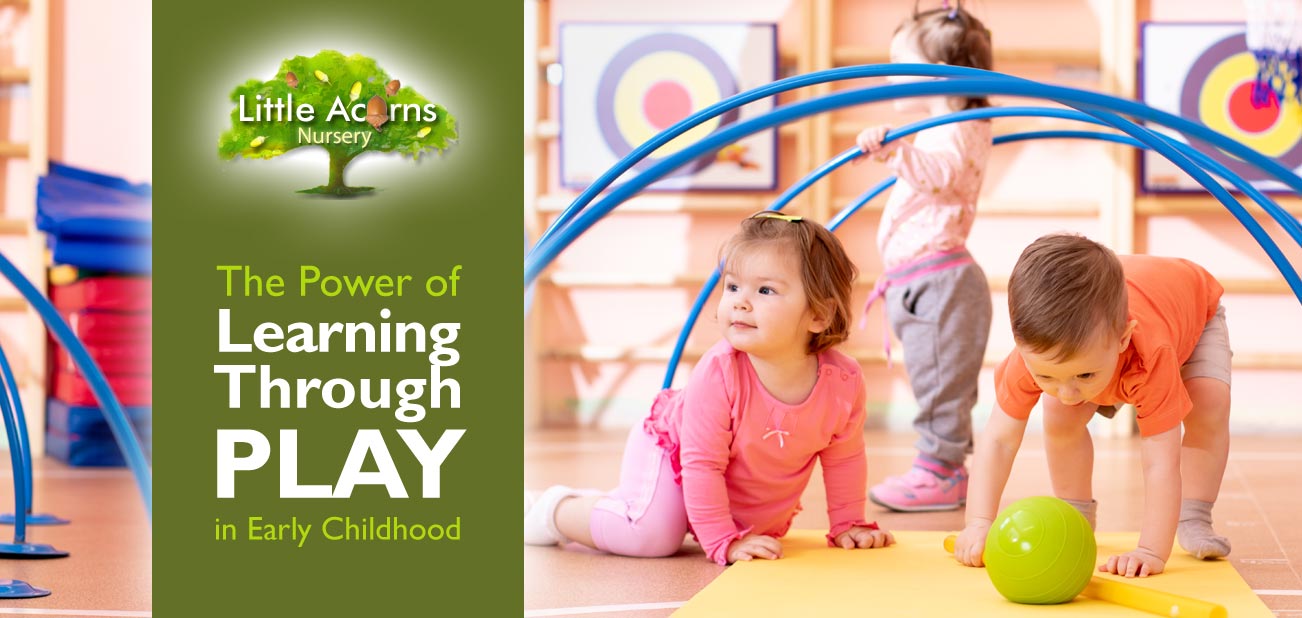
 In the world of child development and early education, there is a simple yet profound truth: children learn best when they are learning through play. Play is the universal language of childhood and, indeed, it transcends both borders and cultures. Whether it’s building sand castles on a sunny beach or arranging blocks on the floor at home, play is the gateway through which children explore, discover, and grow.
But how and why is play so important? And can it benefit even babies, the tiniest members of society? In today’s article, we’ll unravel the secrets of learning through play. We’ll refer to some findings of scientific studies that attest to its incredible impact, explore play’s significance in the early years and infancy, and explain how childcare nurseries like ours harness its potential to nurture young minds.
So, join us today as we explore the power of play and why it should be at the heart of every child’s learning experience. Let’s open the door to a world where fun, laughter, imagination, and natural discovery pave the way to a brighter future for our children.
Why Is Learning Through Play So Important?
 As adults, we often associate learning with classrooms, textbooks, and structured lessons. However, for children, the process of learning is a dynamic and ever-evolving adventure, with play being their very best companion during the journey.
- It develops cognitive skills. Play serves as a powerful vehicle for the development of cognitive skills. When children engage in activities like building with blocks, solving puzzles, or pretending to be characters in their favourite stories, they are actively honing their problem-solving abilities, critical thinking, and creativity. Importantly, these skills are also the building blocks of a lifelong love of learning, which we’ll come to later.
- It sparks social & emotional growth. Play isn’t just about individual growth; it’s a social endeavour. Through play, children learn to navigate the complex world of relationships. They practise communication, cooperation, and negotiation as they interact with peers, siblings, and caregivers. Sharing toys, taking turns, and resolving conflicts during playtime are valuable life skills that lay the foundation for healthy social development.
- Exploration feeds the imagination. One of the most beautiful aspects of play is its ability to fuel the imagination. When children engage in imaginative play, whether it’s hosting a tea party for stuffed animals or embarking on a make-believe adventure, they are cultivating their creativity and expanding their understanding of the world. Imagination is the driving force behind innovation and problem-solving in adulthood, making it a vital skill to nurture from a young age.
- It fosters a love for learning. Perhaps the most compelling reason to prioritise learning through play is that it fosters a genuine love for learning. When children associate learning with fun, joy and discovery, they will naturally develop a thirst for knowledge that stays with them throughout their lives. Such an intrinsic motivation is priceless and will serve them well in all their pursuits, whether academic, work-related or personal.
So, as we can see, learning through play is a fundamental part of a child’s educational journey. It lays the groundwork for cognitive development, social and emotional growth, imaginative thinking, and a lifelong passion for learning.
Babies & Under-5s
Play-based learning is not just for older children. In reality, its influence begins right from infancy and continues to shape young minds throughout their early years. Let’s explore that a little further.
Play for Babies – Building Foundations
 Do babies benefit from play? Absolutely. Play is the first way through which infants start understanding their world. They use their senses to explore toys, grasp objects, and make sense of the environment around them. Sensory play, such as touching different textures or listening to soothing sounds, stimulates their developing senses and lays the groundwork for future learning.
Infant play also plays a crucial role in the development of fine and gross motor skills. As babies reach for toys, practise tummy time, and eventually start crawling and walking, they are strengthening their muscles and improving coordination.
Early Years Play – Growing Skills
 During the run-up to the age of 5, play is integral to children’s development. During this phase, children are like little sponges, soaking up information from their surroundings. Play allows them to experiment, make connections, and refine their cognitive and many other skills. Skills enhanced through play include:
- Language development. Through imaginative play, storytelling, and conversations with peers and caregivers, children will naturally expand their vocabulary and improve their communication skills.
- Maths and science concepts. Counting blocks, sorting shapes, and exploring basic scientific principles through hands-on experiments are all part of early years play. Such activities build a firm foundation for mathematical and scientific understanding.
- Problem-solving and critical thinking. Whether it’s solving puzzles, figuring out how to build a tower without it toppling, or strategising during a game, play encourages children to think critically, make decisions, assess risk, and find solutions to challenges.
- Emotional intelligence. Role-playing and interactive games help children navigate complex emotions. Through these, they will naturally enhance emotional intelligence, develop empathy, and learn about relationships. Such skills are vital for their social and emotional growth going forward.
Play is a powerful and natural tool that’s critical to the development of babies and young children. From sensory exploration in infancy to the cognitive challenges of early years, play enriches their lives and gives them foundational skills and knowledge that will serve them throughout their educational journey.
The value of play is backed up by extensive research
The scientific evidence is clear: play is not just a pastime; it’s a fundamental component of child development 1. Indeed, learning through play is a major part of a good, holistic, approach to child development. It teaches children almost infinite amounts about the world around them while fostering cognitive skills, emotional intelligence, creativity, and a love for learning that will benefit them throughout their lives. Play is the primary vehicle through which children explore, discover, and grow, and it should be at the heart of every child’s educational journey.
The Role of Childcare Providers Like Little Acorns Nursery
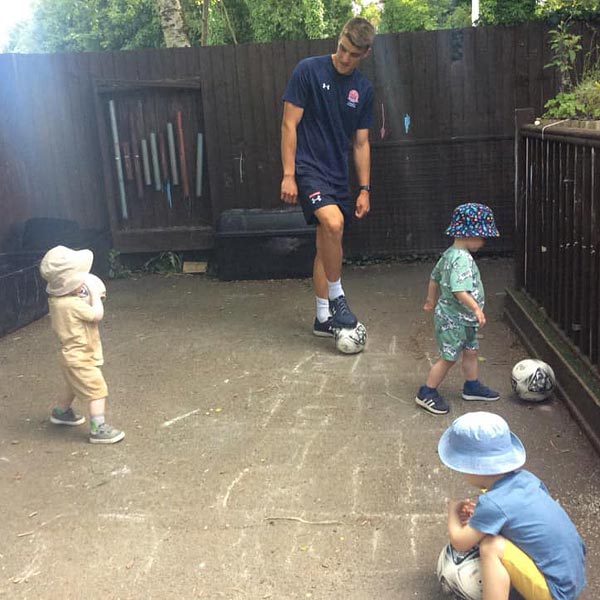
Childcare settings like Little Acorns Nursery are often a child’s first introduction to structured learning outside the home. We play a pivotal role in nurturing young minds through a play-based approach to education. This is designed to encourage children to explore, experiment, and naturally discover through play.
-
 Creating playful environments — we understand the importance of a conducive environment for learning through play. With that in mind, we provide carefully designed play spaces that are rich in stimulating materials and resources. These spaces allow children to engage in various types of play, from imaginative to sensory, in a safe and supportive setting.
 - Trained educators — our nursery staff are trained to facilitate play-based learning effectively. They observe and engage with children during their play, providing guidance when necessary while allowing children the autonomy to explore and experiment. Our skilled educators recognise the many learning opportunities that arise naturally during such play.
- A balance of structured and unstructured play — we strike a careful balance between structured and unstructured play. Structured activities may include group games, circle time, and planned art projects, while unstructured playtime allows children to choose their activities, fostering independence and decision-making skills.
- Incorporating learning goals — while play is central to the nursery experience, it doesn’t mean a lack of educational goals. Childcare providers like Little Acorns Nursery align play activities with specific learning objectives. For example, a play dough activity can promote fine motor skills and creativity, while a group storytelling session enhances language development.
- Assessing progress — continuous assessments help our childcare practitioners and each child’s Key Person to gauge children’s development. Such assessments consider, for example, children’s engagement, problem-solving abilities, social interactions, and other skills that emerge during play. This holistic approach helps our educators to tailor their support to each child’s individual needs.
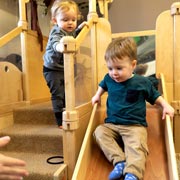 Creating playful environments — we understand the importance of a conducive environment for learning through play. With that in mind, we provide carefully designed play spaces that are rich in stimulating materials and resources. These spaces allow children to engage in various types of play, from imaginative to sensory, in a safe and supportive setting.
By recognising the immense value of play in child development and providing a nurturing environment where children can learn, grow, and thrive through play-based activities, we not only prepare children for the transition to school but also facilitate the development of essential life skills.
Nursery Places at an Outstanding Nursery in Clayton-le-Woods, Chorley

Are you looking for an outstanding nursery for your child in Clayton-le-Woods or near Chorley? If so, you should consider Little Acorns Nursery. Not only does Ofsted rate us as an ‘Outstanding Provider’ but we also have a highly prestigious national nursery award under our belt. All Government-funded childcare schemes are supported at the nursery too, making childcare provision more affordable for eligible families. To register your little one for a place, arrange a tour with your child, or ask a question, please contact us:
Little Acorns is a nursery in Clayton-le-Woods, near Chorley, Central Lancashire. Families living or working nearby in Clayton Brook, Clayton Green, Thorpe Green, Pippin Street, Buckshaw Village, Whittle-le-Woods, Farington, Bamber Bridge, Lostock Hall, Euxton, Leyland or Penwortham may also find it convenient.
Coming Soon:
How to Encourage Learning Through Play at Home
Parents and caregivers also play a crucial role in fostering an environment that supports exploration, curiosity, and growth through play. Your home can be a vibrant hub for play-based learning. Moreover, by creating a nurturing environment, providing the right resources, and actively engaging with your child during play, you empower them to explore, learn, and really grow as individuals. We explore the topic of Encouraging Learning Through Play at Home here.
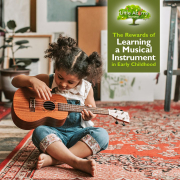

 While listening to music has a unique way of resonating with the human spirit, actually creating it on a musical instrument elevates that connection to entirely new levels. What’s more, learning to play an instrument leads to a whole host of multifaceted benefits. Whether tinkling piano keys, strumming guitar strings, or playing a wind instrument, children who learn to play a musical instrument will soon discover a whole world of opportunities and advantages that extend far beyond the realm of melody and harmony. With that in mind, today’s article explores the myriad of sometimes surprising benefits that learning to play music will bring to children, even at a very young age. Take a look below and discover how musicianship could benefit your child, extend their skills and potentially enrich their life profoundly.
 The influence of music on brain development is nothing short of remarkable. Learning to play an instrument engages various parts of the brain simultaneously and is like a 360-degree workout for the mind! As such, its cognitive benefits are profound. Children who take up musical instruments therefore tend to excel in memory, problem-solving, and mathematical skills. Indeed, studies have shown that musical training can lead to improved academic performance, enhancing children’s abilities, particularly in subjects like mathematics and science. So, when your child learns to play a violin, piano, guitar or even a simple recorder, they’re not just making music; they’re also fine-tuning their cognitive abilities.
 Learning an instrument represents a real journey of creativity and imagination. Children explore melodies, experiment with harmonies, and may often progress to compose their own tunes. This creative process nurtures their imagination and encourages them to think in new and alternative ways. Making music really is a powerful tool for unlocking children’s artistic potential.
 Music is often a collaborative endeavour and that, in itself, will bring additional benefits to children. As well as simply being enjoyable, group music lessons and ensemble playing will teach children valuable social and teamwork skills. Through music-making, they will learn to listen, cooperate, and communicate effectively with others at appropriate times — and even to make more friends. Such skills go well beyond the world of music and are fundamental in importance and positive impact.
 For infants and toddlers, musical exploration can start with simple activities like singing lullabies, clapping to a rhythm, or playing with simple musical or percussive toys. These activities introduce them to the world of sound and rhythm in a playful and engaging way.

 Children and parents, let’s go minibeast spotting! Whether you have a garden, neighbourhood park, or just a few potted plants, there are bound to be minibeasts visiting or living there. What’s more, summer is the perfect time to spot them. Spending time in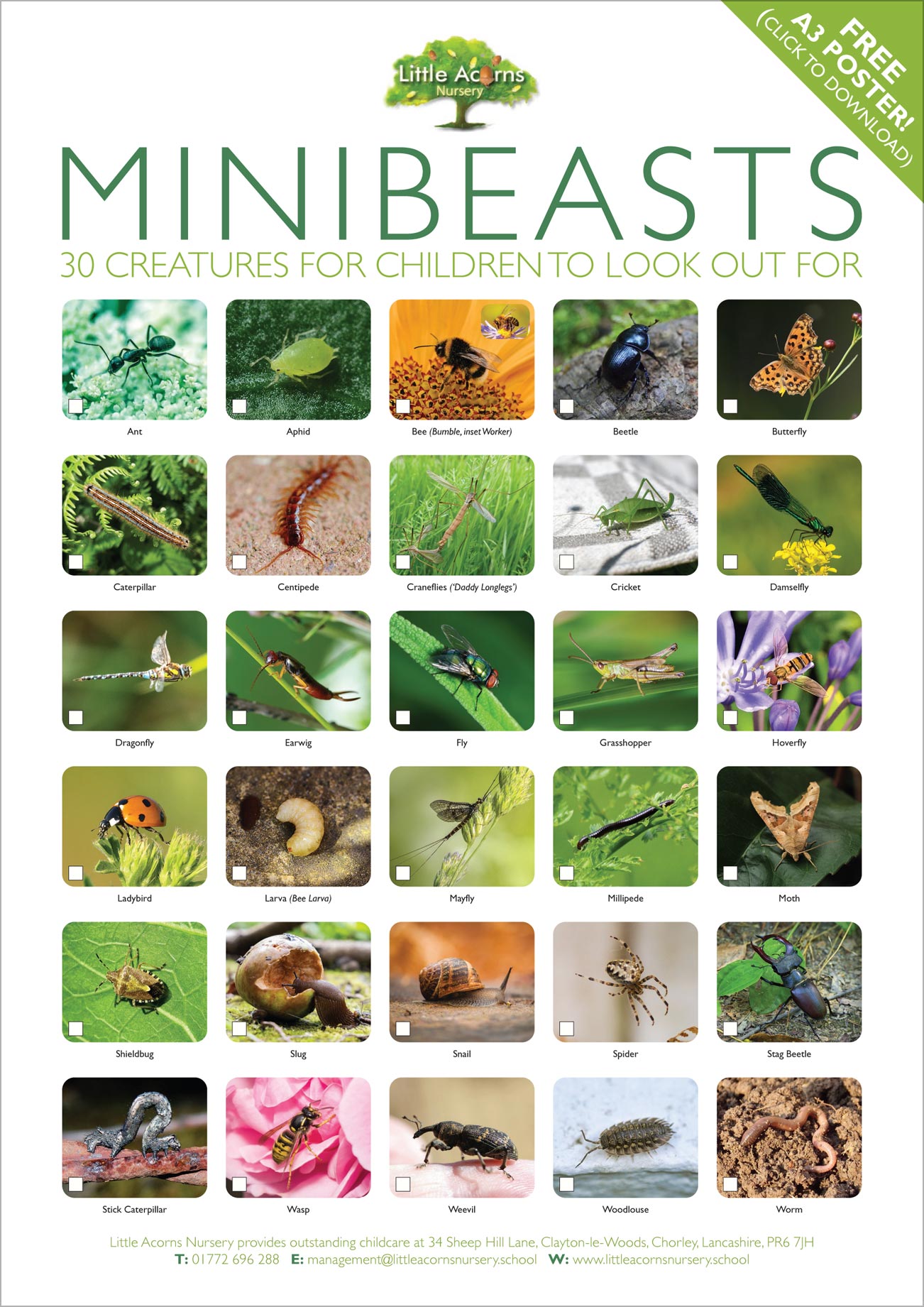

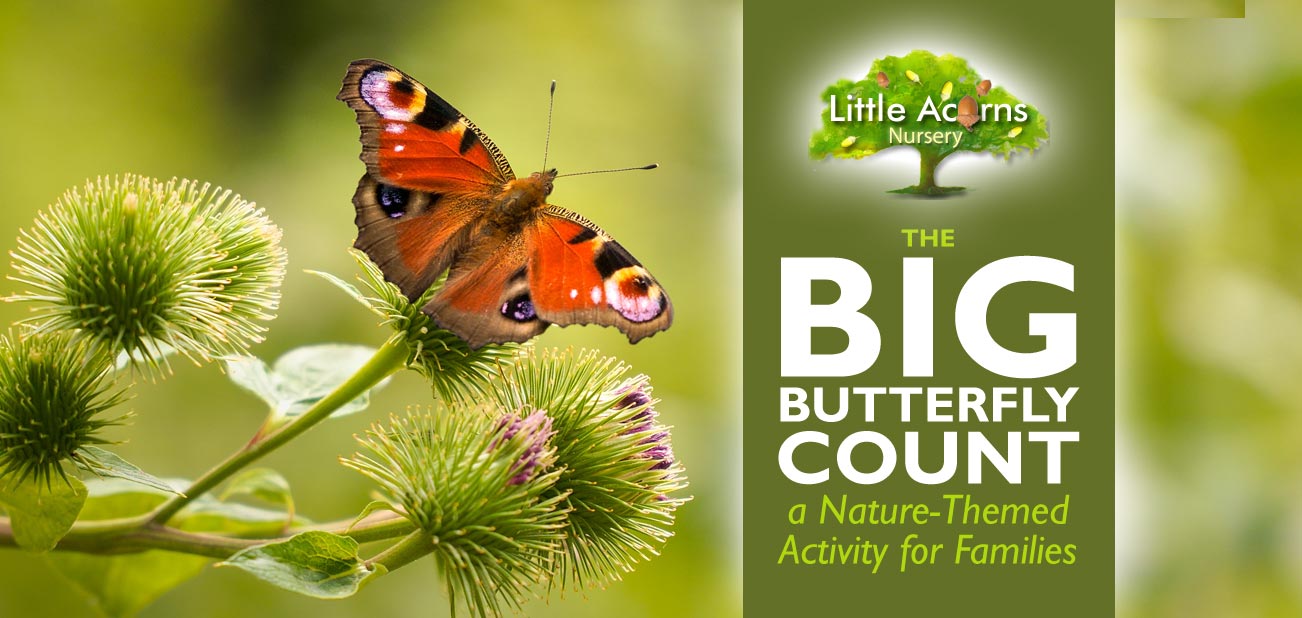
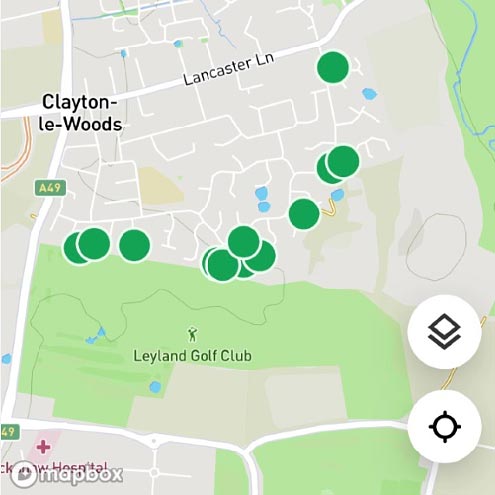
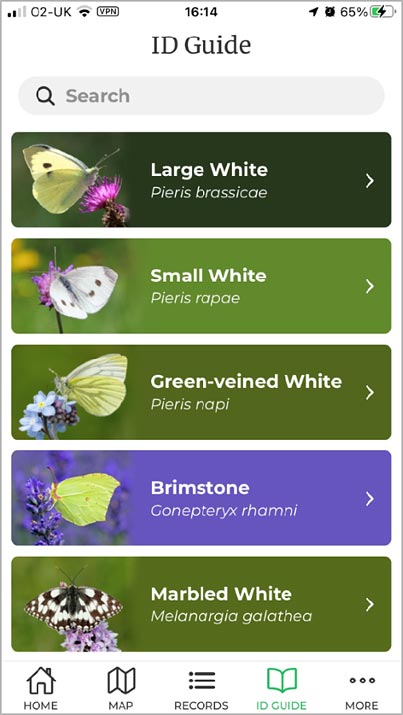
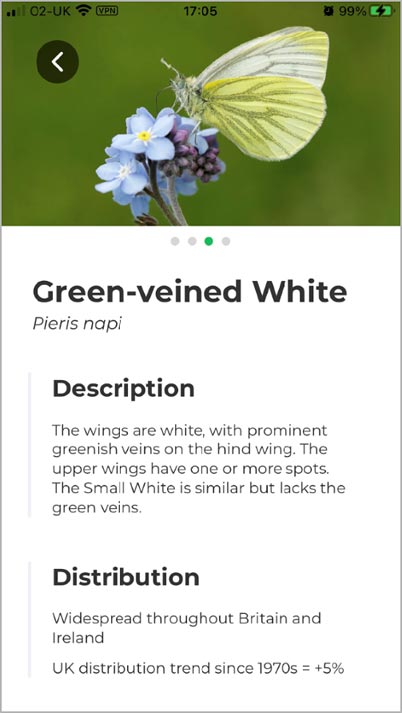
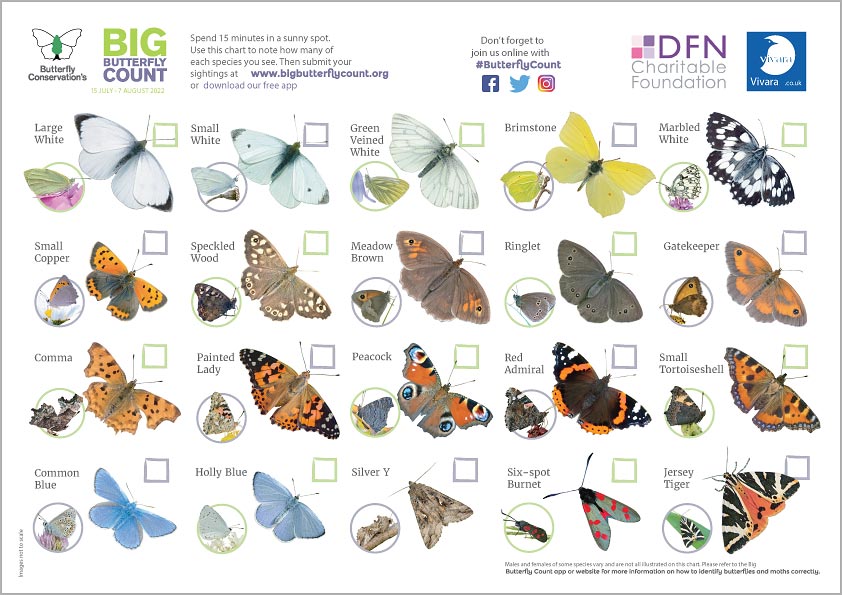
 Many will have heard of the Big Garden Birdwatch that takes place every year in January. However, fewer are aware of a similar activity called The Big Butterfly Count that takes place in July and early August. As well as being extremely worthwhile, it’s a wonderful activity for both children and adults to get involved in as citizen scientists. The activity helps with butterfly conservation, is educational for those taking part, and encourages families to get outdoors, closer to nature. And, as we know,



 Are you looking for a fun and educational activity for your children? Why not encourage them to do some bird spotting? Not only is it a great way to spend time outdoors, but it’s also a wonderful opportunity for them to learn about nature and develop observation skills. As we know,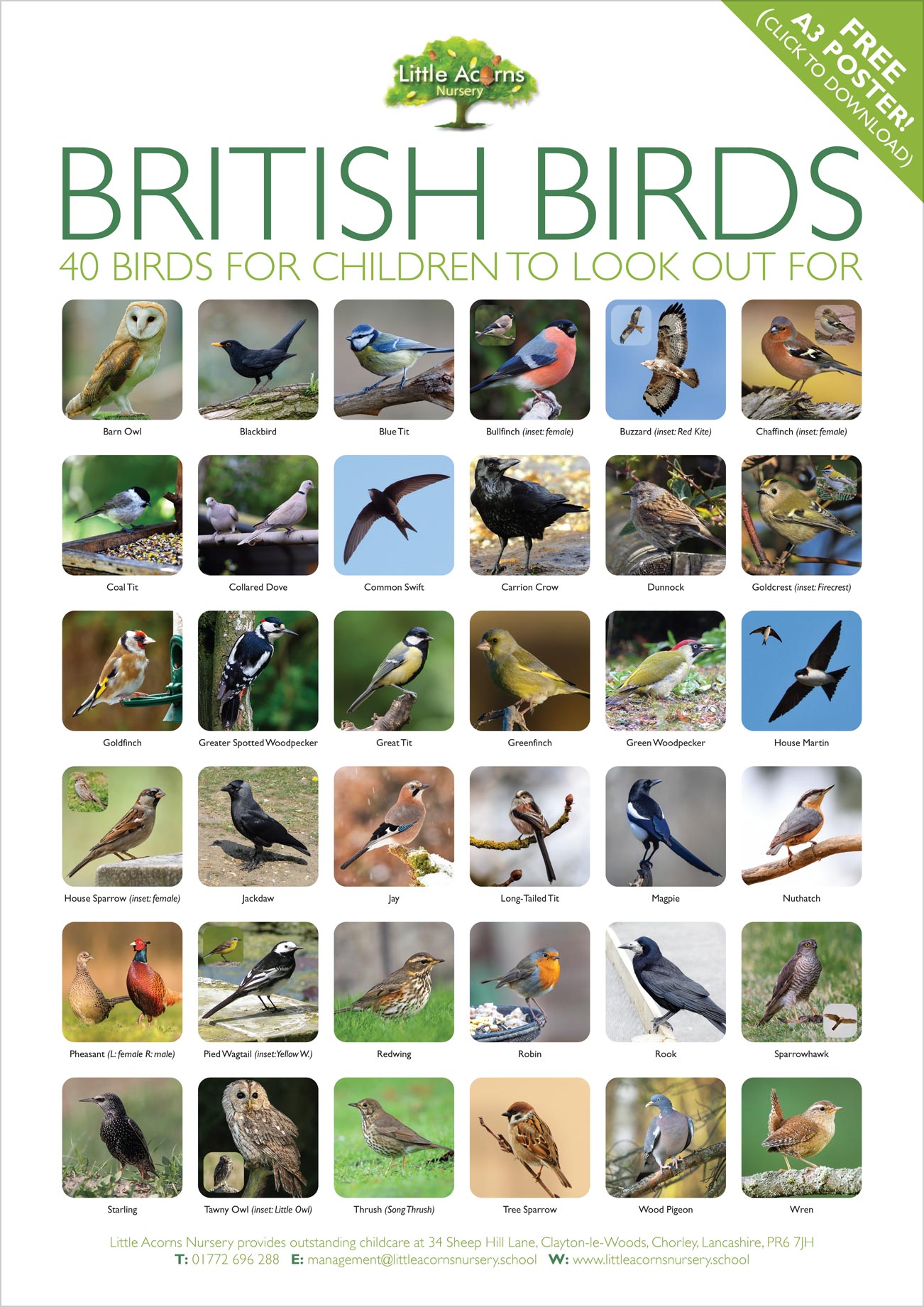
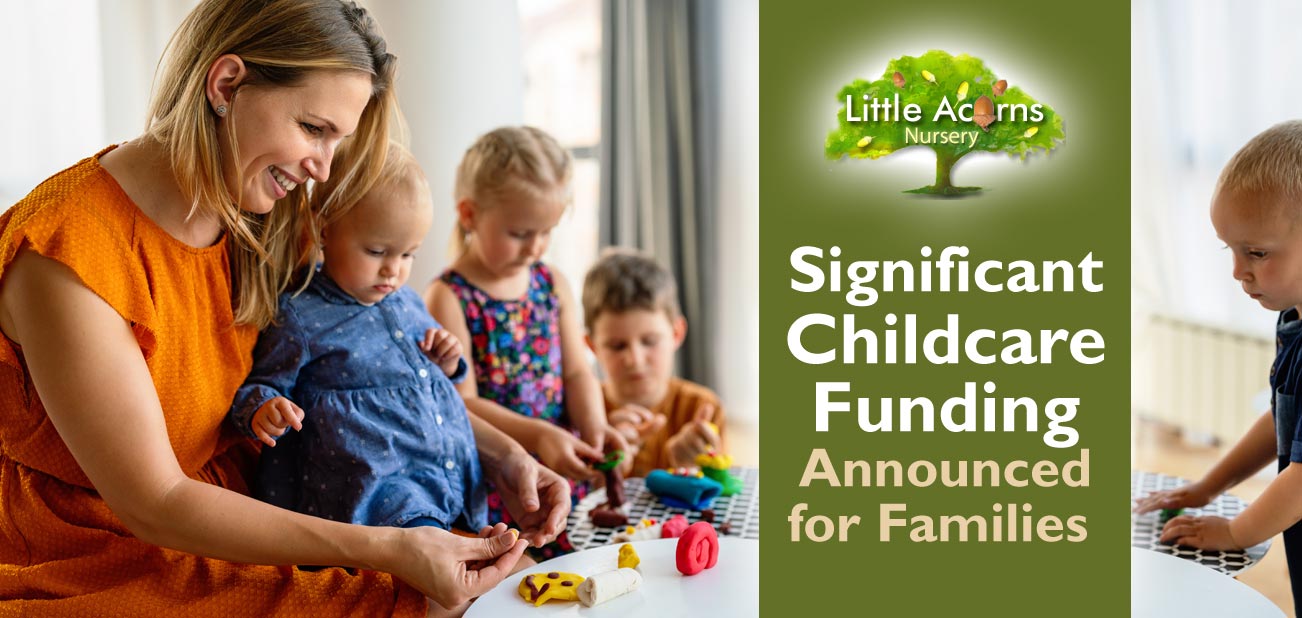
 parents to return to the workplace sooner after the birth of their child if they so choose;
 children aged 2 from eligible working families will be able to claim 570 hours of free childcare each year. This is typically taken as 15 hours of free childcare each week over 38 weeks, although exactly how it’s taken may be agreed otherwise between the family and the childcare provider.
 Until now, 87% of those eligible to claim childcare support through Universal Credit were not doing so. One of the main reasons for this was that it’s geared towards low-income families yet required them to pay childcare fees in advance — and later claim them back. Paying in advance is not so easy when household income is low, as is typically the case for households that would otherwise be eligible. For this reason, another of the Chancellor’s initiatives announced in the Spring Budget 2023 is to roll out the following improvements:
 The final childcare-related initiative in the Chancellor’s Spring Budget aims to fix another key problem for parents: how to juggle their own longer working hours with their child’s shorter school hours. When a child attends school, they often finish their school day several hours before their parent is finished at work, for example. There is therefore a childcare requirement to bridge the gap and this may be required both at the start and end of the child’s school day. In view of this, the Chancellor announced the piloting of a new Wraparound Pathfinder Scheme, which would fund childcare hours from 8 am until the start of the school morning and, later in the day, fund childcare for the mismatched afternoon hours up to 6 pm. The pilot will test the scheme to see how well it works. If successful, the Chancellor aims to roll it out to the whole of the UK from September 2024.


 Are you are a parent or carer of a child under five? If so, you could learn a lot about childcare, parenting and early years learning and development by following Little Acorns Nursery on social media. We’re active across multiple social channels including Twitter, Facebook, Pinterest and Instagram and share high quality content useful to parents of under-fives. That includes parents of children at Little Acorns although, actually, parents anywhere will find the content educational and useful. Our high quality content includes unusually informative ‘early years’ articles and information. For example, a whole range of guides, the findings from various studies, suggested activities for kids and overviews of things like childcare funding schemes with eligibility guidelines. Also, of course, the social media channels include posts relating to the exciting activities happening at the nursery in Clayton-le-Woods, Chorley.
 Follow Little Acorns Nursery on Twitter. There, you’ll see links to some great topics that relate to early years education. You’ll also see regular tweets and posts showing the exciting play and activities that children are taking part in at the nursery.
 On Facebook, we share our ‘bigger’ guides and articles from
  We love Pinterest! Its simple, pictorial approach makes it easy to just pick out something that interests you and save it to your own Pinterest pin board, so you can simply save it or share with others. We’ve got lots of pin ‘boards’ on our Pinterest profile, where we’ve pinned images and links to articles that interest us as early years practitioners. We think you’ll like them too. Board topics include nature activities, sensory activities for under-5s, early years parenting, Forest School, outdoor play, preschool, nursery school activities and, of course, Little Acorns Nursery itself.
 If you’re on Instagram, check out our photo gallery on our own Instagram profile. It shows images of the children playing and learning at the nursery as well as featured images that link to our highly interesting blog posts.
 Little Acorns Nursery is @LittleAcornsNurseryChorley on Google and;
 If you have used our childcare service and were pleased, please
  We’re active here on our Little Acorns blog too. Here, you’ll find larger articles that tend to cover the ‘bigger’ topics that parents and carers of children under five will find useful. These are well-researched, detailed and often very educational articles that will keep parents well-informed. For example, we cover topics like
 Today, we look at how early years childcare providers like Little Acorns Nursery can help children under five if they have special educational needs and disabilities. This is often referred to as ‘SEND’ or in longer forms like ‘SEN and disabilities’. Let’s explore the topic to get an overview of some of the help available.
 Actually identifying an area of special need or disability is, of course, the first, crucial step in being able to help a child. If an area of special need is suspected, early years providers can work with parents and sometimes other professionals, for example health visitors, speech and language therapists, paediatricians and so on. Involving such professionals will help with any diagnosis.
 This is important. Early years providers can create an inclusive environment that welcomes and supports children of all abilities. Encouraging the inclusion of children in social groups and in the making of friends, for example, is of huge benefit to children’s well-being. Childcare settings can also provide special equipment or adapt the environment to make it more accessible for children with specific physical needs.
 Early years providers like Little Acorns Nursery adapt the individual learning and development plans and activities to suit each child. In this way, they’re custom-designed to meet the needs of every child individually, including those with special needs. This is done as a matter of course as part of
  Later, each child will similarly have an ‘EYFS profile’ completed during the final term of reception year. However, as we’re focusing this article on children under five, we’ll not go into detail about that here.
 It may be useful for parents and carers to note that local authorities have a duty to publish what’s known as a ‘Local Offer’. This outlines the help available in the area for children with SEND, including how to access that support.
 One of the first challenges when considering childcare for your little one is how to fund it. If you’re an affluent family, then great. However, if childcare costs will be a more significant hurdle to overcome, the good news is that there are lots of options available. Either way, it will help to be well-informed about the various childcare funding schemes on offer from the Government. There are quite a few of them and some are extremely generous and surprisingly easy to obtain. Today’s Quick Guide to Childcare Funding Options in England will give you an at-a-glance overview of what’s available, the key eligibility criteria and how to apply. Note, though, that they generally fund in-person childcare only from approved providers (like Little Acorns). Take a look at the many options …
 You’ve no doubt heard of, or read about, childcare ‘vouchers’. They sound great, but what are they and how do you get them?
 Tax-Free Childcare is a great scheme which, in contrast to childcare vouchers, is widely available to working families — even for those with relatively high earnings.
 Certain 2-year-olds are eligible for 15 hours of free childcare each week, through another Government scheme. This one is to help primarily those families on benefits.
 3 and 4-year-olds in England are very well catered for when it comes to free childcare funding. This is aimed to help them receive that all-important early years education and to help those parents wishing to return to the workplace.
 Tax Credits specifically for childcare are only available to existing claimants under the scheme, through ‘Working Tax Credits’. New claimants should instead refer to the ‘Childcare Funding through Universal Credit’ section below.
 For those who are eligible, this is quite a generous scheme that allows them to reclaim* as much as 85% of their childcare costs. The maximum available, however, is £646.35* each month for one child, or it’s £1108.04* for more than one.
 This is a grant that does not need to be repaid and is in addition to any undergraduate Student Finance.
 Learner Support is a type of financial support designed for students who are suffering financial hardship. It can be used to fund childcare for eligible students who are also parents.
 Care to Learn may suit if you are a parent who is not yet 20 and are studying on a publicly-funded course, although see caveats below.