
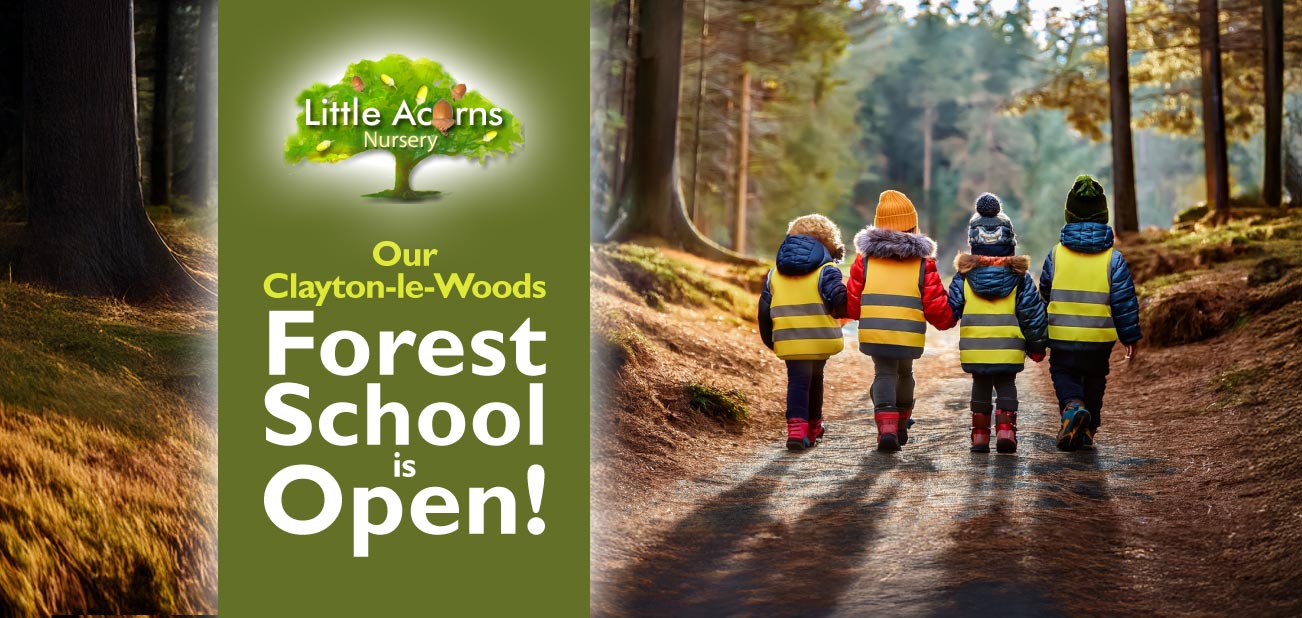
 We’re delighted to share some very exciting news: our much-loved Forest School in Clayton-le-Woods re-opens in Spring (2026). After dedicated staff training, careful preparation and thoughtful planning, we’re ready to welcome children back to outdoor learning — and we know it’s something they will be extremely excited about.
Forest School has always been an important part of who we are as a nursery. In fact, we are proud to have been the very first setting in the area to establish a Forest School, and it quickly became a highlight of the week for our children. Bringing it back now feels like a natural and meaningful step forward, rooted in the proven belief that young children thrive when they are given time, space and freedom to explore the natural world around them. Indeed, spending time in and around nature is profoundly beneficial to children.
A Natural Choice for Our Nursery & Children
 Our nursery is surrounded by local parks, green spaces and natural open areas, making Forest School a perfect fit. What’s more, nature is already part of daily life here, and Forest School will allow children to experience it more deeply and more intentionally. They are naturally curious and want to touch, observe, ask questions and make sense of what they see around them. Being outdoors opens up the enormity of the natural world to them. It gives them opportunities to notice changes in the seasons, discover plants and wildlife, better understand the circle of life, and their place in the world. It helps them develop a real sense of connection to their environment, and their power and responsibility over it. Those are all things that would be difficult to replicate indoors alone.
Safety FirstForest School’s re-opening follows comprehensive training for our team, alongside detailed preparation of activities, routines and risk assessments. Safety is, of course, always our top priority. Sessions are well supervised, thoughtfully structured, and designed to support exploration in a calm, nurturing, and safe way. |
What Forest School Is All About
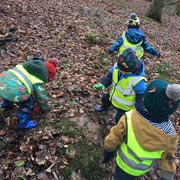 Forest School is a child-centred approach to learning that takes place outdoors and encourages children to explore, investigate, and learn about the natural world through hands-on experiences. Sessions are led by trained practitioners and are carefully planned to be age-appropriate for under-fives. They allow children to learn about nature, build new skills, learn to assess risks, and grow in confidence and independence.
Forest School isn’t about rushing or achieving a set outcome. It’s about giving children time — time to wonder, to try, to persevere and to feel proud of what they can do — all at their own pace.
Supporting Development, Confidence & the EYFS
 Forest School offers rich opportunities for learning across all areas of the Early Years Foundation Stage. As children climb, balance, build, dig, collect and create, they naturally develop physical strength, coordination and problem-solving skills. They learn to communicate with one another, take turns, share ideas and work together, supporting social and emotional development in a meaningful context.
Being outdoors also supports children’s emotional wellbeing. Nature has a calming influence, helping children to regulate their emotions, build resilience and develop self-confidence. Whether a child is energetic and adventurous, or quieter and more reflective, Forest School offers something valuable for every personality and learning style.
Learning About Nature, Responsibility & Our Place in the World
Spending regular time in nature helps children build an understanding of living things — plants, animals and insects — and how they all play a role in the world around us. Through observation and gentle guidance, children begin to develop empathy and respect for flora and fauna, learning that all living things need care and consideration.
Forest School also supports early understanding of responsibility towards the environment and one another. Children learn that their actions matter, helping them develop a sense of stewardship for the planet and a growing awareness of their own place within it. Such early experiences lay important foundations for values such as kindness, responsibility and respect.
Forest School Beyond the Woodland
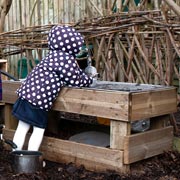 Forest School is not limited to time spent outdoors for children at Little Acorns Nursery. The Forest School approach is also reflected throughout our nursery environment, both indoors and in our garden and grounds. Natural materials, open-ended resources and opportunities for exploration are woven into everyday play, allowing children to continue their connection with nature — whether indoors or outside.
This consistency helps children feel confident and supported, reinforcing learning and curiosity across multiple areas of the setting.
Discovering Nature in Every Season
Re-opening Forest School means children will initially experience the unique magic of nature in winter. Frosty mornings, muddy puddles, bare trees and changing weather all offer rich learning opportunities that will inspire meaningful — and often profound — conversations. Forest School is a year-round experience, though. So, as the seasons pass from winter, through spring and summer into autumn, each will bring new discoveries and moments of wonder to the children in our care.
A Special Part of Nursery Life
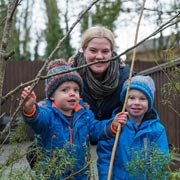 For families already with us, Forest School adds another enriching layer to the care and education your child receives. For those considering joining our nursery, it’s one of the many reasons we believe our setting offers something truly special. Being able to offer Forest School — especially as a nursery that pioneered it locally — reflects our commitment to high-quality, thoughtful early years practice.
After all, childhood is about curiosity, connection and discovery — and there is no better place to begin than in nature itself. Learn more about Forest School in our ultimate guide here.
Contact Little Acorns Nursery
Clayton-le-Woods, Chorley
 The whole team at Little Acorns Nursery is incredibly excited to see Forest School come back to life this spring. We can’t wait to watch our children grow, learn and flourish outdoors. If you’d like to find out more about Forest School or our weekday childcare services for under-fives, contact us, speak to our team, or come and see us; we’ll be delighted to tell you more.
Little Acorns is a childcare nursery in Clayton-le-Woods, Chorley, but may also suit families living close by, for example, in Clayton Brook, Clayton Green, Bamber Bridge, Lostock Hall, Penwortham, Buckshaw Village, Thorpe Green, Pippin Street, Whittle-le-Woods, Farington, Euxton, and Leyland.
 Overall effectiveness: Good



 In September this year (2025), free childcare for eligible working families expands to 30 hours per week for children as young as just 9 months. Little Acorns Nursery in Clayton-le-Woods is supporting the funding scheme too. Taken usually over 38 weeks* of the year, it means a generous 1140 hours of funded childcare will be available to eligible children in Central Lancashire over the course of a year. For the first time, the funding will cover eligible babies aged from only 9 months and children up to 2, the scheme having previously rolled out to eligible 3-and-4-year-olds last year. An urgent factor to be aware of, however, is that the funding application deadline is only weeks away for those wanting to start in the September 2025 term. So, whether you’re thinking of applying at Little Acorns Nursery or elsewhere, don’t delay your application any longer if you want to access the free funding from September. If your child is eligible and you do not apply by the deadline, your child will not be able to access the free funding for the entire September term. Read on to learn more about the new funding for eligible working families, the deadlines for applications, and the rules that apply.
 Helping to make childcare more affordable for working families;
 You can apply for funded childcare for eligible working families as soon as your child reaches the age of 23 weeks (that’s just over 5¼ months). If successful, they’ll be able to start using their free childcare hours the term after they reach the age of 9 months. Depending on when that occurs, they’ll be able to start accessing the funded childcare from either the 1st of September, the 1st of January, or the 1st of April, with application deadlines for each being the day before.



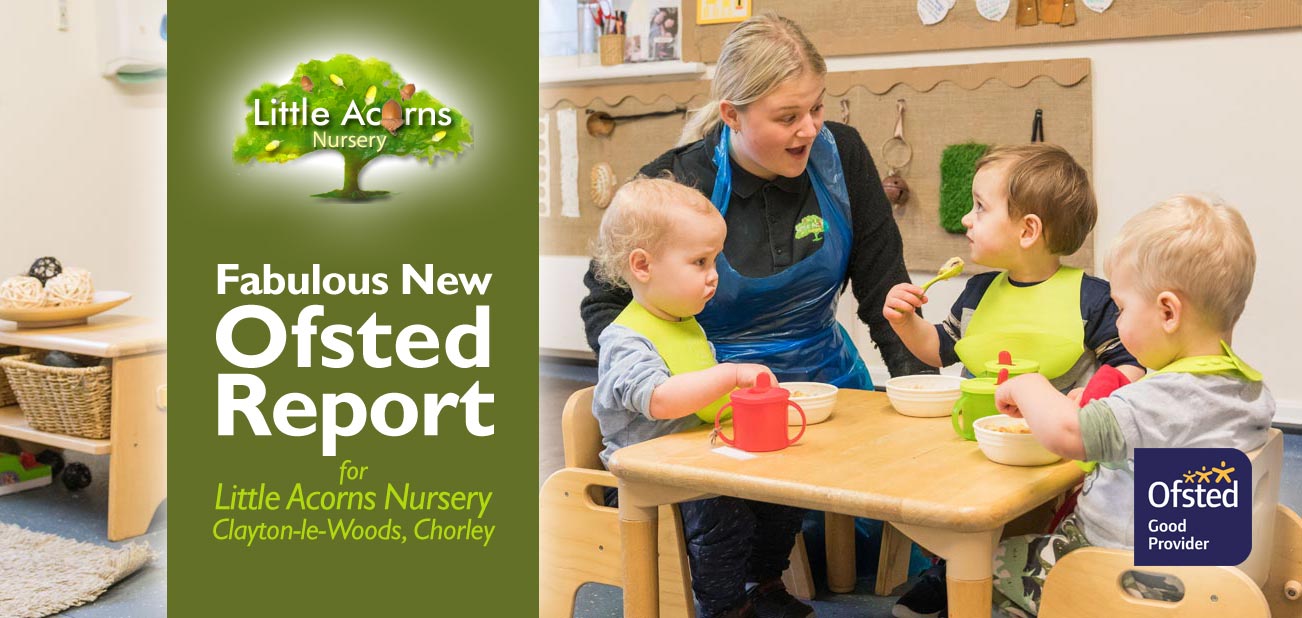
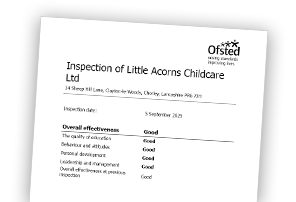
 Today we look at the wonderful Ofsted report published recently for Little Acorns Nursery in Clayton-le-Woods, Chorley. Ofsted is The Office for Standards in Education, Children’s Services and Skills. Their inspector visited this fabulous Lancashire childcare setting in late August and released its official report a month later on 25 September 2024. Our post today spotlights some of the many glowing comments made by the inspector therein, following her visit. It also highlights the reasoning for ‘good provider’ ratings across all areas of the Ofsted report. Take a look and you’ll see why babies, children under five, and those with special educational needs and/or disabilities absolutely thrive at Little Acorns.
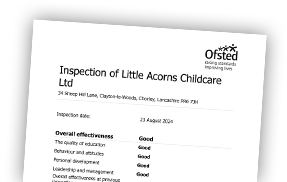 Overall effectiveness: Good
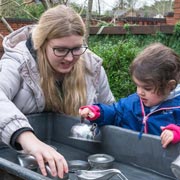 Any good nursery or childcare provider will ensure that children understand right from wrong and are mindful of the effect their actions have on others, including peers. Nurturing good manners and appropriate behaviour amongst little ones benefits everyone including, of course, the children themselves. Ofsted’s latest report recognised that Little Acorns is very successful in this regard:
 Children find messy play hugely rewarding as well as being immense fun. Messy play nurtures children’s imaginations, creativity, dexterity, and self-expression and benefits them in many other ways. It is therefore a crucial part of early years learning and development — and more important than it perhaps sounds. Ofsted picked up on the quality of messy play activities at Little Acorns Nursery within its report:
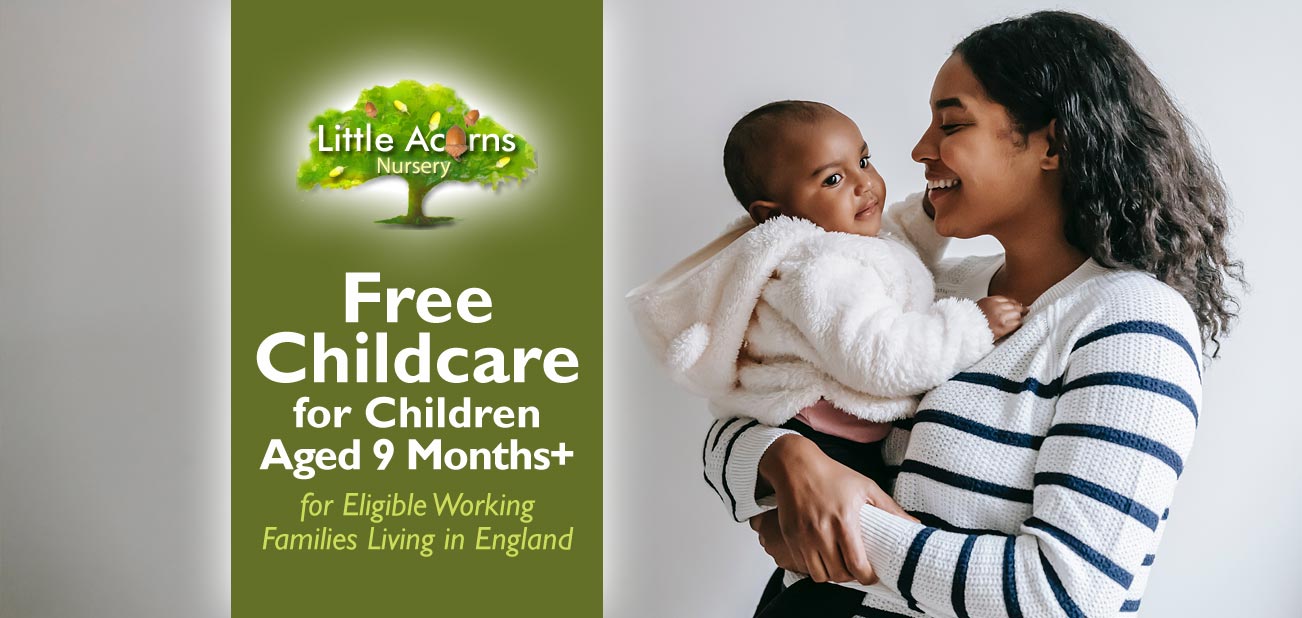
 With September 2024 arriving, eligible children aged as young as 9 months can now access free childcare in England. The new childcare ‘hours’ are available where working families are eligible for the support and, in tandem, where local childcare providers are set up with appropriate staffing ratios and capacity. The good news, however, is that Little Acorns Nursery, in Clayton-le-Woods, supports the new scheme. It’s therefore with great pleasure that we’re now beginning to welcome children as young as just 9 months of age for free childcare hours at the Chorley setting.
 From September 2024 (so already active), eligible children aged from 9 months to 3 years of age can access 570 hours and eligible children aged 3 and 4 can access 1140 hours of free childcare support per year. The free hours are usually taken over the course of 38 weeks (equating to 15 and 30 hours per week respectively). However, some childcare providers may allow the hours to be spread over more weeks of the year by reducing the number of hours per week. Speak directly to your specific childcare provider about the availability of this more flexible option.
 Must not have an
  Little Acorns is a wonderful
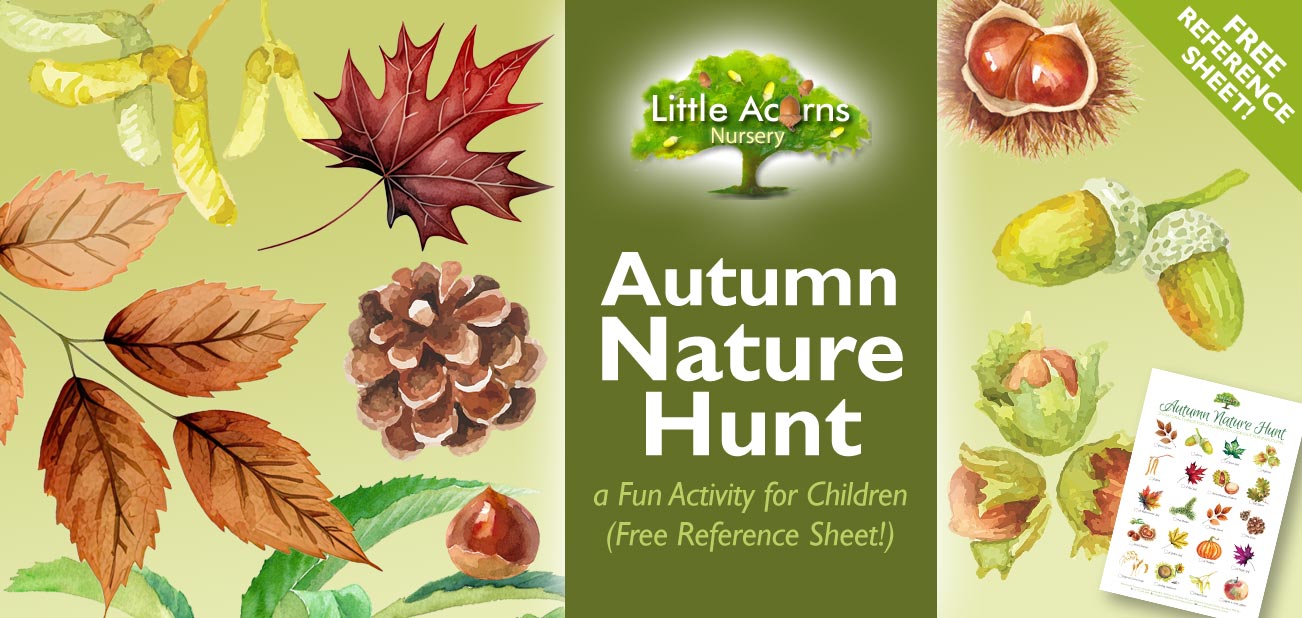
 By mid-November, autumn is in full swing and leaves are turning a myriad of different colours. Scenes of green, yellow, red and golden trees can be breathtakingly beautiful and the air is often crystal clear at this time of year — that’s great for photos! The autumn season also brings with it a treasure trove of fascinating natural things that children can discover if they take the time to look. Indeed, an autumn nature hunt is the perfect excuse for little ones to spend some time outdoors, where they will also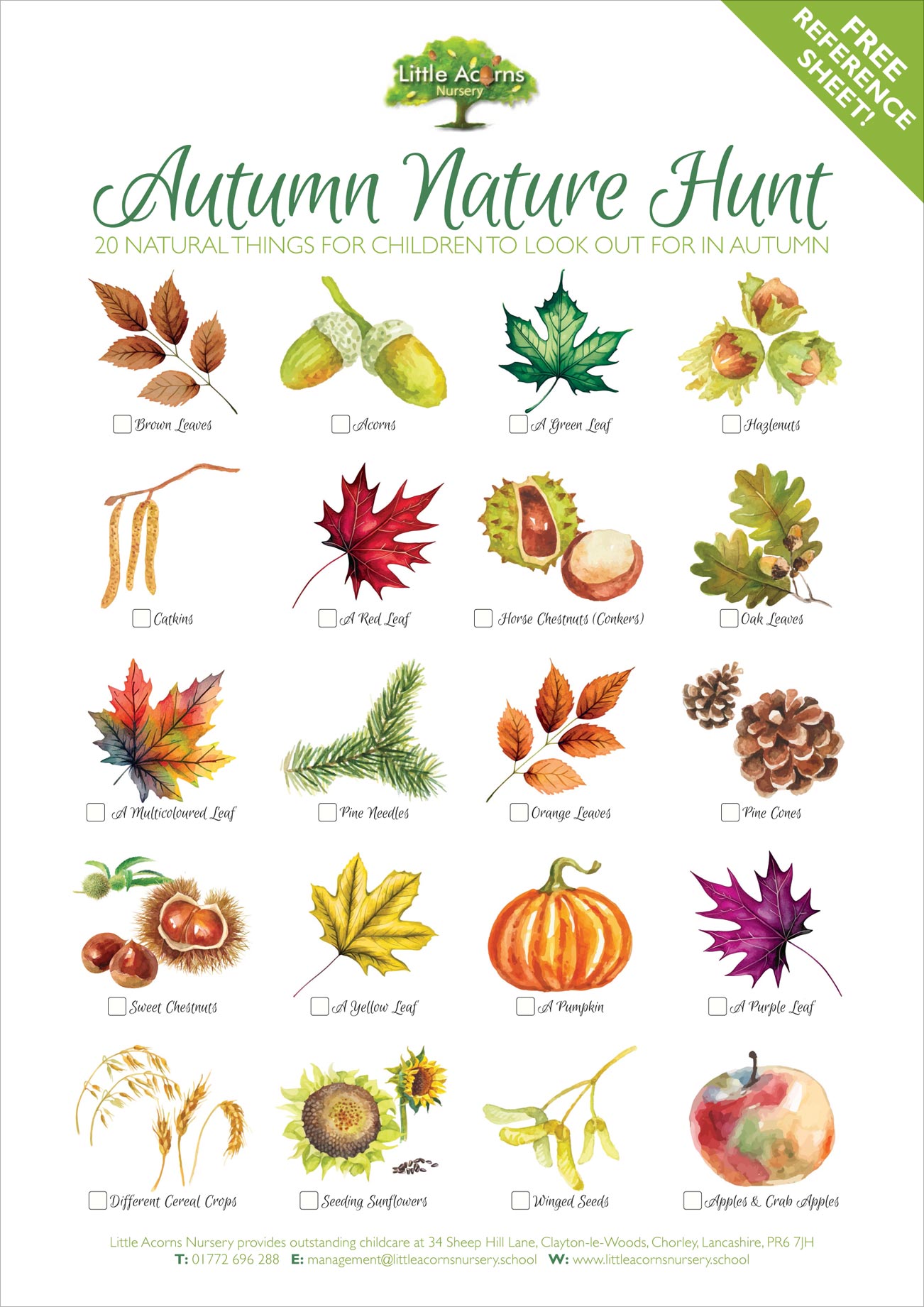
 Ensure children, particularly the very young, receive appropriate adult supervision at all times. Although fascinating and fun, the outdoors holds many hazards for the unwary. Therefore, children will need to be closely monitored by a responsible adult in order to safeguard their well-being.
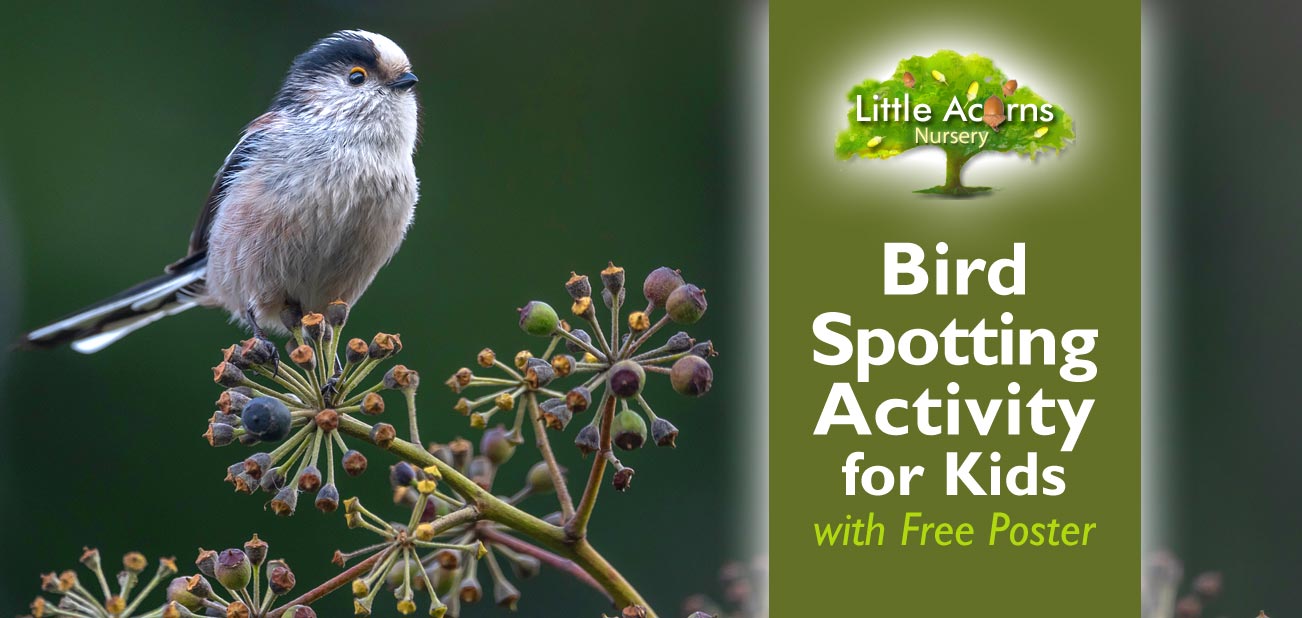
 Are you looking for a fun and educational activity for your children? Why not encourage them to do some bird spotting? Not only is it a great way to spend time outdoors, but it’s also a wonderful opportunity for them to learn about nature and develop observation skills. As we know,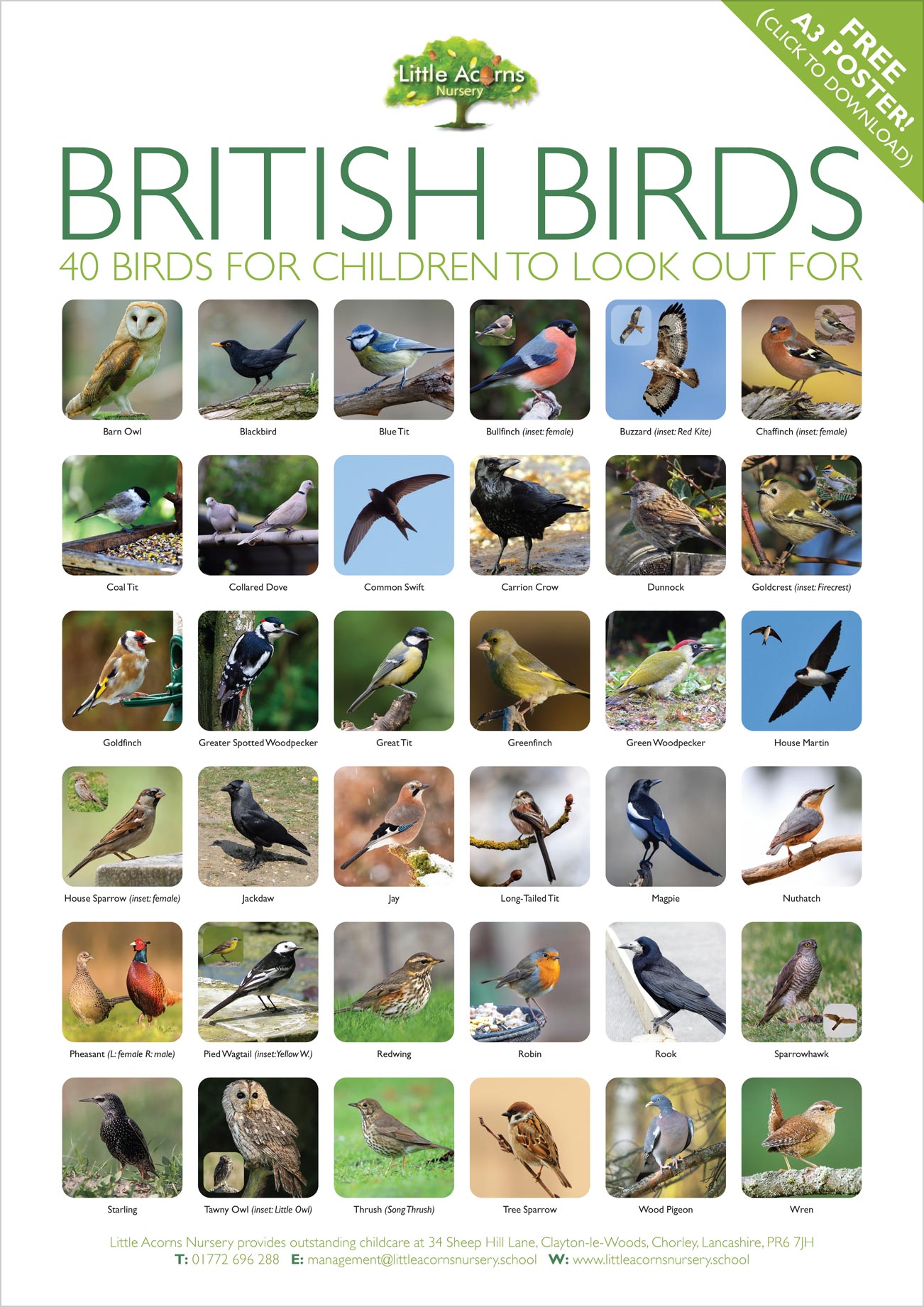
 parents to return to the workplace sooner after the birth of their child if they so choose;
 children aged 2 from eligible working families will be able to claim 570 hours of free childcare each year. This is typically taken as 15 hours of free childcare each week over 38 weeks, although exactly how it’s taken may be agreed otherwise between the family and the childcare provider.
 Until now, 87% of those eligible to claim childcare support through Universal Credit were not doing so. One of the main reasons for this was that it’s geared towards low-income families yet required them to pay childcare fees in advance — and later claim them back. Paying in advance is not so easy when household income is low, as is typically the case for households that would otherwise be eligible. For this reason, another of the Chancellor’s initiatives announced in the Spring Budget 2023 is to roll out the following improvements:
 The final childcare-related initiative in the Chancellor’s Spring Budget aims to fix another key problem for parents: how to juggle their own longer working hours with their child’s shorter school hours. When a child attends school, they often finish their school day several hours before their parent is finished at work, for example. There is therefore a childcare requirement to bridge the gap and this may be required both at the start and end of the child’s school day. In view of this, the Chancellor announced the piloting of a new Wraparound Pathfinder Scheme, which would fund childcare hours from 8 am until the start of the school morning and, later in the day, fund childcare for the mismatched afternoon hours up to 6 pm. The pilot will test the scheme to see how well it works. If successful, the Chancellor aims to roll it out to the whole of the UK from September 2024.