Little Learners: Get Ready for World Bee Day!
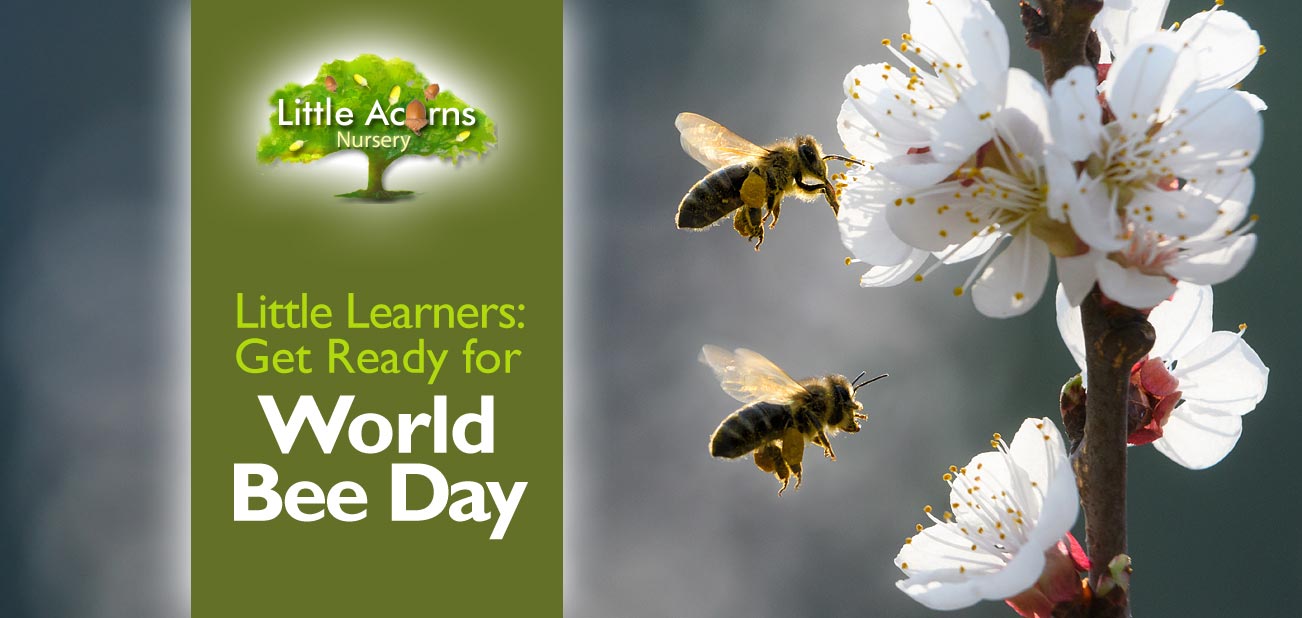
 Little learners, get ready – it’s almost time to buzz into action for World Bee Day! The annual event arrives in May and it’s a brilliant opportunity for children and families to get involved in something meaningful, fun, and full of learning opportunities.
Bees are amazing little helpers, whether in gardens, parks or the countryside — but they need our help too! World Bee Day is a chance for children to discover the magic of these fascinating creatures, learn more about the natural world, and start to build early environmental awareness. They can get proactive too. Whether by planting wildflowers, spotting bees in the garden, or creating bee-inspired arts and crafts, even our tiniest learners can join in the buzz. Read on to learn more about this fun, educational, and hugely worthwhile event, which takes place each May.

 When April is on the horizon, there is a buzz amongst parents whose children will receive school offers that month. It’s quite a milestone in the lives of families as it’s the time they’ll find out if their children have received an offer for their top school choice. If not, will they be offered another “preferred” school listed lower on their application? It will often have felt like a long wait to find out the results, too, with families having applied in mid-January or potentially months earlier. Because we are an early years nursery, today’s guide focuses on primary school offers. We’ll explain in detail when to expect your child’s primary school offer, criteria that may have affected it, and your options if you’re not happy with the school place offered. To keep things as simple as possible, we’ll concentrate on applications for a standard school start date in the September term (rules and dates for ‘in-year’ applications are slightly different). If your child is due to start primary school this year, take a look.
 With the start of the new year now behind us, it’s time for children to get ready to take part in National Storytelling Week. This year it begins on Saturday the 1st of February and ends on Sunday the 9th. It’s a wonderful initiative that brings children and families together to use their imaginations, get creative, and entertain one another. What better time of the year to do that than during mid-winter? National Storytelling Week is perfectly timed to be a fabulous antidote to cold, blustery, winter days and is a wonderful way for children to escape through the power of the mind.
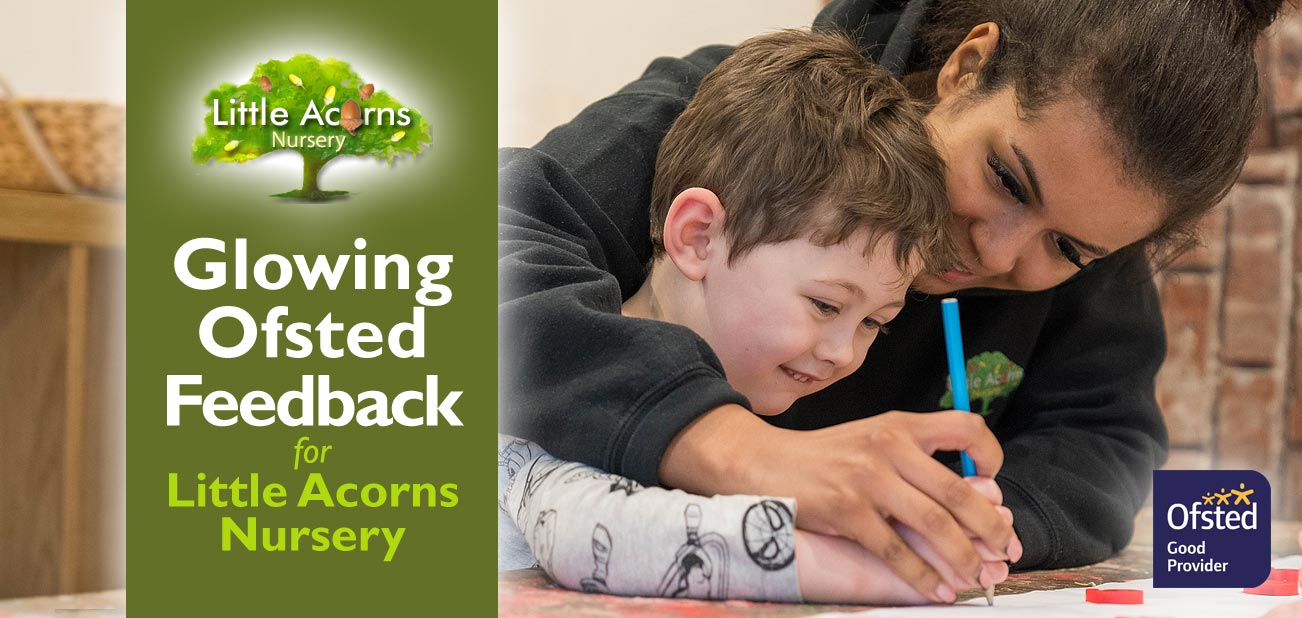
 Today we look at the wonderful Ofsted report published recently for Little Acorns Nursery in Clayton-le-Woods, Chorley. Ofsted is The Office for Standards in Education, Children’s Services and Skills. Their inspector visited this fabulous Lancashire childcare setting in late August and released its official report a month later on 25 September 2024. Our post today spotlights some of the many glowing comments made by the inspector therein, following her visit. It also highlights the reasoning for ‘good provider’ ratings across all areas of the Ofsted report. Take a look and you’ll see why babies, children under five, and those with special educational needs and/or disabilities absolutely thrive at Little Acorns.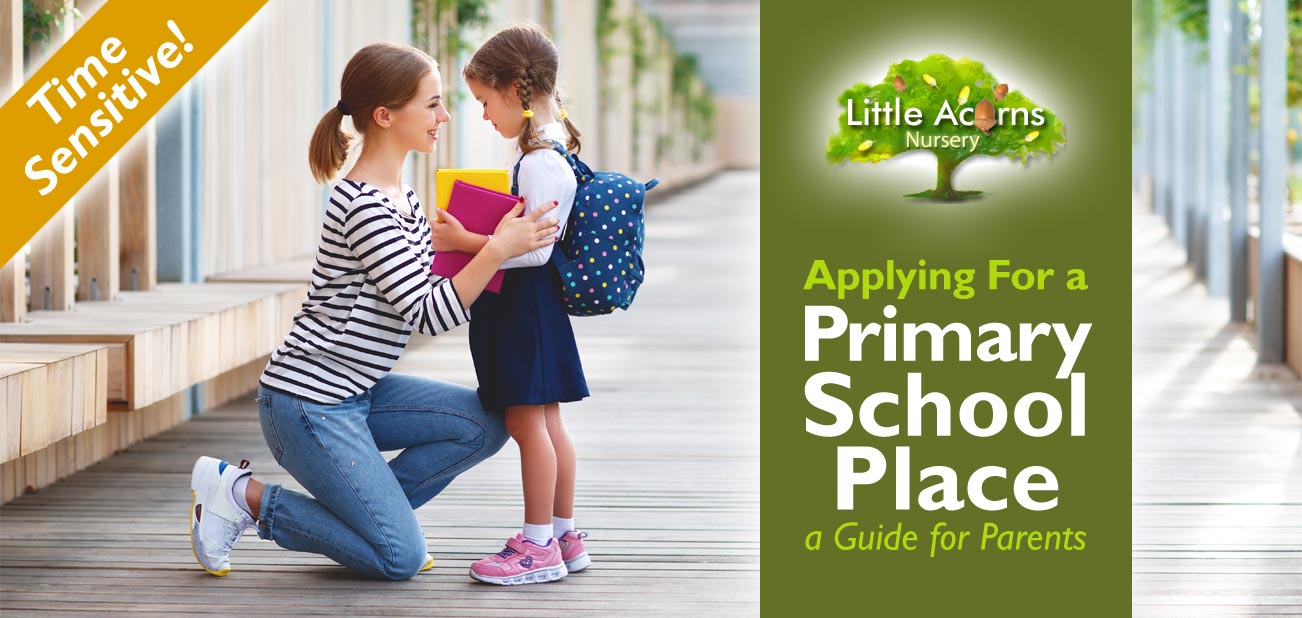
 If your child is 3 or, at the latest, has just turned 4, it’s time for you to apply for their primary school place. What’s more, you only have until about mid-January to do so. That’s all true whether you intend them to start school at 4 or leave it until they’re 5. In today’s guide, we explain the rules around applying for a primary school place, the key dates you need to know, what to expect, and the various options open to you and your child.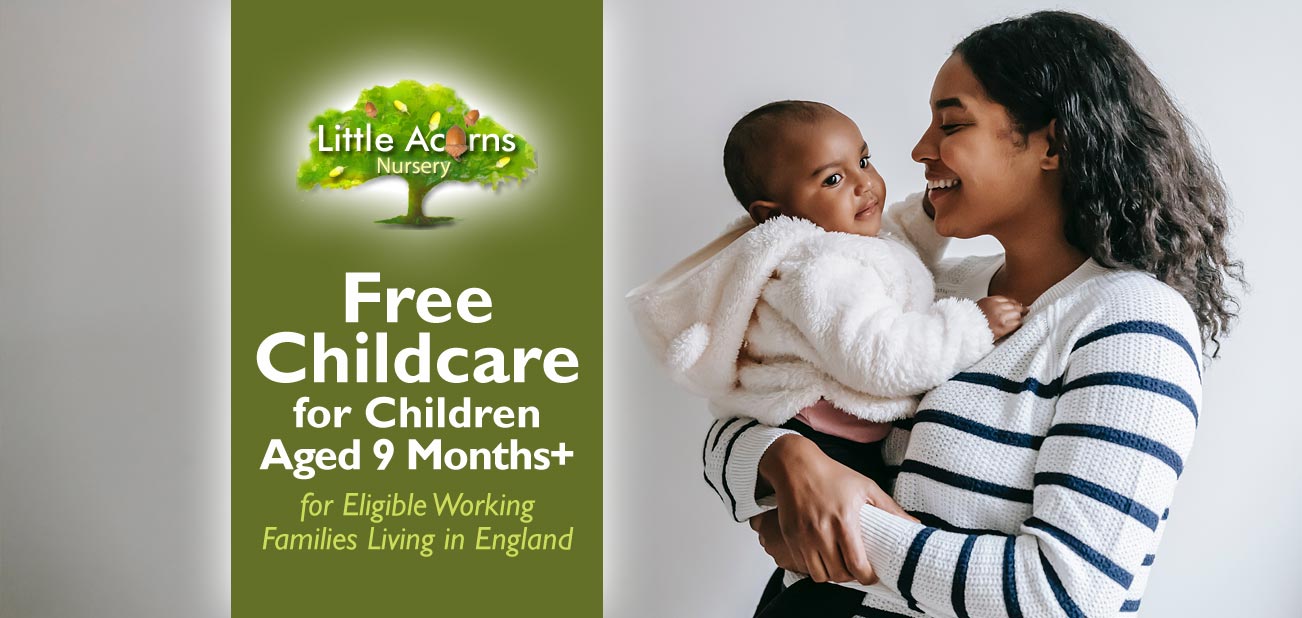
 With September 2024 arriving, eligible children aged as young as 9 months can now access free childcare in England. The new childcare ‘hours’ are available where working families are eligible for the support and, in tandem, where local childcare providers are set up with appropriate staffing ratios and capacity. The good news, however, is that Little Acorns Nursery, in Clayton-le-Woods, supports the new scheme. It’s therefore with great pleasure that we’re now beginning to welcome children as young as just 9 months of age for free childcare hours at the Chorley setting.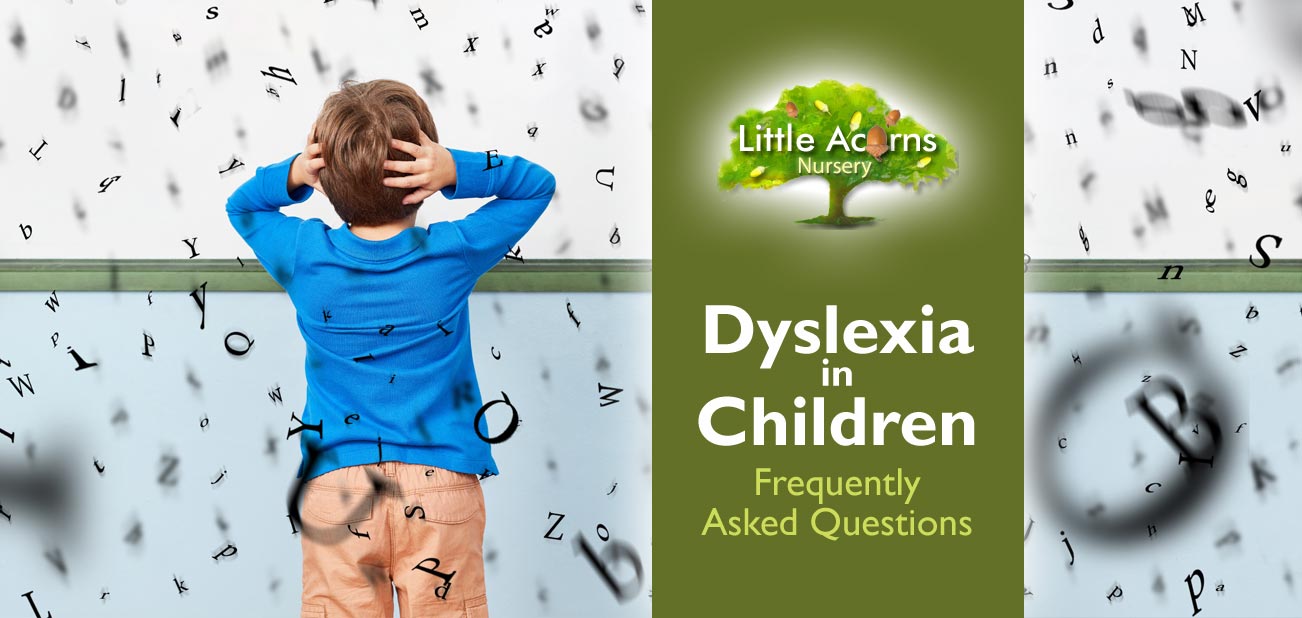
 As a condition that affects children’s reading and writing abilities, Dyslexia is something that can significantly hold little ones back. If not diagnosed and addressed in good time, it can have a knock-on effect that adversely affects the education and potentially whole lives of people affected. It’s therefore important to learn what to look out for so as to recognise the possible signs of dyslexia in children should they occur. With that in mind, today’s article explores the answers to frequently asked questions about dyslexia so as to explain what dyslexia is, how it affects children and adults, what to look out for, and what to do to mitigate its potentially harmful effects.