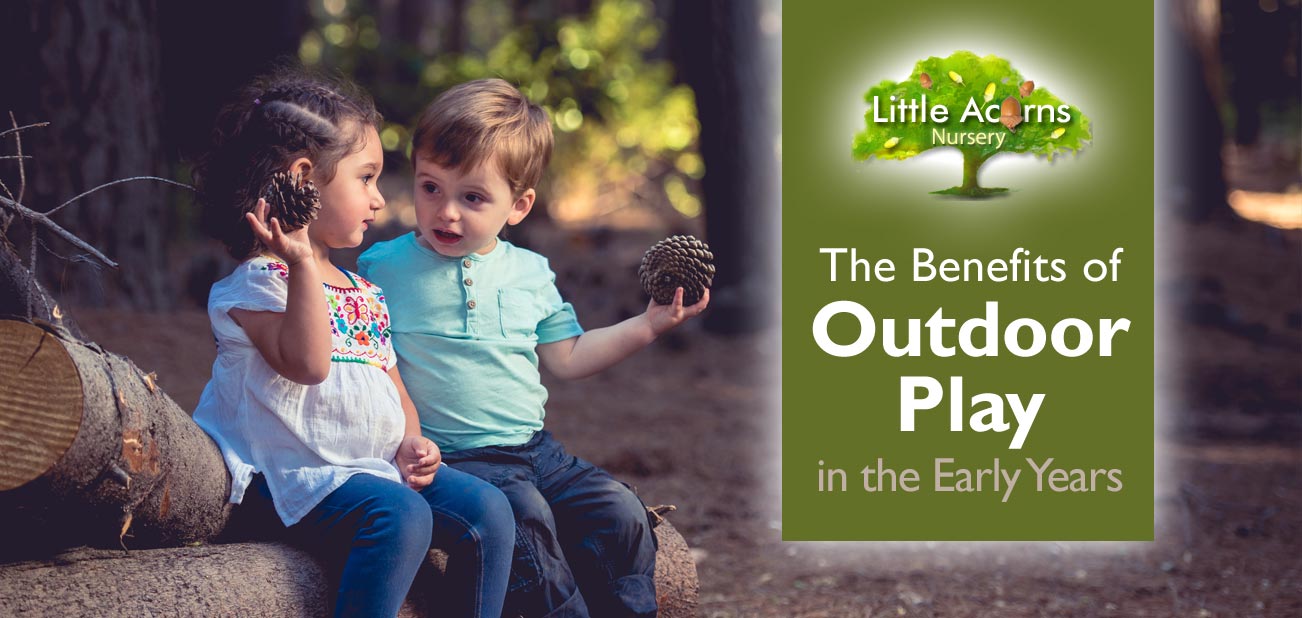
 In today’s post, we take a look at the importance of outdoor play for children in their early years. Indeed, there are many benefits, as we’ll see …
Outdoor play is great fun for children — of course — and that should not be overlooked as a benefit. After all, any healthy childhood should be about adventurous play and fun just as much as it should be about learning. However, as we all know, playing and learning are very closely interlinked. That is why outstanding childcare settings like Little Acorns Nursery firmly believe in learning through play.
Having fun anywhere, but particularly outdoors in the fresh air, will help children’s wellbeing in terms of mental and spiritual health too. Playing outdoors will lift the spirits and give children a myriad of opportunities for fun, learning, self-improvement and physical wellbeing. Such activity releases the hormone cortisol in the brain and that helps to naturally reduce stress and anxiety.
Children benefit from the simple act of being outdoors.
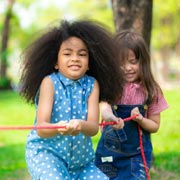 Playing outside is also a healthy release from things like TV, electronic screens and, potentially, from an otherwise more sedentary lifestyle. Away from the confines of the indoors, outdoor play allows children the freedom to move about more freely. Outside, they’ll learn to navigate spaces, obstacles and play equipment, all the time improving spatial awareness, coordination, balance and gross motor skills. These include running, jumping, climbing and so on. Their fitness levels will naturally improve too, as they build stamina, muscle and strength. This is all incredibly good for them.
Outdoor play is also a feast for the senses. During the early years, sensory experiences are very important, not least for their brain development. Playing outdoors will give them many sensory opportunities, for example in terms of what they hear, see, feel, touch and smell.
Outdoor play teaches children to be creative, inventing adventures and challenges with their friends, all the time stimulating their brains and minds just as much as their bodies. They benefit socially too, of course, growing closer bonds with their peers (and supervising adults), learning social skills like communication, understanding right from wrong, cooperation, and so on.
Outdoor Play at Little Acorns Nursery
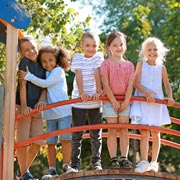 At Little Acorns, we understand the importance of outdoor play. Little ones, from the age of two have access to our outdoor gardens and play areas — all under close supervision, of course. We have invested heavily in a whole range of exciting, stimulating and educational outdoor facilities for the children to explore, play with and learn from. As they do, they will not only learn but they’ll also hone fine and gross motor skills, improve coordination and balance, improve physical fitness, enhance social skills and build friendships. They will also soon become better at recognising and balancing risk, they’ll become more independent as they move around freely. They’ll also learn from mistakes. Their self-confidence and self-esteem will also naturally grow. These are all incredibly important skills that will stand them in good stead as they gradually approach the age where they’ll leave us to move on to school.
“Physical activity is vital in children’s all-round development, enabling them to pursue happy, healthy and active lives” (DfE — Statutory Framework for the Early Years Foundation Stage)
Forest School
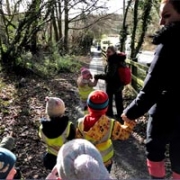 Taking outdoor experiences for little ones even further, Little Acorns regularly takes children on outings, including to local parks. More importantly, though, it was one of the first nurseries/pre-schools to introduce Forest School to Central Lancashire. This is the ultimate outdoor experience for under-fives and teaches them so much about the natural world — and also about themselves. As well as learning a huge amount about nature, flora, fauna, the seasons and about playing and learning in the Great Outdoors, Forest School helps them learn additional skills like problem-solving, working in teams, leadership, resilience, empathy, caring for the environment, personal responsibility and so much more. Learn more in our Ultimate Guide to Forest School here.
A recent UK study found that just 5 minutes of outdoor exercise per day, in a natural environment, improves the wellbeing, mental health and self-esteem of youngsters.
Outdoor Play Supports the EYFS Curriculum
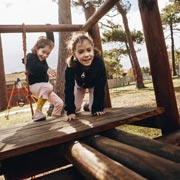 All these outdoor activities also support the early years curriculum. Outdoor playing and learning covers many of the areas outlined in the Early Years Foundation Stage (‘EYFS’) learning and development framework, which is prescribed for all childcare settings in England. Specifically, outdoor play helps children in at least four of the seven key areas of the EYFS including:
- helping immensely with ‘Physical Development‘, one of the ‘prime’ areas of focus within the EYFS;
- helping with ‘Communication & Language Development’, another prime area in the EYFS;
- supporting ‘Personal, Social and Emotional Development‘ (PSED), the third of the three prime areas of the EYFS;
- contributing greatly to ‘Understanding the World‘, one of the specific areas within the EYFS framework.
- Outdoor play can even help children with ‘Mathematics‘ (another specific area of the EYFS) in some situations.
(Learn more about the Early Years Foundation Stage framework and curriculum here).
Clearly, outdoor play is hugely beneficial to children— in a multitude of ways — so, we encourage parents, carers or guardians to take the benefits of outdoor play into consideration for children under their care.
Safety Considerations
Outdoor Play at our Nursery & Forest School in Clayton-le-Woods, Chorley
 Our outstanding Nursery in Clayton-le-Woods is also a Forest School, giving under-five children the very best start in life. Childcare in the Chorley, Central Lancashire region simply doesn’t get any better than at Little Acorns, as recognised independently by an Excellent Ofsted rating and an incredible nursery award. We’re also near Clayton Green and Clayton Brook, so if you are looking for the best nursery and pre-school in any of these areas, please get in touch. We’d love to show you and your child around, so you can see the setting in action for yourselves.
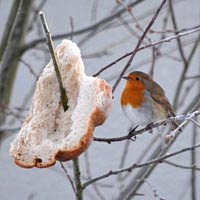
 Making bird feeders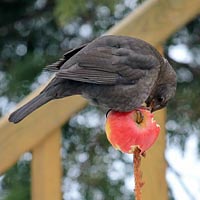
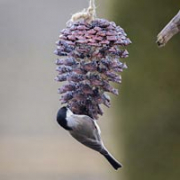
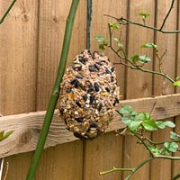 Seeded pine cone bird feeders
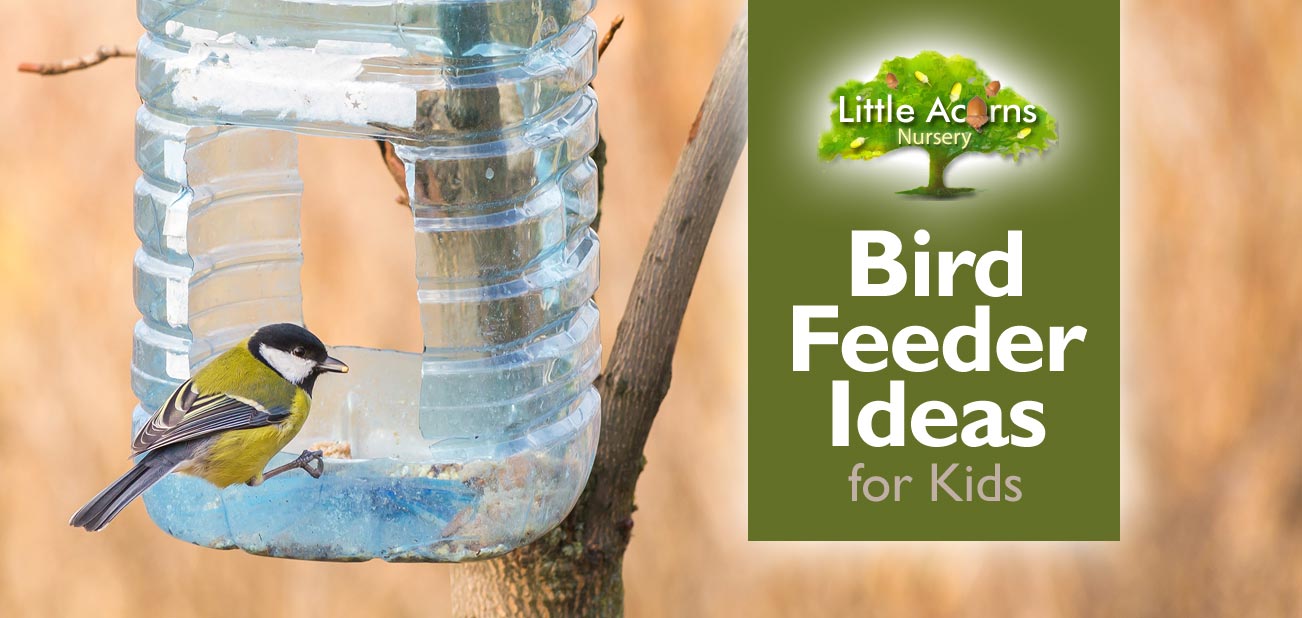
 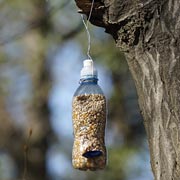 Water bottle bird feeders.
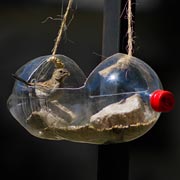 Then, they can be partly filled with bird seed, or perhaps grated Cheddar cheese. Alternatively you can see that some of the designs could be used for drinking water, for example the one shown immediately on the left or at the very top of this article. Another variation even has a plastic spoon pushed into it, forming a convenient perch for the birds to land on and to feed from (see right).
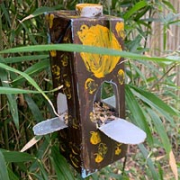 Carton bird feeders
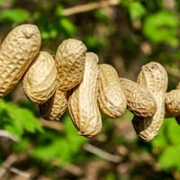 Monkey Nut Bird Feeders
 If using peanut butter in your home-made bird feeders, ensure it is fresh, has no salt or sugar added and is not ‘flavoured’. Smooth or crunchy peanut butter is great for bird-feeders, though, and you can even stick extra bird seed to it once it’s been spread on your feeder e.g. pine cone or apple. There are also some peanut butter brands made specifically for wild birds, by the way.
 Why Nature is So Important for Children
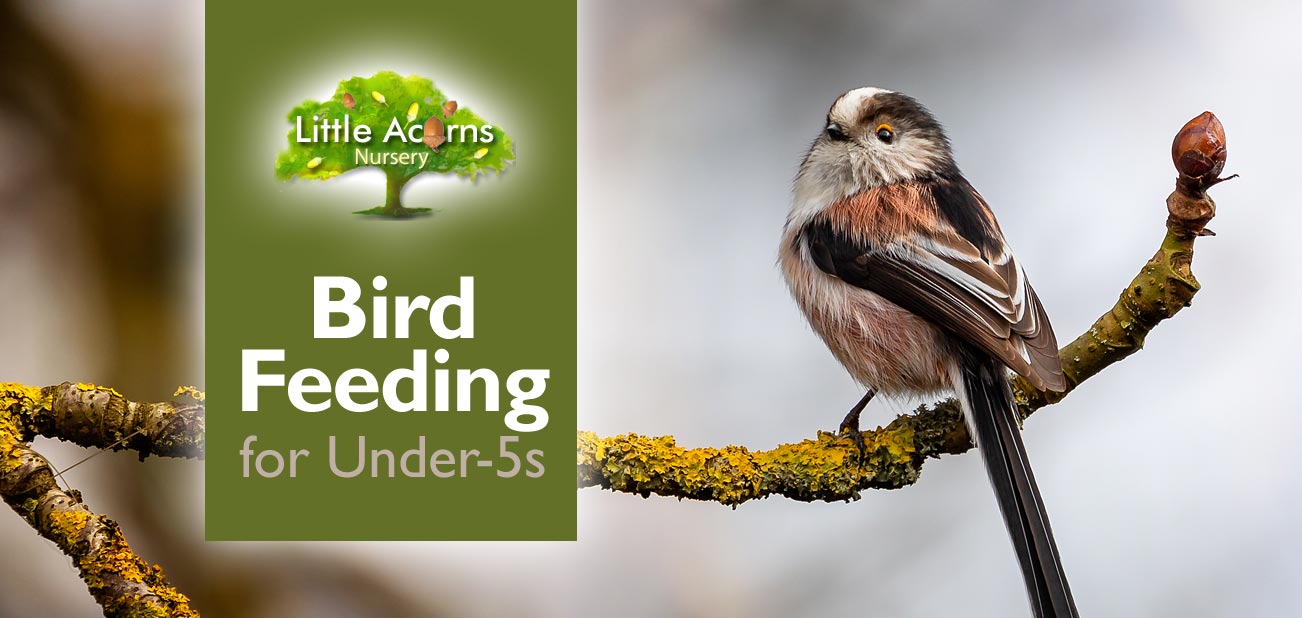
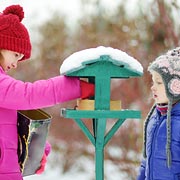
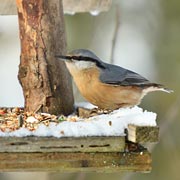 Providing food for birds is a win-win for everyone — humans and birds alike. Birds obviously get to eat much needed food without huge effort and children get to learn more about nature and perhaps individual bird visitors. (We even name our regulars! “Vern” is a tame blackbird, for example, having been named after a character in the famous movie Rain Man). By encouraging birds to visit, children will soon be able to recognise and name the different species of bird too, particularly if given some help from a parent or bird book. Visitors might include robins, blackbirds, blue tits, great tits, long-tailed tits (our favourite), thrushes, starlings and, if they’re lucky, more unusual, colourful birds like nuthatches, woodpeckers, bull finches and gold finches. As it gets colder, some species will travel to warmer countries to overwinter. For those that stay in the UK, however, food from a friendly young nature-lover will be a real lifeline.
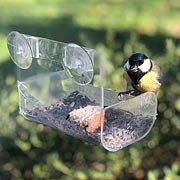 If children do get involved in feeding wild birds, they’ll soon begin to realise how delightful the little beings are. They each have their own character, likes and dislikes. Children will get to appreciate this if they keep up the feeding and the birds will soon realise where to find the food each day. Children will get to understand the importance of nature and learn skills like empathy, understanding and responsibility as they nurture the wellbeing of these beautiful wild visitors. Animals, birds and insects are all individuals and it’s good for children to recognise this. By feeding birds and other animals, they will also be able to continue to appreciate nature and the natural world, just like they do in our
 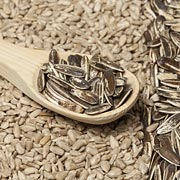 There are many bird feeders available to purchase in supermarkets and local shops, although we simply buy ours as part of our weekly online supermarket shop. Many are quite inexpensive. From fat balls and filled coconut shells, to seed cakes, hanging dispensers and pre-filled seed feeders, the variety available gives parents and children a huge choice. In our own garden, we have found that
 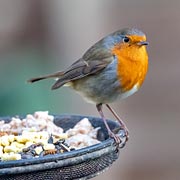 Grated Cheddar cheese (mild and in moderation) will be very popular. Robins, blackbirds, sparrows, starlings, pigeons and doves adore it! Mouldy or ‘blue’ cheese should be totally avoided, though, as the mould could harm or even kill birds. Meanwhile, bread will fill birds up but it doesn’t hold much nutritional value for them, so only feed bread to birds in moderation. It’s incredibly important not to feed them mouldy bread too, or for it to be left to go mouldy once outside. Mould can greatly harm or even kill birds.
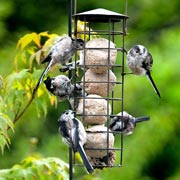 The RSPB provides
 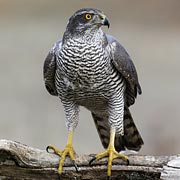 Window recesses, higher windowsills and balconies will usually offer some kind of suitable site for feeding birds. Careful choosing of the site for your bird feeders is an important consideration, however, which could make or break your feeder’s success and the wellbeing of the birds you are trying to help.
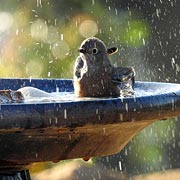 A Word About Hygiene for Your Family & the Birds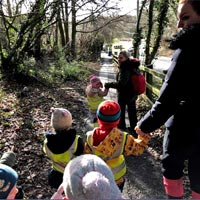
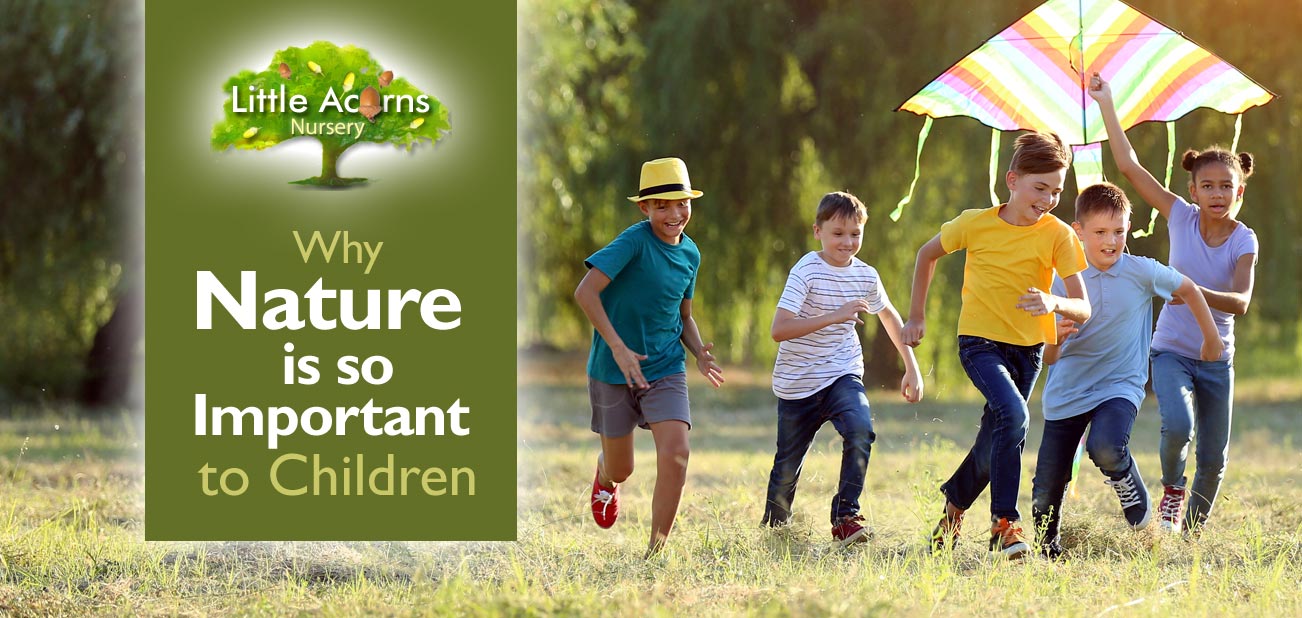
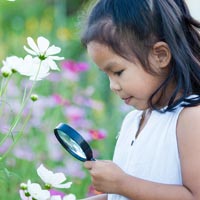 Today we’ll look at the immense benefits of nature to children. While the long-term benefits of nature are reasonably well-known, it turns out short-term exposure to the natural environment also has1 clear benefits for people of any age. The benefits are even more beneficial, though, for young people during their early years, at school and in higher education.
 One of the wonderful things about nature is that immersing oneself in it need not cost a penny. With so many proven benefits, it just goes to show that the old adage that ‘the best things in life are free’ really is true when it comes to nature. Exposure to the natural environment and green surroundings has been shown to have clear benefits …
 The benefits of restored attention skills in themselves should not, of course, be overlooked. Interestingly, research6 involving cognitive tests on school children found that children who had undergone the tests after walking in a natural wooded environment were quicker to answer – and significantly more accurate in their answers – than those who had instead practised mindfulness in the classroom or who had spent time in the school playground during the break.
 Almost Endless Benefits to Children
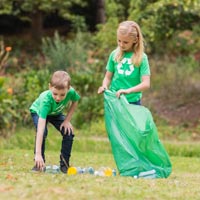 Greater empathy e.g. taking more care of other living things, plants, etc.;
 Just imagine, then, how much children benefit from nature when attending a Forest School setting such as that available at Little Acorns Nursery, Chorley. At Forest School, little ones will spend significant time in local green and wooded spaces, so these findings show just how important Forest School is for youngsters. Why send your child to an ordinary nursery, then, when you can send them to
 Children living in England are very fortunate to have their early years childcare supported financially by a variety of Government funding schemes. The 3 most important, popular and widely-available schemes are:
 Let’s look at each of the schemes …
 Taking the above scheme a step further, eligible families are able to top up the standard 15 hours per week with an additional 15 hours of free childcare in specific circumstances. In effect, this can double the child’s free childcare hours from the standard 570 hours to 1140 per annum. These are usually taken as 30 hours per week over 38 weeks although, again, some childcare settings may be able to be flexible and to spread the hours out in a different way.
 Under certain circumstances, children aged just two can have some of their childcare funded by the Government too. However, it’s much more restrictive for this age group. If successful, though, the Government will fund up to 570 hours of childcare for a two-year-old over the course of a year — that’s significant and could really help mothers or stay-at-home fathers get back to work sooner. As with the 3 & 4-year-olds, the 570 hours is usually taken as 15 hours per week over the course of 38 weeks, but some parents may wish to ask their childcare provider if it’s possible to spread it out in a different way.

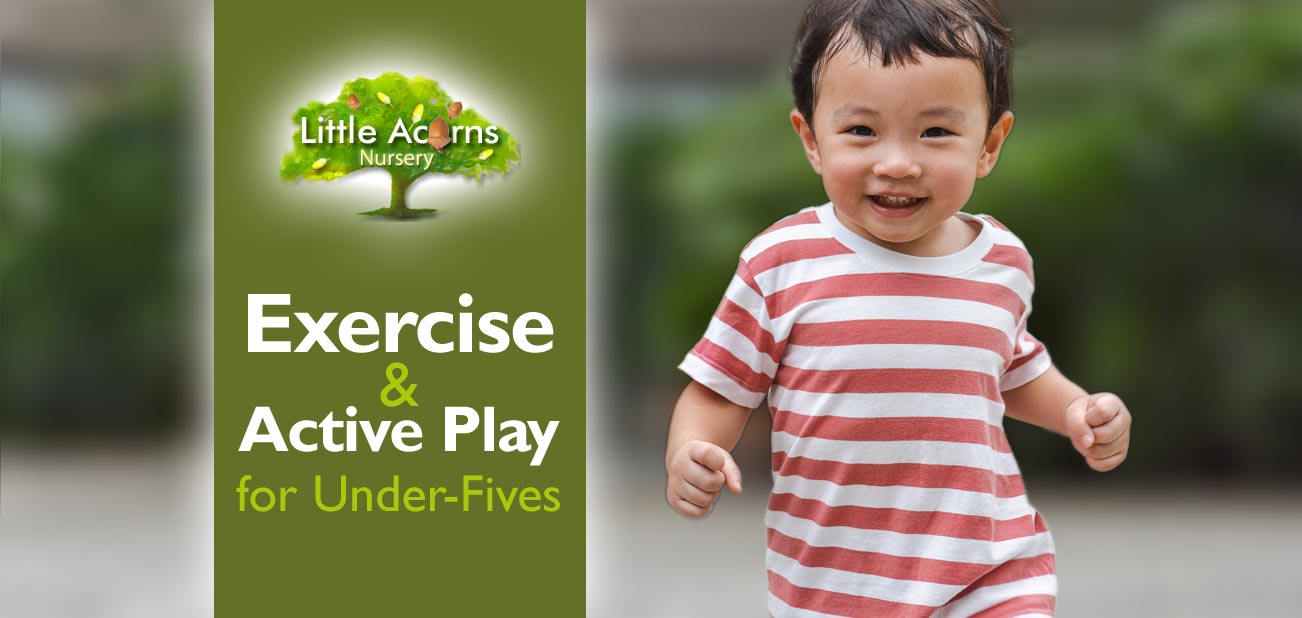
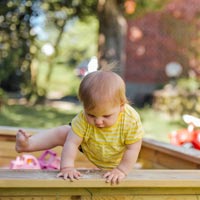 Generally speaking, under-fives should be encouraged to be active. There are many benefits of this including remaining physically fit, getting to know and enhancing physical abilities, honing motor skills (fine and gross) and improving coordination and balance. In addition, it helps the very young to develop visual and sensory skills. Physical activity is also part and parcel of the development of new neurological pathways in the brain. All these skills and benefits will become increasingly important as children grow, develop and become ever-more active and independent.
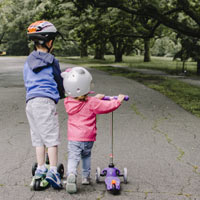 Once they reach the age of 3 to 4 (preschoolers), 3 hours of physical activity is an ideal daily minimum. Now that they’re older and more confident in their physical skills, they can continue with the toddler activities but add more complex and moderately vigorous options to their play. Dancing, swimming, scooting, climbing, chasing, cycling and energetic outdoor activities are good examples.
 Eating a healthy, balanced diet is important at any age. However, during their formative years when they’re still growing, it’s even more important for under-fives. Their young bodies and brains are still developing, so getting the right balance of food types, vitamins and nutrients is essential in order to maintain optimum health, cognitive function and even sufficient energy levels. (Regular exercise is also essential, of course – however, we’ll cover that separately in a future post).
 That’s a huge and important list of benefits. Advice from Public Health England also suggests that exposing children to a wide variety of different foods from an early age not only gives them access to greater diversity in what they eat, but is also likely to make children more accepting of new foods as they grow older. And, of course, that greater diversity in food types means a more diverse range of nutrients, vitamins and minerals will be consumed.
 As part of a healthy diet, children should try to eat something from each of the four main food groups every day. These are:
 Dairy products, which give children much-needed calcium, Vitamins A and B, potassium and more. Aim for 3 portions of dairy products per day. Examples include milk, yoghurt and cheese. Use full-fat options for toddlers and then, from the age of 2, switch to semi-skimmed varieties.
 At Little Acorns we are serious about playing our part and serve up healthy, balanced meals each day to our children along with suitable drinks and healthy snack options. Breakfast, lunch, afternoon and teatime snacks are all provided and included in our standard nursery fees. Food is prepared each day by Judy, our wonderful in-house chef, using the highest quality, fresh ingredients, sourced from local suppliers. Food allergens are extremely carefully monitored and managed. Any special diets, e.g. vegan or vegetarian, are also catered for as needed — simply forewarn us about any specific requirements and we’ll be happy to accommodate them.
 Little Acorns Nursery has a
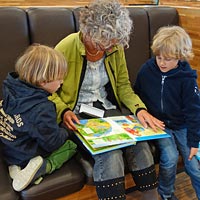
 Communication & Language is the first of the three prime areas of our EYFS-based curriculum. Without good communication and language skills, all other areas of learning could suffer, so these are critically important skills for children to master in their early years. Staff at the nursery therefore encourage rich communications between staff and children — and from peer to peer — from the very first day they join the nursery. Language and communication skills grow naturally to children through engaging, fun activities like role-play, story-telling and question-and-answer games. High quality books and other rich reading materials are also employed by staff to read with children in an interactive way. Using these kind of approaches helps children to learn new vocabulary and grammar, to improve reading and comprehension and to almost effortlessly broaden their language and communication skills as they grow.
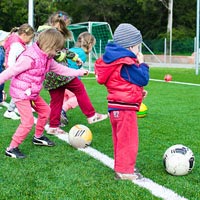 coordination and fitness among the children at every stage. This is all done incrementally through a physical development programme that’s custom-designed for each individual child. This tailored programme takes consideration of their natural abilities, preferences and, of course, any disabilities or limitations. As they grow, the programme of fun, physical activities will help every child to reach their own personal bests for traits like fitness, balance, coordination, hand-eye coordination, agility and spatial awareness. In turn these physical improvements will help with their general wellbeing and happiness. And, at all times, the children will have been having immense fun, making friends and improving social skills, self-confidence and more along the way.
 The social and emotional aspects of it aim to help children fit in with adults and peers around them, support one another, themselves feel supported by others and together learn to manage emotions and behave in acceptable, appropriate ways. As they learn to do all of this, they will become more confident, feel rightly valued, more easily resolve any conflicts and form closer friendships with peers and create stronger bonds with staff. All of this will act as a social and emotional foundation to build everything else upon.
 Literacy is the first of the remaining four areas of focus. A curriculum would be sadly lacking if children didn’t end up literate at the end of study. Literacy is absolutely fundamental and will give each young child the very best start when they leave early years settings to start school. On the face of it, it’s all about reading and writing. However, getting these right will help with many other areas of learning. At Little Acorns, we encourage nursery children to take enjoyment from reading. After all, once they can read they will understand so much more about the world from non-fiction material and so much more about the possibilities of the imagination and creativity from fiction books. So, they have access to a wide, rich variety of reading materials. Grammar, spelling, punctuation, phonetics and overall comprehension of a huge variety of topics will all go hand-in-hand with active and regular reading. In a similar way, writing will benefit too, as the children learn to recognise the correct spelling, composition and sentence structure and so on. Exposure to our rich variety of books will feed their imaginations and help them to be more creative themselves. We also encourage our children to verbalise, for example by reading out loud to themselves and others in an interactive way. By so doing, speech, pronunciation and articulation also benefit, as does their confidence to speak up.
 Mathematics is our fifth area of study within the core EYFS curriculum at Little Acorns Nursery. It’s another fundamental skill that children need to learn but, as with everything at Little Acorns, we make it fun. Through play and interactive sessions, children will learn the concepts behind mathematics, soon learning to distinguish things like odd and even numbers, number patterns and sequences, concepts like larger or smaller, wider or taller and more or less. Counting will first be mastered from one to ten, then in reverse, then extended to 20 or more. Concepts like volume, shape, measuring and space will also be included. So, by the time they leave our early years setting, they’ll have learnt the requisite maths skills and concepts that they’ll need in order to hit the ground running when they start school.
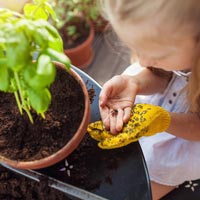 After all, there is so much around them and they need to understand it and to give everything they see context. With that in mind, we’ll help them to recognise, understand, describe and even sometimes draw what’s immediately around them. They will also learn about the technology they see and use around them. Our excellent
 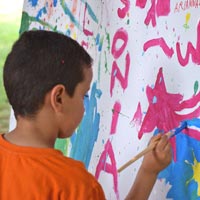 A wide variety of media, equipment and tools are available to them at the nursery and activities encourage the children to get involved and to create. It’s not just art, though; the children can involve themselves in role-play activities, they can sing, dance, tell stories and perform. Their imaginations can run riot and be free as they can express themselves and their creativity in a rich variety of ways.
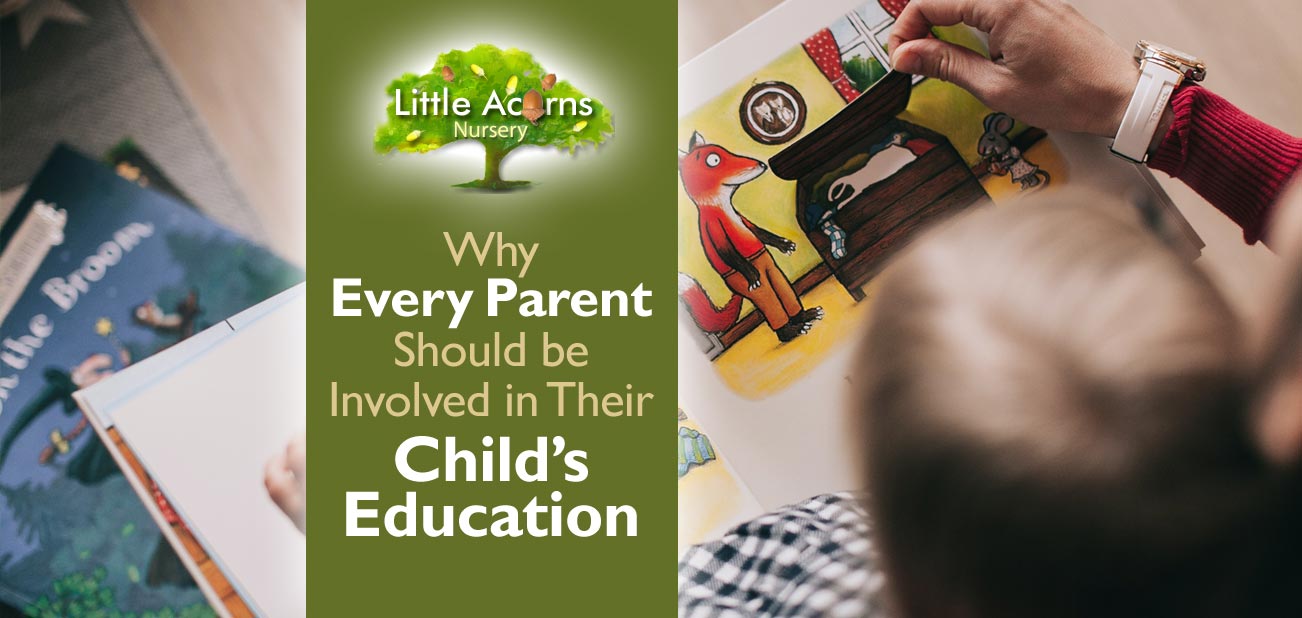
 Indeed, parents can be thought of as key to their children’s success, if they support children’s education in the right ways. We’ll go through exactly what that means, along with some of the many benefits, in this article.
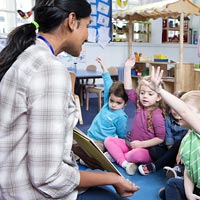 Parents of successful, grade A students, will generally also have engaged with staff at nursery/pre-school and school. That includes at parents’ evenings, of course, but parents should also be fully abreast of their child’s progress at every point in between. Parents and staff need to talk and feed back to each other about each child under their care and, indeed, that’s exactly what we do at Little Acorns Nursery. This, and a personal development progress folder for every child, is all part of the EYFS curriculum at the nursery in fact. In this way, parents and staff can each see the bigger picture and identify where successes are happening for the child, or where more work is needed — including at home.
 Parents can help children with homework too, of course. They can explain things that the child is perhaps confused or unclear about, in an unrushed, relaxed home environment. Parents can work through their approach to finding answers to questions and explain how they arrived at those answers. This, too, is like gold dust to an otherwise struggling child. It’s one of the reasons why the human race itself has come such a long way — through shared information.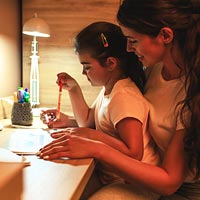
 • In turn, that ultimately leads to better careers as adults, with higher rates of pay.