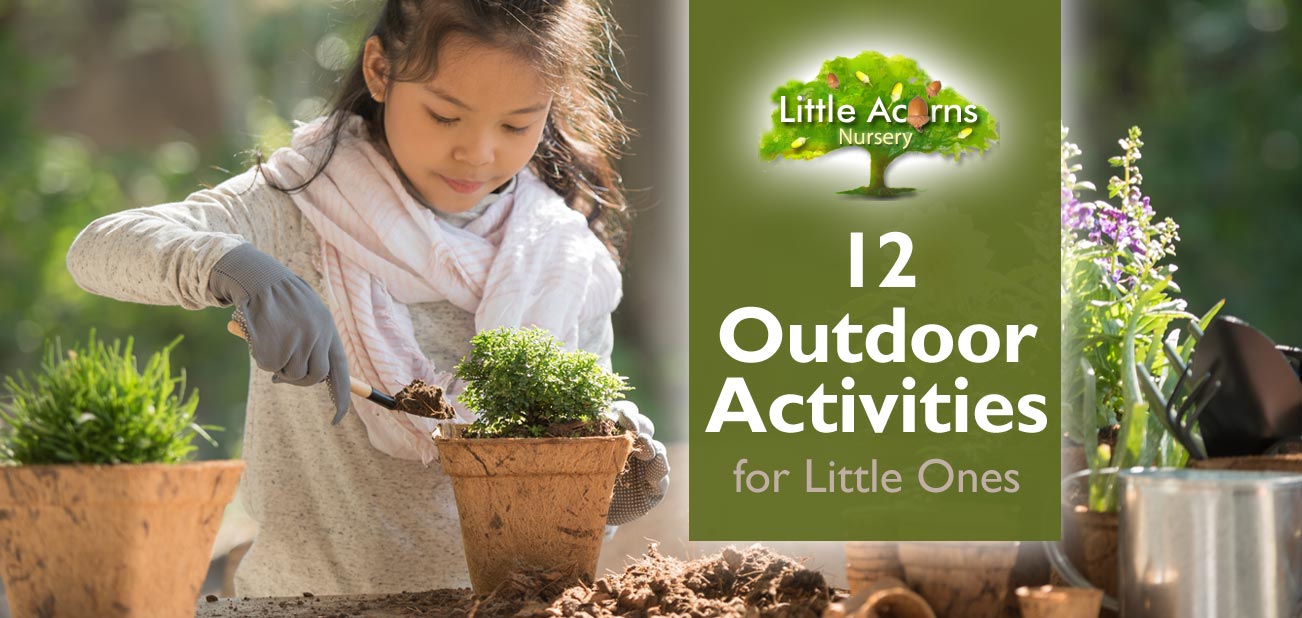
Our last post described the huge number of benefits of outdoor play for children in their early years. With that in mind, today’s post highlights twelve excellent outdoor play activities that young children can enjoy. With spring all but upon us at time of writing, children will be able to get outdoors more and more in the coming weeks and months. Our activity suggestions are fun, educational, will teach children new skills and will get them out into the healthy fresh air too. Our ideas below are mostly of the more natural variety too, so need not cost anything. Take a look …
 1. Bird spotting
 1. Bird spotting
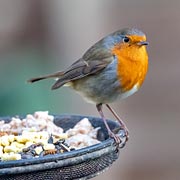
Teaching children to spot birds will really help them to appreciate wild creatures. They can simply watch for them in the park, on the balcony, in the garden or out in the country. Putting out some bird food and waiting patiently and quietly out of sight will help, of course. If children have made home-made bird feeders — even better! It’s more educational if they can view a UK bird book or app so they can identify the types of birds that they see. Maybe make them a list if they can read, or a pictorial reference sheet that they can tick off. Robins, sparrows, blackbirds, pigeons, doves and various types of tit are common in the UK, but there are many other types too. Here’s a handy list of the 19 most common British birds.
2. Bee & Butterfly Spotting
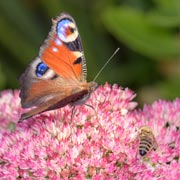 ee & Butterfly Spotting
Similarly, bee and butterfly spotting is a wonderful activity for young children, although it relies more on there being an abundance of the right kind of flowers and plants growing nearby. Butterflies, bees and gentle hover flies will flock to plants like Buddleia, for example. They all generally like any flowering plants that are rich in nectar, scented and colourful. As we suggested for birds, perhaps parents or carers can print out pictorial reference for the different types that children may discover. Here’s a great reference for the different types of bee found in the UK and here’s a guide for UK butterflies.
3. Search for Animal Tracks
 3. Search for Animal Tracks
Continuing with our wildlife activity theme, another educational and interesting activity for little ones is to see if they can find animal tracks. This is best done when there is suitable habitat for paw prints and suchlike, for instance where there is soft earth, mud or sand nearby. It might be a good activity to do whilst out rambling (see #6 below). Perhaps search near a lake or river as many birds and animals will visit the water’s edge — or in snow if it’s winter. (N.B. such activities should be done under adult supervision for safety, of course).
4. Make a Den
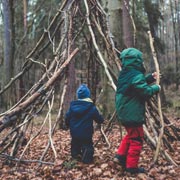 4. Make a Den
Once in the outdoors, whether in a garden, courtyard, park or countryside, children love building dens to ‘camp’ in. Building them is all part of the fun and they can be made with long sticks and foliage, a sheet draped over string tied between trees, or simply using a low-cost children’s tent or similar. Once erected, children will love using the den to use as a base, like their own ‘home in the wild’. Their imaginations can run riot and all manner of games, role-play and adventure can ensue.
5. Float a Boat
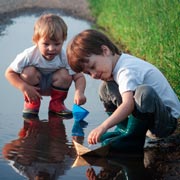 5. Float a Boat
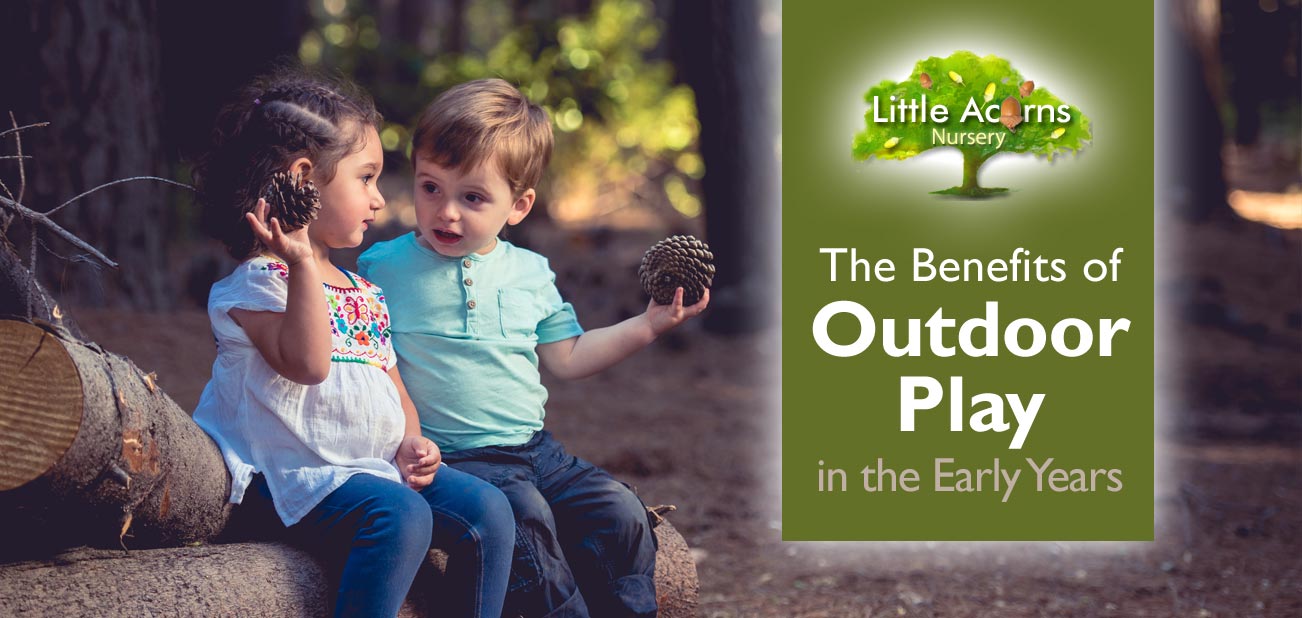
Little ones will love floating little boats on water (with supervision of a responsible adult for safety, of course). They’ll enjoy it even more if they have made the little boat or raft themselves. Boats can be made simply from folded paper (as in the photograph) or using little sticks, string and perhaps a little bit of a cloth for a sail. If there’s a stream, then even better — they can race their boats! Even a puddle, pond or paddling pool will do, though.
6. Go on a Ramble
 6. Go on a Ramble
A walk to around the local park, beside a local river, woods or countryside is one of life’s great free pleasures. The benefits of being out in nature are significant and numerous for children and adults alike. A ramble with Mum or Dad or another responsible adult will do wonders for a child’s physical and mental wellbeing. It’s also a wonderful chance for adventure, discovery, varied play — and fun!
7. Get into Photography
 7. Get into Photography
With cameras being a part of mobile phones and tablets these days, photography is easily accessible to little ones. It’s easy too … just preview, check the subject is in view and in focus, and press the button. And, if children get more interested, perhaps they could ask for a camera, whether new, second-hand or passed down when a relative upgrades. Children will love seeing the results when they take photos of flowers, insects, landscapes, trees, sunsets and anything that triggers their imagination in the outdoors. Who knows — it could even lead to a creative career!
8. Obstacle Course
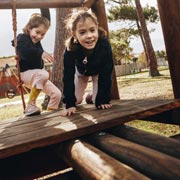 8. Obstacle Course
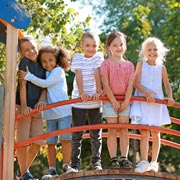
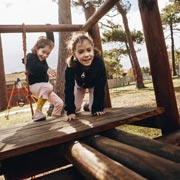
The opportunities for playing are infinite outdoors. Children will love running and climbing around an assault course. This could be formal (like in a playground) or using more rustic obstacles like trees, logs, inclines and suchlike. Obstacles courses outdoors are a great way to challenge children’s imaginations, skills like problem-solving and, of course, fitness, motor skills, balance and coordination. They could even do it in teams. It’s all great fun!
9. Have a Picnic
 9. Have a Picnic
Little ones love picnics! So, next time the sun is out and you’re taking your child(ren) out to the park, the countryside or even perhaps just to a garden, consider taking a picnic. Children can even be involved in preparing for one and will enjoy the sense of responsibility that goes with gathering everything that’s needed. Then, once outdoors, they’ll enjoy sitting on the picnic mat with the food, drink, fresh air and immersing themselves in the very ‘civilised’ thing that is the picnic!
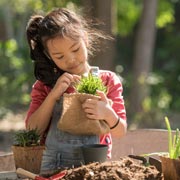
10. Plant a Mini Garden
Planting seedlings, vegetables, plants or herbs in the garden is one of life’s simple pleasures for children and adults alike. It’s a relaxing and educational activity for children to enjoy outdoors. While a garden is ideal, containers or pots on a balcony, courtyard, patio or windowsill will suffice as plants need only be small. Supervising adults can help children to care for the plants and, in time, harvest flowers, herbs or vegetables from them. They will learn so many lessons by growing plants and food, including patience and empathy, and will get a great sense of achievement when they see the results. They will also have witnessed the magic of nature.
11. Hunt for Mini Beasts
 11. Hunt for Mini Beasts
Children can also search outdoors for mini beasts like woodlice, ants, beetles, ladybirds, centipedes, caterpillars, slow-worms and even earth worms. They need to be respectful of them and be gentle, however. After all, each is a living being with its own needs and feelings. So caring, adult supervision is always best around little creatures, particularly when children first learn about them. They will love getting to discover their tiny neighbours and perhaps even get to rescue any that occasionally get themselves into trouble, for example a bug that’s landed in a puddle or butterfly that’s in danger of getting caught in a web. A sense of empathy will naturally come from such activities.
12. Get Creative with Rocks & Stones
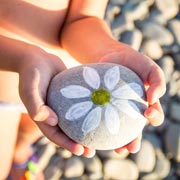 12. Get Creative with Rocks & Stones
 Whether on the beach or in the garden, it’s surprising how creative children can be with stones and rocks! Stones can be painted with lovely patterns or images, perhaps combined with simple words or as part of a ‘stone story’. Bigger rocks can be piled one on top of the other to form sculptures — these look magical. Children will love these and other creative activities that they can take part in outdoors, with simple stones and rocks.
Safety First
Outdoor Play at Little Acorns Nursery & Forest School (Clayton-le-Woods, Chorley)
 We have outstanding outdoor play areas at Little Acorns Nursery in Clayton-le-Woods, Chorley, Central Lancashire. We also have a wonderful Forest School for our under-fives. We have an Excellent Ofsted rating and an outstanding National-level nursery award. We’re near Clayton Green and Clayton Brook too, so will be perfect for you if you live or work in any of those areas and need the very best childcare for your child. Arrange a visit with your child or baby, so you can all look around. Alternatively, get in touch to ask any questions or simply apply for a nursery place if you’re ready to. We look forward to meeting you!
 In today’s post, we take a look at the importance of outdoor play for children in their early years. Indeed, there are many benefits, as we’ll see …
 Playing outside is also a healthy release from things like TV, electronic screens and, potentially, from an otherwise more sedentary lifestyle. Away from the confines of the indoors, outdoor play allows children the freedom to move about more freely. Outside, they’ll learn to navigate spaces, obstacles and play equipment, all the time improving spatial awareness, coordination, balance and gross motor skills. These include running, jumping, climbing and so on. Their fitness levels will naturally improve too, as they build stamina, muscle and strength. This is all incredibly good for them.
 At Little Acorns, we understand the importance of outdoor play. Little ones, from the age of two have access to our outdoor gardens and play areas — all under close supervision, of course. We have invested heavily in a whole range of exciting, stimulating and educational outdoor facilities for the children to explore, play with and learn from. As they do, they will not only learn but they’ll also hone fine and gross motor skills, improve coordination and balance, improve physical fitness, enhance social skills and build friendships. They will also soon become better at recognising and balancing risk, they’ll become more independent as they move around freely. They’ll also learn from mistakes. Their self-confidence and self-esteem will also naturally grow. These are all incredibly important skills that will stand them in good stead as they gradually approach the age where they’ll leave us to move on to school.
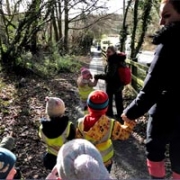 Taking outdoor experiences for little ones even further, Little Acorns regularly takes children on outings, including to local parks. More importantly, though, it was one of the first nurseries/pre-schools to introduce Forest School to Central Lancashire. This is the ultimate outdoor experience for under-fives and teaches them so much about the natural world — and also about themselves. As well as learning a huge amount about nature, flora, fauna, the seasons and about playing and learning in the Great Outdoors, Forest School helps them learn additional skills like problem-solving, working in teams, leadership, resilience, empathy, caring for the environment, personal responsibility and so much more. Learn more in
  All these outdoor activities also support the early years curriculum. Outdoor playing and learning covers many of the areas outlined in the Early Years Foundation Stage (‘EYFS’) learning and development framework, which is prescribed for all childcare settings in England. Specifically, outdoor play helps children in at least four of the seven key areas of the EYFS including:
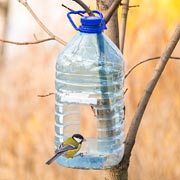 Making bird feeders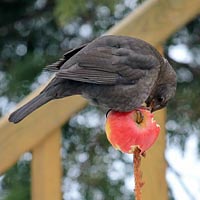
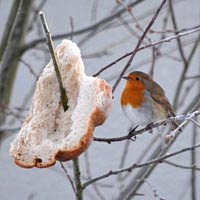
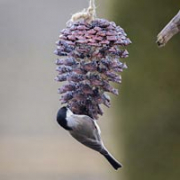
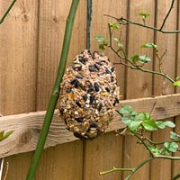 Seeded pine cone bird feeders
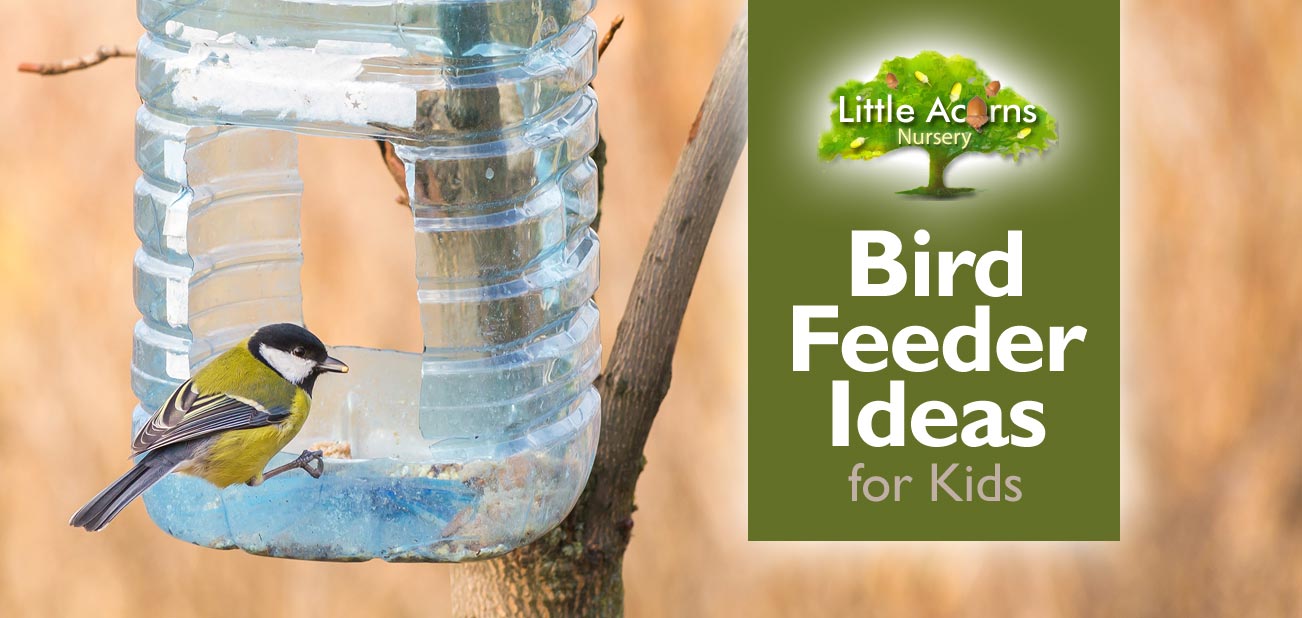
 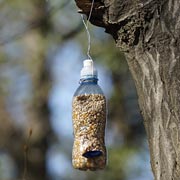 Water bottle bird feeders.
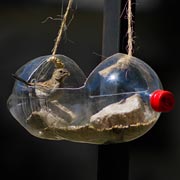 Then, they can be partly filled with bird seed, or perhaps grated Cheddar cheese. Alternatively you can see that some of the designs could be used for drinking water, for example the one shown immediately on the left or at the very top of this article. Another variation even has a plastic spoon pushed into it, forming a convenient perch for the birds to land on and to feed from (see right).
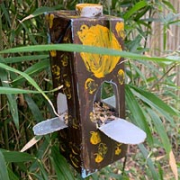 Carton bird feeders
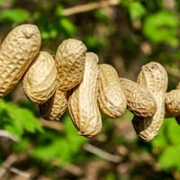 Monkey Nut Bird Feeders
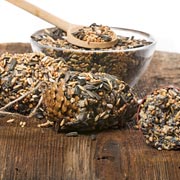 If using peanut butter in your home-made bird feeders, ensure it is fresh, has no salt or sugar added and is not ‘flavoured’. Smooth or crunchy peanut butter is great for bird-feeders, though, and you can even stick extra bird seed to it once it’s been spread on your feeder e.g. pine cone or apple. There are also some peanut butter brands made specifically for wild birds, by the way.
 Why Nature is So Important for Children
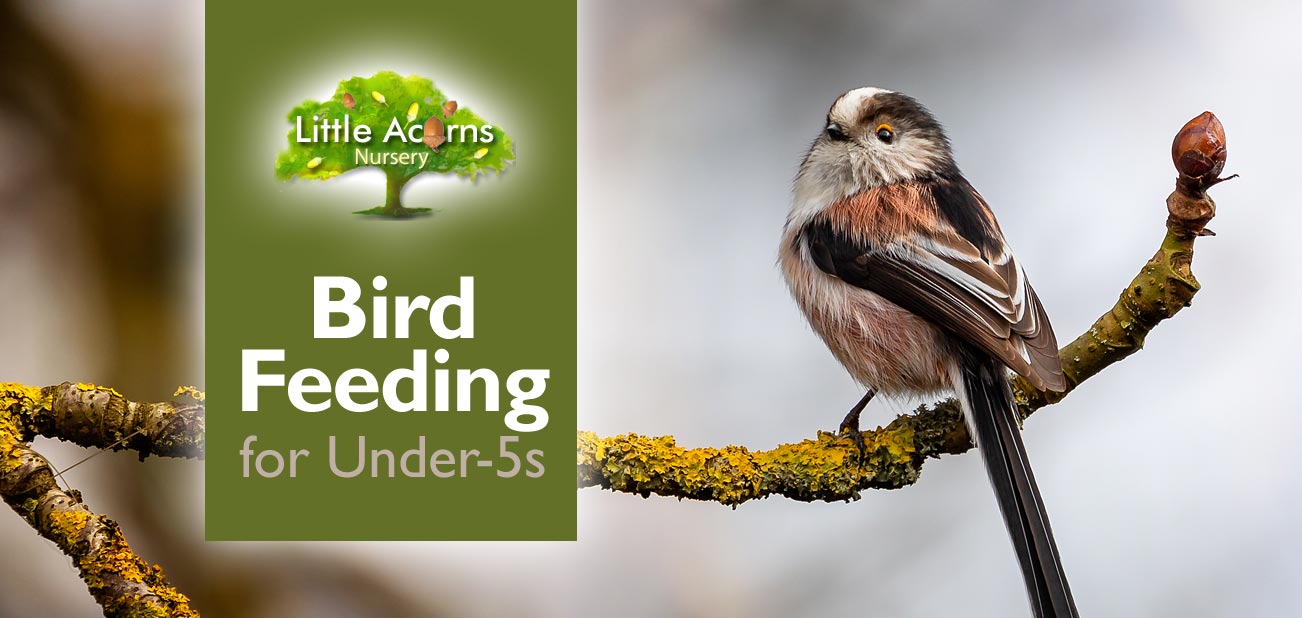
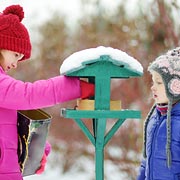
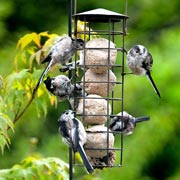
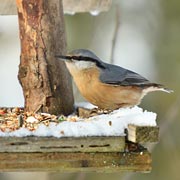 Providing food for birds is a win-win for everyone — humans and birds alike. Birds obviously get to eat much needed food without huge effort and children get to learn more about nature and perhaps individual bird visitors. (We even name our regulars! “Vern” is a tame blackbird, for example, having been named after a character in the famous movie Rain Man). By encouraging birds to visit, children will soon be able to recognise and name the different species of bird too, particularly if given some help from a parent or bird book. Visitors might include robins, blackbirds, blue tits, great tits, long-tailed tits (our favourite), thrushes, starlings and, if they’re lucky, more unusual, colourful birds like nuthatches, woodpeckers, bull finches and gold finches. As it gets colder, some species will travel to warmer countries to overwinter. For those that stay in the UK, however, food from a friendly young nature-lover will be a real lifeline.
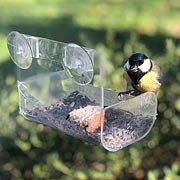 If children do get involved in feeding wild birds, they’ll soon begin to realise how delightful the little beings are. They each have their own character, likes and dislikes. Children will get to appreciate this if they keep up the feeding and the birds will soon realise where to find the food each day. Children will get to understand the importance of nature and learn skills like empathy, understanding and responsibility as they nurture the wellbeing of these beautiful wild visitors. Animals, birds and insects are all individuals and it’s good for children to recognise this. By feeding birds and other animals, they will also be able to continue to appreciate nature and the natural world, just like they do in our
 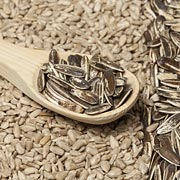 There are many bird feeders available to purchase in supermarkets and local shops, although we simply buy ours as part of our weekly online supermarket shop. Many are quite inexpensive. From fat balls and filled coconut shells, to seed cakes, hanging dispensers and pre-filled seed feeders, the variety available gives parents and children a huge choice. In our own garden, we have found that
  Grated Cheddar cheese (mild and in moderation) will be very popular. Robins, blackbirds, sparrows, starlings, pigeons and doves adore it! Mouldy or ‘blue’ cheese should be totally avoided, though, as the mould could harm or even kill birds. Meanwhile, bread will fill birds up but it doesn’t hold much nutritional value for them, so only feed bread to birds in moderation. It’s incredibly important not to feed them mouldy bread too, or for it to be left to go mouldy once outside. Mould can greatly harm or even kill birds.
 The RSPB provides
 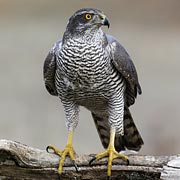 Window recesses, higher windowsills and balconies will usually offer some kind of suitable site for feeding birds. Careful choosing of the site for your bird feeders is an important consideration, however, which could make or break your feeder’s success and the wellbeing of the birds you are trying to help.
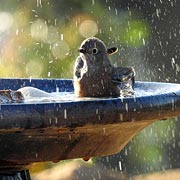 A Word About Hygiene for Your Family & the Birds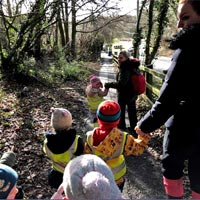
 Eating a healthy, balanced diet is important at any age. However, during their formative years when they’re still growing, it’s even more important for under-fives. Their young bodies and brains are still developing, so getting the right balance of food types, vitamins and nutrients is essential in order to maintain optimum health, cognitive function and even sufficient energy levels. (Regular exercise is also essential, of course – however, we’ll cover that separately in a future post).
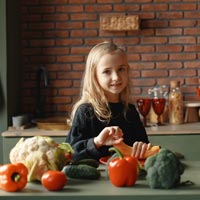 That’s a huge and important list of benefits. Advice from Public Health England also suggests that exposing children to a wide variety of different foods from an early age not only gives them access to greater diversity in what they eat, but is also likely to make children more accepting of new foods as they grow older. And, of course, that greater diversity in food types means a more diverse range of nutrients, vitamins and minerals will be consumed.
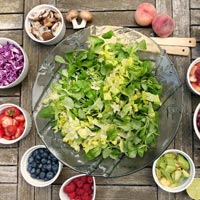 As part of a healthy diet, children should try to eat something from each of the four main food groups every day. These are:
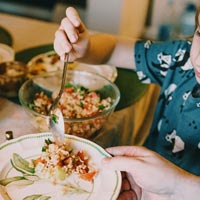 Dairy products, which give children much-needed calcium, Vitamins A and B, potassium and more. Aim for 3 portions of dairy products per day. Examples include milk, yoghurt and cheese. Use full-fat options for toddlers and then, from the age of 2, switch to semi-skimmed varieties.
 At Little Acorns we are serious about playing our part and serve up healthy, balanced meals each day to our children along with suitable drinks and healthy snack options. Breakfast, lunch, afternoon and teatime snacks are all provided and included in our standard nursery fees. Food is prepared each day by Judy, our wonderful in-house chef, using the highest quality, fresh ingredients, sourced from local suppliers. Food allergens are extremely carefully monitored and managed. Any special diets, e.g. vegan or vegetarian, are also catered for as needed — simply forewarn us about any specific requirements and we’ll be happy to accommodate them.
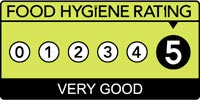 Little Acorns Nursery has a
 Indeed, parents can be thought of as key to their children’s success, if they support children’s education in the right ways. We’ll go through exactly what that means, along with some of the many benefits, in this article.
 Choose the Right Setting
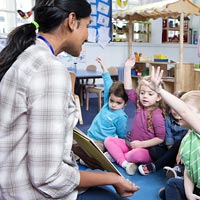 Parents of successful, grade A students, will generally also have engaged with staff at nursery/pre-school and school. That includes at parents’ evenings, of course, but parents should also be fully abreast of their child’s progress at every point in between. Parents and staff need to talk and feed back to each other about each child under their care and, indeed, that’s exactly what we do at Little Acorns Nursery. This, and a personal development progress folder for every child, is all part of the EYFS curriculum at the nursery in fact. In this way, parents and staff can each see the bigger picture and identify where successes are happening for the child, or where more work is needed — including at home.
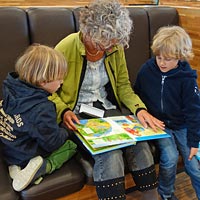 Parents can help children with homework too, of course. They can explain things that the child is perhaps confused or unclear about, in an unrushed, relaxed home environment. Parents can work through their approach to finding answers to questions and explain how they arrived at those answers. This, too, is like gold dust to an otherwise struggling child. It’s one of the reasons why the human race itself has come such a long way — through shared information.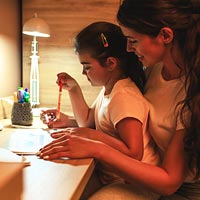
 • In turn, that ultimately leads to better careers as adults, with higher rates of pay.