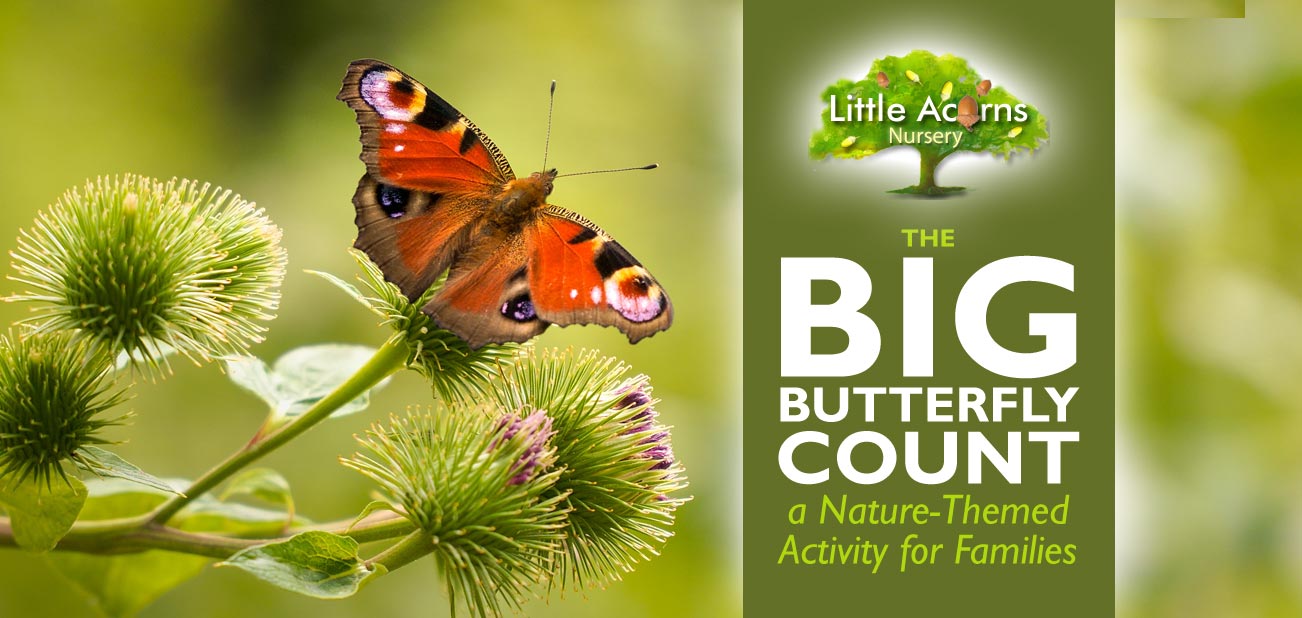
 Many will have heard of the Big Garden Birdwatch that takes place every year in January. However, fewer are aware of a similar activity called The Big Butterfly Count that takes place in July and early August. As well as being extremely worthwhile, it’s a wonderful activity for both children and adults to get involved in as citizen scientists. The activity helps with butterfly conservation, is educational for those taking part, and encourages families to get outdoors, closer to nature. And, as we know, getting closer to nature is very good for children and people of all ages. Today, we take a look at this wonderful butterfly-spotting activity and explain how children and families can get involved, help these beautiful little pollinators, contribute a little time to the conservation initiative and benefit themselves at the same time.
The Big Butterfly Count
 Organised by the charity Butterfly Conservation, the long-term aim of the Big Butterfly Count is for butterflies and moths to thrive and be enjoyed by everyone. That’s important because populations of butterflies have really suffered in recent decades, with some species of butterfly even becoming extinct in the UK and elsewhere. Changes in their numbers are also very good indicators of wider problems in pollinators of all types, including bees for example.
The key requirement of the Big Butterfly Count is simply for families across the UK to spend just a little time outdoors, during a very specific time of the year, to record how many different species they see during that time. The findings of thousands of families throughout the UK will then help Butterfly Conservation to understand what species are living in the different UK regions. Data submitted will allow a comparison of reported data from year to year, so Butterfly Conservation can see trends in butterfly populations and spot any significant increases, reductions and areas of concern.
“Help take the pulse of nature.”
When is the Big Butterfly Count?
For 2026, the Big Butterfly Count is any daylight time from Friday 17th July to Sunday 9th August. The reason this period is chosen is because that’s when most butterflies have reached adulthood, so people should be able to spot more of them. This ‘peak adult’ period is essentially at the same approximate period every year.
How Can Families Get Involved?
Getting involved in the Big Butterfly Count is easy and takes very little time. All that’s needed is a 15-minute period of time during daylight hours, between 17th July and 9th August. Bright, sunny weather conditions are preferred. Families simply need to find a good spot* outdoors and watch carefully, just for a quarter of an hour, and record which types of butterflies they spot. They can then submit their sightings any time up until 31 August. The count focuses on specific species within each area of the UK. These are mainly butterflies but they also include a few daytime-flying moths that Butterfly Conservation are interested in monitoring.
*Another alternative, by the way, is for children and families to monitor butterflies during a 15-minute walk i.e. you do not necessarily have to stay in one spot.
 If you are counting butterflies from a static spot, count up how many of the same species you see at the same time. For example, if there are three Large Whites visible at the same time, count that as three. If you see only one at a time, but see it on three separate occasions during the 15 minutes, that counts as only one. That’s so that we can be sure it’s not the same one visiting three times!
- If you’re counting while on a walk, however, simply count the number of each species you see during the entire 15-minute time frame.
- You may do as many counts as you like; then simply submit the separate records, through the app, for each different location and/or date.
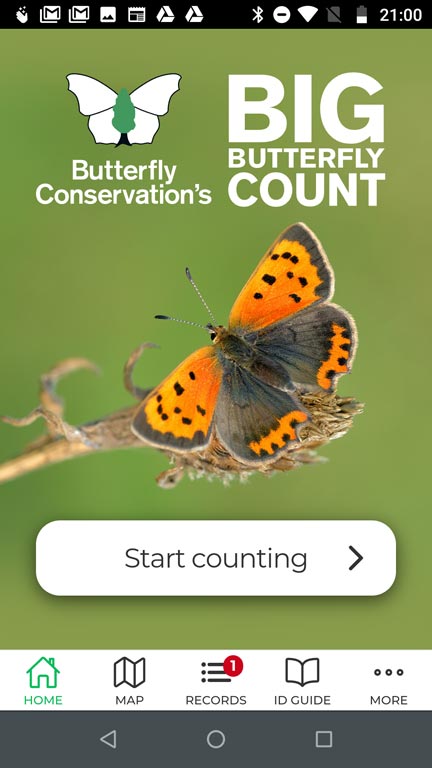
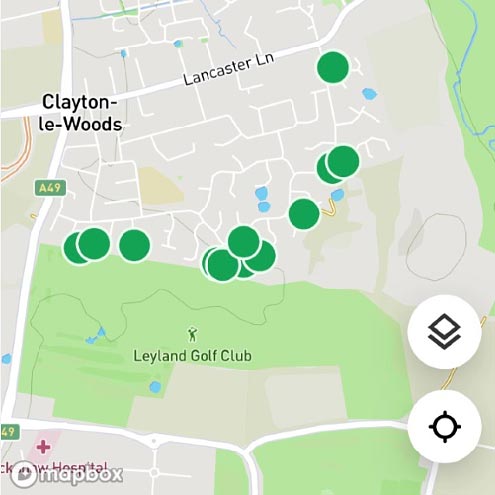
- As well as having a section for your own submissions, an interactive map can be found on the smartphone app to show you results from other people across the entire UK. Zoom in for more detail. Shown in the image is the butterfly counts for 2022 in Clayton-le-Woods. In the app itself, each is clickable so you can find out which species were spotted and the number of them.
Where is a Good Spot to See Butterflies?
 A good spot, by the way, would be either somewhere outdoors with lots of flowers to attract butterflies and other pollinators, or somewhere you’ve left out some very ripe fruit e.g. pieces of ripe orange, apple, nectarine, grapefruit, banana, or strawberry— butterflies love sweet fruit even when it’s a little over-ripe! Whether that’s in your own garden, near potted flowers on a patio, school grounds, in a park, or out in the countryside is entirely up to you and your family. Even if you spot no butterflies during your 15-minute count, you should still submit your results, by the way, as that might indicate a problem with the butterfly population — and potentially other types of wildlife loss — in that area.
“Numbers of butterflies and moths in the UK have decreased significantly since the 1970s. This is a warning that cannot be ignored.”
How Can You Identify the Types of Butterflies?
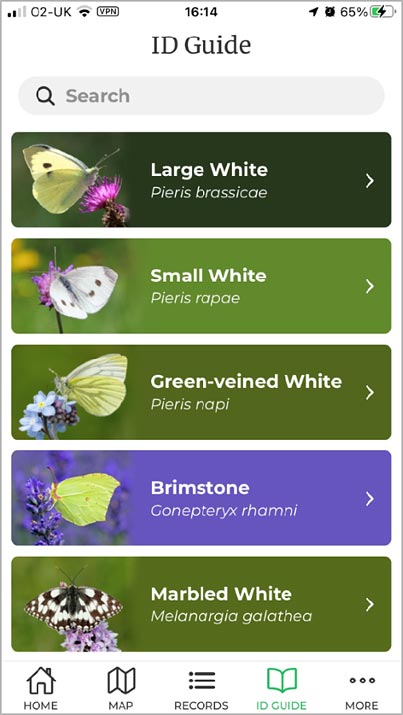
Help is on hand to help children/families more easily identify which butterfly species they spot on the day — and at any other time. On the day, families with smartphones can use the free Big Butterfly Count phone app, which is available on both Apple IOS and Android. Below are the links to download them, free of charge, and they seem pretty fast to download too.


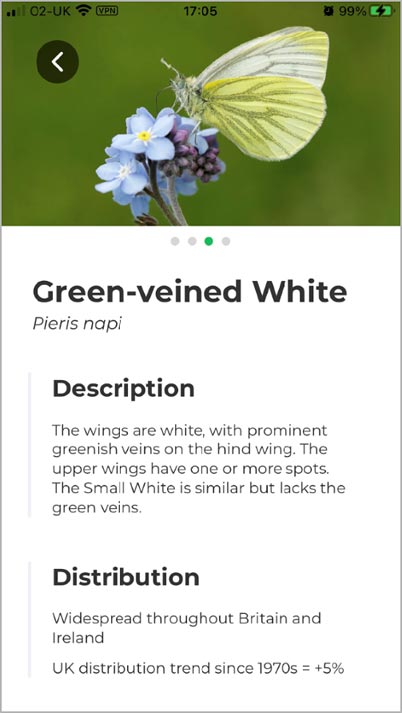 For the youngest of children, an adult will need to supervise the use of the app but many older children will no doubt take to the technology like ducks to water. The app includes several sections including an excellent guide to up to about 21 species that the Big Butterfly Count is particularly interested in this year. Shown are details about each type along with photographs for reference and ID purposes. Details of each type of butterfly — or daytime-flying moth — include information like the difference between males and females, their distribution in the UK, and whether their populations have increased or decreased. Photos show each type with wings both open and closed, making identification even easier.
What if you Spot a Butterfly Species You Can’t Identify?
If you happen to spot a butterfly that’s not included in the species of interest shown in the Big Butterfly Count phone app for your area, you can instead submit them using the free iRecord Butterflies app, details of which are available here. That alternative app can be used any time of year and features many more types of butterflies and moths. It still, however, allows you to submit your sightings to help with conservation and monitoring efforts. Indeed, you could argue that it’s a more permanent way of children helping to both monitor and report butterfly sightings as little citizen scientists.
What If You Don’t Have a Smartphone?
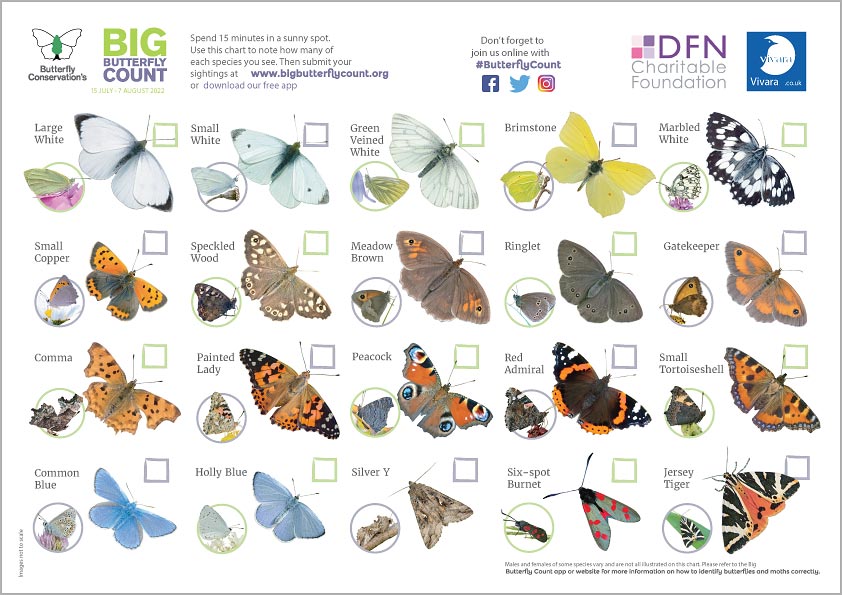 You/your child can still get involved in the Big Butterfly Count even if you/they don’t have a smartphone. Instead of using an app, download charts of the butterflies in your area from the Big Butterfly Count website. You’ll need to fill in a very short form to access the chart links, but they are free of charge and obligation. Choose the most appropriate download link for your region and download the chart. You/your child can then view it on screen and zoom in for the best detail, or print it out on paper. Once you’ve ticked off any that you/your child have seen in the 15-minute period, you will need to ask a friend or family member who has the app if you want them to submit your count for you, however. That’s because paper, email and phone submissions cannot be accepted. Spotting butterflies is a wonderful activity for children, though, whether or not their results are submitted.
Safety & Well-Being of Children & Butterflies
Safety is paramount, of course, so young children should be accompanied and supervised by a responsible adult. It’s also important, of course, not to disturb or interfere with the butterflies. They are extremely delicate little creatures and their wings and bodies are too fragile for handling. Please do not try to catch them — you will do more harm than good.
“Butterfly declines are also an early warning for other wildlife losses … if their numbers are falling, then nature is in trouble. That’s why taking part in this massive citizen science enterprise is of great importance.”
A Focus on Nature at our Outstanding Nursery/Preschool in Clayton-le-Woods, Chorley

At Little Acorns Nursery, we know how important it is to get children involved with nature, so will always encourage worthwhile, educational activities like this one. As a Forest School setting, we encourage them to appreciate the natural world and all the flora and fauna within it, so this butterfly-spotting activity is a perfect fit. We also encourage children elsewhere and at home to get involved — it’ll do them, their families, butterflies and the natural environment great good.
Ofsted rate Little Acorns Nursery as an outstanding nursery/preschool in Clayton-le-Woods, and we’re also the winner of a National Nursery award. It simply doesn’t get any better than that and you therefore know your baby, toddler or child under five will be in good hands at Little Acorns. All Government childcare funding schemes are also supported for eligible families. To register your child for a place or to enquire about the possibility, please choose an option below:
Although Little Acorns is located in Clayton-le-Woods, Chorley, in Central Lancashire, we will also be a convenient option for those looking for high-quality childcare near Clayton Brook, Clayton Green, Thorpe Green, Pippin Street, Buckshaw Village, Whittle-le-Woods, Farington, Bamber Bridge, Lostock Hall, Euxton, Leyland and Penwortham.
Quotations in this article are from Butterfly Conservation.
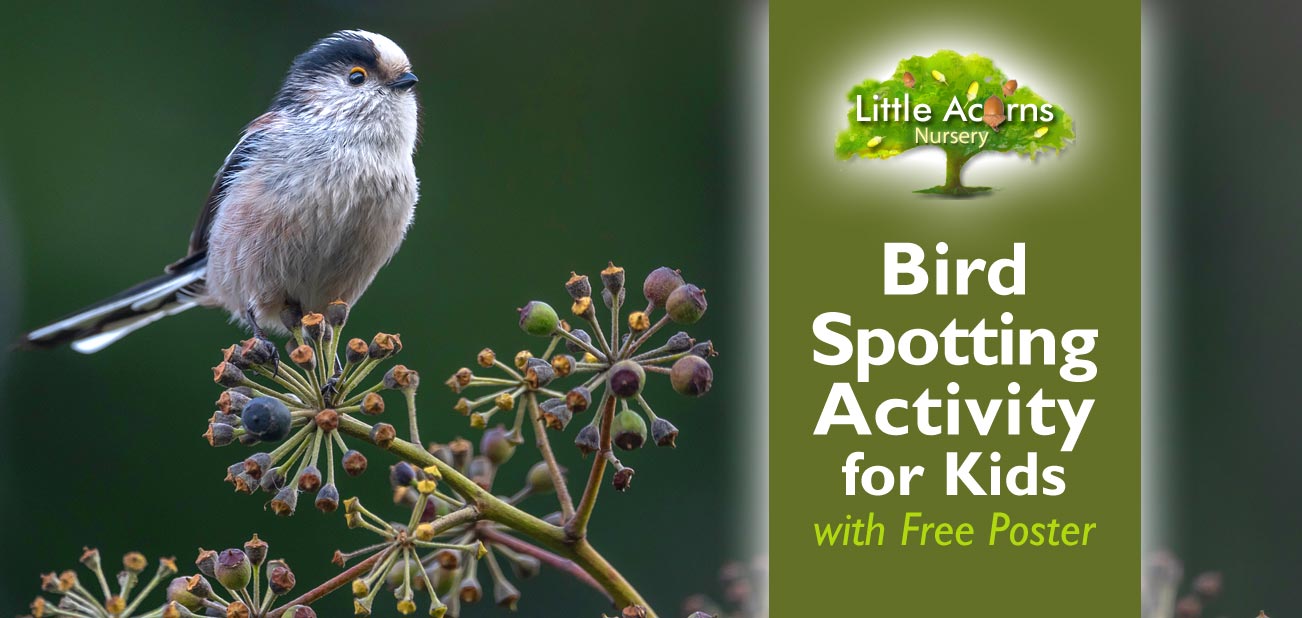
 Are you looking for a fun and educational activity for your children? Why not encourage them to do some bird spotting? Not only is it a great way to spend time outdoors, but it’s also a wonderful opportunity for them to learn about nature and develop observation skills. As we know,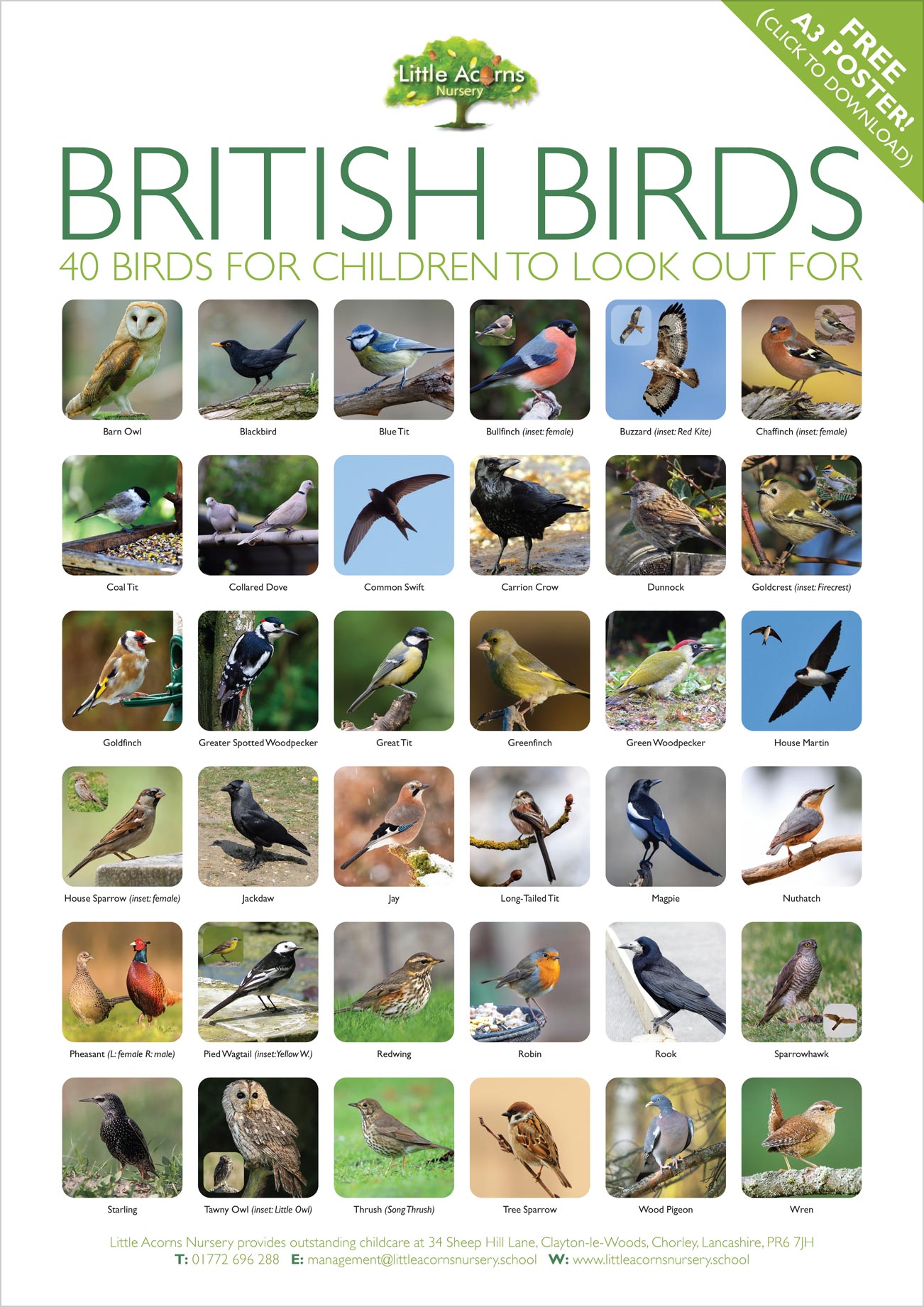


 Are you are a parent or carer of a child under five? If so, you could learn a lot about childcare, parenting and early years learning and development by following Little Acorns Nursery on social media. We’re active across multiple social channels including Twitter, Facebook, Pinterest and Instagram and share high quality content useful to parents of under-fives. That includes parents of children at Little Acorns although, actually, parents anywhere will find the content educational and useful. Our high quality content includes unusually informative ‘early years’ articles and information. For example, a whole range of guides, the findings from various studies, suggested activities for kids and overviews of things like childcare funding schemes with eligibility guidelines. Also, of course, the social media channels include posts relating to the exciting activities happening at the nursery in Clayton-le-Woods, Chorley.
 Follow Little Acorns Nursery on Twitter. There, you’ll see links to some great topics that relate to early years education. You’ll also see regular tweets and posts showing the exciting play and activities that children are taking part in at the nursery.
 On Facebook, we share our ‘bigger’ guides and articles from
  We love Pinterest! Its simple, pictorial approach makes it easy to just pick out something that interests you and save it to your own Pinterest pin board, so you can simply save it or share with others. We’ve got lots of pin ‘boards’ on our Pinterest profile, where we’ve pinned images and links to articles that interest us as early years practitioners. We think you’ll like them too. Board topics include nature activities, sensory activities for under-5s, early years parenting, Forest School, outdoor play, preschool, nursery school activities and, of course, Little Acorns Nursery itself.
 If you’re on Instagram, check out our photo gallery on our own Instagram profile. It shows images of the children playing and learning at the nursery as well as featured images that link to our highly interesting blog posts.
 Little Acorns Nursery is @LittleAcornsNurseryChorley on Google and;
 If you have used our childcare service and were pleased, please
  We’re active here on our Little Acorns blog too. Here, you’ll find larger articles that tend to cover the ‘bigger’ topics that parents and carers of children under five will find useful. These are well-researched, detailed and often very educational articles that will keep parents well-informed. For example, we cover topics like
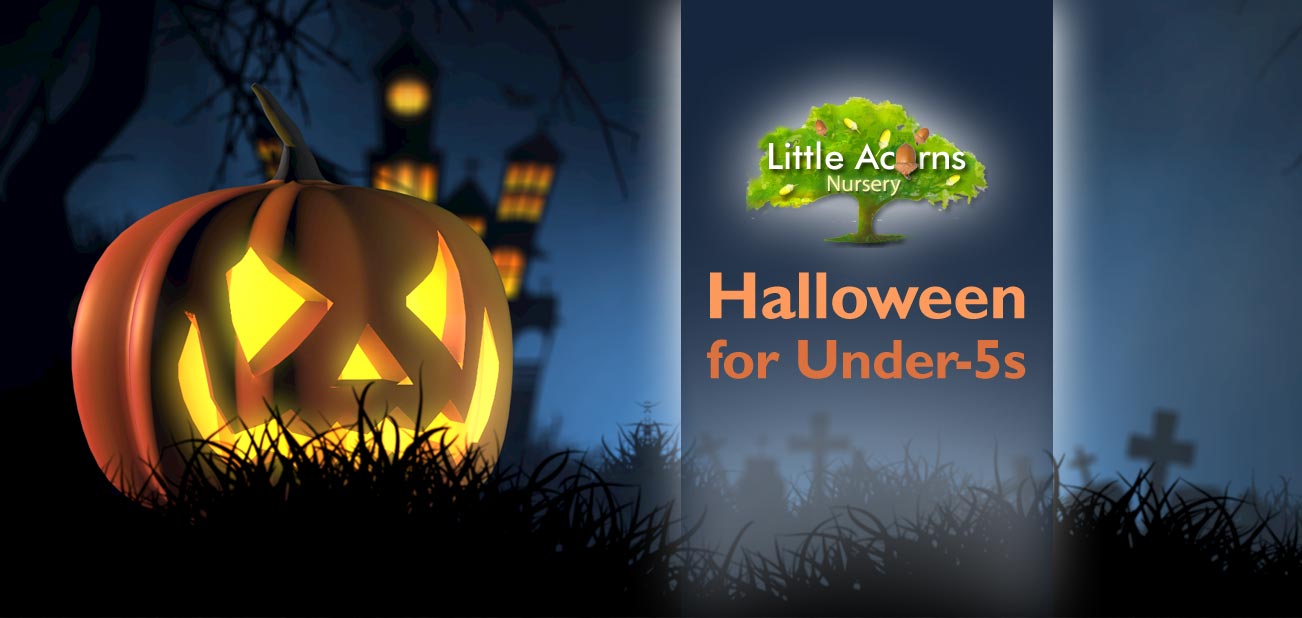
 October sees one of the year’s biggest traditions in the form of Halloween, which arrives on the 31st. Halloween, which is short, in effect, for “All Hallows’ Eve”, has it’s historical roots in Christian and, many believe, Celtic, Gaelic and Pagan festivals. Broadly speaking, these festivals were events to remember the dead, including saints (a.k.a. “hallows”). However, for virtually all children these days, it’s simply a traditional time for some themed fun. And what fun it can be! Today we’ll therefore take a look at the activities and opportunities that Halloween has for little ones at this time of year.
 Halloween Costumes — Dressing Up Fun!
 Edward Scissor Hands is another favourite. Try taping teaspoons or kitchen foil to your little one’s fingers to simulate Edward’s hands — but only if they’re old enough to be able to control movements so they don’t hurt themselves or others.
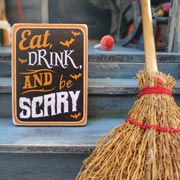 Halloween Parties
 Parents and children can prepare for such parties, or when staying at home for the evening, with a range of Halloween-themed party food. This is also great fun and may even encourage little ones to eat foods they may not normally try (as appropriate for their age, of course). Try baking plain biscuits in Halloween themed shapes. Some can be made to look like pumpkins, bats and ghosts, for example, with suitable icing. Use whichever recipe is your favourite for the actual biscuits. Children will love the theming, which will make the food fun!
 Carved pumpkins are, of course, a great tradition for Halloween and one that children will love. For the safety of little ones, though, parents/adults will need to do the carving. Children can get involved in emptying out the pumpkin flesh and perhaps saving seeds, which they can later grow into new pumpkin plants for next year. They can also get involved in decorating outside of the carved pumpkins with paint or Sharpie pens. Red or green food dye can also be used to paint the inside. A good hand wash will be needed after all of this.
 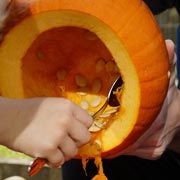 A lit candle (or an LED equivalent) can be placed inside by the adult and this will shine through and illuminate the design or face. Then the finished pumpkin can be placed somewhere safe — where little ones cannot endanger themselves if a real flame is used — for example out in the garden or on the front drive.
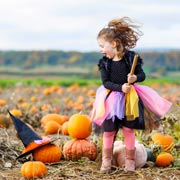 Pumpkin Picking Locally
 Another pumpkin farm that’s open to families is also in Leyland, again less than 4 miles away from Clayton, at Moss Lane, Farington Moss, Leyland PR26 6QD. To pick your own pumpkin there (weekends only in October), call 07701 082 482 or get
  Trick or treating is the Halloween tradition of knocking on neighbours’ doors, shouting “trick or treat?” and hoping that some sweets or similar will be handed over to children by kindly neighbours. That would be the ‘treat’ element. The ‘trick’ element is more rarely used today, especially with the younger children. However, it still occasionally involves funny tricks being played on those neighbours who didn’t offer sweets. This ‘trick’ element is to be used only with particularly friendly households, though, and perhaps only with those that have been forewarned by the parents involved. If not handled with care, it can backfire and cause terribly bad feeling or even be thought of as antisocial behaviour. For that reason, forewarning neighbourhoods about any group trick or treat sessions is wise, including agreeing a way for them to opt out if they prefer.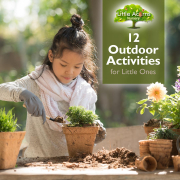
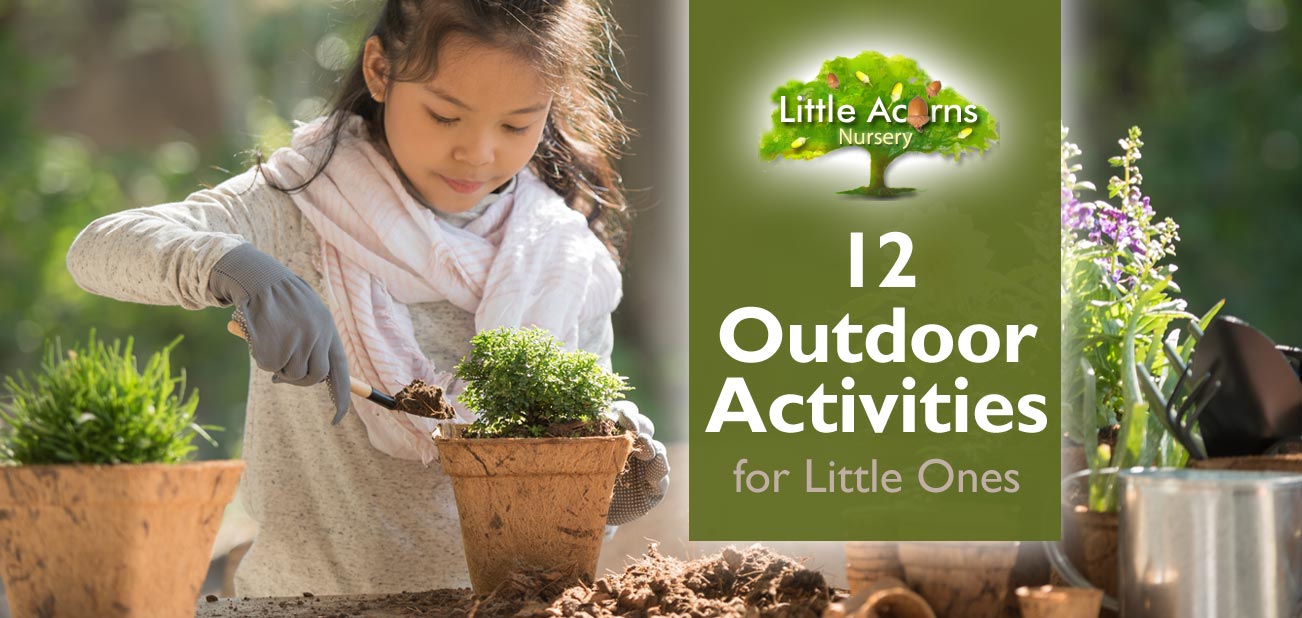
 1. Bird spotting
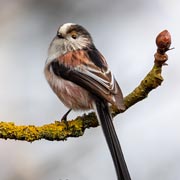
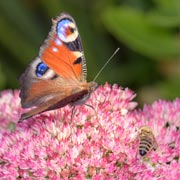 ee & Butterfly Spotting
 3. Search for Animal Tracks
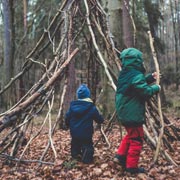 4. Make a Den
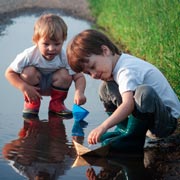 5. Float a Boat
 6. Go on a Ramble
 7. Get into Photography
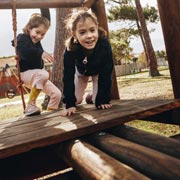 8. Obstacle Course
 9. Have a Picnic
 11. Hunt for Mini Beasts
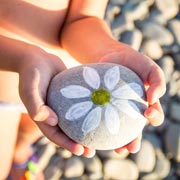 12. Get Creative with Rocks & Stones
 Whether on the beach or in the garden, it’s surprising how creative children can be with stones and rocks! Stones can be painted with lovely patterns or images, perhaps combined with simple words or as part of a ‘stone story’. Bigger rocks can be piled one on top of the other to form sculptures — these look magical. Children will love these and other creative activities that they can take part in outdoors, with simple stones and rocks.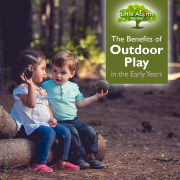
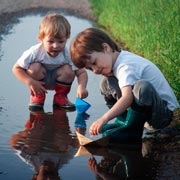 In today’s post, we take a look at the importance of outdoor play for children in their early years. Indeed, there are many benefits, as we’ll see …
 Playing outside is also a healthy release from things like TV, electronic screens and, potentially, from an otherwise more sedentary lifestyle. Away from the confines of the indoors, outdoor play allows children the freedom to move about more freely. Outside, they’ll learn to navigate spaces, obstacles and play equipment, all the time improving spatial awareness, coordination, balance and gross motor skills. These include running, jumping, climbing and so on. Their fitness levels will naturally improve too, as they build stamina, muscle and strength. This is all incredibly good for them.
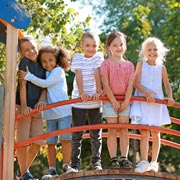 At Little Acorns, we understand the importance of outdoor play. Little ones, from the age of two have access to our outdoor gardens and play areas — all under close supervision, of course. We have invested heavily in a whole range of exciting, stimulating and educational outdoor facilities for the children to explore, play with and learn from. As they do, they will not only learn but they’ll also hone fine and gross motor skills, improve coordination and balance, improve physical fitness, enhance social skills and build friendships. They will also soon become better at recognising and balancing risk, they’ll become more independent as they move around freely. They’ll also learn from mistakes. Their self-confidence and self-esteem will also naturally grow. These are all incredibly important skills that will stand them in good stead as they gradually approach the age where they’ll leave us to move on to school.
 Taking outdoor experiences for little ones even further, Little Acorns regularly takes children on outings, including to local parks. More importantly, though, it was one of the first nurseries/pre-schools to introduce Forest School to Central Lancashire. This is the ultimate outdoor experience for under-fives and teaches them so much about the natural world — and also about themselves. As well as learning a huge amount about nature, flora, fauna, the seasons and about playing and learning in the Great Outdoors, Forest School helps them learn additional skills like problem-solving, working in teams, leadership, resilience, empathy, caring for the environment, personal responsibility and so much more. Learn more in
  All these outdoor activities also support the early years curriculum. Outdoor playing and learning covers many of the areas outlined in the Early Years Foundation Stage (‘EYFS’) learning and development framework, which is prescribed for all childcare settings in England. Specifically, outdoor play helps children in at least four of the seven key areas of the EYFS including:
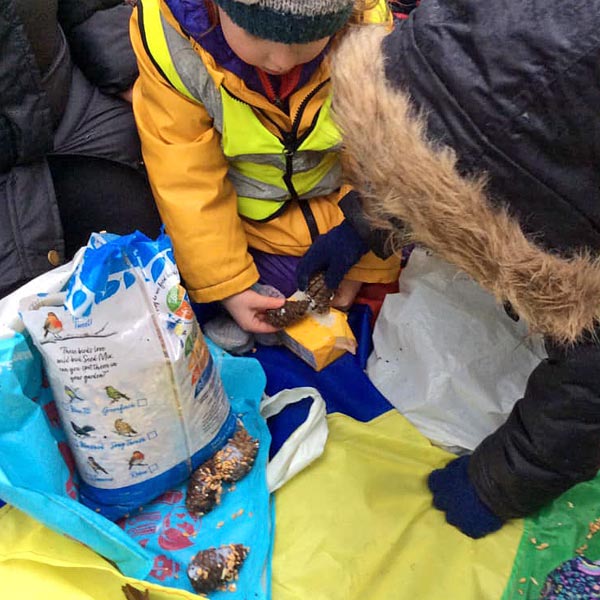
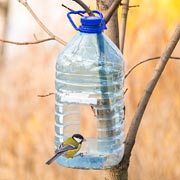 Making bird feeders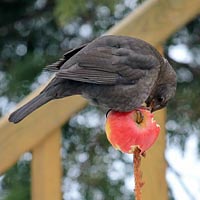
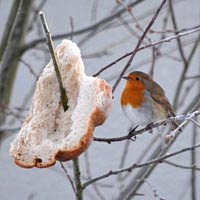
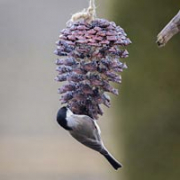
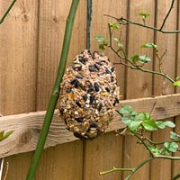 Seeded pine cone bird feeders
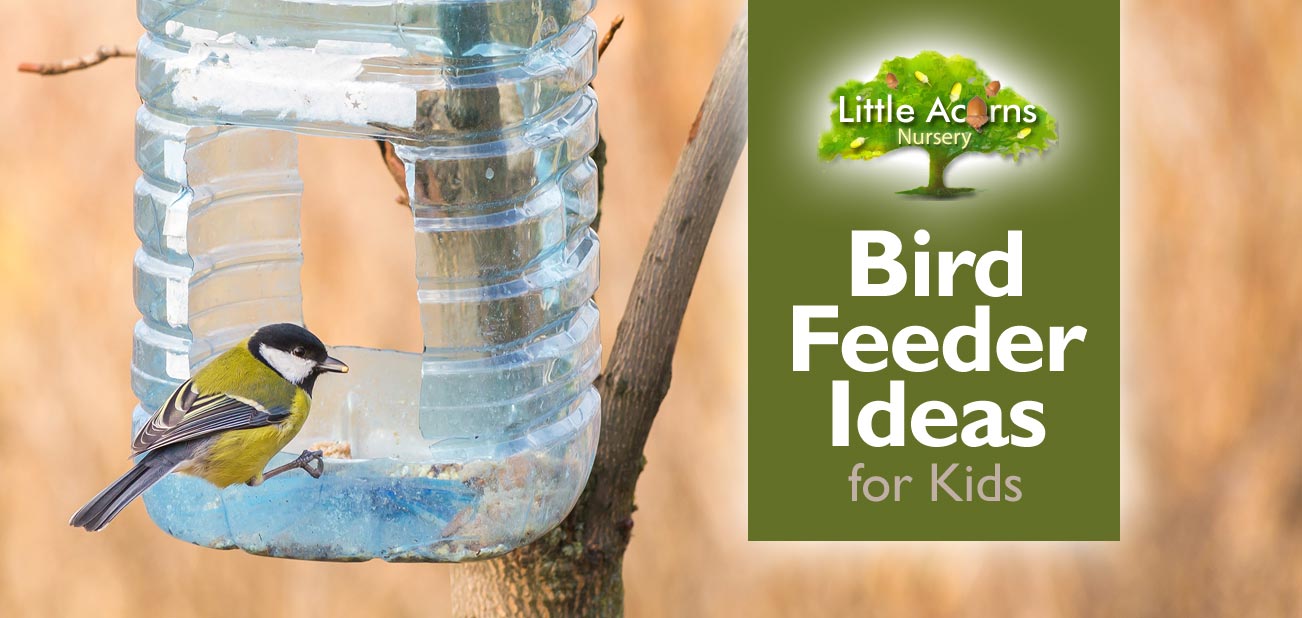
 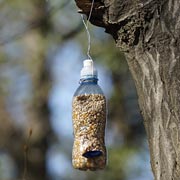 Water bottle bird feeders.
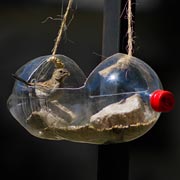 Then, they can be partly filled with bird seed, or perhaps grated Cheddar cheese. Alternatively you can see that some of the designs could be used for drinking water, for example the one shown immediately on the left or at the very top of this article. Another variation even has a plastic spoon pushed into it, forming a convenient perch for the birds to land on and to feed from (see right).
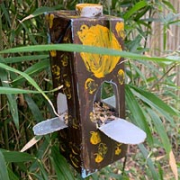 Carton bird feeders
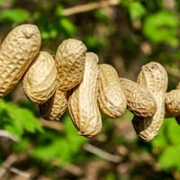 Monkey Nut Bird Feeders
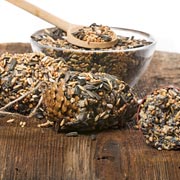 If using peanut butter in your home-made bird feeders, ensure it is fresh, has no salt or sugar added and is not ‘flavoured’. Smooth or crunchy peanut butter is great for bird-feeders, though, and you can even stick extra bird seed to it once it’s been spread on your feeder e.g. pine cone or apple. There are also some peanut butter brands made specifically for wild birds, by the way.
 Why Nature is So Important for Children
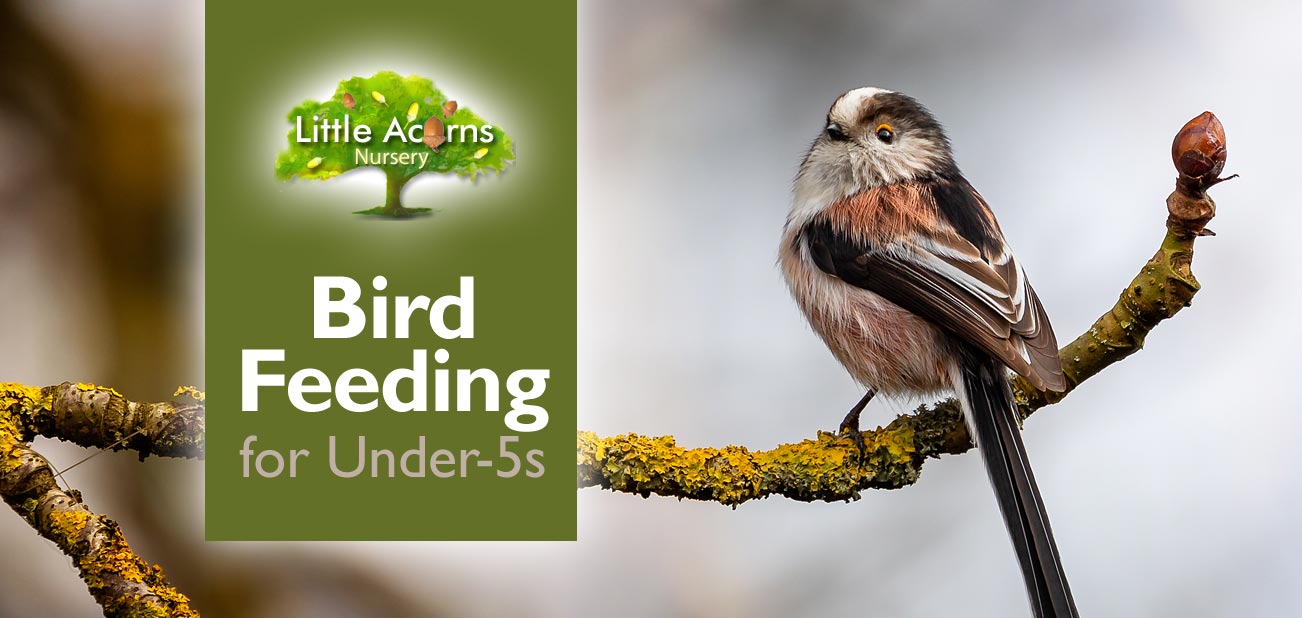
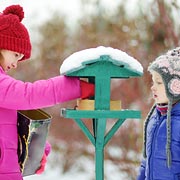
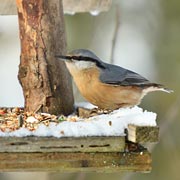 Providing food for birds is a win-win for everyone — humans and birds alike. Birds obviously get to eat much needed food without huge effort and children get to learn more about nature and perhaps individual bird visitors. (We even name our regulars! “Vern” is a tame blackbird, for example, having been named after a character in the famous movie Rain Man). By encouraging birds to visit, children will soon be able to recognise and name the different species of bird too, particularly if given some help from a parent or bird book. Visitors might include robins, blackbirds, blue tits, great tits, long-tailed tits (our favourite), thrushes, starlings and, if they’re lucky, more unusual, colourful birds like nuthatches, woodpeckers, bull finches and gold finches. As it gets colder, some species will travel to warmer countries to overwinter. For those that stay in the UK, however, food from a friendly young nature-lover will be a real lifeline.
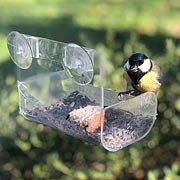 If children do get involved in feeding wild birds, they’ll soon begin to realise how delightful the little beings are. They each have their own character, likes and dislikes. Children will get to appreciate this if they keep up the feeding and the birds will soon realise where to find the food each day. Children will get to understand the importance of nature and learn skills like empathy, understanding and responsibility as they nurture the wellbeing of these beautiful wild visitors. Animals, birds and insects are all individuals and it’s good for children to recognise this. By feeding birds and other animals, they will also be able to continue to appreciate nature and the natural world, just like they do in our
 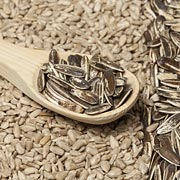 There are many bird feeders available to purchase in supermarkets and local shops, although we simply buy ours as part of our weekly online supermarket shop. Many are quite inexpensive. From fat balls and filled coconut shells, to seed cakes, hanging dispensers and pre-filled seed feeders, the variety available gives parents and children a huge choice. In our own garden, we have found that
 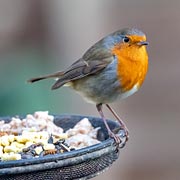 Grated Cheddar cheese (mild and in moderation) will be very popular. Robins, blackbirds, sparrows, starlings, pigeons and doves adore it! Mouldy or ‘blue’ cheese should be totally avoided, though, as the mould could harm or even kill birds. Meanwhile, bread will fill birds up but it doesn’t hold much nutritional value for them, so only feed bread to birds in moderation. It’s incredibly important not to feed them mouldy bread too, or for it to be left to go mouldy once outside. Mould can greatly harm or even kill birds.
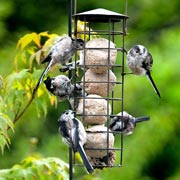 The RSPB provides
 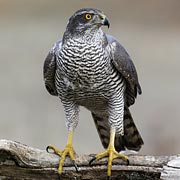 Window recesses, higher windowsills and balconies will usually offer some kind of suitable site for feeding birds. Careful choosing of the site for your bird feeders is an important consideration, however, which could make or break your feeder’s success and the wellbeing of the birds you are trying to help.
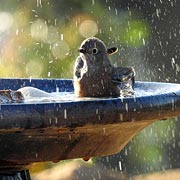 A Word About Hygiene for Your Family & the Birds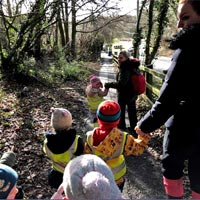
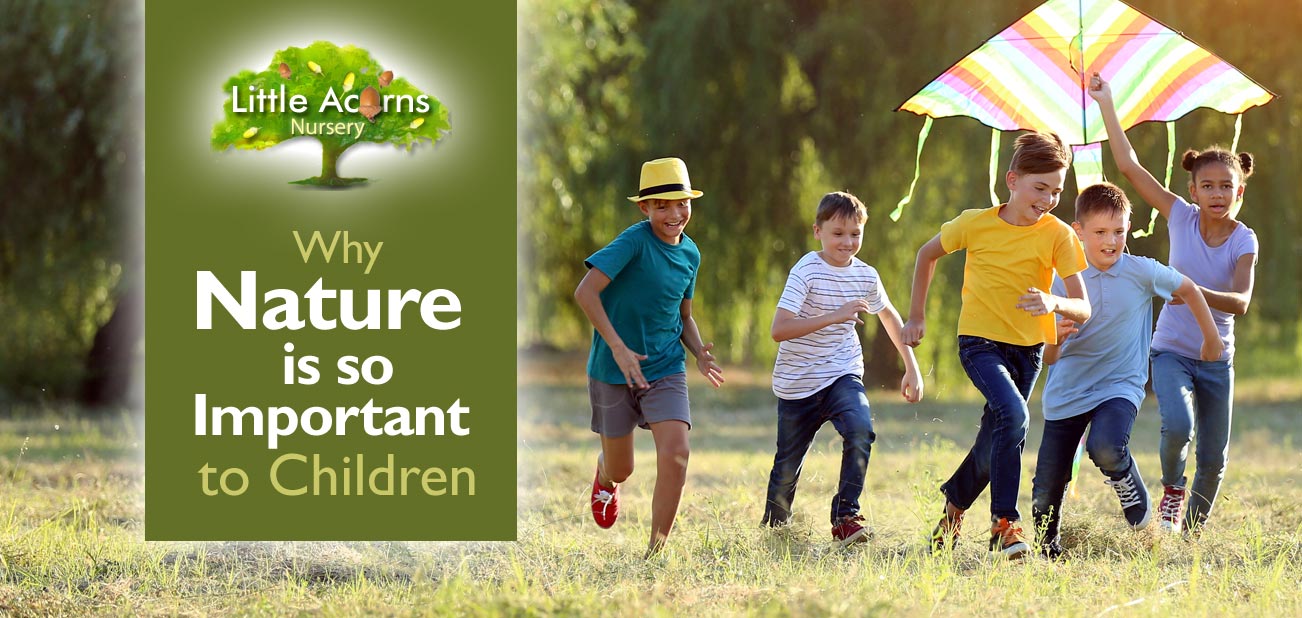
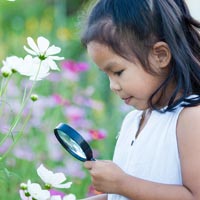 Today we’ll look at the immense benefits of nature to children. While the long-term benefits of nature are reasonably well-known, it turns out short-term exposure to the natural environment also has1 clear benefits for people of any age. The benefits are even more beneficial, though, for young people during their early years, at school and in higher education.
 One of the wonderful things about nature is that immersing oneself in it need not cost a penny. With so many proven benefits, it just goes to show that the old adage that ‘the best things in life are free’ really is true when it comes to nature. Exposure to the natural environment and green surroundings has been shown to have clear benefits …
 The benefits of restored attention skills in themselves should not, of course, be overlooked. Interestingly, research6 involving cognitive tests on school children found that children who had undergone the tests after walking in a natural wooded environment were quicker to answer – and significantly more accurate in their answers – than those who had instead practised mindfulness in the classroom or who had spent time in the school playground during the break.
 Almost Endless Benefits to Children
 Greater empathy e.g. taking more care of other living things, plants, etc.;
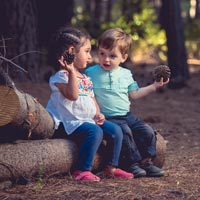 Just imagine, then, how much children benefit from nature when attending a Forest School setting such as that available at Little Acorns Nursery, Chorley. At Forest School, little ones will spend significant time in local green and wooded spaces, so these findings show just how important Forest School is for youngsters. Why send your child to an ordinary nursery, then, when you can send them to