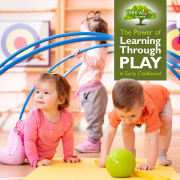
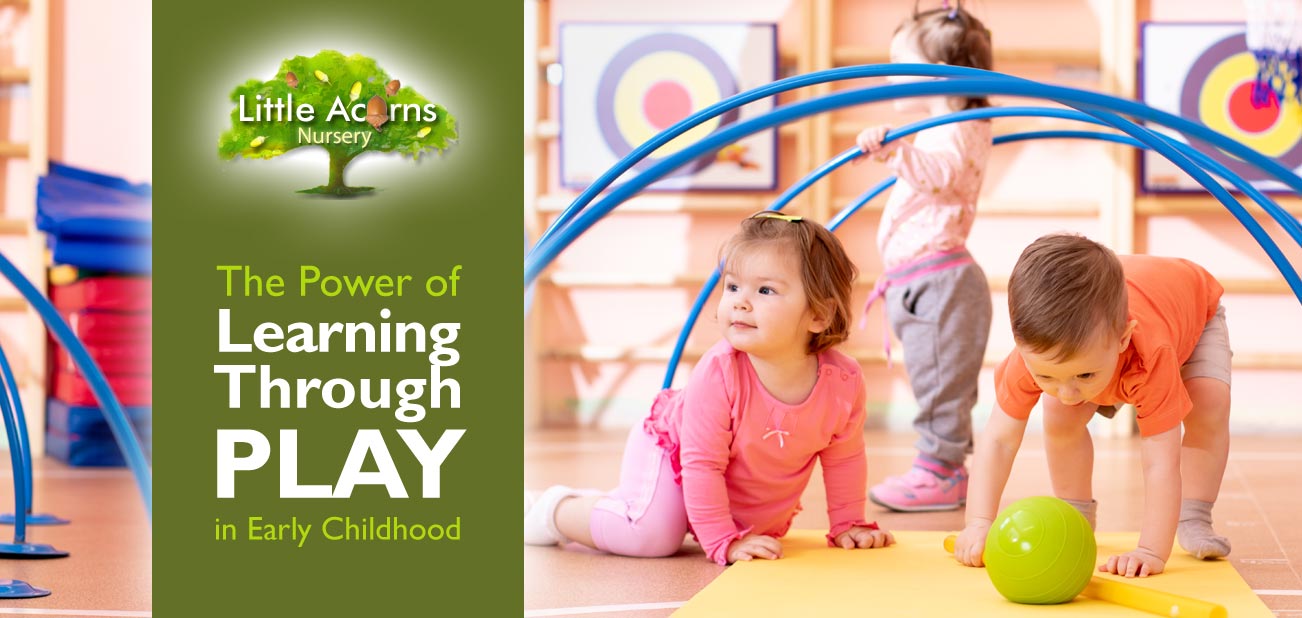
 In the world of child development and early education, there is a simple yet profound truth: children learn best when they are learning through play. Play is the universal language of childhood and, indeed, it transcends both borders and cultures. Whether it’s building sand castles on a sunny beach or arranging blocks on the floor at home, play is the gateway through which children explore, discover, and grow.
But how and why is play so important? And can it benefit even babies, the tiniest members of society? In today’s article, we’ll unravel the secrets of learning through play. We’ll refer to some findings of scientific studies that attest to its incredible impact, explore play’s significance in the early years and infancy, and explain how childcare nurseries like ours harness its potential to nurture young minds.
So, join us today as we explore the power of play and why it should be at the heart of every child’s learning experience. Let’s open the door to a world where fun, laughter, imagination, and natural discovery pave the way to a brighter future for our children.
Why Is Learning Through Play So Important?
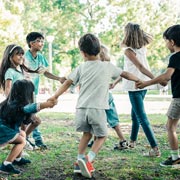 As adults, we often associate learning with classrooms, textbooks, and structured lessons. However, for children, the process of learning is a dynamic and ever-evolving adventure, with play being their very best companion during the journey.
- It develops cognitive skills. Play serves as a powerful vehicle for the development of cognitive skills. When children engage in activities like building with blocks, solving puzzles, or pretending to be characters in their favourite stories, they are actively honing their problem-solving abilities, critical thinking, and creativity. Importantly, these skills are also the building blocks of a lifelong love of learning, which we’ll come to later.
- It sparks social & emotional growth. Play isn’t just about individual growth; it’s a social endeavour. Through play, children learn to navigate the complex world of relationships. They practise communication, cooperation, and negotiation as they interact with peers, siblings, and caregivers. Sharing toys, taking turns, and resolving conflicts during playtime are valuable life skills that lay the foundation for healthy social development.
- Exploration feeds the imagination. One of the most beautiful aspects of play is its ability to fuel the imagination. When children engage in imaginative play, whether it’s hosting a tea party for stuffed animals or embarking on a make-believe adventure, they are cultivating their creativity and expanding their understanding of the world. Imagination is the driving force behind innovation and problem-solving in adulthood, making it a vital skill to nurture from a young age.
- It fosters a love for learning. Perhaps the most compelling reason to prioritise learning through play is that it fosters a genuine love for learning. When children associate learning with fun, joy and discovery, they will naturally develop a thirst for knowledge that stays with them throughout their lives. Such an intrinsic motivation is priceless and will serve them well in all their pursuits, whether academic, work-related or personal.
So, as we can see, learning through play is a fundamental part of a child’s educational journey. It lays the groundwork for cognitive development, social and emotional growth, imaginative thinking, and a lifelong passion for learning.
Babies & Under-5s
Play-based learning is not just for older children. In reality, its influence begins right from infancy and continues to shape young minds throughout their early years. Let’s explore that a little further.
Play for Babies – Building Foundations
 Do babies benefit from play? Absolutely. Play is the first way through which infants start understanding their world. They use their senses to explore toys, grasp objects, and make sense of the environment around them. Sensory play, such as touching different textures or listening to soothing sounds, stimulates their developing senses and lays the groundwork for future learning.
Infant play also plays a crucial role in the development of fine and gross motor skills. As babies reach for toys, practise tummy time, and eventually start crawling and walking, they are strengthening their muscles and improving coordination.
Early Years Play – Growing Skills
 During the run-up to the age of 5, play is integral to children’s development. During this phase, children are like little sponges, soaking up information from their surroundings. Play allows them to experiment, make connections, and refine their cognitive and many other skills. Skills enhanced through play include:
- Language development. Through imaginative play, storytelling, and conversations with peers and caregivers, children will naturally expand their vocabulary and improve their communication skills.
- Maths and science concepts. Counting blocks, sorting shapes, and exploring basic scientific principles through hands-on experiments are all part of early years play. Such activities build a firm foundation for mathematical and scientific understanding.
- Problem-solving and critical thinking. Whether it’s solving puzzles, figuring out how to build a tower without it toppling, or strategising during a game, play encourages children to think critically, make decisions, assess risk, and find solutions to challenges.
- Emotional intelligence. Role-playing and interactive games help children navigate complex emotions. Through these, they will naturally enhance emotional intelligence, develop empathy, and learn about relationships. Such skills are vital for their social and emotional growth going forward.
Play is a powerful and natural tool that’s critical to the development of babies and young children. From sensory exploration in infancy to the cognitive challenges of early years, play enriches their lives and gives them foundational skills and knowledge that will serve them throughout their educational journey.
The value of play is backed up by extensive research
The scientific evidence is clear: play is not just a pastime; it’s a fundamental component of child development 1. Indeed, learning through play is a major part of a good, holistic, approach to child development. It teaches children almost infinite amounts about the world around them while fostering cognitive skills, emotional intelligence, creativity, and a love for learning that will benefit them throughout their lives. Play is the primary vehicle through which children explore, discover, and grow, and it should be at the heart of every child’s educational journey.
The Role of Childcare Providers Like Little Acorns Nursery
Childcare settings like Little Acorns Nursery are often a child’s first introduction to structured learning outside the home. We play a pivotal role in nurturing young minds through a play-based approach to education. This is designed to encourage children to explore, experiment, and naturally discover through play.
-
 Creating playful environments — we understand the importance of a conducive environment for learning through play. With that in mind, we provide carefully designed play spaces that are rich in stimulating materials and resources. These spaces allow children to engage in various types of play, from imaginative to sensory, in a safe and supportive setting.
 - Trained educators — our nursery staff are trained to facilitate play-based learning effectively. They observe and engage with children during their play, providing guidance when necessary while allowing children the autonomy to explore and experiment. Our skilled educators recognise the many learning opportunities that arise naturally during such play.
- A balance of structured and unstructured play — we strike a careful balance between structured and unstructured play. Structured activities may include group games, circle time, and planned art projects, while unstructured playtime allows children to choose their activities, fostering independence and decision-making skills.
- Incorporating learning goals — while play is central to the nursery experience, it doesn’t mean a lack of educational goals. Childcare providers like Little Acorns Nursery align play activities with specific learning objectives. For example, a play dough activity can promote fine motor skills and creativity, while a group storytelling session enhances language development.
- Assessing progress — continuous assessments help our childcare practitioners and each child’s Key Person to gauge children’s development. Such assessments consider, for example, children’s engagement, problem-solving abilities, social interactions, and other skills that emerge during play. This holistic approach helps our educators to tailor their support to each child’s individual needs.
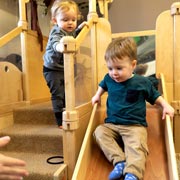 Creating playful environments — we understand the importance of a conducive environment for learning through play. With that in mind, we provide carefully designed play spaces that are rich in stimulating materials and resources. These spaces allow children to engage in various types of play, from imaginative to sensory, in a safe and supportive setting.
By recognising the immense value of play in child development and providing a nurturing environment where children can learn, grow, and thrive through play-based activities, we not only prepare children for the transition to school but also facilitate the development of essential life skills.
Nursery Places at an Outstanding Nursery in Clayton-le-Woods, Chorley

Are you looking for an outstanding nursery for your child in Clayton-le-Woods or near Chorley? If so, you should consider Little Acorns Nursery. Not only does Ofsted rate us as an ‘Outstanding Provider’ but we also have a highly prestigious national nursery award under our belt. All Government-funded childcare schemes are supported at the nursery too, making childcare provision more affordable for eligible families. To register your little one for a place, arrange a tour with your child, or ask a question, please contact us:
Little Acorns is a nursery in Clayton-le-Woods, near Chorley, Central Lancashire. Families living or working nearby in Clayton Brook, Clayton Green, Thorpe Green, Pippin Street, Buckshaw Village, Whittle-le-Woods, Farington, Bamber Bridge, Lostock Hall, Euxton, Leyland or Penwortham may also find it convenient.
Coming Soon:
How to Encourage Learning Through Play at Home
Parents and caregivers also play a crucial role in fostering an environment that supports exploration, curiosity, and growth through play. Your home can be a vibrant hub for play-based learning. Moreover, by creating a nurturing environment, providing the right resources, and actively engaging with your child during play, you empower them to explore, learn, and really grow as individuals. We explore the topic of Encouraging Learning Through Play at Home here.
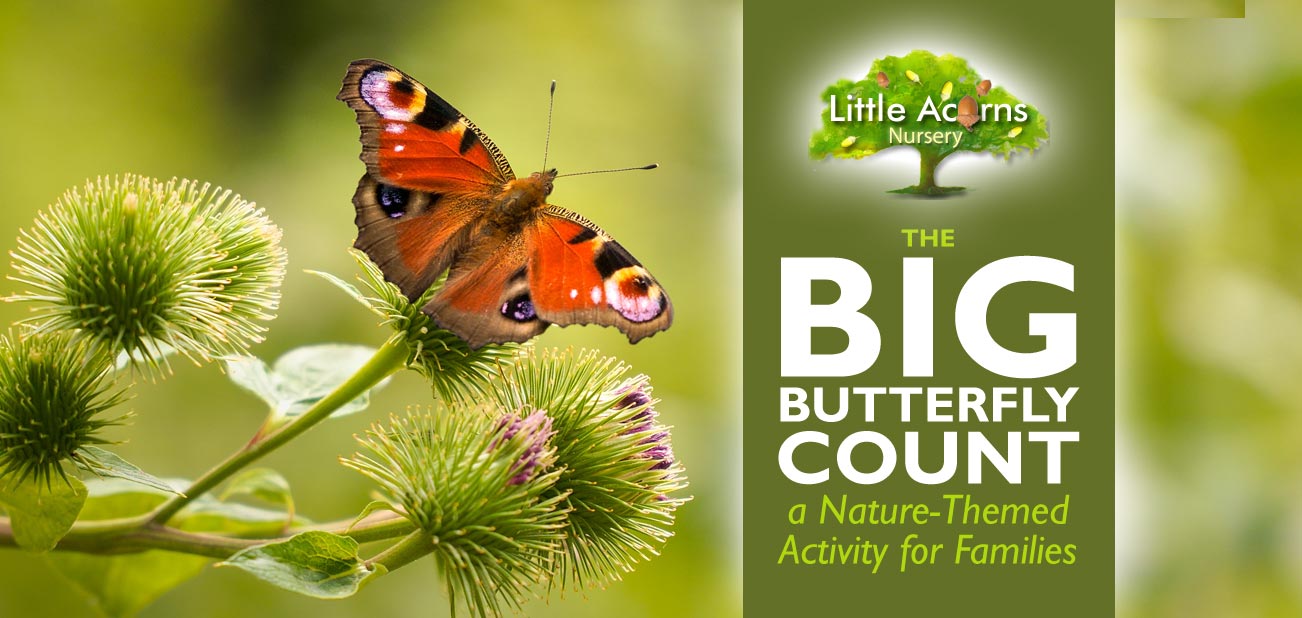
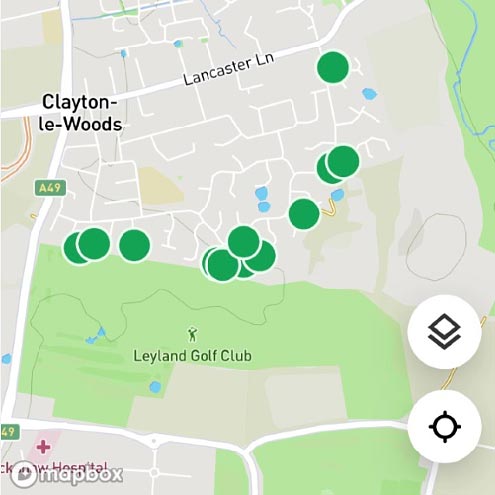
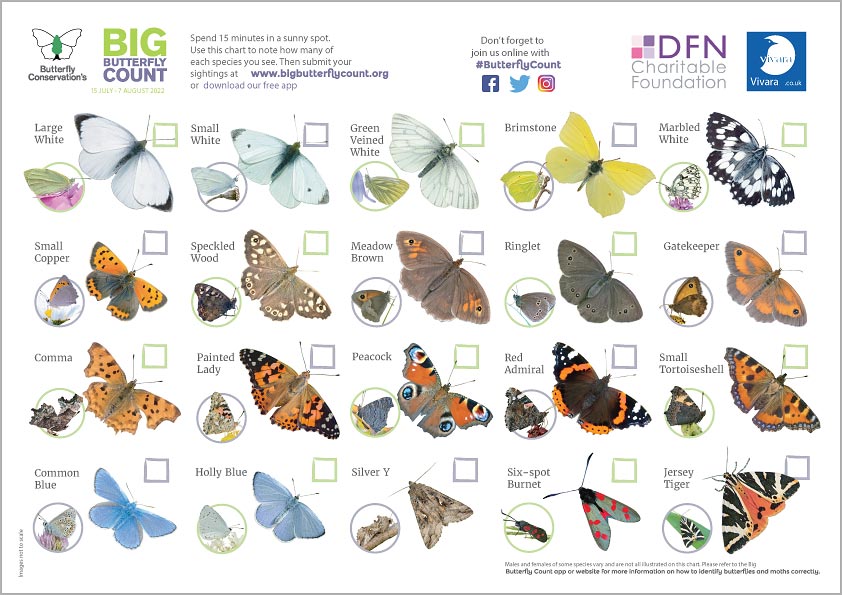
 Many will have heard of the Big Garden Birdwatch that takes place every year in January. However, fewer are aware of a similar activity called The Big Butterfly Count that takes place in July and early August. As well as being extremely worthwhile, it’s a wonderful activity for both children and adults to get involved in as citizen scientists. The activity helps with butterfly conservation, is educational for those taking part, and encourages families to get outdoors, closer to nature. And, as we know,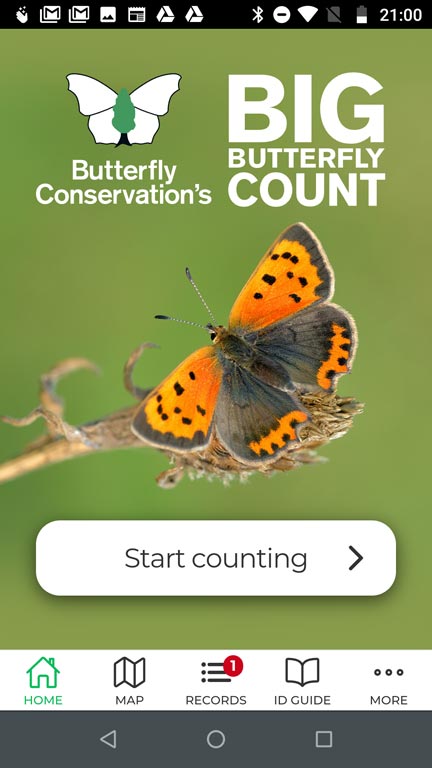


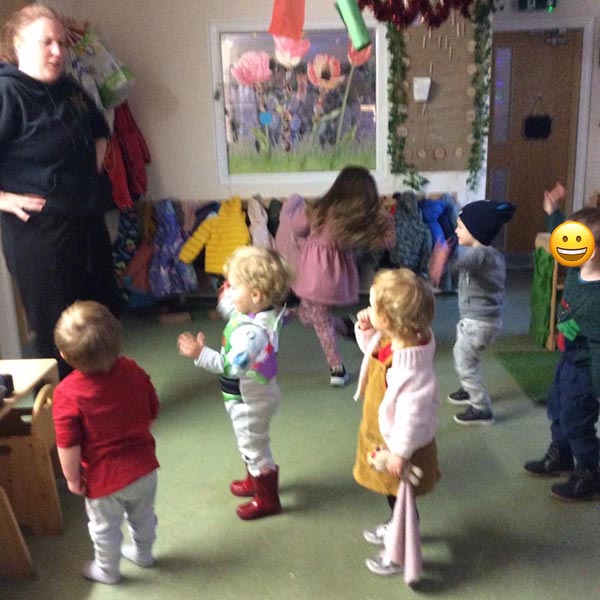
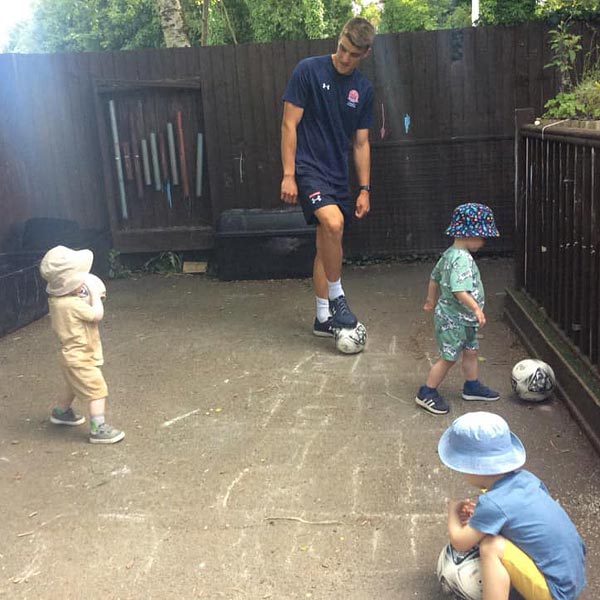
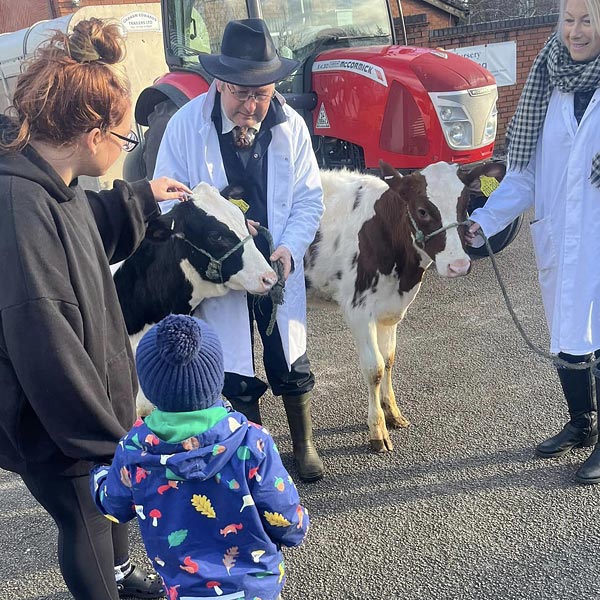
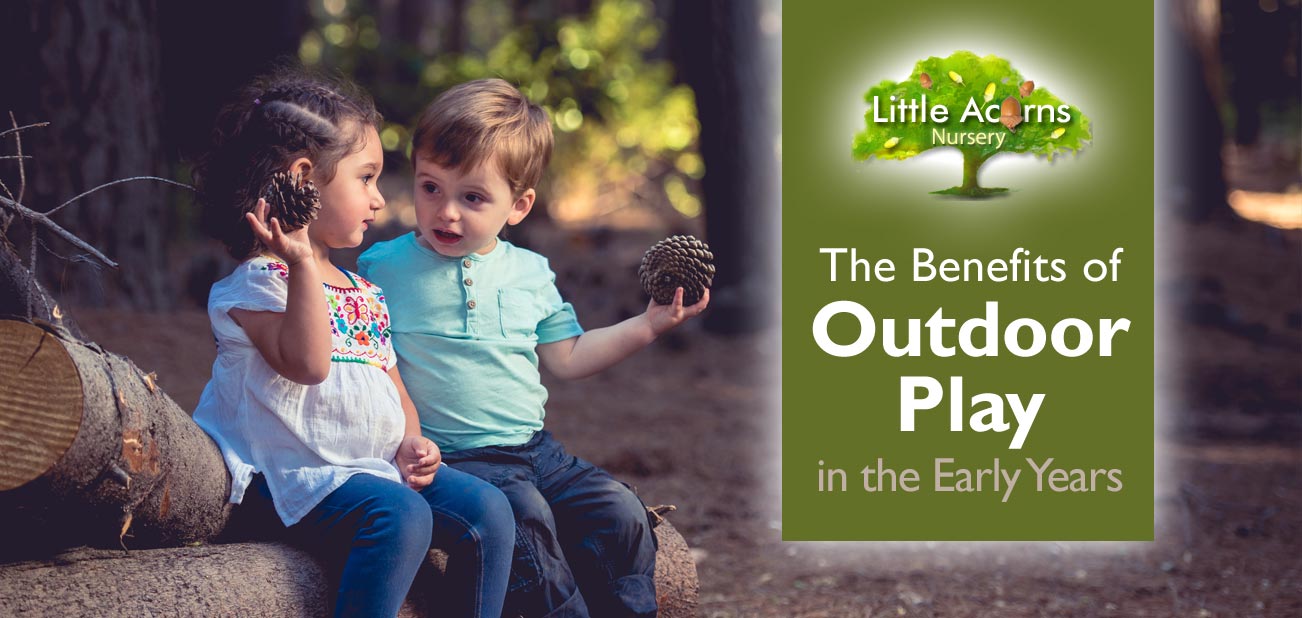
 In today’s post, we take a look at the importance of outdoor play for children in their early years. Indeed, there are many benefits, as we’ll see …
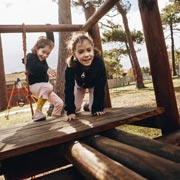
 Playing outside is also a healthy release from things like TV, electronic screens and, potentially, from an otherwise more sedentary lifestyle. Away from the confines of the indoors, outdoor play allows children the freedom to move about more freely. Outside, they’ll learn to navigate spaces, obstacles and play equipment, all the time improving spatial awareness, coordination, balance and gross motor skills. These include running, jumping, climbing and so on. Their fitness levels will naturally improve too, as they build stamina, muscle and strength. This is all incredibly good for them.
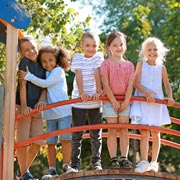 At Little Acorns, we understand the importance of outdoor play. Little ones, from the age of two have access to our outdoor gardens and play areas — all under close supervision, of course. We have invested heavily in a whole range of exciting, stimulating and educational outdoor facilities for the children to explore, play with and learn from. As they do, they will not only learn but they’ll also hone fine and gross motor skills, improve coordination and balance, improve physical fitness, enhance social skills and build friendships. They will also soon become better at recognising and balancing risk, they’ll become more independent as they move around freely. They’ll also learn from mistakes. Their self-confidence and self-esteem will also naturally grow. These are all incredibly important skills that will stand them in good stead as they gradually approach the age where they’ll leave us to move on to school.
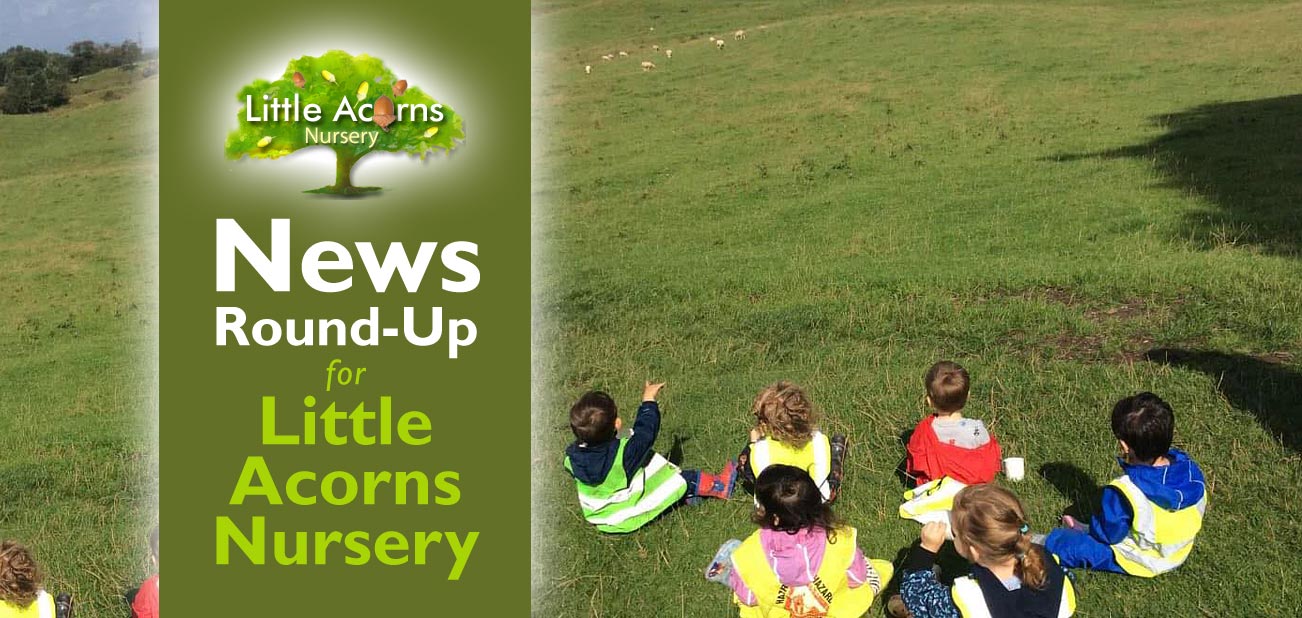
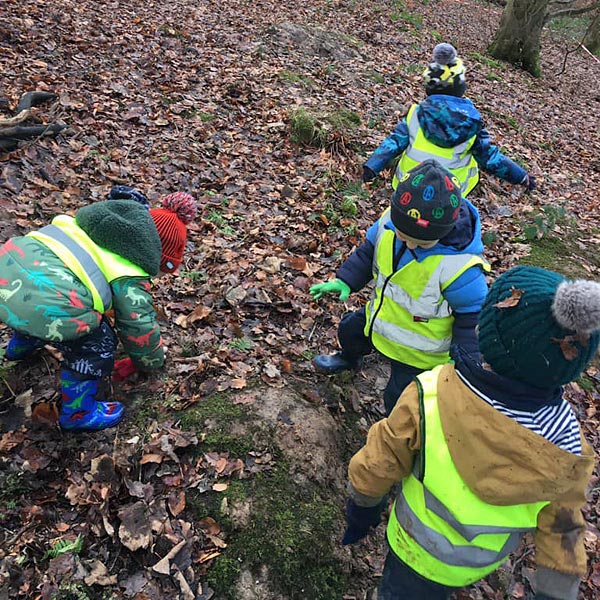
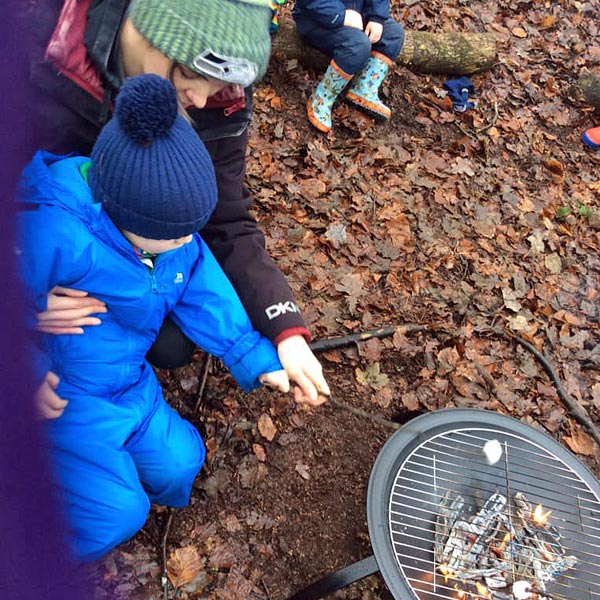
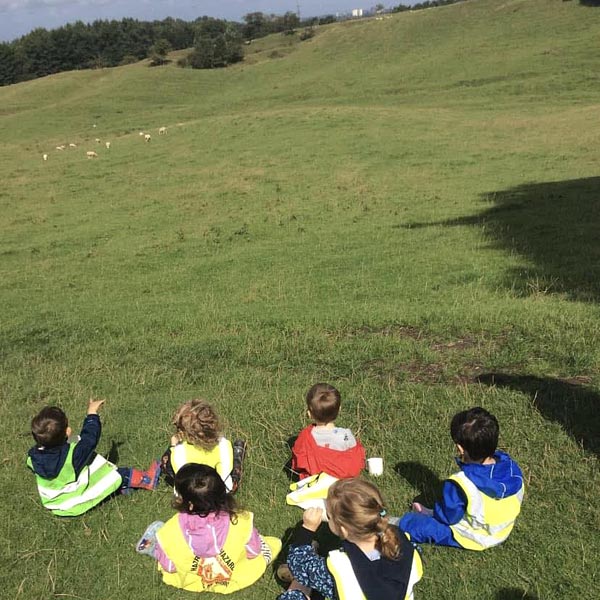
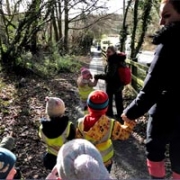 Taking outdoor experiences for little ones even further, Little Acorns regularly takes children on outings, including to local parks. More importantly, though, it was one of the first nurseries/pre-schools to introduce Forest School to Central Lancashire. This is the ultimate outdoor experience for under-fives and teaches them so much about the natural world — and also about themselves. As well as learning a huge amount about nature, flora, fauna, the seasons and about playing and learning in the Great Outdoors, Forest School helps them learn additional skills like problem-solving, working in teams, leadership, resilience, empathy, caring for the environment, personal responsibility and so much more. Learn more in
  All these outdoor activities also support the early years curriculum. Outdoor playing and learning covers many of the areas outlined in the Early Years Foundation Stage (‘EYFS’) learning and development framework, which is prescribed for all childcare settings in England. Specifically, outdoor play helps children in at least four of the seven key areas of the EYFS including:
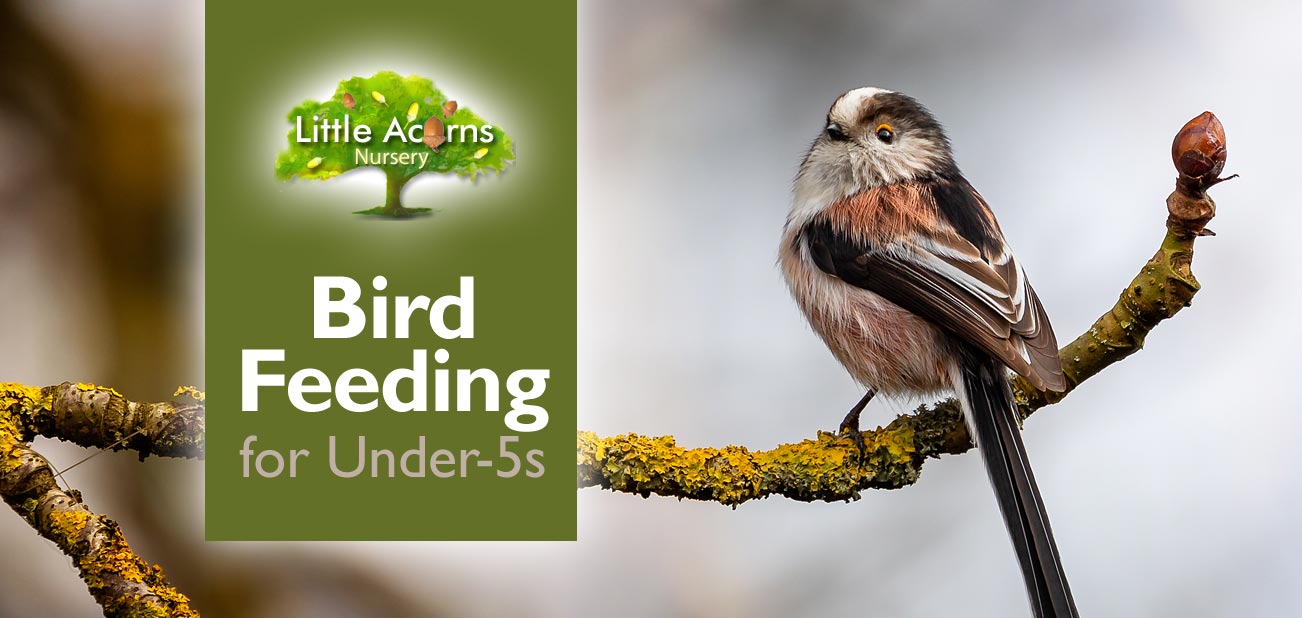
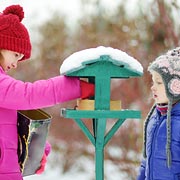
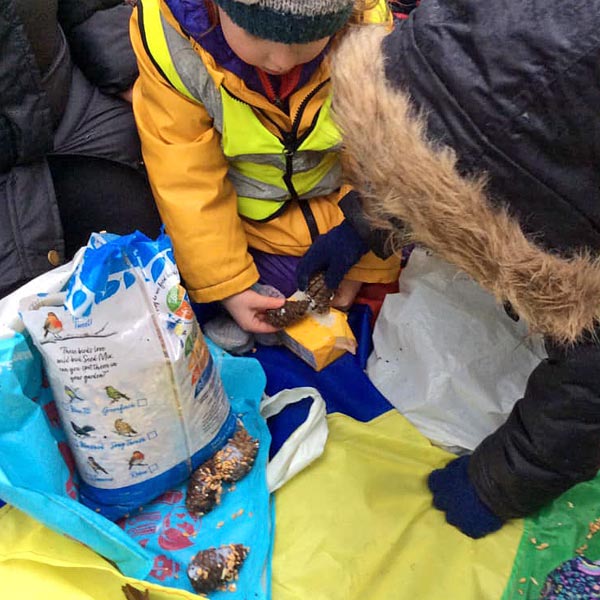
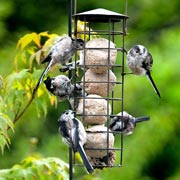
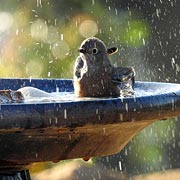
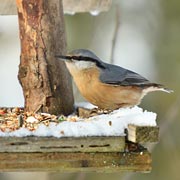 Providing food for birds is a win-win for everyone — humans and birds alike. Birds obviously get to eat much needed food without huge effort and children get to learn more about nature and perhaps individual bird visitors. (We even name our regulars! “Vern” is a tame blackbird, for example, having been named after a character in the famous movie Rain Man). By encouraging birds to visit, children will soon be able to recognise and name the different species of bird too, particularly if given some help from a parent or bird book. Visitors might include robins, blackbirds, blue tits, great tits, long-tailed tits (our favourite), thrushes, starlings and, if they’re lucky, more unusual, colourful birds like nuthatches, woodpeckers, bull finches and gold finches. As it gets colder, some species will travel to warmer countries to overwinter. For those that stay in the UK, however, food from a friendly young nature-lover will be a real lifeline.
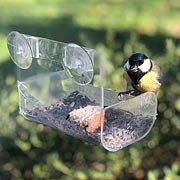 If children do get involved in feeding wild birds, they’ll soon begin to realise how delightful the little beings are. They each have their own character, likes and dislikes. Children will get to appreciate this if they keep up the feeding and the birds will soon realise where to find the food each day. Children will get to understand the importance of nature and learn skills like empathy, understanding and responsibility as they nurture the wellbeing of these beautiful wild visitors. Animals, birds and insects are all individuals and it’s good for children to recognise this. By feeding birds and other animals, they will also be able to continue to appreciate nature and the natural world, just like they do in our
  There are many bird feeders available to purchase in supermarkets and local shops, although we simply buy ours as part of our weekly online supermarket shop. Many are quite inexpensive. From fat balls and filled coconut shells, to seed cakes, hanging dispensers and pre-filled seed feeders, the variety available gives parents and children a huge choice. In our own garden, we have found that
 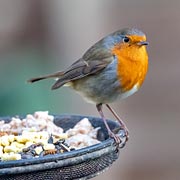 Grated Cheddar cheese (mild and in moderation) will be very popular. Robins, blackbirds, sparrows, starlings, pigeons and doves adore it! Mouldy or ‘blue’ cheese should be totally avoided, though, as the mould could harm or even kill birds. Meanwhile, bread will fill birds up but it doesn’t hold much nutritional value for them, so only feed bread to birds in moderation. It’s incredibly important not to feed them mouldy bread too, or for it to be left to go mouldy once outside. Mould can greatly harm or even kill birds.
 The RSPB provides
  Window recesses, higher windowsills and balconies will usually offer some kind of suitable site for feeding birds. Careful choosing of the site for your bird feeders is an important consideration, however, which could make or break your feeder’s success and the wellbeing of the birds you are trying to help.
 A Word About Hygiene for Your Family & the Birds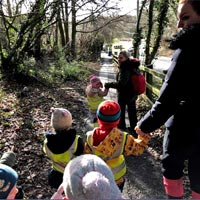
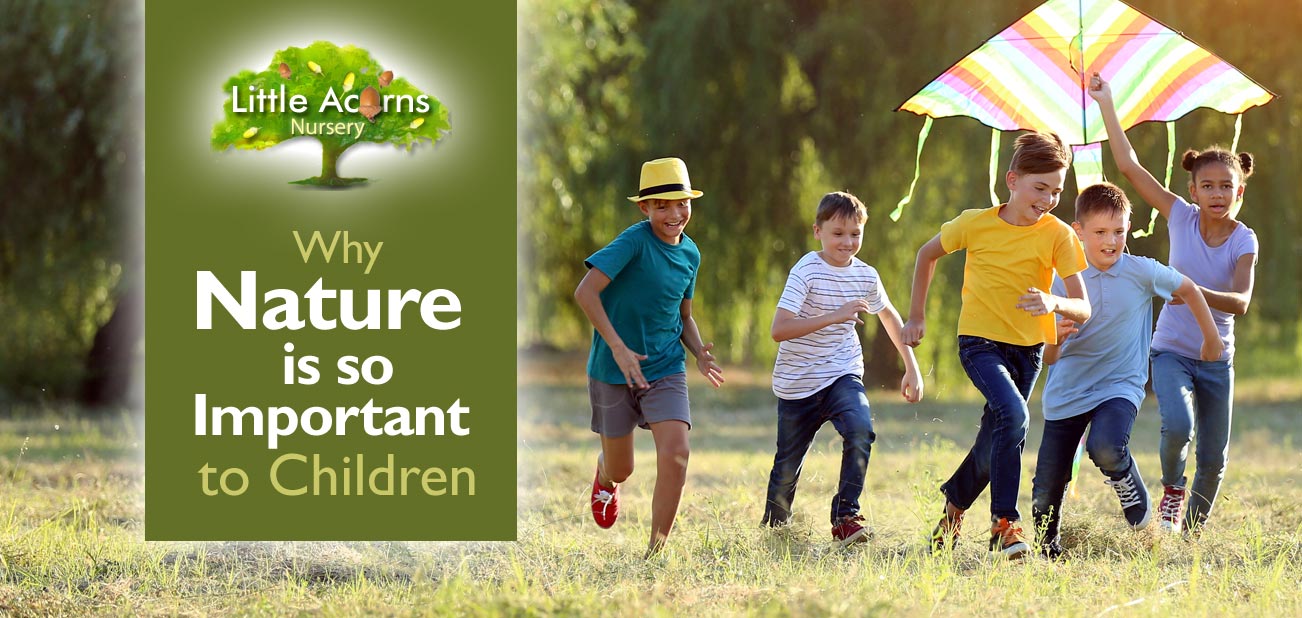
 Today we’ll look at the immense benefits of nature to children. While the long-term benefits of nature are reasonably well-known, it turns out short-term exposure to the natural environment also has1 clear benefits for people of any age. The benefits are even more beneficial, though, for young people during their early years, at school and in higher education.
 One of the wonderful things about nature is that immersing oneself in it need not cost a penny. With so many proven benefits, it just goes to show that the old adage that ‘the best things in life are free’ really is true when it comes to nature. Exposure to the natural environment and green surroundings has been shown to have clear benefits …
 The benefits of restored attention skills in themselves should not, of course, be overlooked. Interestingly, research6 involving cognitive tests on school children found that children who had undergone the tests after walking in a natural wooded environment were quicker to answer – and significantly more accurate in their answers – than those who had instead practised mindfulness in the classroom or who had spent time in the school playground during the break.
 Almost Endless Benefits to Children
 Greater empathy e.g. taking more care of other living things, plants, etc.;
 Just imagine, then, how much children benefit from nature when attending a Forest School setting such as that available at Little Acorns Nursery, Chorley. At Forest School, little ones will spend significant time in local green and wooded spaces, so these findings show just how important Forest School is for youngsters. Why send your child to an ordinary nursery, then, when you can send them to
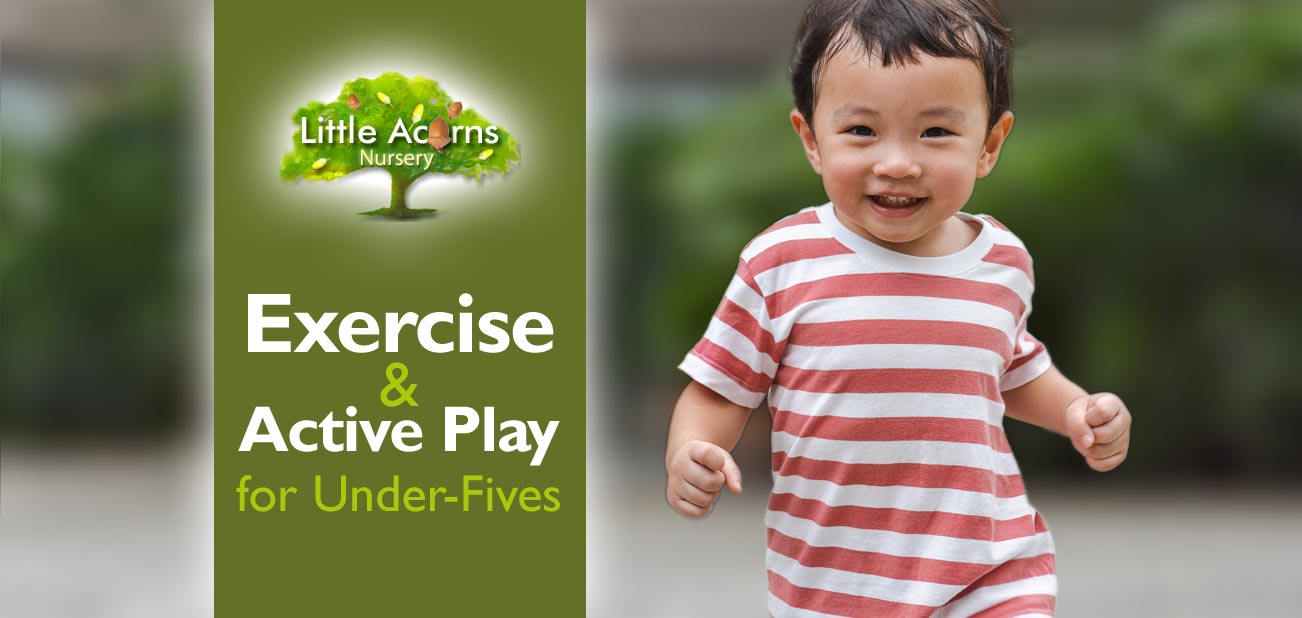
 Generally speaking, under-fives should be encouraged to be active. There are many benefits of this including remaining physically fit, getting to know and enhancing physical abilities, honing motor skills (fine and gross) and improving coordination and balance. In addition, it helps the very young to develop visual and sensory skills. Physical activity is also part and parcel of the development of new neurological pathways in the brain. All these skills and benefits will become increasingly important as children grow, develop and become ever-more active and independent.
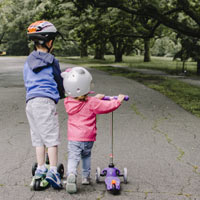 Once they reach the age of 3 to 4 (preschoolers), 3 hours of physical activity is an ideal daily minimum. Now that they’re older and more confident in their physical skills, they can continue with the toddler activities but add more complex and moderately vigorous options to their play. Dancing, swimming, scooting, climbing, chasing, cycling and energetic outdoor activities are good examples.




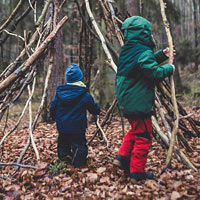 Little Acorns Nursery offers Forest School sessions and, indeed, was the first childcare setting in the Chorley area to offer them. Many parents understand that ‘Forest School’ offers children outdoor discovery sessions where they can explore nature and all that the Great Outdoors has to offer. However, what’s it really about? What is the ethos behind it? How did it come about and what is its history? Perhaps most importantly, what are its benefits to children? Here we’ll answer all those questions and more, in our Ultimate Guide to Forest School.
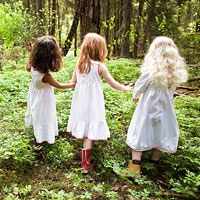 The biggest influence, however, came from Scandinavia and the play-based, child-centric educational system of Denmark’s outdoors (‘friluftsliv’) approach to early years education. Their revolutionary outdoor system was hugely successful, so nursery staff from Bridgewater College in Somerset visited Denmark to see it in action for themselves. They were so impressed that they founded the first Forest School, following their return to the UK, in 1993.
 With a focus on nature and the natural world, Forest School sessions take place outdoors, ideally in natural, woodland settings. If that’s not possible, natural areas containing trees would be the next best setting, although more urban locations may necessitate the use of school grounds if no woodlands are available locally. In that scenario, practitioners would bring in natural materials such as sticks, logs, fir cones and so on.
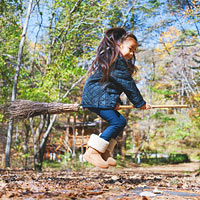 Forest Schools focus on each child’s individual interests, skills, preferences and needs as well as balancing them with those of the whole group. Indeed, this builds a community that’s immersed in this natural environment, learning from it and also from one another. Play is a huge part of this and, as always, ensures that learning is immense fun.
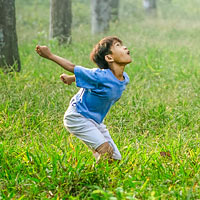 Nature teaches children so much — about flora, fauna and the make-up of the world (of course); but it also teaches children about themselves. Children will learn or discover new hard and soft skills when out in the natural world. They’ll discover skills that they didn’t know they had. Leadership, critical thinking, team-working and problem-solving are just a few examples.