 If you are looking for the very best childcare provision for your child in Central Lancashire, there are a multitude of reasons why you should choose Little Acorns Nursery. Put simply, Little Acorns offers the very best possible childcare service for under-fives — but you don’t need to take our word for it. This is independently verified, as you’ll see below. Take a look at our top 20 reasons to choose Little Acorns Nursery and you’ll soon see why it’s virtually impossible to beat when it comes to outstanding childcare provision.
1. Winner of THE Top National Nursery Award
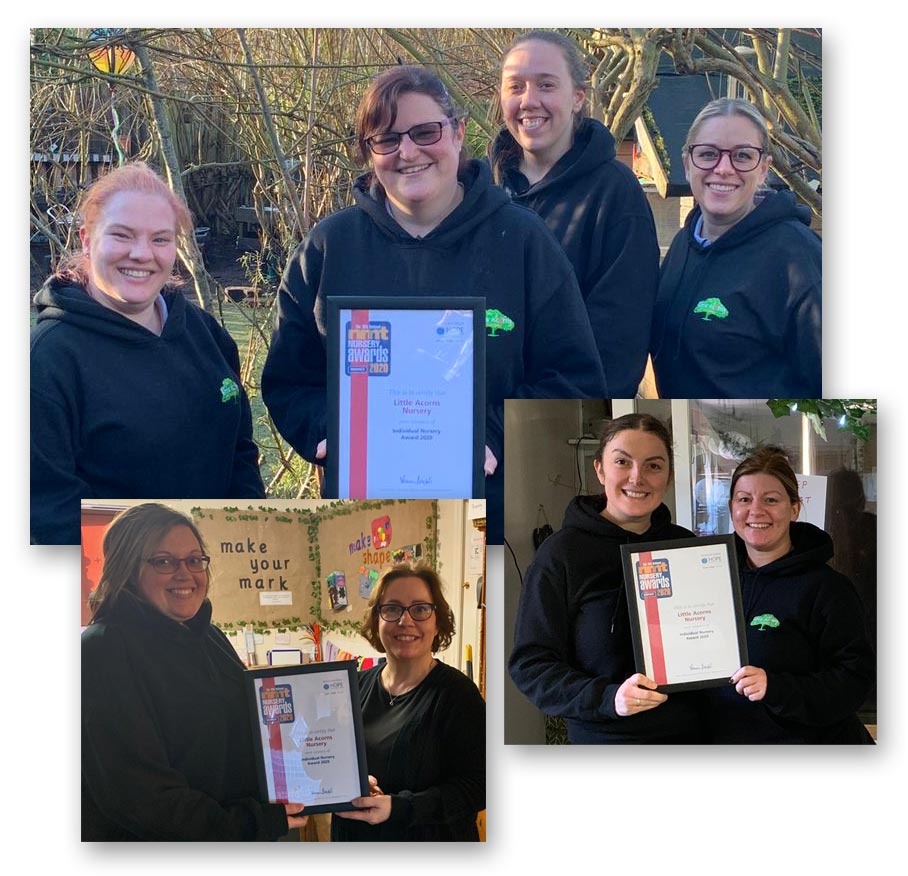
We’re award-winning — and not just any award. Out of all the nurseries in the UK, Little Acorns won the award for the best Independent Nursery in the National NMT Nursery Awards. That says it all, really, and such a unique award recognises our passion, professionalism and the unparalleled quality of childcare provision.
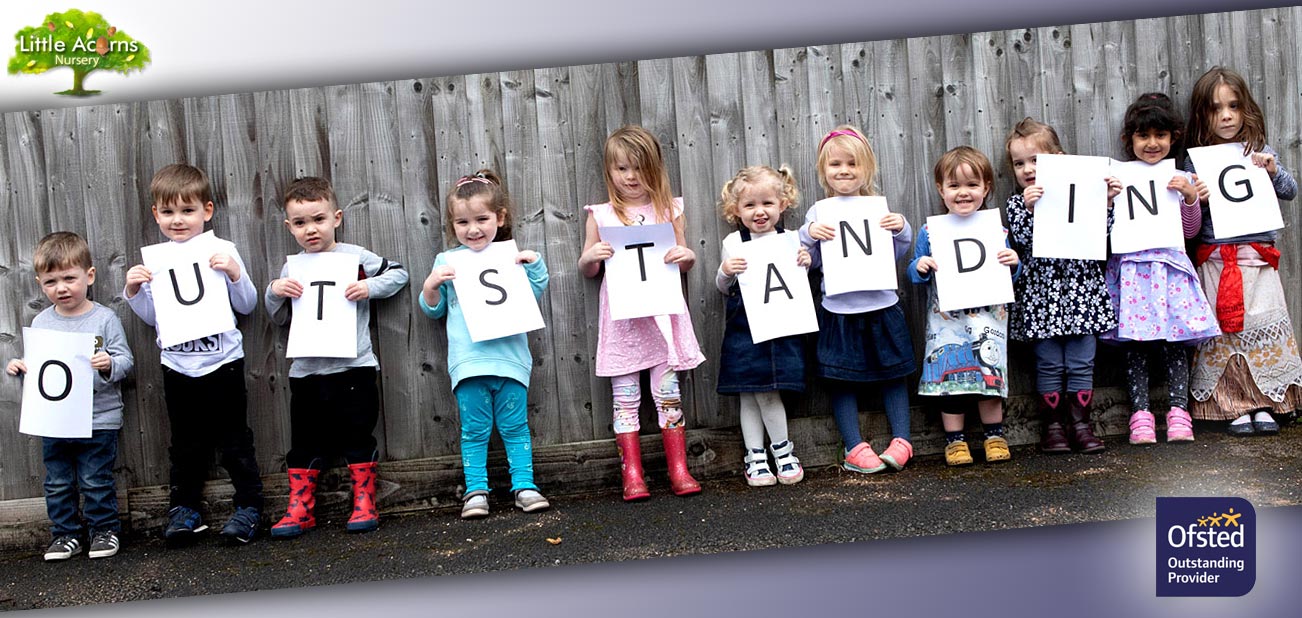
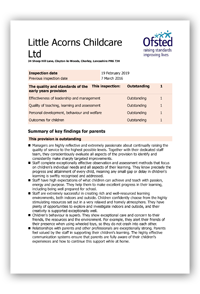
2. We’re Officially an Outstanding Childcare Provider
 We’re an outstanding nursery. That’s official too. Ofsted, who inspect and grade childcare providers across the UK, rate us as an Outstanding Provider of childcare in every category. There is simply no higher rating.
3. Outstanding Leadership & Management
The effectiveness of our nursery’s leadership and management is also outstanding and, again, Ofsted independently verify this.
4. Outstanding Teaching, Learning & Assessment
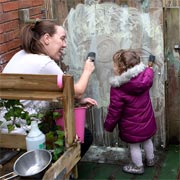 The quality of teaching, learning and assessment at the nursery was also found to be simply outstanding when Ofsted appraised us. It doesn’t get any better than that.
5. Outstanding Personal Development, Behaviour & Welfare
Ofsted also found the quality of personal development, behaviour and welfare to be outstanding at the nursery, so you know your child is in the best place if they go to Little Acorns Nursery in Clayton-le-Woods, Chorley.
6. Outstanding Outcomes for Our Children
What’s even more important about Little Acorns Nursery is that Ofsted found children’s outcomes to be outstanding if they attend the nursery. An outstanding outcome for your child is simply priceless.
7. Exceptional Feedback from Parents
Parents give us exceptionally good feedback about the nursery/pre-school. Take a look at the lovely comments in the ‘Parent Feedback’ sections near the bottom of the Home page, About Us page and Parent’s Information page on the website. As you’ll see there, parents regularly endorse the nursery/pre-school, commenting on the professionalism, dedication and enthusiasm of staff and their approach to learning and development. They’ll often comment on how well their child has settled in, that their child is flourishing, and how the nursery is like a family that supports their family. The bespoke daily feedback provided to parents, whether via the app, face-to-face or via phone or email, is also extremely highly regarded.
8. Healthy Eating Award
 Little Acorns Nursery has received a number of awards for it’s healthy eating policy. These include a Recipe 4 Health Award and accreditation via the Smiling For Life Award. Each recognises the healthy meals and snacks that we provide to children under our care.
9. Healthy Food & Drink are Included in Our Pricing
Healthy meals and snacks are prepared in-house and are included in our pricing. We use fresh, high quality ingredients and cater for all dietary requirements, including any allergies.
10. Five Star Food Hygiene Rating
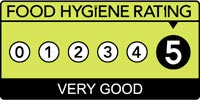 It almost goes without saying that, of course, Little Acorns Nursery has a 5-star food hygiene rating. Once again, that’s the topmost rating. Quality and professionalism are, after all, at the heart of everything we do.
11. We Support Government Schemes for Free Childcare
We support free childcare Government schemes. So, eligible 2-year-olds can receive 15 free hours of childcare each week over the course (usually) of 38 weeks at the nursery, while 3 and 4-year-olds can receive up to 30 hours per week — totally free. Learn more about free childcare hours for 2, 3 and 4-year-olds here.
12. We Accept Childcare Vouchers
We also accept recognised childcare vouchers (subject to eligibility/validity), which are another great way for parents to save on childcare costs.
13. A Purpose Behind Everything We Do at the Nursery
 Everything we do at the nursery has a purpose, whether it’s a customised approach to learning for a specific child, the choice of a particular activity or game for another, the purchase of a piece of new equipment, or the way we keep parents informed about their child’s progress each day — there is a reason for everything we do. Ultimately, our goal is to give every child the very best start in life and to equip them to achieve their personal best in every area. In this way, they are given the tools to achieve the very best outcomes in their lives.
14. A Nurturing Environment Where Children Thrive
As our ethos at the nursery says, “at Little Acorns we provide an environment that offers a calm and nurturing place where children thrive and become Explorers, Discoverers, Learners and Innovators.” In short, by nurturing and inspiring children, we bring out the best in them, ensure they feel happy, safe and valued and help them to absolutely thrive.
15. A Learning & Development Programme Tailored to Every Child
Every child is unique and each will have particular strengths and perhaps some weaker areas of ability. There is therefore no one-size-fits-all approach to learning and development. For this reason, the learning and development programme is specifically tailored for each individual child. In this way, each child can flourish and achieve personal bests in every area.
16. Support Every Day in All 7 Areas of the EYFS
Every day, each child is supported in all 7 areas of the Early Years Foundation Stage (EYFS) framework. This is the critically-important learning and development framework set out by the UK Government that, when followed, will also help children to thrive, be safe, feel valued and a whole lot more. Learn more about the EYFS here.
17. We Prepare Children for the Transition to School
We prepare every child for their eventual move to school. Preparedness for school is of huge importance if they’re to hit the ground running when they start in Reception year at the age of 5 and progress onwards. Everything we do at our nursery/pre-school allows them to be several steps ahead and absolutely thrive during the transition to school and beyond.
18. Forest School Allows Children to Benefit from Nature
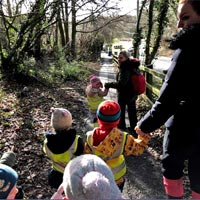 Our Forest School should be open from Autumn 2022. Children love Forest School and it teaches them so much about nature, the natural world and ultimately about themselves. Learn more about Forest School and it’s benefits here and you will soon see why it’s best to choose a childcare setting that incorporates Forest School into its curriculum and learning/development programme.
19. A Truly Special Team of Early Years Practitioners
Our team is a very, very special one indeed. Each member of the team fully understands the responsibility and importance that they play in the education of children under our care. Setting up optimised foundations for each individual child will help them to be as successful as possible in all their future endeavours. Our efforts in this regard have earned the setting some incredible awards and an unbeatable Ofsted rating as you’ll have seen above. Our passionate team of practitioners and the childcare they provide at Little Acorns Nursery is incredibly effective and is simply unsurpassed in Central Lancashire.
20. An Open Door — for You
 If you’d like to see the nursery for yourself, we’d welcome your visit. We have an ‘open door’ policy, meaning that we welcome you, as a parent or children’s guardian, to come along, whenever you like, to see the nursery in action. There’s nothing quite like seeing a childcare setting working, in the flesh, in order to gauge its quality for yourself. Come and take a look, or book a specific time and date for a tour below.
Little Acorns Nursery, Chorley — The Best Nursery & Pre-School in Central Lancashire
With it’s incredible awards, outstanding Ofsted rating and unrivalled team and methodology, Little Acorns Nursery is arguably unbeatable in the entire Central Lancashire region. If you’re looking for the best nursery and pre-school for your child in the Clayton-le-Woods, Clayton Green, Clayton Brook, Chorley or Central Lancashire region, please get in touch. Choose a button below to get started …

 Last year, we wrote a detailed post outlining
  Interestingly, under-five children who came from disadvantaged backgrounds were shown to benefit even more than those who didn’t. For this reason, reading with parents/carers has been proposed as a possible way to close the performance deficit often seen with children from such backgrounds. It may well represent a perfect solution to even up the playing field.
 Deeper bonds with parents/carers (after all, this is quality time spent together, one-to-one);
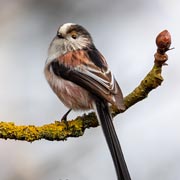 1. Bird spotting
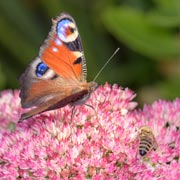 ee & Butterfly Spotting
 3. Search for Animal Tracks
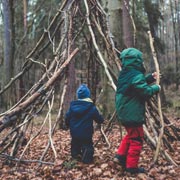 4. Make a Den
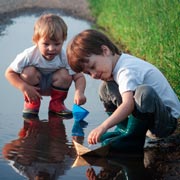 5. Float a Boat
 6. Go on a Ramble
 7. Get into Photography
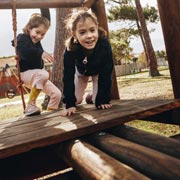 8. Obstacle Course
 9. Have a Picnic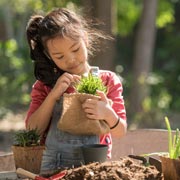
 11. Hunt for Mini Beasts
 12. Get Creative with Rocks & Stones
 Whether on the beach or in the garden, it’s surprising how creative children can be with stones and rocks! Stones can be painted with lovely patterns or images, perhaps combined with simple words or as part of a ‘stone story’. Bigger rocks can be piled one on top of the other to form sculptures — these look magical. Children will love these and other creative activities that they can take part in outdoors, with simple stones and rocks.
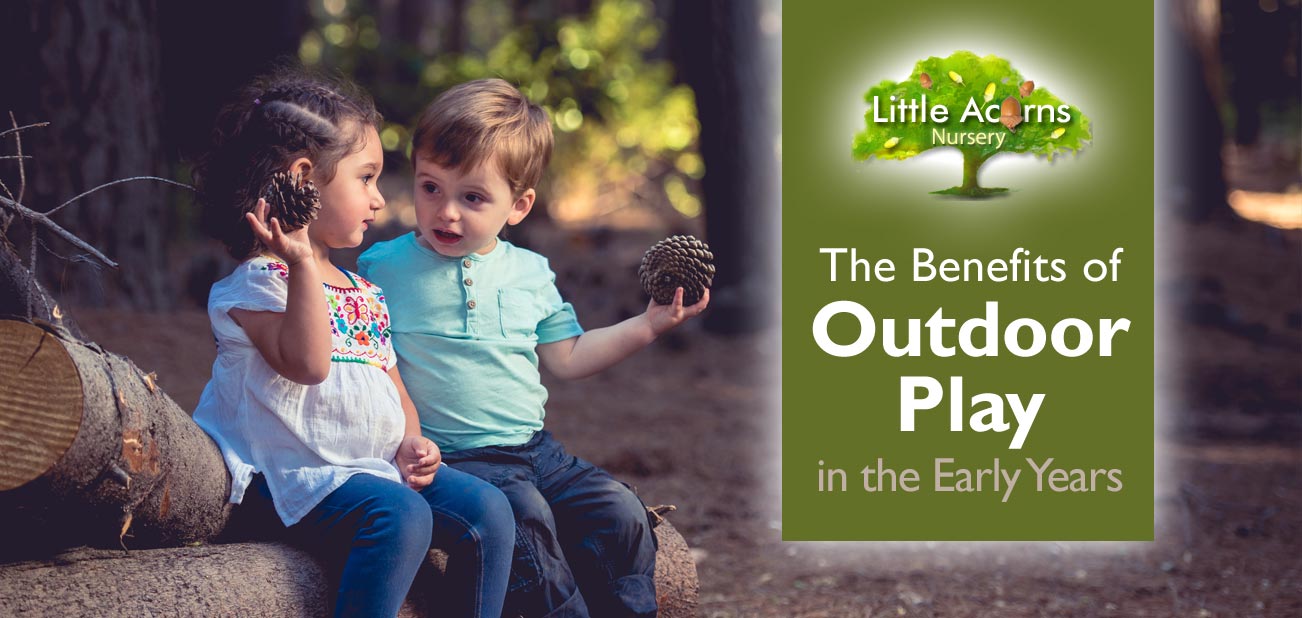
 In today’s post, we take a look at the importance of outdoor play for children in their early years. Indeed, there are many benefits, as we’ll see …
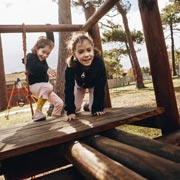
 Playing outside is also a healthy release from things like TV, electronic screens and, potentially, from an otherwise more sedentary lifestyle. Away from the confines of the indoors, outdoor play allows children the freedom to move about more freely. Outside, they’ll learn to navigate spaces, obstacles and play equipment, all the time improving spatial awareness, coordination, balance and gross motor skills. These include running, jumping, climbing and so on. Their fitness levels will naturally improve too, as they build stamina, muscle and strength. This is all incredibly good for them.
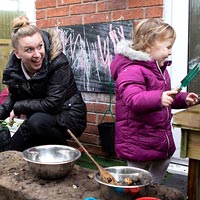
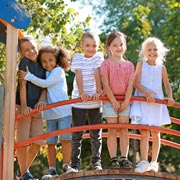 At Little Acorns, we understand the importance of outdoor play. Little ones, from the age of two have access to our outdoor gardens and play areas — all under close supervision, of course. We have invested heavily in a whole range of exciting, stimulating and educational outdoor facilities for the children to explore, play with and learn from. As they do, they will not only learn but they’ll also hone fine and gross motor skills, improve coordination and balance, improve physical fitness, enhance social skills and build friendships. They will also soon become better at recognising and balancing risk, they’ll become more independent as they move around freely. They’ll also learn from mistakes. Their self-confidence and self-esteem will also naturally grow. These are all incredibly important skills that will stand them in good stead as they gradually approach the age where they’ll leave us to move on to school.
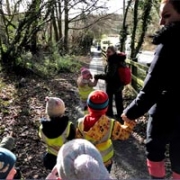 Taking outdoor experiences for little ones even further, Little Acorns regularly takes children on outings, including to local parks. More importantly, though, it was one of the first nurseries/pre-schools to introduce Forest School to Central Lancashire. This is the ultimate outdoor experience for under-fives and teaches them so much about the natural world — and also about themselves. As well as learning a huge amount about nature, flora, fauna, the seasons and about playing and learning in the Great Outdoors, Forest School helps them learn additional skills like problem-solving, working in teams, leadership, resilience, empathy, caring for the environment, personal responsibility and so much more. Learn more in
  All these outdoor activities also support the early years curriculum. Outdoor playing and learning covers many of the areas outlined in the Early Years Foundation Stage (‘EYFS’) learning and development framework, which is prescribed for all childcare settings in England. Specifically, outdoor play helps children in at least four of the seven key areas of the EYFS including: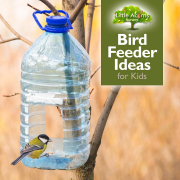
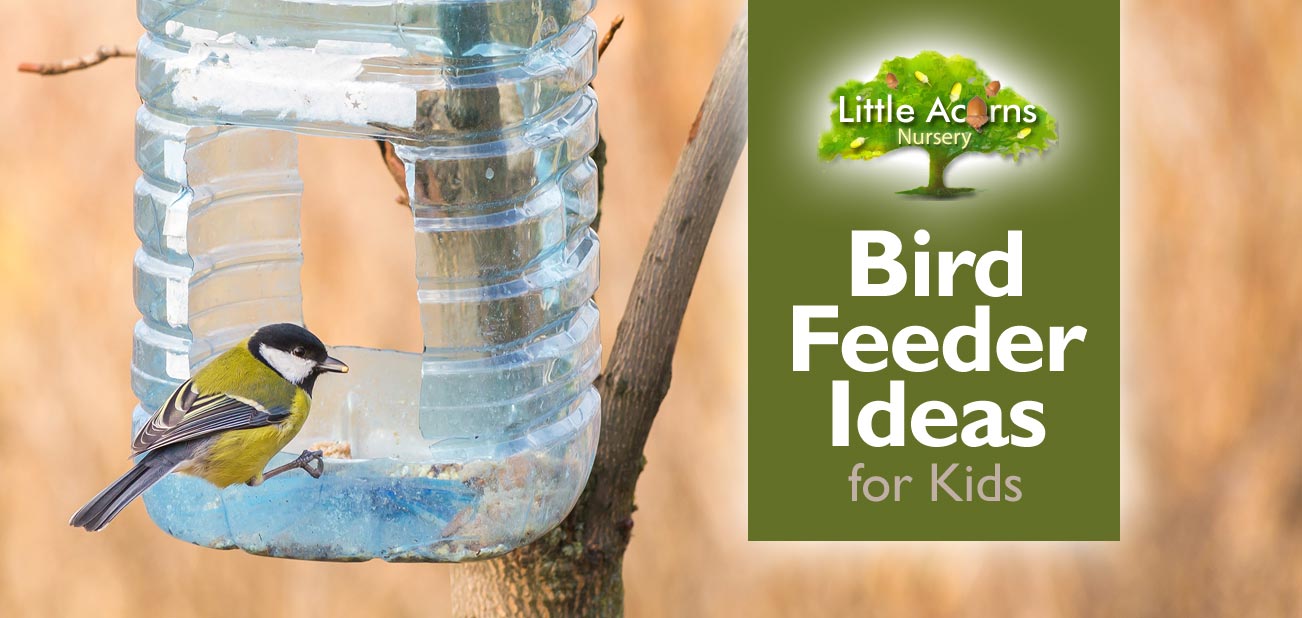
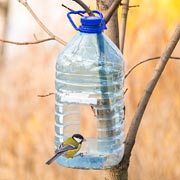 Making bird feeders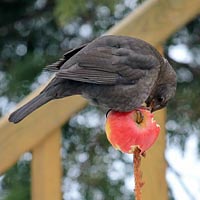
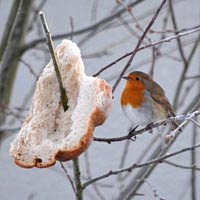
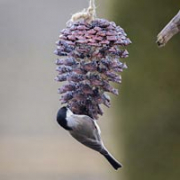
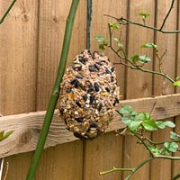 Seeded pine cone bird feeders
 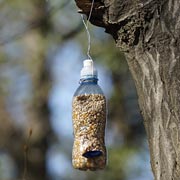 Water bottle bird feeders.
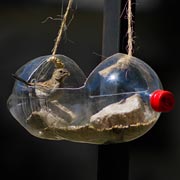 Then, they can be partly filled with bird seed, or perhaps grated Cheddar cheese. Alternatively you can see that some of the designs could be used for drinking water, for example the one shown immediately on the left or at the very top of this article. Another variation even has a plastic spoon pushed into it, forming a convenient perch for the birds to land on and to feed from (see right).
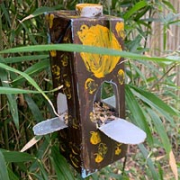 Carton bird feeders
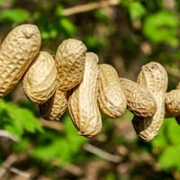 Monkey Nut Bird Feeders
 If using peanut butter in your home-made bird feeders, ensure it is fresh, has no salt or sugar added and is not ‘flavoured’. Smooth or crunchy peanut butter is great for bird-feeders, though, and you can even stick extra bird seed to it once it’s been spread on your feeder e.g. pine cone or apple. There are also some peanut butter brands made specifically for wild birds, by the way.
 Why Nature is So Important for Children
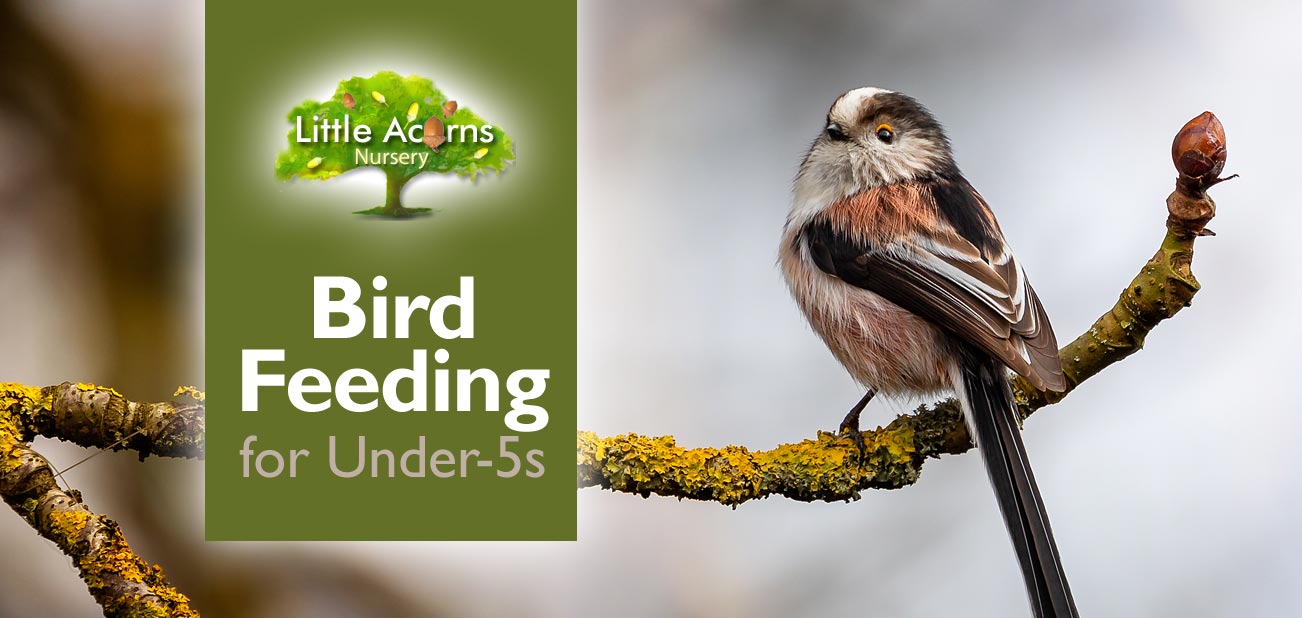
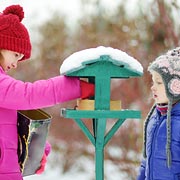
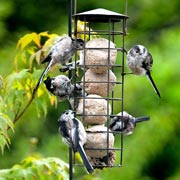
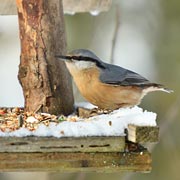 Providing food for birds is a win-win for everyone — humans and birds alike. Birds obviously get to eat much needed food without huge effort and children get to learn more about nature and perhaps individual bird visitors. (We even name our regulars! “Vern” is a tame blackbird, for example, having been named after a character in the famous movie Rain Man). By encouraging birds to visit, children will soon be able to recognise and name the different species of bird too, particularly if given some help from a parent or bird book. Visitors might include robins, blackbirds, blue tits, great tits, long-tailed tits (our favourite), thrushes, starlings and, if they’re lucky, more unusual, colourful birds like nuthatches, woodpeckers, bull finches and gold finches. As it gets colder, some species will travel to warmer countries to overwinter. For those that stay in the UK, however, food from a friendly young nature-lover will be a real lifeline.
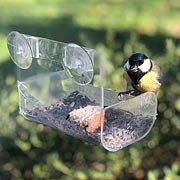 If children do get involved in feeding wild birds, they’ll soon begin to realise how delightful the little beings are. They each have their own character, likes and dislikes. Children will get to appreciate this if they keep up the feeding and the birds will soon realise where to find the food each day. Children will get to understand the importance of nature and learn skills like empathy, understanding and responsibility as they nurture the wellbeing of these beautiful wild visitors. Animals, birds and insects are all individuals and it’s good for children to recognise this. By feeding birds and other animals, they will also be able to continue to appreciate nature and the natural world, just like they do in our
 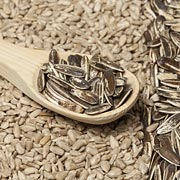 There are many bird feeders available to purchase in supermarkets and local shops, although we simply buy ours as part of our weekly online supermarket shop. Many are quite inexpensive. From fat balls and filled coconut shells, to seed cakes, hanging dispensers and pre-filled seed feeders, the variety available gives parents and children a huge choice. In our own garden, we have found that
 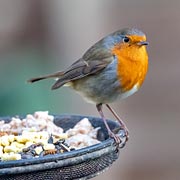 Grated Cheddar cheese (mild and in moderation) will be very popular. Robins, blackbirds, sparrows, starlings, pigeons and doves adore it! Mouldy or ‘blue’ cheese should be totally avoided, though, as the mould could harm or even kill birds. Meanwhile, bread will fill birds up but it doesn’t hold much nutritional value for them, so only feed bread to birds in moderation. It’s incredibly important not to feed them mouldy bread too, or for it to be left to go mouldy once outside. Mould can greatly harm or even kill birds.
 The RSPB provides
  Window recesses, higher windowsills and balconies will usually offer some kind of suitable site for feeding birds. Careful choosing of the site for your bird feeders is an important consideration, however, which could make or break your feeder’s success and the wellbeing of the birds you are trying to help.
 A Word About Hygiene for Your Family & the Birds
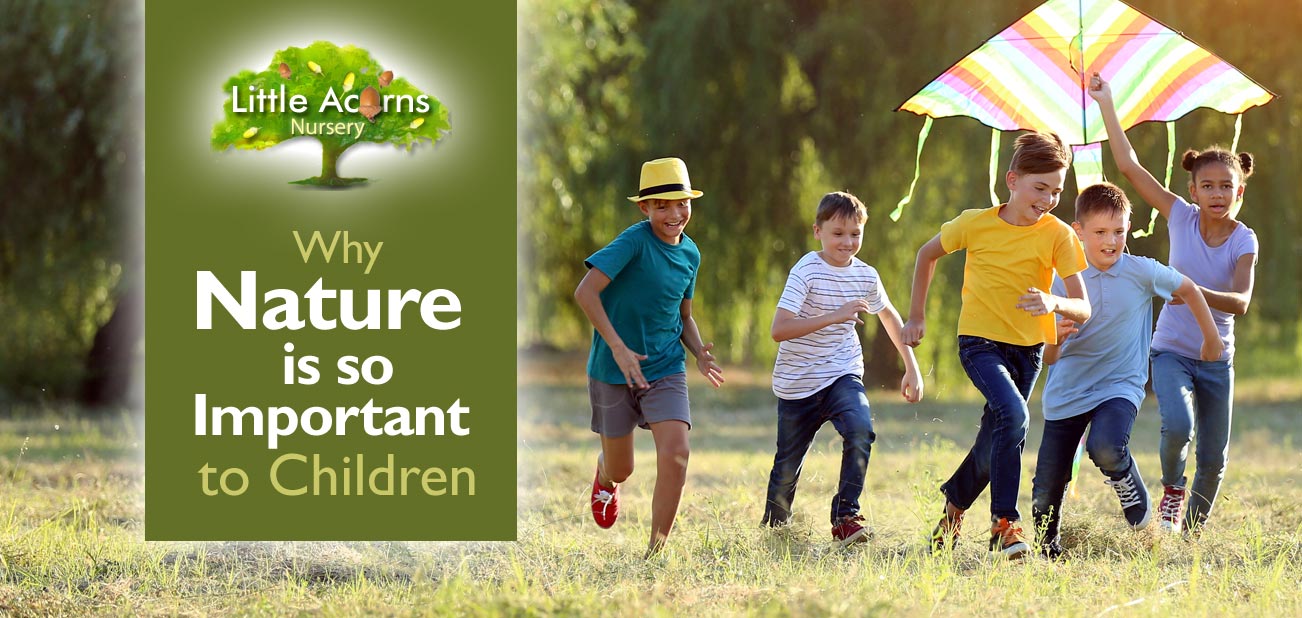
 Today we’ll look at the immense benefits of nature to children. While the long-term benefits of nature are reasonably well-known, it turns out short-term exposure to the natural environment also has1 clear benefits for people of any age. The benefits are even more beneficial, though, for young people during their early years, at school and in higher education.
 One of the wonderful things about nature is that immersing oneself in it need not cost a penny. With so many proven benefits, it just goes to show that the old adage that ‘the best things in life are free’ really is true when it comes to nature. Exposure to the natural environment and green surroundings has been shown to have clear benefits …
 The benefits of restored attention skills in themselves should not, of course, be overlooked. Interestingly, research6 involving cognitive tests on school children found that children who had undergone the tests after walking in a natural wooded environment were quicker to answer – and significantly more accurate in their answers – than those who had instead practised mindfulness in the classroom or who had spent time in the school playground during the break.
 Almost Endless Benefits to Children
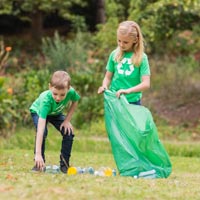 Greater empathy e.g. taking more care of other living things, plants, etc.;
 Just imagine, then, how much children benefit from nature when attending a Forest School setting such as that available at Little Acorns Nursery, Chorley. At Forest School, little ones will spend significant time in local green and wooded spaces, so these findings show just how important Forest School is for youngsters. Why send your child to an ordinary nursery, then, when you can send them to
 “Exceptionally Effective Observation & Assessment” of Children
 Outstanding Personal Development, Behaviour & Welfare