 As a condition that affects children’s reading and writing abilities, Dyslexia is something that can significantly hold little ones back. If not diagnosed and addressed in good time, it can have a knock-on effect that adversely affects the education and potentially whole lives of people affected. It’s therefore important to learn what to look out for so as to recognise the possible signs of dyslexia in children should they occur. With that in mind, today’s article explores the answers to frequently asked questions about dyslexia so as to explain what dyslexia is, how it affects children and adults, what to look out for, and what to do to mitigate its potentially harmful effects.
What is Dyslexia?
 Described back in the 19th century as ‘word blindness’, Dyslexia is a lifelong problem that primarily affects the ease with which a person can read (especially) as well as affecting other language-based skills like writing, spelling, and sometimes even pronunciation. As such, it has potential knock-on effects in a wide array of areas of people’s lives and can present daily challenges for those affected.
Dyslexia has neurodevelopmental origins and is recognised in the UK as a specific learning difficulty. It is not, however, linked in any way to a person’s level of intelligence — and we’ll illustrate just how true that is later in this article.
The term dyslexia, meaning “difficulty with words”, was first coined in 1887 by Rudolf Berlin. He was a German ophthalmologist and, during eye testing at his Stuttgart practice, noticed that some patients struggled to read printed words despite having no eyesight issues. This led him to propose that there could be a neurological reason for the condition.
How Common is Dyslexia?
Dyslexia is fairly common, with around 1 out of every 10 people in the UK being affected to varying degrees. However, not everyone with dyslexia receives a diagnosis and sadly this can make the challenges they face even more profound.
How Does Dyslexia Manifest Itself to Those Affected?
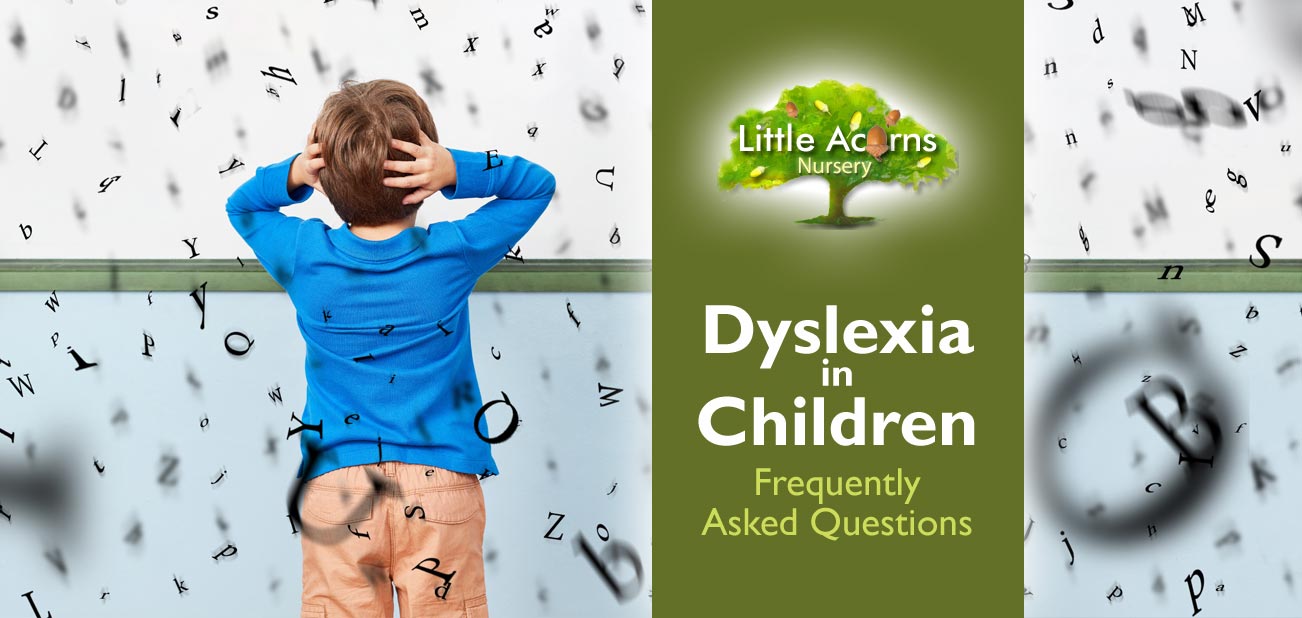
 Some people with dyslexia have described its effects as causing letters to jump around and words to jumble up. Others say that words blend together and even spaces between them can disappear. Individual letters and numbers can mix up and, for some, characters may seem incomplete. Sometimes, they are perceived in mirror form (so, for example, a “b” becomes a “d”) or are even perceived as being upside down (so, a “6” would be perceived as a “9”). Whatever the specific effect, the result is to make words unintelligible. Immense concentration is required to try to make any sense of them. Clearly, this presents enormous challenges to reading, writing, spelling, reading out loud, and even mathematics. The knock-on effect of all this is that reading and learning from books about any number of topics — including those in the curriculum — can therefore be hugely challenging and profoundly impactful.
Children with dyslexia may feel ‘different’ and perhaps isolated because of the condition. It’s therefore incredibly important to diagnose and help children with dyslexia as early in their lives as possible.
What are the Signs of Possible Dyslexia in Young Children?
 The signs of dyslexia vary from child to child and this, in itself, makes spotting the issue more tricky. That said, the most common signs of possible* dyslexia, specifically in children of pre-school and school age, relate to language-related difficulties. Examples include:
- lower than expected speech development (this can be detectable under five);
- difficulty learning the alphabet and a limited interest in trying to do so (again, potentially detectable under five);
- difficulties understanding the concept of rhyming words (again, this may be detectable under the age of five);
- mispronouncing multi-syllable words and jumbling the order of some, e.g. ephelant instead of elephant (potentially detectable under five);
- sometimes having trouble with verbal expression, e.g. difficulty finding the appropriate word to use (also potentially detectable under five);
- difficulty with phonics, poor phonological awareness, and poor word attack skills;
- difficulty recognising the sounds for individual letters;
- difficulty recognising sounds for combinations of letters found within words;
- being able to answer questions well verbally, but not very well in writing;
- difficulty with reading;
- poor handwriting, with inconsistent and unpredictable spelling.
There are also a few more ‘unexpected’ symptoms, seemingly not directly related to language, that might indicate possible dyslexia. Examples include:
- difficulty with the fine motor skills required to maintain a consistent rhythm, e.g. on a toy drum;
- struggling to remember the order of things like days of the week;
- struggling to follow the order of even a short list of instructions, but being able to complete the tasks if individual steps are provided separately, one by one.
* Note that exhibiting any of the above does not necessarily mean the child has dyslexia. There are several alternative reasons why such symptoms could possibly be displayed.
More details about possible symptoms of dyslexia, in both children and adults, can be found here.
Is Dyslexia Linked With Special Needs or Disabilities?
 Dyslexia is a specific learning difficulty. While some children affected have no additional limiting condition, some have additional problems. These can include dyscalculia, dyspraxia, ADHD, short-term memory issues, and issues with time management. We’ll aim to cover some of those topics separately, in future posts.
What is the Cause of Dyslexia?
The exact cause of dyslexia is not known although it has neurodevelopmental origins and often seems to run in families.
“It’s thought certain genes inherited from your parents may act together in a way that affects how some parts of the brain develop during early life.” — NHS
Studies show that the brain of children with dyslexia functions differently to those without it, so it is a neurodivergence of sorts. It’s fair to say that this specific ‘neurological difference’ is not fully understood by the medical and scientific communities — indeed until it is better understood, there will continue to be much debate around the topic, even among ‘experts’.
Can Dyslexia be Cured?
There is no known ‘cure’ for dyslexia. However, it can be managed and its effects can be mitigated significantly through early diagnosis and appropriate support. Indeed, children who receive such support often go on to be highly competent readers.
Is There a Link Between Dyslexia & Intelligence?
As we mentioned earlier, dyslexia is not linked to intelligence. This is borne out by the fact that many highly intelligent and successful people have the condition, including the famous scientist and theoretical physicist Albert Einstein. Indeed, the list of highly intelligent and successful people with dyslexia is massively long. To name just a few more, it includes Richard Branson, Pablo Picasso, Winston Churchill, John Lennon, Steve Jobs, Walt Disney, Leonardo da Vinci, Bill Gates, Tom Cruise, Steven Spielberg, Henry Ford, George Washington, Thomas Edison, Wolfgang Mozart, Stephen Hawking, plus a long list of additional celebrities, scientists, business entrepreneurs and artists.
Do Children With Dyslexia Have Any Superpowers?
As you can conclude by taking a look at the list of famous and highly successful people with dyslexia, those affected are often very creative and gifted in other ways. These often include creative verbal and/or visual skills and sometimes exceptional problem-visualisation and problem-solving skills.
“40% of self-made millionaires are dyslexic.” (dyslexicmum.co.uk)
How Can Children With Dyslexia Best Be Supported?
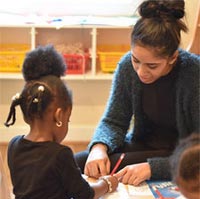 Where an issue like dyslexia is suspected, parents/carers should speak with their early years provider or school teacher to voice any concerns — and vice versa. The earlier an issue like dyslexia is spotted, the sooner measures can be implemented to help the child. Such early intervention is really important when reading and language are affected because they have such a snowball effect on other areas of learning. That said, it is more difficult to diagnose dyslexia in the pre-school years, as signs are not so obvious at such an early age. However, a few early signs may sometimes become evident as indicated in the early entries of our list of possible signs of dyslexia earlier in this article.
If a problem is suspected, it is worth visiting a GP with your child to check the potential issue isn’t caused by something completely different, for example, a sight or hearing issue. A dyslexic diagnostic assessment via an appropriate professional expert (e.g. an educational psychologist or qualified dyslexia specialist) is also an option.
If dyslexia is diagnosed a range of support options are available through such measures as a tailored learning and development plan, involvement of the child’s special educational needs co-ordinator (SENCo), special resources and perhaps the help of external specialists. More details about a professional assessment, diagnosis, and even options like Educational Health & Care (EHC) plans, are available here.
For a comprehensive, stand-alone overview of the ways in which early years childcare settings like Little Acorns Nursery can support children with dyslexia, one or more Specific Learning Difficulties (SpLD), or Special Educational Needs & Disabilities (SEND), read our article Help for Children with Special Educational Needs & Disabilities (SEND) here. In the future, we may also follow up today’s article with a separate one explaining in more detail the specific support measures that parents and early years/school professionals can take to help dyslexic children.
The Best Start for Your Child in Clayton-le-Woods, Chorley
Little Acorns — An Outstanding Childcare Nursery in Central Lancashire

 It’s natural for parents and carers to want the best nursery for their child. Rest assured, Little Acorns is an outstanding childcare nursery. Indeed, we are recognised by Ofsted as an “Outstanding Provider”, so you’ll know your child is in safe and capable hands when you choose Little Acorns for your weekday childcare.
We are located in Clayton-le-Woods, Chorley, in Central Lancashire. Families in nearby towns and villages may also find Little Acorns Nursery convenient, for example, those living in Clayton Brook, Clayton Green, Thorpe Green, Pippin Street, Buckshaw Village, Whittle-le-Woods, Farington, Bamber Bridge, Lostock Hall, Euxton, Leyland and Penwortham.
Contact us today to register your child for a nursery place, arrange a tour of the setting, or for answers to any questions that you might have:


 One of the key tasks all tots must face, in tandem with parents, is potty training. It’s something we all had to master as toddlers and therefore we know it’s 100% achievable — despite it sometimes seeming to be rather a challenge. Achieving success, though, will improve the quality of life for the child, the parent, and other guardians involved in the child’s care. Learning to master the use of the potty and later the toilet will also be a major boost to self-confidence and independence when the child is at nursery, preschool, and later school. With that in mind, today’s guide outlines our top tips for successful potty training.
 Children become ready for potty training at different times — every child is different in that respect, with some starting as early as 18 months and others not training until the age of 3. That said, the majority of little ones begin potty training between the ages of 2 and 3. There are some signs to look out for that will help parents decide when the time is right and we’ll look at those below.
 Ensuring children understand the language around toileting is helpful, of course. So, it’s healthy to help children learn the various terms involved, whether talking about a potty, wee-wees, or anything else. Learning appropriate words will empower children to ask for what they need, at appropriate times.
 Potties with designs that are attractive to toddlers e.g. dinosaurs, licensed TV characters etc.
 Only start potty training when your child shows signs that they’re ready. (See the When Should You Begin Potty Training? section above for details).
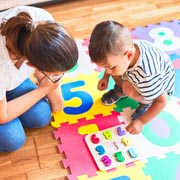 Today, we look at how early years childcare providers like Little Acorns Nursery can help children under five if they have special educational needs and disabilities. This is often referred to as ‘SEND’ or in longer forms like ‘SEN and disabilities’. Let’s explore the topic to get an overview of some of the help available.
 Actually identifying an area of special need or disability is, of course, the first, crucial step in being able to help a child. If an area of special need is suspected, early years providers can work with parents and sometimes other professionals, for example health visitors, speech and language therapists, paediatricians and so on. Involving such professionals will help with any diagnosis.
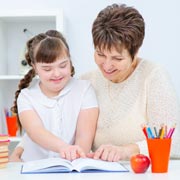 This is important. Early years providers can create an inclusive environment that welcomes and supports children of all abilities. Encouraging the inclusion of children in social groups and in the making of friends, for example, is of huge benefit to children’s well-being. Childcare settings can also provide special equipment or adapt the environment to make it more accessible for children with specific physical needs.
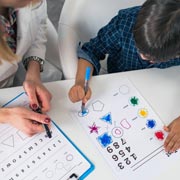 Early years providers like Little Acorns Nursery adapt the individual learning and development plans and activities to suit each child. In this way, they’re custom-designed to meet the needs of every child individually, including those with special needs. This is done as a matter of course as part of
  Later, each child will similarly have an ‘EYFS profile’ completed during the final term of reception year. However, as we’re focusing this article on children under five, we’ll not go into detail about that here.
 It may be useful for parents and carers to note that local authorities have a duty to publish what’s known as a ‘Local Offer’. This outlines the help available in the area for children with SEND, including how to access that support.
 and that’s just one of many reasons why little ones should be encouraged to learn about sowing seeds and growing their own plants. Today, we’re taking that a step further by explaining how children can grow plants that will give them real, edible food! With a little planning, care and effort, children can grow herbs, vegetables and even fruit if they put their minds to it. What’s more, it’s possible without a garden and needn’t cost a penny!
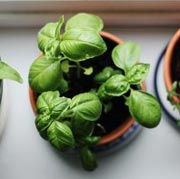 That will never be more evident than when a seed has grown into a plant that bears fruit, which contains more seeds, through which the whole process can start again.
 Seeds for herbs, vegetables and microgreens are all widely retailed in places like garden centres and even some supermarkets. Each seed packet will usually explain when and how seeds can be planted. This is perhaps the most obvious way for children to grow plants that, if all goes well, result in a healthy crop of food. However, we can be far more adventurous than that! Where is the fun in buying seeds in packets when children can get them for free? Let’s take a look at some cheaper and far more creative ways that children can start things off.
 “Free” you say? Well, pretty much! Next time you have some shop-bought tomatoes and/or peppers as part of your ordinary shopping, get your little one to take a few moments to save some of the seeds. These are found within things like tomatoes, before they’re eaten, and are usually discarded in the case of peppers. Such seeds can simply be spaced out on some compost or earth, watered in and a thin layer of soil or compost added on top. If these are left on the windowsill and the earth kept moist by the child over the coming days, little seedlings will soon start to appear.
 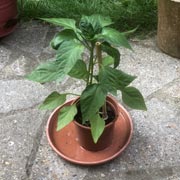 The image of the green plant shows our pepper seedling grown in this exact way — and it was incredibly easy to achieve. Ours is about 3 or 4 weeks old and it’s just about ready to be “planted out” outdoors, to mature. Once mature, they should flower then sprout some new peppers! It’s identical for tomatoes. If children have no garden for larger plants to be transferred to, ‘grow bags’ or any kind of suitable container can be used on a patio or balcony. Children will need to keep watering them every day, to keep the soil moist. Flowers will eventually appear and, with a little help from bees and insects, will be pollinated so that they eventually ‘fruit’. If appropriate care and attention continues, your child will eventually end up with vegetables that can eventually ripen and be eaten. That’s free tomatoes and peppers for the family, in our examples. Don’t forget to remind your child to save a few more seeds, though, so they can repeat the whole process again … and again!
 Does your little one know that he/she can grow new herb plants totally free of charge? This is done simply by clipping cuttings from your usual shop-bought herbs and leaving them in water to root. It’s incredibly easy so long as the child has some patience (that’s another useful lesson for them). All the child needs to do is to save some small (3 or 4 inch long) cuttings from the tips of herbs like basil or coriander. For safety, parents/carers may need to help with the cutting part if the children are very young.
  The bottom sections of the clipped cuttings should be dangled into a glass, small bottle or other suitable vessel of water and left over a period of days until they sprout roots. See the photo for an example. A clear water vessel, e.g. drinking glass, will allow your child to clearly see the roots. Once suitably long, these new little plants can be transplanted individually into compost/soil in something like flower pots — or indeed a free, recycled alternative like a yoghurt pot. The little ones will need to continue attending to the plants with regular watering so that the herbs grow and mature. This activity can all be done indoors on a windowsill too, so requires minimal space. Growing their own herbs may even make children more inclined to eat them!
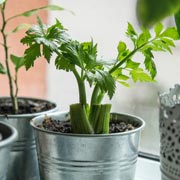 Another ridiculously easy way to grow food is to “re-grow” it. A classic example of this is to save the root section from a salad vegetable like iceberg lettuce or celery. This is the part of a shop-bought vegetable that would normally be cut off and discarded. However, in what has to be the easiest food growing activity of all, the child simply needs to keep that root section and leave it root down in water for 1 to 3 weeks. It will eventually grow some roots but, before that, the upper tip will start to sprout new leaves. In our own test using an iceberg lettuce we ended up with loads! That is new, free salad that can be later harvested and eaten. Simple!
 (Speaking of iceberg lettuces): Excuse the pun, but the ideas above are just the tip of the iceberg! There are so many other types of vegetable and fruit that children can grow (or re-grow) for next to nothing. For example, they can grow new apple trees from apple pips and new strawberry plants from the outside skin of strawberries. And the whole topic of