In last month’s article about bird feeding for under-fives, we promised to follow up with a post showing ideas for bird feeders that children can make at home. So, that’s what we’ll look at today.
 Making bird feeders
 Making bird feeders
 Making bird feeders is a fun activity for children, it’s creative, educational, teaches children new skills and gets children more in tune with nature. What’s more, making home-made bird feeders is pretty easy. It’s an inexpensive activity. It’s also great for the local birds, who get to eat much-needed extra food and that’s especially important during Winter. That’s a time when most other natural food sources for wild birds are in very short supply and the birds are burning calories just to stay warm. All in all, making home-made bird feeders and feeding birds during the colder months is an excellent activity for young children — and indeed for everyone!
So, take a look at a few easy-to-accomplish home-made bird feeder ideas below. However, young children should be supervised by a responsible adult at all times during both the making and locating of the bird feeders — health and safety comes first! There are also some guidelines included for the safety and wellbeing of the birds.
Apple Bird Feeder – Simple!
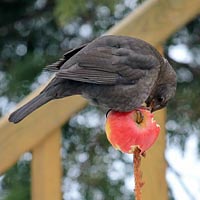
We’ll start with one of the most simple bird feeders: with adult supervision, children can be shown how quick and easy it can be to attract birds to the garden just by threading a nice apple onto a strong twig on a tree or onto the tip of a bamboo stake, or alternatively dangling it from a branch using a loop of string. Perhaps start the apple off by removing some of the skin in one or two sections, so birds can see the ‘flesh’. Before long, species like blackbirds, in particular, are likely to show an interest and be amongst the first to start nibbling them.
Children need to be patient; birds and wild animals instinctively wait a while before trusting new things that have appeared in the garden or anywhere outside. Patience is a great skill for them to develop, though, so this is another great lesson for them.
Important: only put out as much food as is likely to be eaten over just a day or two, otherwise it can go mouldy and that’s terribly dangerous for birds (it can even kill them).
Or Use Bread – But With a Warning
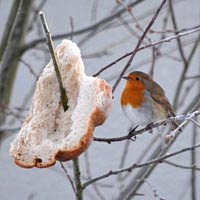
Children can alternatively use a chunk of bread (ideally wholemeal, seeded and non-stale) but first read our warning below if going this route:
Warning: although bread is a popular choice for feeding birds, it’s actually not that great for them, particularly if it’s white bread and lacking in any visible seeds. It’s also dangerous for birds if it goes mouldy, which is why we say above that only small amounts that will be eaten within a day should ever be put out for the wild birds. So, in truth, any of the other food types mentioned in this article are far better for birds than bread.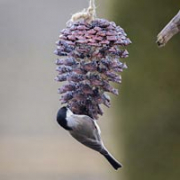
Although bread is a popular choice for feeding birds, it’s actually not great for them.
Seeded pine cone bird feeders
 Seeded pine cone bird feeders
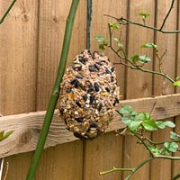
 These are fun and simple for children to make. The pine cones can be foraged from local woods and the best ones will be ‘open’ rather than ‘closed’, so that there’s somewhere that bird food can be pressed into. Children can simply spread peanut butter2, suet or lard1 all over the pine cone, pressing it in between the many seed scales that protrude from the open cone. Once covered, the entire thing can be rolled in bird seed and this will stick. The seed-covered pine cone can then be hung outside for the birds using some string, somewhere suitable (we wrote about the best location for bird feeders here).
1. A Word About Lard & Suet
Only use proper beef suet or pure lard that’s hard at room temperature even when it’s quite warm. Proper suet (from cows) is good for them as they need saturated fats and it does lend itself to the making of seed cones, seed balls and even simple seed cakes in plastic flower pots or cleaned yoghurt pots. However, if you use a type that’s going to melt in the sunshine, then it could actually do terrible harm to birds. So, ensure you are always only using proper beef suet or pure lard that’s hard and does not leave an imprint if squeezed – suet, for example, should be hard and should crumble when handled. Avoid softer fats and so-called suets that may be ‘faked’ through the use of additives to make them appear harder.
Water bottle bird feeders.
 Water bottle bird feeders.
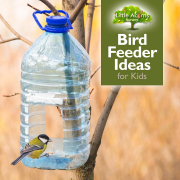
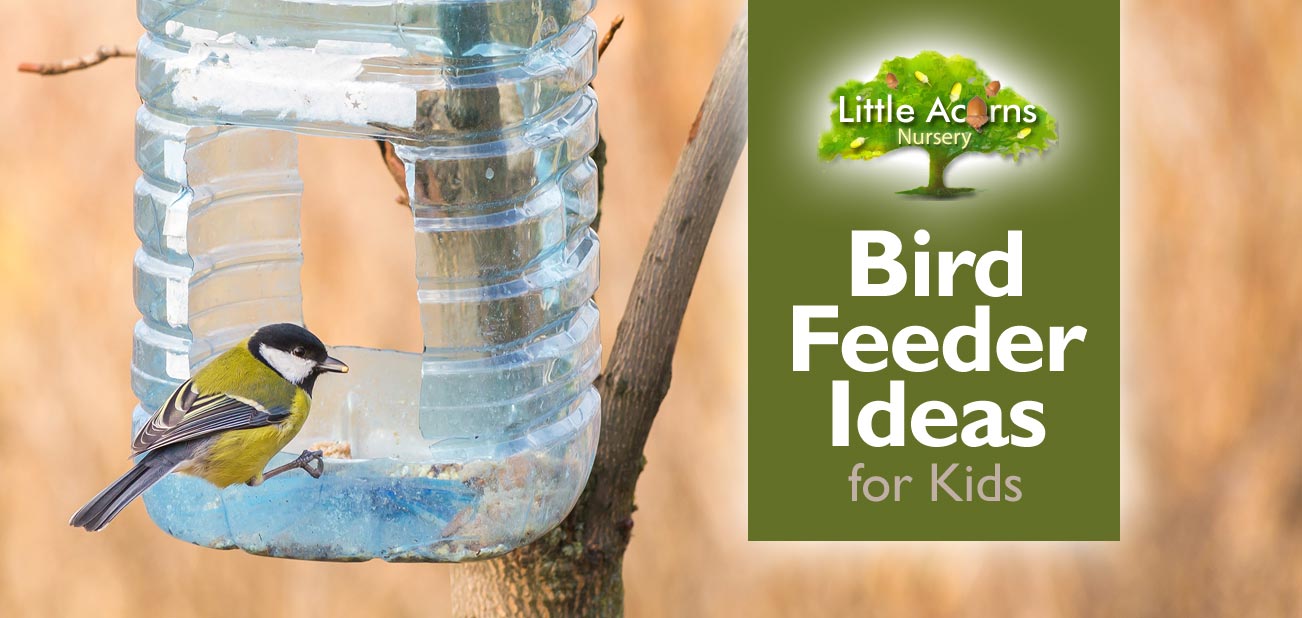
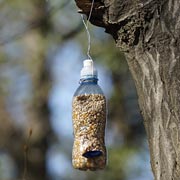
These are quick and easy to make, great for birds, and also teach children how easy it can be to recycle or repurpose something that would normally be discarded. As you can see from the photographs, empty plastic bottles can be made into excellent bird feeders in a variety of ways. All that’s needed is string at the top to hang them and a suitable hole, which can be cut using scissors or a knife (it’s safest for a responsible adult to do the cutting). 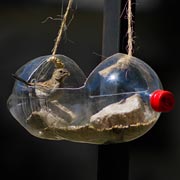 Then, they can be partly filled with bird seed, or perhaps grated Cheddar cheese. Alternatively you can see that some of the designs could be used for drinking water, for example the one shown immediately on the left or at the very top of this article. Another variation even has a plastic spoon pushed into it, forming a convenient perch for the birds to land on and to feed from (see right).
Carton bird feeders
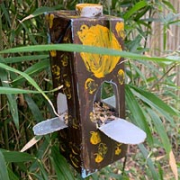 Carton bird feeders
These are similar in approach to bottle feeders, but are made from adapted milk or fruit juice cartons (washed before repurposing, of course). Once again, a responsible adult can help children with the cutting part, for safety. Carton bird feeders can be more creative than water bottle feeders because they’re a little easier to cut and also they can be decorated more easily, for example with paint as shown in our example (right).
Monkey Nut Bird Feeders
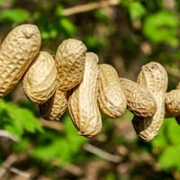 Monkey Nut Bird Feeders
These are another very simple type of home-made bird feeder that children can make. As you can see from the photograph, all that needs to be done is for the monkey nuts to be threaded together to form a ‘string’ that can be hung in a tree or from one bush to another. Larger birds and some tits (plus a few squirrels) will find it easy to bite through the outer husk to get to the peanuts inside. Use unroasted monkey nuts, though, for reasons we’ll explain in the next section.
2. A Word About Peanuts, Monkey Nuts & Peanut Butter
When it comes to any type of peanut-based bird food, you have to be careful and follow a few simple rules.
- If using peanut butter in your home-made bird feeders, ensure it is fresh, has no salt or sugar added and is not ‘flavoured’. Smooth or crunchy peanut butter is great for bird-feeders, though, and you can even stick extra bird seed to it once it’s been spread on your feeder e.g. pine cone or apple. There are also some peanut butter brands made specifically for wild birds, by the way.
- When it comes to peanuts and monkey nuts (peanuts still in their cases), ensure they’re unroasted and break a few open to check they’re fresh and that there is no mould/fungus between outer skin and the actual peanut. Aflatoxin is something that can greatly harm birds and this can be found in any fungus present. Never use them if you find any affected by this fungus; it harms humans too, as it’s a carcinogen.
- Remember too, to only put out as many peanuts as will be eaten in a day or two maximum, so as to avoid mould build-up, and keep your store of nuts clean, hygienic and dry. Finches, nuthatches, woodpeckers and several varieties of tits will be likely to visit — peanuts are very popular!
- During breeding season (spring/summer) it’s best not to put out whole nuts for the birds. Parent birds may try to feed them whole to their offspring and chicks are likely to choke on them. So, avoid whole peanuts in warmer months or simply crush them into much smaller pieces to be safe.
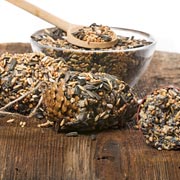 If using peanut butter in your home-made bird feeders, ensure it is fresh, has no salt or sugar added and is not ‘flavoured’. Smooth or crunchy peanut butter is great for bird-feeders, though, and you can even stick extra bird seed to it once it’s been spread on your feeder e.g. pine cone or apple. There are also some peanut butter brands made specifically for wild birds, by the way.
Read more about the types of bird food that we’ve found to be really popular with our own local birds here — choosing the right food can make a massive difference to the success of your bird feeders. Read more about the best places to site your home-made bird feeders here. And don’t forget about hygiene, which is important for both humans and the birds.
Why Nature is So Important for Children
 Why Nature is So Important for Children
Nature is one of life’s magical pleasures and teaching children to feed birds is a great way to introduce them to the natural world and some of the lovely creatures in it. Nature has so many benefits for children. It teaches them about empathy, about being responsible, demonstrates that it’s important to think about others, and so much more. Learn more about the benefits of nature to children here.
We hope you and your family give some of the ideas on this page a try. Making bird feeders will teach children new skills and introduce them to new facts about the world too. Hopefully, you’ll all soon get to know some of the regular birds that visit your neighbourhood and your child will begin to recognise and name individual species. And, as we said in our last post, teaching children about nature from a young age has been shown to make them more inclined to live greener lifestyles as adults.
Nature at Our Clayton-le-Woods Nursery & Forest School
 Little Acorns is an outstanding Nursery in Clayton-le-Woods, Chorley. As well as being a nursery and pre-school, it’s also a Forest School for under-fives, where children can learn about nature, the natural world, and about themselves. Our Ultimate Guide to Forest School explains more, so take a look if you’d like your child to benefit from everything a Forest School has to offer. Please contact us if you have any questions, if you’d like to visit the setting or if you’d simply like to reserve a place for your child. We’re based in Clayton-le-Woods so are also very near to Clayton Green, Clayton Brook and Chorley in Central Lancashire.
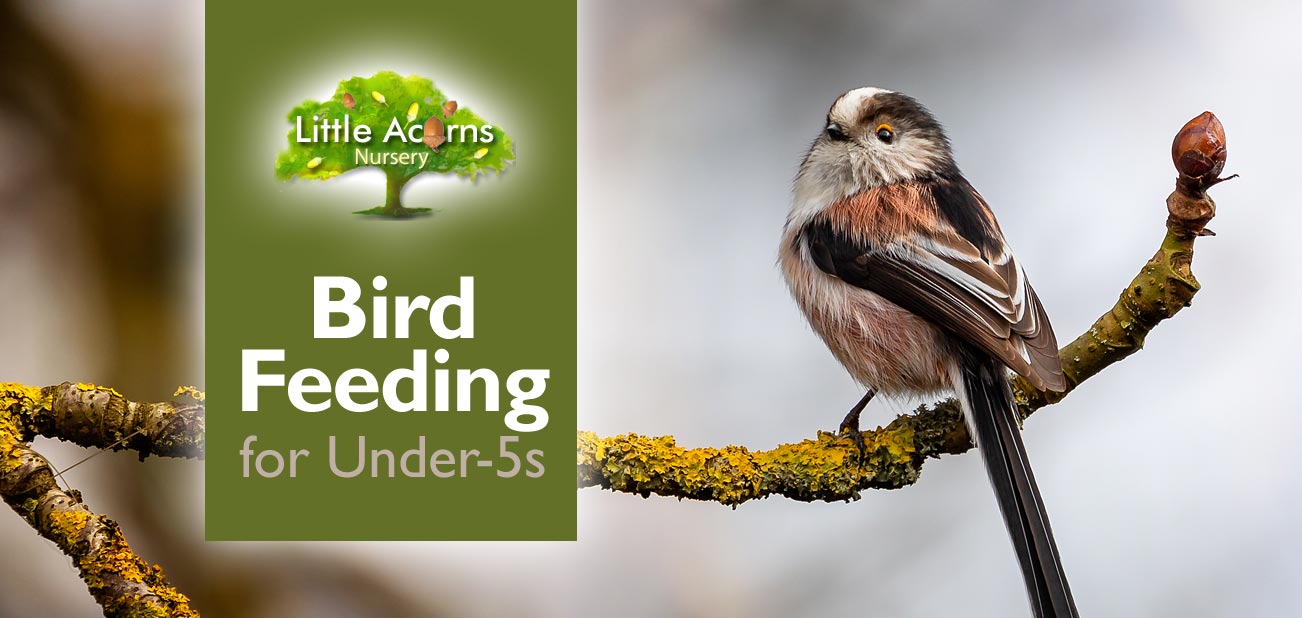
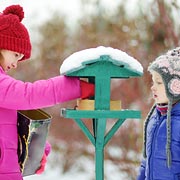
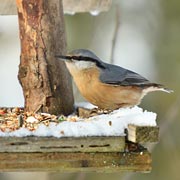 Providing food for birds is a win-win for everyone — humans and birds alike. Birds obviously get to eat much needed food without huge effort and children get to learn more about nature and perhaps individual bird visitors. (We even name our regulars! “Vern” is a tame blackbird, for example, having been named after a character in the famous movie Rain Man). By encouraging birds to visit, children will soon be able to recognise and name the different species of bird too, particularly if given some help from a parent or bird book. Visitors might include robins, blackbirds, blue tits, great tits, long-tailed tits (our favourite), thrushes, starlings and, if they’re lucky, more unusual, colourful birds like nuthatches, woodpeckers, bull finches and gold finches. As it gets colder, some species will travel to warmer countries to overwinter. For those that stay in the UK, however, food from a friendly young nature-lover will be a real lifeline.
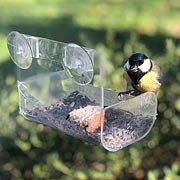 If children do get involved in feeding wild birds, they’ll soon begin to realise how delightful the little beings are. They each have their own character, likes and dislikes. Children will get to appreciate this if they keep up the feeding and the birds will soon realise where to find the food each day. Children will get to understand the importance of nature and learn skills like empathy, understanding and responsibility as they nurture the wellbeing of these beautiful wild visitors. Animals, birds and insects are all individuals and it’s good for children to recognise this. By feeding birds and other animals, they will also be able to continue to appreciate nature and the natural world, just like they do in our
 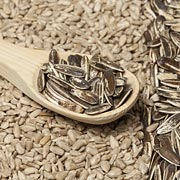 There are many bird feeders available to purchase in supermarkets and local shops, although we simply buy ours as part of our weekly online supermarket shop. Many are quite inexpensive. From fat balls and filled coconut shells, to seed cakes, hanging dispensers and pre-filled seed feeders, the variety available gives parents and children a huge choice. In our own garden, we have found that
 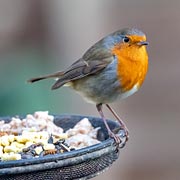 Grated Cheddar cheese (mild and in moderation) will be very popular. Robins, blackbirds, sparrows, starlings, pigeons and doves adore it! Mouldy or ‘blue’ cheese should be totally avoided, though, as the mould could harm or even kill birds. Meanwhile, bread will fill birds up but it doesn’t hold much nutritional value for them, so only feed bread to birds in moderation. It’s incredibly important not to feed them mouldy bread too, or for it to be left to go mouldy once outside. Mould can greatly harm or even kill birds.
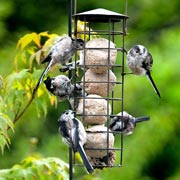 The RSPB provides
  Window recesses, higher windowsills and balconies will usually offer some kind of suitable site for feeding birds. Careful choosing of the site for your bird feeders is an important consideration, however, which could make or break your feeder’s success and the wellbeing of the birds you are trying to help.
 A Word About Hygiene for Your Family & the Birds
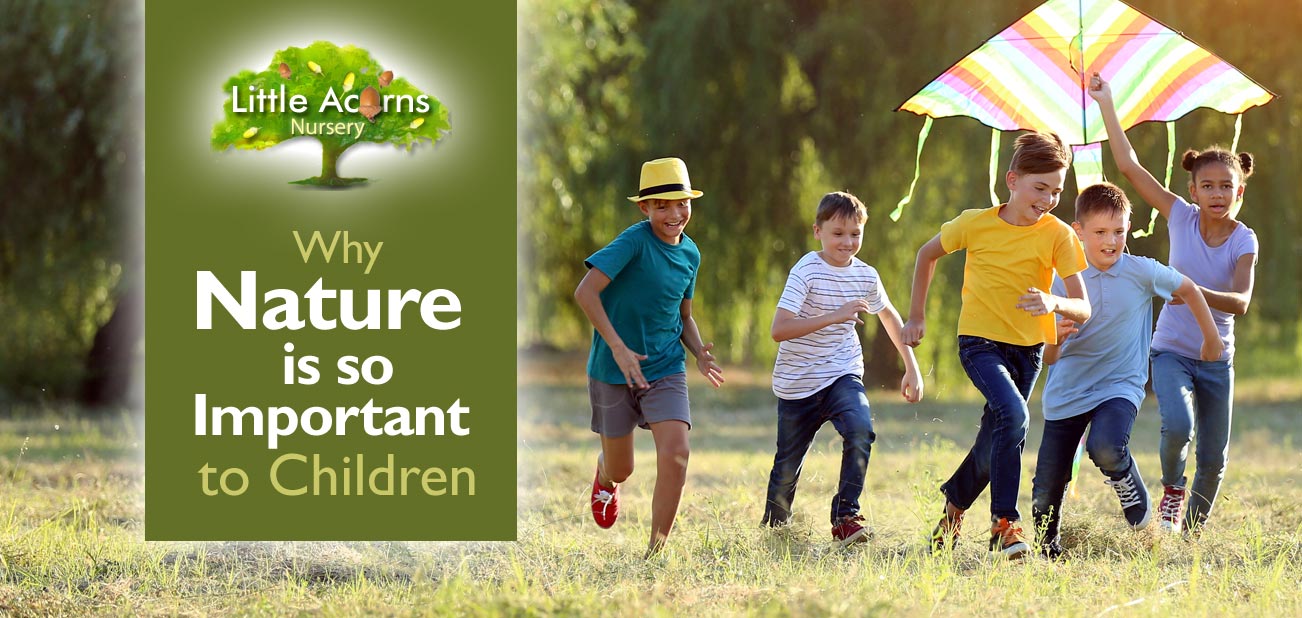
 Today we’ll look at the immense benefits of nature to children. While the long-term benefits of nature are reasonably well-known, it turns out short-term exposure to the natural environment also has1 clear benefits for people of any age. The benefits are even more beneficial, though, for young people during their early years, at school and in higher education.
 One of the wonderful things about nature is that immersing oneself in it need not cost a penny. With so many proven benefits, it just goes to show that the old adage that ‘the best things in life are free’ really is true when it comes to nature. Exposure to the natural environment and green surroundings has been shown to have clear benefits …
 The benefits of restored attention skills in themselves should not, of course, be overlooked. Interestingly, research6 involving cognitive tests on school children found that children who had undergone the tests after walking in a natural wooded environment were quicker to answer – and significantly more accurate in their answers – than those who had instead practised mindfulness in the classroom or who had spent time in the school playground during the break.
 Almost Endless Benefits to Children
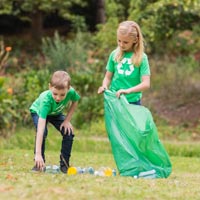 Greater empathy e.g. taking more care of other living things, plants, etc.;
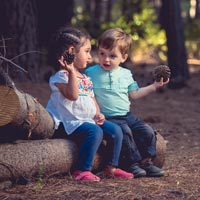 Just imagine, then, how much children benefit from nature when attending a Forest School setting such as that available at Little Acorns Nursery, Chorley. At Forest School, little ones will spend significant time in local green and wooded spaces, so these findings show just how important Forest School is for youngsters. Why send your child to an ordinary nursery, then, when you can send them to
 Children living in England are very fortunate to have their early years childcare supported financially by a variety of Government funding schemes. The 3 most important, popular and widely-available schemes are:
 Let’s look at each of the schemes …
 Taking the above scheme a step further, eligible families are able to top up the standard 15 hours per week with an additional 15 hours of free childcare in specific circumstances. In effect, this can double the child’s free childcare hours from the standard 570 hours to 1140 per annum. These are usually taken as 30 hours per week over 38 weeks although, again, some childcare settings may be able to be flexible and to spread the hours out in a different way.
 Under certain circumstances, children aged just two can have some of their childcare funded by the Government too. However, it’s much more restrictive for this age group. If successful, though, the Government will fund up to 570 hours of childcare for a two-year-old over the course of a year — that’s significant and could really help mothers or stay-at-home fathers get back to work sooner. As with the 3 & 4-year-olds, the 570 hours is usually taken as 15 hours per week over the course of 38 weeks, but some parents may wish to ask their childcare provider if it’s possible to spread it out in a different way.
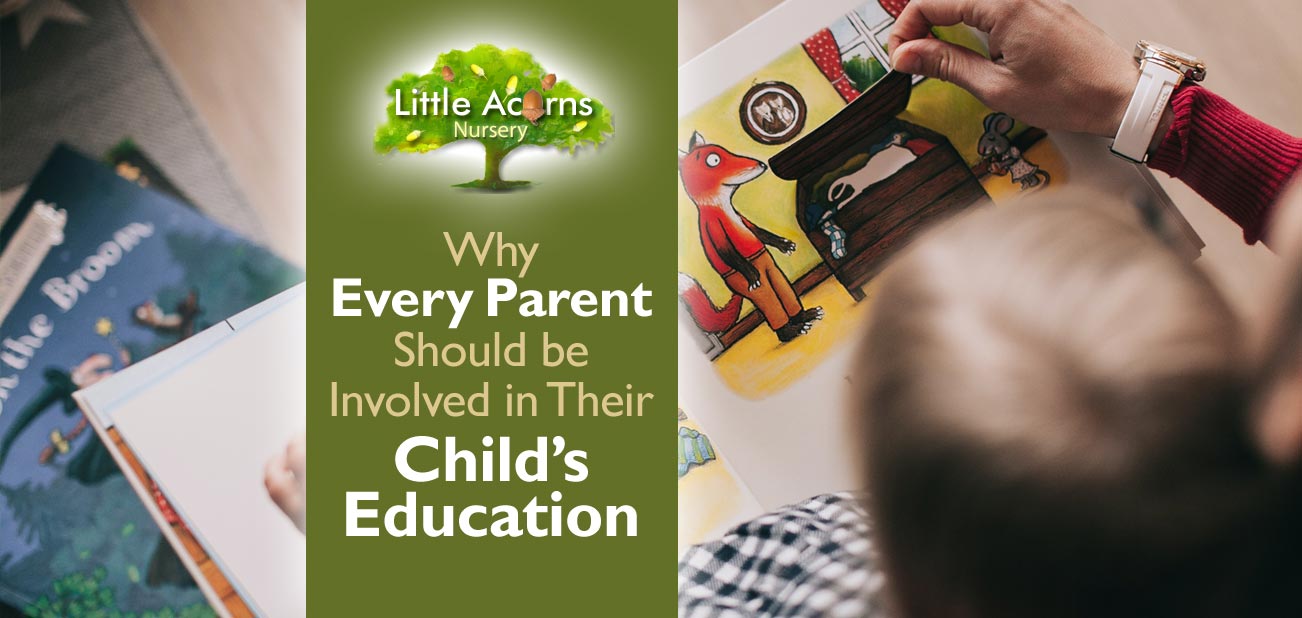
 Indeed, parents can be thought of as key to their children’s success, if they support children’s education in the right ways. We’ll go through exactly what that means, along with some of the many benefits, in this article.
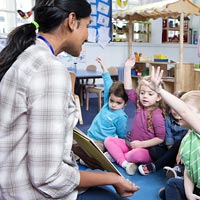 Parents of successful, grade A students, will generally also have engaged with staff at nursery/pre-school and school. That includes at parents’ evenings, of course, but parents should also be fully abreast of their child’s progress at every point in between. Parents and staff need to talk and feed back to each other about each child under their care and, indeed, that’s exactly what we do at Little Acorns Nursery. This, and a personal development progress folder for every child, is all part of the EYFS curriculum at the nursery in fact. In this way, parents and staff can each see the bigger picture and identify where successes are happening for the child, or where more work is needed — including at home.
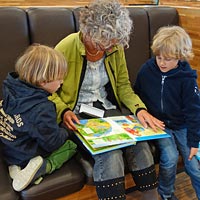 Parents can help children with homework too, of course. They can explain things that the child is perhaps confused or unclear about, in an unrushed, relaxed home environment. Parents can work through their approach to finding answers to questions and explain how they arrived at those answers. This, too, is like gold dust to an otherwise struggling child. It’s one of the reasons why the human race itself has come such a long way — through shared information.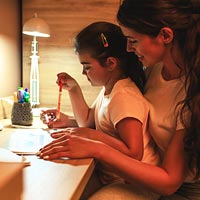
 • In turn, that ultimately leads to better careers as adults, with higher rates of pay.
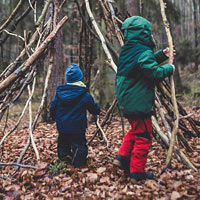 Little Acorns Nursery offers Forest School sessions and, indeed, was the first childcare setting in the Chorley area to offer them. Many parents understand that ‘Forest School’ offers children outdoor discovery sessions where they can explore nature and all that the Great Outdoors has to offer. However, what’s it really about? What is the ethos behind it? How did it come about and what is its history? Perhaps most importantly, what are its benefits to children? Here we’ll answer all those questions and more, in our Ultimate Guide to Forest School.
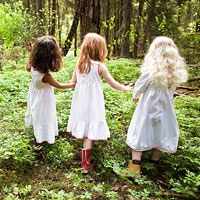 The biggest influence, however, came from Scandinavia and the play-based, child-centric educational system of Denmark’s outdoors (‘friluftsliv’) approach to early years education. Their revolutionary outdoor system was hugely successful, so nursery staff from Bridgewater College in Somerset visited Denmark to see it in action for themselves. They were so impressed that they founded the first Forest School, following their return to the UK, in 1993.
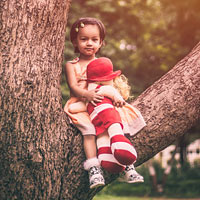 With a focus on nature and the natural world, Forest School sessions take place outdoors, ideally in natural, woodland settings. If that’s not possible, natural areas containing trees would be the next best setting, although more urban locations may necessitate the use of school grounds if no woodlands are available locally. In that scenario, practitioners would bring in natural materials such as sticks, logs, fir cones and so on.
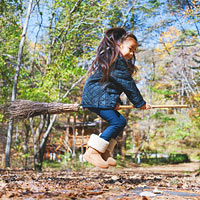 Forest Schools focus on each child’s individual interests, skills, preferences and needs as well as balancing them with those of the whole group. Indeed, this builds a community that’s immersed in this natural environment, learning from it and also from one another. Play is a huge part of this and, as always, ensures that learning is immense fun.
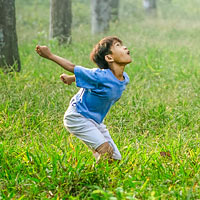 Nature teaches children so much — about flora, fauna and the make-up of the world (of course); but it also teaches children about themselves. Children will learn or discover new hard and soft skills when out in the natural world. They’ll discover skills that they didn’t know they had. Leadership, critical thinking, team-working and problem-solving are just a few examples.