
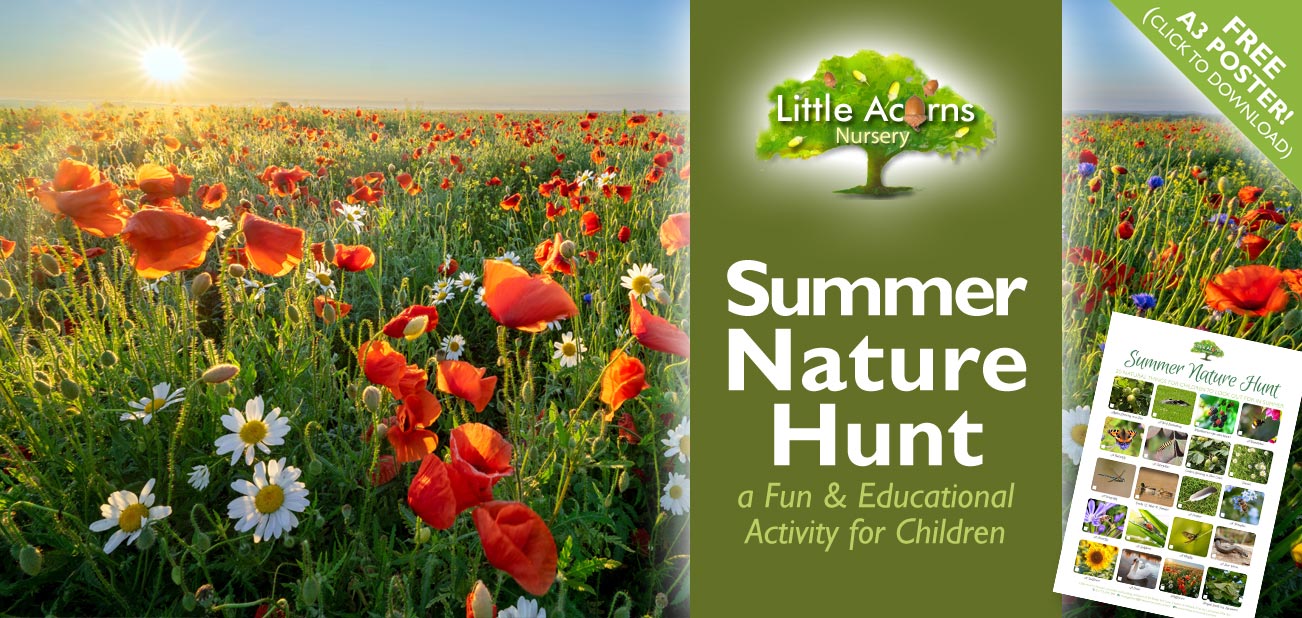
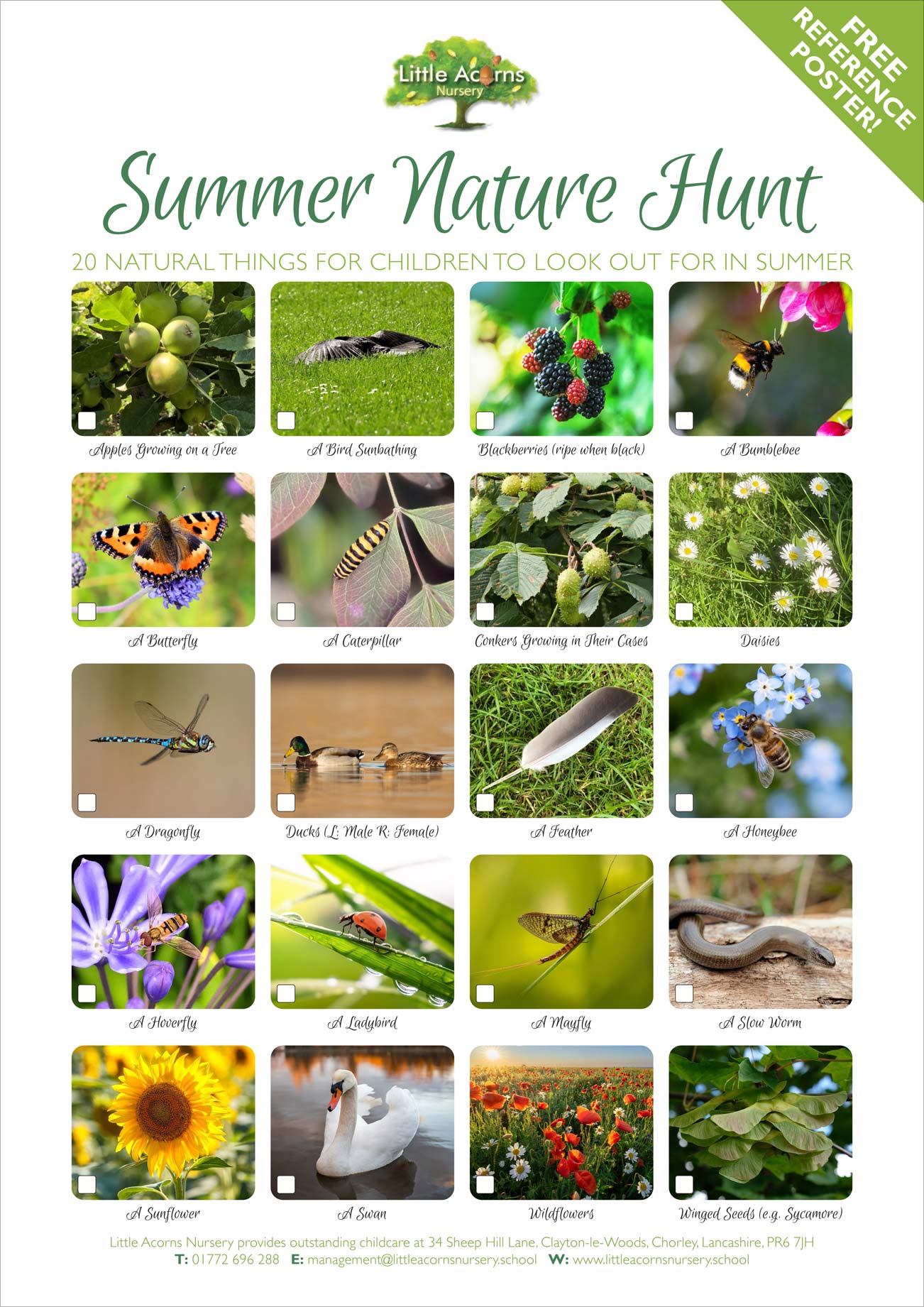
 Summer is a wonderful time for children to get outdoors. There, they can breathe the fresh air, benefit from being closer to the natural world, and escape from electronic screens. Nature is incredibly good for children as well as adults (more about that later). A simple way to encourage little ones outdoors is to take them on an exciting and educational nature hunt! There are many fascinating things to look out for during the summer months including butterflies, caterpillars, bees, beautiful wildflowers and much more. A summer nature hunt will open their eyes and minds to the wonders of nature’s flora and fauna, lead to educational conversations with accompanying adults, and be an enjoyable and educational activity. Within all that in mind, we’ve put together a free Summer Nature Hunt poster that will give children and families an idea of what to look out for during the warmer months of summer — and serve as useful visual reference. The poster is free to download right here in this blog post (see below). Once printed out, it can be displayed large on children’s bedroom walls or taken along during the activity — perhaps reduced to a convenient size like A5. Children can use the little tick boxes to tick off each item that’s been spotted. So, venture out little ones — see how many wonderful things you can spot in the natural world this summer!
Venture out little ones — see how many wonderful things you can spot in the natural world this summer!
What Children Should Look Out For
 Many of the adorable creatures featured in the poster will be easy to spot at this time of year. Bees, hoverflies, and other pollinators are common to see where flowers are blooming. Butterflies are both stunningly beautiful and at their most abundant during July and August each year, so are sure to delight children with their fabulous colours and patterns. Delightful ladybirds are also rather abundant right now (time of writing: mid-July). Wildflowers like poppies and daisies always make the world a more beautiful place, so they’re a wonderful thing for children to discover too.
There are a few other things featured on our free poster that children may find a little more challenging to spot. However, once finally seen, they will be the cause of much excitement and interest! For example, has your child ever seen a bird sunbathing? It’s quite a sight to see them lying still in a sunny patch, with wings outstretched, feathers ruffled and often with beaks open to keep cool — they can look quite comical!
 Has your little one ever seen apples growing on a tree? All that blossom from earlier in the year has now given way to little green apples that will grow and ripen as we head further into the year — eventually becoming ready to fall or be eaten come autumn. It’s a great example to show under-fives where some food comes from and explain why pollinators are so important.
Dragonflies are also quite a sight to behold closer to water sources like ponds. There, of course, supervising adults will need to stay closer and keep an even more watchful eye on children in order to keep them safe.
Has your child ever noticed that some kinds of seeds have wings? We’ve featured some winged seeds as the last item on our poster. Try finding a sycamore tree, a maple, or even a mature acer to find examples of winged seeds. If picked and launched into the air, children will be able to witness how a winged seed spins like a helicopter and floats gently away on the breeze. It’s a great lesson to demonstrate one of the ways in which nature spreads seeds far and wide, ready to grow into new plants and trees. Winged seeds are a great example of the wonder and inventiveness of nature.
 We must also mention slow worms. Now we will be honest here: they’re quite a challenge to spot as they’re very shy and incredibly silent. They may hide in long grass, under grass cuttings, in the undergrowth, and in compost heaps. They are likely to come out only to warm themselves in the sunshine. That’s because they are essentially cold-blooded and legless lizards rather than any kind of snake. Children will have to be very lucky, patient, stealthy, or have deliberately made a wildlife-friendly garden if they’re going to spot a slow worm. However, their relative rarity is one of the many things that will make finally spotting one all the more exciting for children! One last note about slow worms: children must not try to pick them up by their tails (they are more delicate than they look and tails can therefore easily break, which would be very painful for the slow worm). It’s really best not to try to pick them up at all, but if children do, slow worms should be completely supported underneath, for example in cupped hands, rather than being suspended in any way. Release them back into the undergrowth so they’re not exposed to predators like rodents and birds. And, of course, children should wash their hands thoroughly with soap and water afterwards.
Download Your Child’s Free Summer Nature Hunt Poster
Click the preview image below to save or view the reference poster in Acrobat PDF format. It’s less than just 2MB in size. For best printing results, choose your printer’s highest-quality settings and paper.
Spending Time Around Nature is Hugely Beneficial to Children
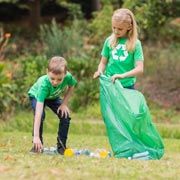 As we said in the introduction, spending time in and around nature is incredibly beneficial to children of all ages. Studies have proven a myriad of benefits, in fact. Just a few examples include a lowering of stress and anxiety, improved motor skills, greater knowledge of the world (and children’s place within it), improved empathy for other living things, a feeling of greater responsibility for nature’s flora and fauna, a development of often lifelong greener values and choices, and even improved academic grades! These are just a few examples — the benefits of spending time closer to nature are incredible. Learn more about nature’s importance to children here.
Other Free Nature Activity Posters for Children
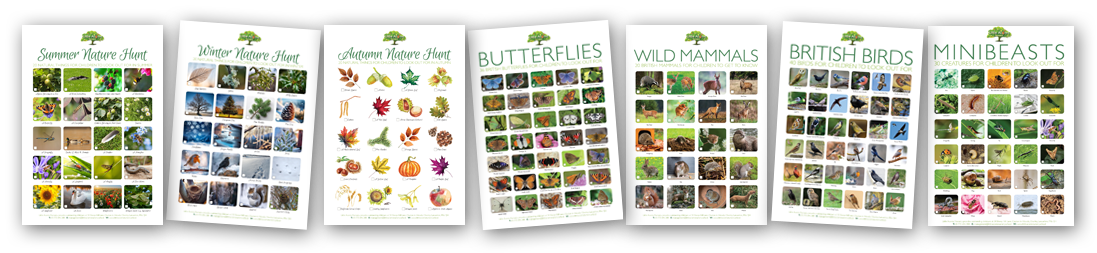
Today’s Summer Nature Hunt poster is just one of a whole series of nature-based activity posters available free for children and families. Others in the series include a Winter Nature Hunt and an Autumn Nature Hunt, plus others that will help children get to know British Butterflies, Birds, Mammals, and Minibeasts.
Little Acorns Nursery: Quality Childcare in Clayton-le-Woods, Chorley
The best start in life for babies & children under five in Central Lancashire
 If you’d like your baby or child under five to have the very best start in life, consider Little Acorns Nursery in Clayton-le-Woods for your weekday childcare. We’re recognised by Ofsted as a good provider and also support free childcare funding for eligible children as young as just 9 months. With a warm and welcoming home-from-home environment, great facilities, and exciting outdoor gardens where children can get closer to nature, Little Acorns will bring out the best in every child and allow them to absolutely thrive in readiness for when they begin school.
Contact Little Acorns Nursery today to begin your child’s exciting nursery adventure:
Located in Clayton-le-Woods, Chorley, the nursery and preschool may also be a convenient choice for those living nearby in Clayton Brook, Clayton Green, Thorpe Green, Pippin Street, Buckshaw Village, Whittle-le-Woods, Farington, Bamber Bridge, Lostock Hall, Euxton, Leyland and Penwortham.
Safety Notice
It’s essential to accompany and supervise young children whenever they play or explore outdoors. Stranger danger, water sources like ponds and lakes, getting lost, traffic, poisonous plants, and toxic berries and fungi are all examples of high-risk hazards that adults will need to assess and mitigate if they’re to keep little ones safe from possible harm. Children need to be dressed appropriately too and use sunscreen to protect themselves from harmful sun rays when it’s sunny. These safety points are also great teaching opportunities, of course, because children will need to learn to recognise such dangers more and more as they get older and become more independent.


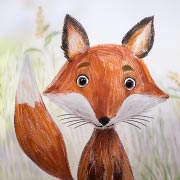 Children will love creating wildlife art. Whether it’s drawing animals and plants, making a collage, or constructing an animal out of cardboard or origami, wildlife art is a wonderful way to get children involved. What’s more, they will get a sense of satisfaction from the activity and it can help them appreciate wildlife more.
 Another incredibly worthwhile activity that children can get involved in is fundraising for a wildlife-related charity. This can be done, for example, through a sponsored activity of some kind. That could be a sponsored walk, hop, swim, or whatever children and families choose (under supervision, of course, for the youngest). A sponsored fundraising activity will not only raise funds for a wildlife charity of choice but also spread the word. Furthermore, children will get an enormous sense of achievement at the end when their actions raise vital funds for animals or conservation. Volunteering for local wildlife charities is also hugely worthwhile, of course, but it is more suited to when children are older.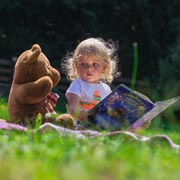
 World Wildlife Day brings into focus the enormous challenges that affect nature’s flora and fauna. Sadly, many of those challenges are caused by humans, whether it’s due to habitat loss, global warming, or something else. By raising awareness through World Wildlife Day activities, children and families can also challenge themselves to live more sustainably. This is a whole topic in itself! However, some easy measures can be things like:
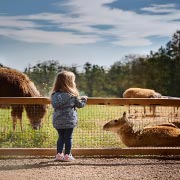 Children can also get closer to wild flora and fauna if they live near a wildlife sanctuary (or zoo) or somewhere like a national park. Nothing can really replace seeing animals and plants in real life and so it’s worth researching to find somewhere to visit close by. In Lancashire, just five miles from Little Acorns Nursery, for example, is
  Teaching children how to grow their own plants and, better still, food is a wonderfully educational and fulfilling activity. As well as learning to appreciate wild plants growing in parks and the countryside, learning how to grow their own, at home, is also great fun. Luckily, we have a whole blog post dedicated to
 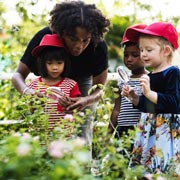 A nature scavenger hunt is also great fun and is sure to get children interested in nature, wildlife, and the outdoors. The activity involves looking out for specific natural things, for example, a pine cone, a robin, a squirrel’s drey (i.e. nest), a winged seed, or animal tracks. It will also
 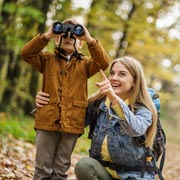 Encouraging (and supervising, where appropriate) an activity where children try to see different types of animals, birds, and insects is also a wonderful way to get them interested in nature. To make it easier, we have published some free, downloadable reference sheets, which also double as posters, for families to use during this activity. These include
 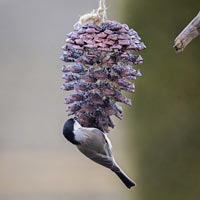 If children like the idea of attracting birds and other wildlife to their own garden, there are many easy ways to make this possible. As well as putting out suitable food to attract birds, children can help make a quiet, wild area with a compost heap to attract minibeasts. There are so many ways to attract wildlife so, to get you started, check out our

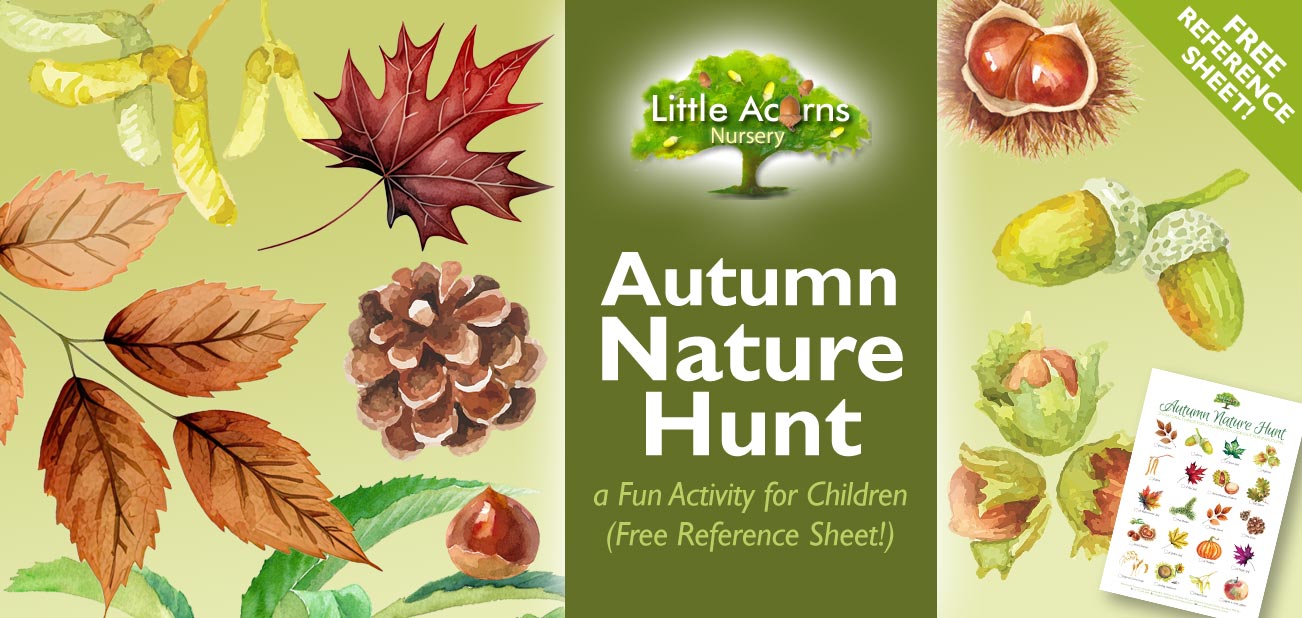
 By mid-November, autumn is in full swing and leaves are turning a myriad of different colours. Scenes of green, yellow, red and golden trees can be breathtakingly beautiful and the air is often crystal clear at this time of year — that’s great for photos! The autumn season also brings with it a treasure trove of fascinating natural things that children can discover if they take the time to look. Indeed, an autumn nature hunt is the perfect excuse for little ones to spend some time outdoors, where they will also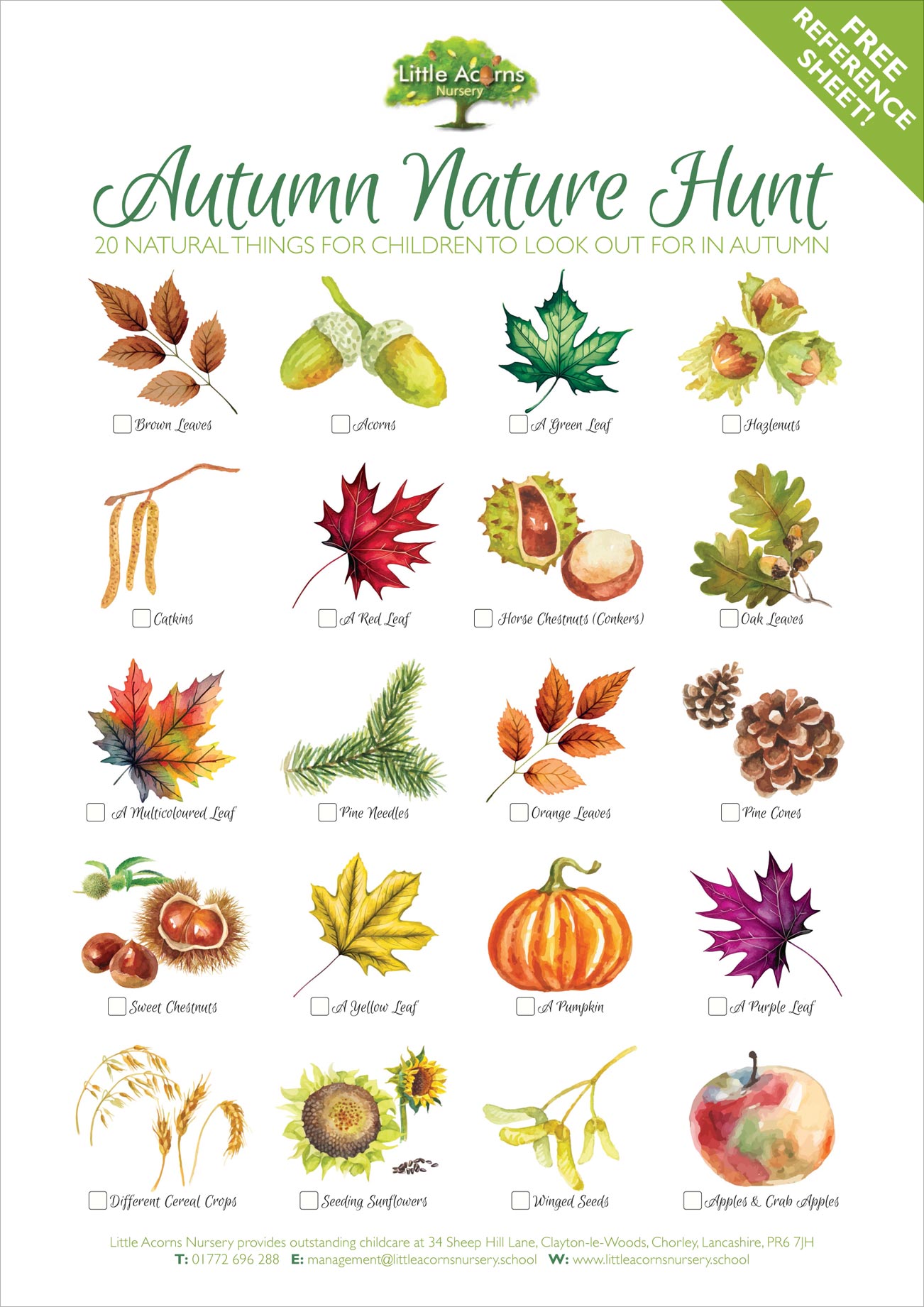
 Ensure children, particularly the very young, receive appropriate adult supervision at all times. Although fascinating and fun, the outdoors holds many hazards for the unwary. Therefore, children will need to be closely monitored by a responsible adult in order to safeguard their well-being.