The curriculum at our Clayton-le-Woods nursery adheres to what’s known as the Early Years Foundation Stage (‘EYFS’) framework. This educational framework is specified by the UK Government and its implementation is overseen and appraised by Ofsted. It’s down to individual nurseries like Little Acorns to implement the framework and we strive to do so in the optimum way. This is all achieved in a stress-free, relaxed way, almost entirely through active play. This approach makes learning natural — and immense fun!
“Children learn by leading their own play, and by taking part in play which is guided by adults.” (Department for Education).
The EYFS curriculum covers all the critically important areas of learning and development for babies (from birth) up to children aged 5. As such, it’s a perfect fit for children at Little Acorns Nursery.
The 3 Prime Areas of the Curriculum
There are 7 key areas within the early years curriculum. These include 3 ‘prime’ areas which, in turn, interconnect and enhance the remaining four — each helping to improve the other.
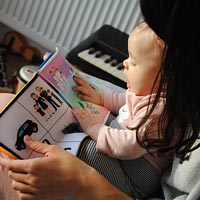
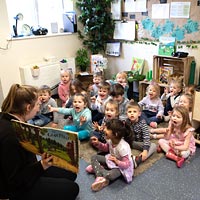
 Communication & Language is the first of the three prime areas of our EYFS-based curriculum. Without good communication and language skills, all other areas of learning could suffer, so these are critically important skills for children to master in their early years. Staff at the nursery therefore encourage rich communications between staff and children — and from peer to peer — from the very first day they join the nursery. Language and communication skills grow naturally to children through engaging, fun activities like role-play, story-telling and question-and-answer games. High quality books and other rich reading materials are also employed by staff to read with children in an interactive way. Using these kind of approaches helps children to learn new vocabulary and grammar, to improve reading and comprehension and to almost effortlessly broaden their language and communication skills as they grow.
- Physical Development is the second of the prime areas of the nursery’s EYFS-based curriculum. At this formative age, the young children are growing and developing rapidly, so their physical development pace is significant. That’s why nursery staff at Little Acorns will do everything they can to ensure optimal health, wellbeing, strength, coordination and fitness among the children at every stage. This is all done incrementally through a physical development programme that’s custom-designed for each individual child. This tailored programme takes consideration of their natural abilities, preferences and, of course, any disabilities or limitations. As they grow, the programme of fun, physical activities will help every child to reach their own personal bests for traits like fitness, balance, coordination, hand-eye coordination, agility and spatial awareness. In turn these physical improvements will help with their general wellbeing and happiness. And, at all times, the children will have been having immense fun, making friends and improving social skills, self-confidence and more along the way.
- Personal, Social & Emotional Development (‘PSED’) is the third of the three prime areas of our curriculum. The personal part of it aims to ensure that children can look after aspects of their lives themselves, independently managing personal needs like cleanliness, toilet training, healthy eating and so on. The social and emotional aspects of it aim to help children fit in with adults and peers around them, support one another, themselves feel supported by others and together learn to manage emotions and behave in acceptable, appropriate ways. As they learn to do all of this, they will become more confident, feel rightly valued, more easily resolve any conflicts and form closer friendships with peers and create stronger bonds with staff. All of this will act as a social and emotional foundation to build everything else upon.
 Communication & Language is the first of the three prime areas of our EYFS-based curriculum. Without good communication and language skills, all other areas of learning could suffer, so these are critically important skills for children to master in their early years. Staff at the nursery therefore encourage rich communications between staff and children — and from peer to peer — from the very first day they join the nursery. Language and communication skills grow naturally to children through engaging, fun activities like role-play, story-telling and question-and-answer games. High quality books and other rich reading materials are also employed by staff to read with children in an interactive way. Using these kind of approaches helps children to learn new vocabulary and grammar, to improve reading and comprehension and to almost effortlessly broaden their language and communication skills as they grow.
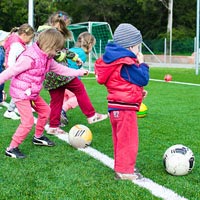 coordination and fitness among the children at every stage. This is all done incrementally through a physical development programme that’s custom-designed for each individual child. This tailored programme takes consideration of their natural abilities, preferences and, of course, any disabilities or limitations. As they grow, the programme of fun, physical activities will help every child to reach their own personal bests for traits like fitness, balance, coordination, hand-eye coordination, agility and spatial awareness. In turn these physical improvements will help with their general wellbeing and happiness. And, at all times, the children will have been having immense fun, making friends and improving social skills, self-confidence and more along the way.
 The social and emotional aspects of it aim to help children fit in with adults and peers around them, support one another, themselves feel supported by others and together learn to manage emotions and behave in acceptable, appropriate ways. As they learn to do all of this, they will become more confident, feel rightly valued, more easily resolve any conflicts and form closer friendships with peers and create stronger bonds with staff. All of this will act as a social and emotional foundation to build everything else upon.
The 4 Additional ‘Specific Areas’ of the Curriculum
Running in parallel with the 3 prime areas, there are 4 additional areas of focus for nurseries like Little Acorns, which adhere to the excellent EYFS framework for their early years curriculum.
- Literacy is the first of the remaining four areas of focus. A curriculum would be sadly lacking if children didn’t end up literate at the end of study. Literacy is absolutely fundamental and will give each young child the very best start when they leave early years settings to start school. On the face of it, it’s all about reading and writing. However, getting these right will help with many other areas of learning. At Little Acorns, we encourage nursery children to take enjoyment from reading. After all, once they can read they will understand so much more about the world from non-fiction material and so much more about the possibilities of the imagination and creativity from fiction books. So, they have access to a wide, rich variety of reading materials. Grammar, spelling, punctuation, phonetics and overall comprehension of a huge variety of topics will all go hand-in-hand with active and regular reading. In a similar way, writing will benefit too, as the children learn to recognise the correct spelling, composition and sentence structure and so on. Exposure to our rich variety of books will feed their imaginations and help them to be more creative themselves. We also encourage our children to verbalise, for example by reading out loud to themselves and others in an interactive way. By so doing, speech, pronunciation and articulation also benefit, as does their confidence to speak up.
- Mathematics is our fifth area of study within the core EYFS curriculum at Little Acorns Nursery. It’s another fundamental skill that children need to learn but, as with everything at Little Acorns, we make it fun. Through play and interactive sessions, children will learn the concepts behind mathematics, soon learning to distinguish things like odd and even numbers, number patterns and sequences, concepts like larger or smaller, wider or taller and more or less. Counting will first be mastered from one to ten, then in reverse, then extended to 20 or more. Concepts like volume, shape, measuring and space will also be included. So, by the time they leave our early years setting, they’ll have learnt the requisite maths skills and concepts that they’ll need in order to hit the ground running when they start school.
- Understanding the World is our sixth key area of focus within the curriculum at Little Acorns Nursery in Clayton-le-Woods, Chorley. It’s a very broad but important area of study for the young children at the nursery and one that’ll stand them in good stead going forwards. After all, there is so much around them and they need to understand it and to give everything they see context. With that in mind, we’ll help them to recognise, understand, describe and even sometimes draw what’s immediately around them. They will also learn about the technology they see and use around them. Our excellent Forest School also gives children ample opportunity to learn about the natural world and the flora and fauna nearby. The children will also learn about the more distant world through things like museum visits, local parks and visiting professionals from the emergency services and suchlike. They will also learn about other communities, both in the UK and abroad, including aspects like culture, beliefs and religions. Once again, having an excellent grounding, at such an early age, in the comprehension of the world will stand them in great stead going forwards.
- Expressive Arts & Design is the final area of focus within our EYFS led curriculum at Little Acorns Nursery. It’s also one of the areas that children find most fun as it gives them the freedom to express themselves, be imaginative and creative, and even to get messy from time to time. A wide variety of media, equipment and tools are available to them at the nursery and activities encourage the children to get involved and to create. It’s not just art, though; the children can involve themselves in role-play activities, they can sing, dance, tell stories and perform. Their imaginations can run riot and be free as they can express themselves and their creativity in a rich variety of ways.
 Literacy is the first of the remaining four areas of focus. A curriculum would be sadly lacking if children didn’t end up literate at the end of study. Literacy is absolutely fundamental and will give each young child the very best start when they leave early years settings to start school. On the face of it, it’s all about reading and writing. However, getting these right will help with many other areas of learning. At Little Acorns, we encourage nursery children to take enjoyment from reading. After all, once they can read they will understand so much more about the world from non-fiction material and so much more about the possibilities of the imagination and creativity from fiction books. So, they have access to a wide, rich variety of reading materials. Grammar, spelling, punctuation, phonetics and overall comprehension of a huge variety of topics will all go hand-in-hand with active and regular reading. In a similar way, writing will benefit too, as the children learn to recognise the correct spelling, composition and sentence structure and so on. Exposure to our rich variety of books will feed their imaginations and help them to be more creative themselves. We also encourage our children to verbalise, for example by reading out loud to themselves and others in an interactive way. By so doing, speech, pronunciation and articulation also benefit, as does their confidence to speak up.
 Mathematics is our fifth area of study within the core EYFS curriculum at Little Acorns Nursery. It’s another fundamental skill that children need to learn but, as with everything at Little Acorns, we make it fun. Through play and interactive sessions, children will learn the concepts behind mathematics, soon learning to distinguish things like odd and even numbers, number patterns and sequences, concepts like larger or smaller, wider or taller and more or less. Counting will first be mastered from one to ten, then in reverse, then extended to 20 or more. Concepts like volume, shape, measuring and space will also be included. So, by the time they leave our early years setting, they’ll have learnt the requisite maths skills and concepts that they’ll need in order to hit the ground running when they start school.
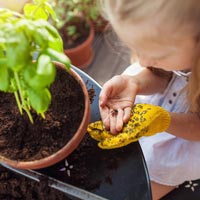 After all, there is so much around them and they need to understand it and to give everything they see context. With that in mind, we’ll help them to recognise, understand, describe and even sometimes draw what’s immediately around them. They will also learn about the technology they see and use around them. Our excellent
 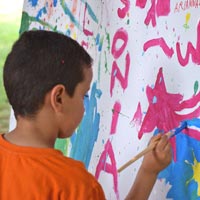 A wide variety of media, equipment and tools are available to them at the nursery and activities encourage the children to get involved and to create. It’s not just art, though; the children can involve themselves in role-play activities, they can sing, dance, tell stories and perform. Their imaginations can run riot and be free as they can express themselves and their creativity in a rich variety of ways.
There will be some changes to the Early Years Foundation Stage guidelines starting in September 2021. In essence, the seven key areas remain the same but more emphasis will be put on early years language and vocabulary within those key areas. Full guidance can be downloaded here.
The Impact of the Curriculum for Children at Little Acorns Nursery
 The EYFS led curriculum at Little Acorns nursery is in large part about helping them to be ‘school-ready’ by the time they reach the age of five. However, it also gives children the very best start in life generally. Every support is given to them to fulfil their own personal bests, reaching their optimum potential in every area of study, through personalised goal-setting, a ‘Key Person’ allocated to every child, continual test-free assessment and an important Progress Check between the ages of two and three. Getting it right in this way during their early, most formative years, is proven to vastly improve outcomes and life chances. So, it’s an incredibly powerful and important approach to their early years education. In a nutshell, it helps every child at Little Acorns Nursery to absolutely thrive.
A Nursery Place for your Child in Clayton-le-Woods, Chorley, Lancashire
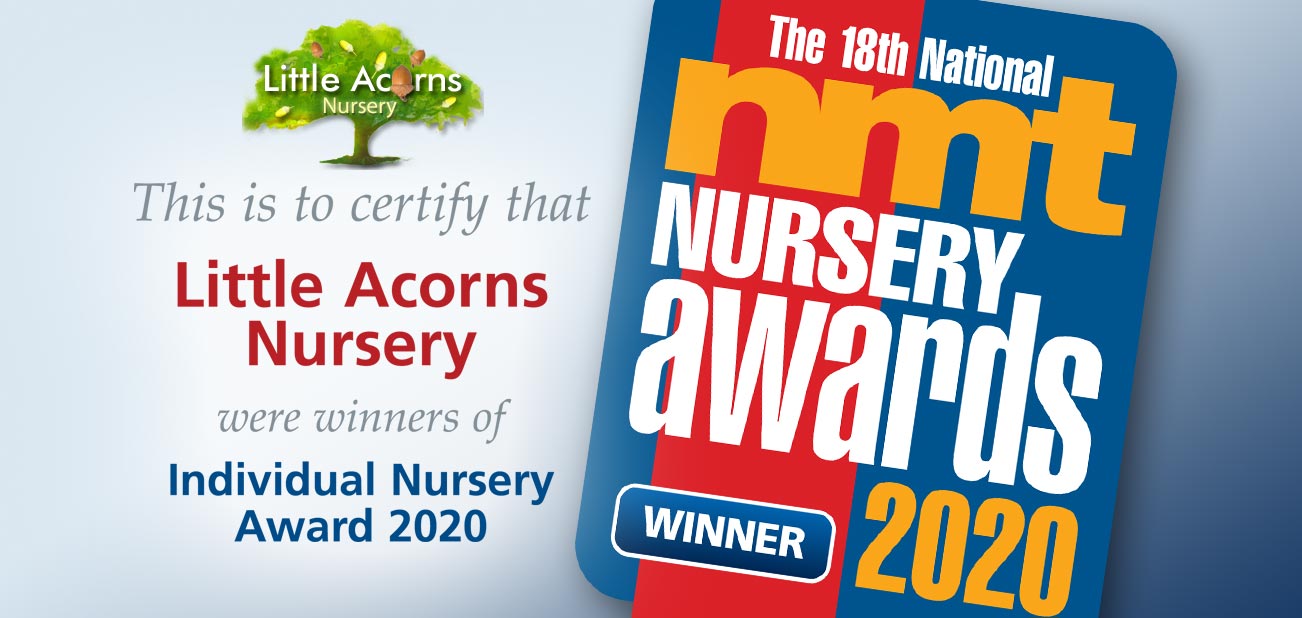
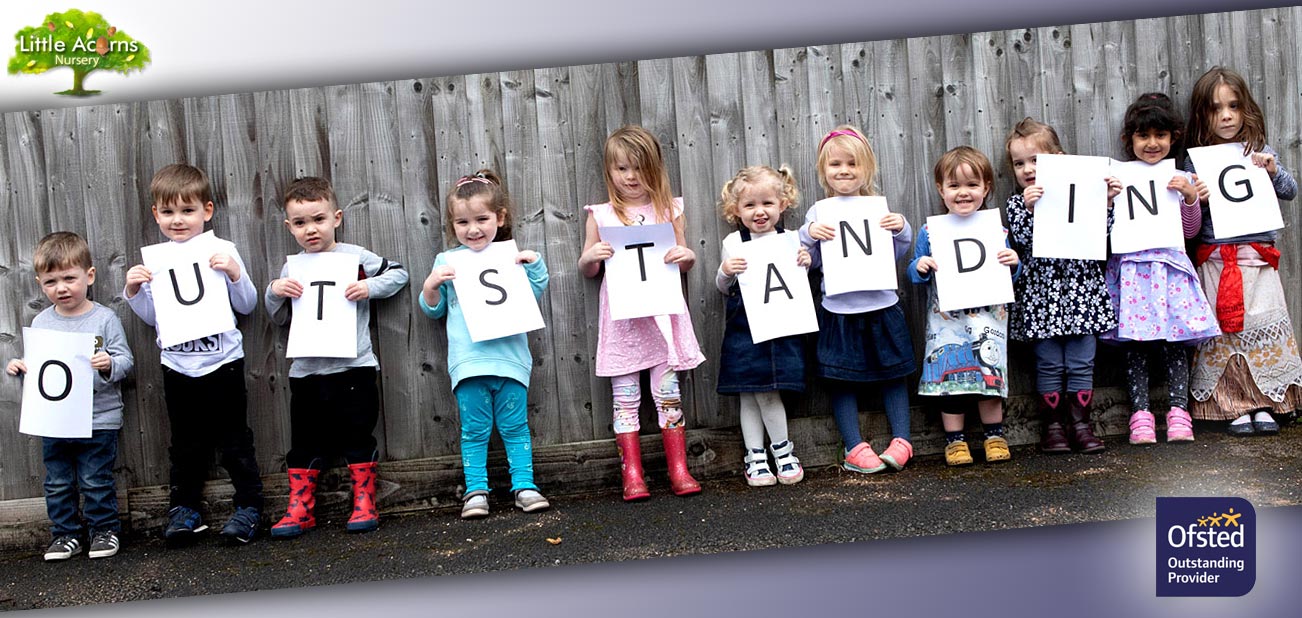
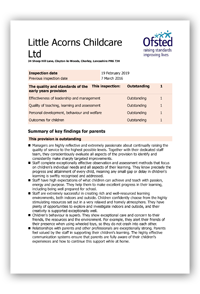
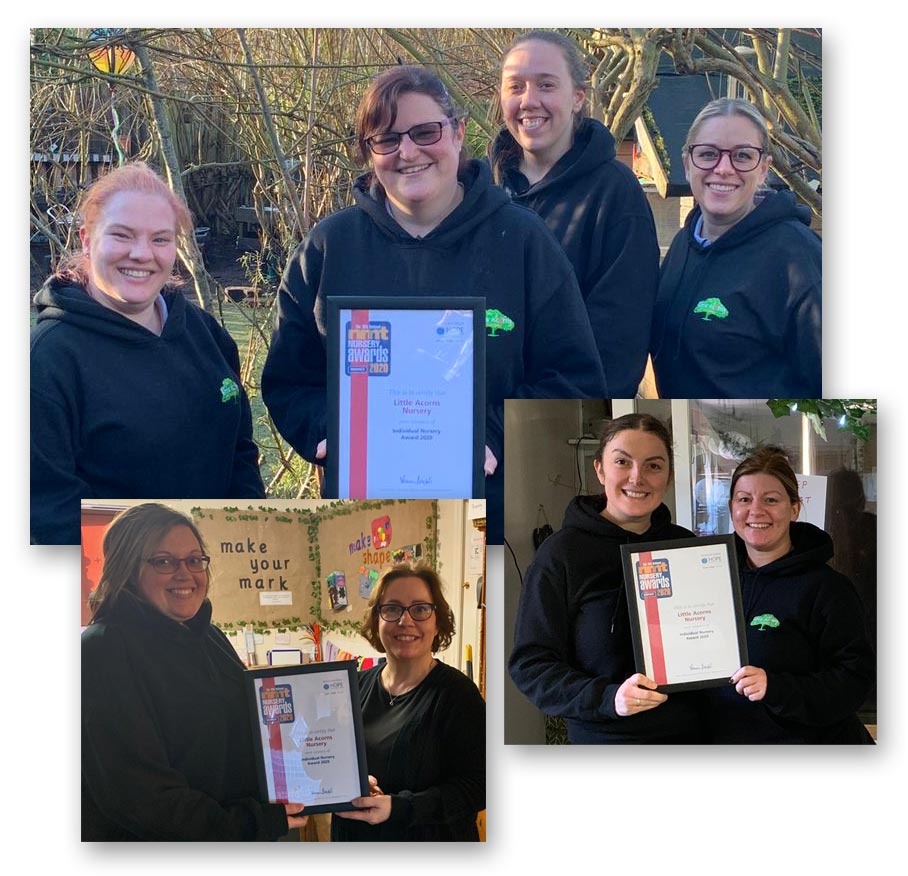
If you are looking for a nursery or pre-school place for your baby or child in Clayton-le-Woods, or near Chorley in Lancashire, you really should consider Little Acorns Nursery. It is officially an ‘outstanding’ nursery according to Ofsted. We also have our own Forest School, so children can benefit hugely from everything nature and the outdoors has to offer. We were also the sole winner of best ‘Individual Nursery Award’ in the NMT Nursery Awards 2020 — so it would be extremely hard to find a better nursery or pre-school. If you’d like discuss a possible place for your baby or child at Little Acorns, we’ll be happy to help (N.B. spaces are limited, so please don’t delay). Select an appropriate button below to take the first step …
 Indeed, parents can be thought of as key to their children’s success, if they support children’s education in the right ways. We’ll go through exactly what that means, along with some of the many benefits, in this article.
 Choose the Right Setting
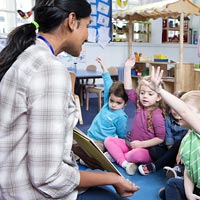 Parents of successful, grade A students, will generally also have engaged with staff at nursery/pre-school and school. That includes at parents’ evenings, of course, but parents should also be fully abreast of their child’s progress at every point in between. Parents and staff need to talk and feed back to each other about each child under their care and, indeed, that’s exactly what we do at Little Acorns Nursery. This, and a personal development progress folder for every child, is all part of the EYFS curriculum at the nursery in fact. In this way, parents and staff can each see the bigger picture and identify where successes are happening for the child, or where more work is needed — including at home.
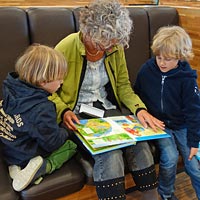 Parents can help children with homework too, of course. They can explain things that the child is perhaps confused or unclear about, in an unrushed, relaxed home environment. Parents can work through their approach to finding answers to questions and explain how they arrived at those answers. This, too, is like gold dust to an otherwise struggling child. It’s one of the reasons why the human race itself has come such a long way — through shared information.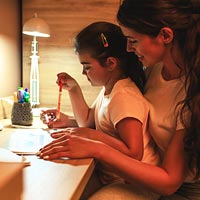
 • In turn, that ultimately leads to better careers as adults, with higher rates of pay.
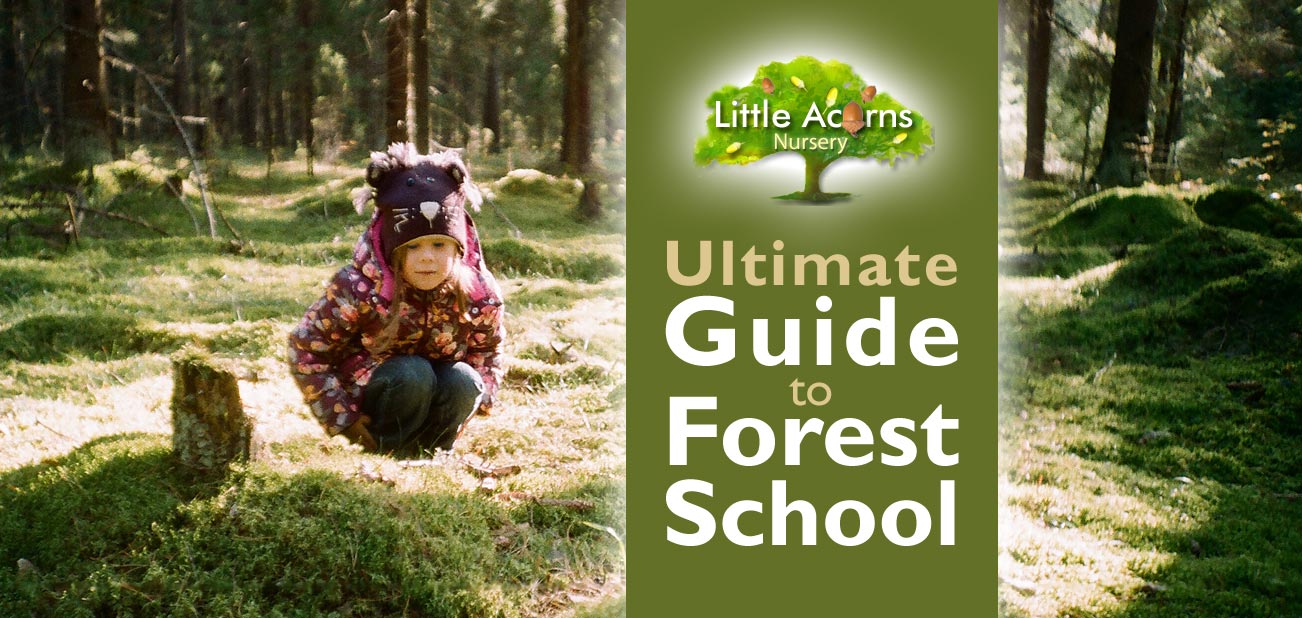
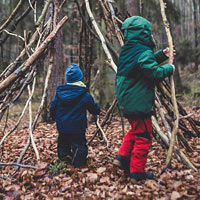 Little Acorns Nursery offers Forest School sessions and, indeed, was the first childcare setting in the Chorley area to offer them. Many parents understand that ‘Forest School’ offers children outdoor discovery sessions where they can explore nature and all that the Great Outdoors has to offer. However, what’s it really about? What is the ethos behind it? How did it come about and what is its history? Perhaps most importantly, what are its benefits to children? Here we’ll answer all those questions and more, in our Ultimate Guide to Forest School.
 The biggest influence, however, came from Scandinavia and the play-based, child-centric educational system of Denmark’s outdoors (‘friluftsliv’) approach to early years education. Their revolutionary outdoor system was hugely successful, so nursery staff from Bridgewater College in Somerset visited Denmark to see it in action for themselves. They were so impressed that they founded the first Forest School, following their return to the UK, in 1993.
 With a focus on nature and the natural world, Forest School sessions take place outdoors, ideally in natural, woodland settings. If that’s not possible, natural areas containing trees would be the next best setting, although more urban locations may necessitate the use of school grounds if no woodlands are available locally. In that scenario, practitioners would bring in natural materials such as sticks, logs, fir cones and so on.
 Forest Schools focus on each child’s individual interests, skills, preferences and needs as well as balancing them with those of the whole group. Indeed, this builds a community that’s immersed in this natural environment, learning from it and also from one another. Play is a huge part of this and, as always, ensures that learning is immense fun.
 Nature teaches children so much — about flora, fauna and the make-up of the world (of course); but it also teaches children about themselves. Children will learn or discover new hard and soft skills when out in the natural world. They’ll discover skills that they didn’t know they had. Leadership, critical thinking, team-working and problem-solving are just a few examples.

 “Exceptionally Effective Observation & Assessment” of Children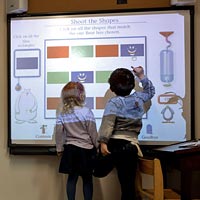
 Outstanding Personal Development, Behaviour & Welfare
 Are you looking for the best nurseries or pre-schools for your baby or child? Then consider