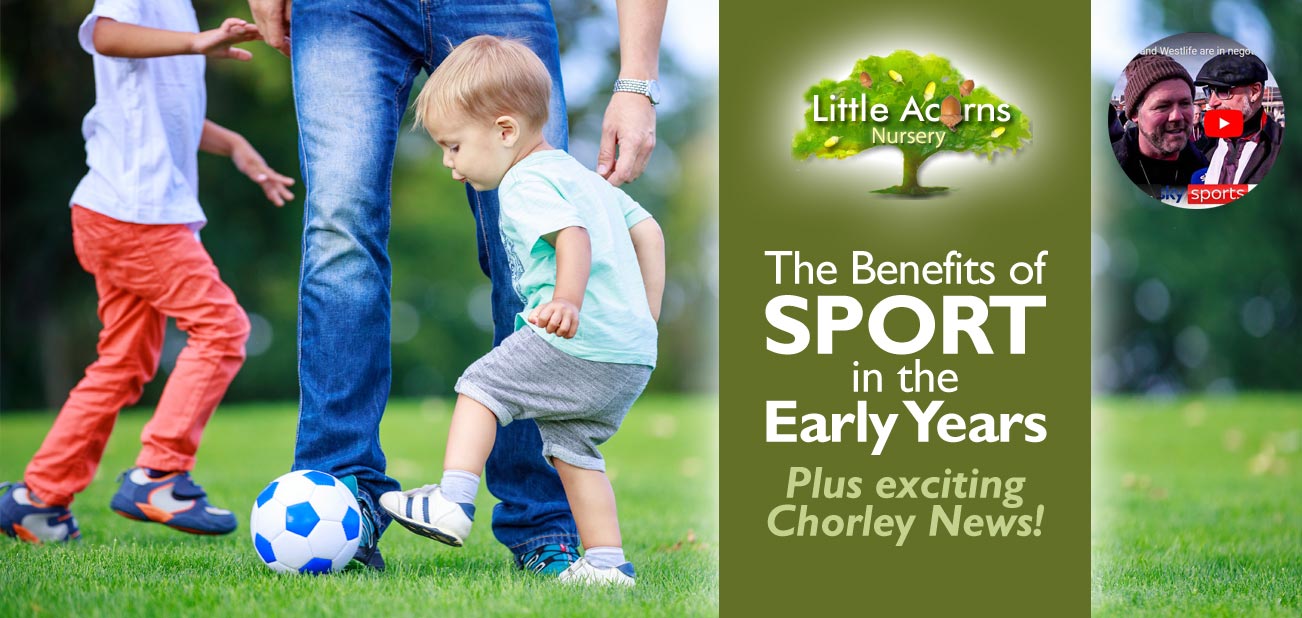
 In exciting news, Chorley made it to the National press and TV this week and there has been a huge amount of buzz about what’s been going on. For anyone who missed it, the story involves Chorley Football Club and stars from two pop groups. Shane Lynch and Keith Duffy from Boyzone and Brian McFadden from Westlife visited a Chorley FC match. Along with Boyzone’s Ronan Keating, they are exploring the possibility of buying a stake in the club. The story has gone completely viral with the likes of Sky Sports, ITV and the BBC having sent camera crews to cover it. The stars’ visit and interest in Chorley Football Club have been the talk of the Nation and have certainly put Chorley on the map!
“This is a game-changer that has the potential to bring our town into the limelight like never before, generating a buzz and publicity that will shine a bright light on Chorley and the local area.” — Chorley FC
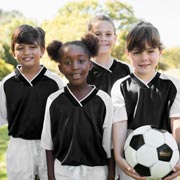 With Chorley Football Club being only 4.8 miles and a 14-minute drive from Little Acorns Nursery in Clayton-le-Woods, this news has certainly registered on our radar. What’s more, it’s sure to fire up greater interest in sport from children in the Chorley area. Perhaps some of them could even end up being sporting stars of the future! With all that in mind, we thought we’d take the opportunity today to explore the value and importance of sport to children in their early years.
Sport in Early Childhood
Sport takes an incredible number of forms and, as such, allows children of all shapes, sizes and abilities to get active in one way or another. There are many sports to choose from, so there’s bound to be something to suit every child. Make no mistake, sport is generally very good for children and we’ll come onto some of the many reasons later in this article. Whether it’s table tennis, swimming, cycling, football, gymnastics, running, roller-skating, a simple game of rounders, or one of the many other sports, there’s usually something for everyone — including children with additional needs. Sport is fun too, so children will naturally enjoy taking part once they’ve identified sports games they connect with.
The Benefits of Sport to Children, Especially the Young
 Participation in sports benefits children in many different – and often profound – ways. That’s especially true for children in their early years, being a stage when they learn fundamental skills like jumping, running, throwing and catching balls, etc.
What’s common to just about all childhood sports is that they get children moving — and that’s perhaps one of sport’s most important facets. With childhood obesity rates at alarming levels∞ in recent years, getting children active — and used to an active lifestyle from an early age — has never been more important. Taking part in sports will help improve fitness levels, strengthen hearts, muscles and bones, and help children maintain a healthier lifestyle when combined with a healthy diet.
“Getting kids moving and having fun again has never been more important, and it all counts towards the 60 minutes of physical activity (including 30 minutes outside of school) they need every day.” — NHS
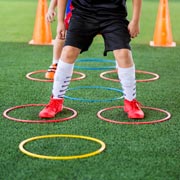 Sports and active hobbies will also help little ones hone balance, agility, coordination and motor skills. That’s incredibly important during early childhood as these key skills are still developing and, as the old proverb goes, “practice makes perfect.”
The benefits of sports are not only physical; children’s mental health benefits enormously too. Not only is participation in such activities immense fun (which is an important benefit all on its own) but sport also helps children’s confidence and self-esteem to grow, as well as being a great antidote to any stress and anxiety they might be feeling.
“Having a positive attitude towards physical activity has also been associated with children being happier.” — NHS
Participation in sport also teaches little ones other key skills. For example, it helps children understand the need for good communication, cooperation, teamwork and even sportsmanship. It teaches them the importance of perseverance, strategy, how to win or lose gracefully, how to overcome challenges and how to build resilience. Learning such skills will stand them in good stead during childhood — and right into adulthood.
Regular participation in sports also instils discipline and a sense of responsibility in children. They learn the importance of practice, punctuality, and following rules. Such understanding can positively impact both their academic and personal lives.
 Sport is a great socialiser too. Through sport, they’ll get used to interacting with other children as well as coaches, teachers, or childcare professionals. Moreover, children not only make new and deeper friendships through sport, but also learn social skills before, during and after such play. These skills and benefits will stay with them for the long term and will help to enrich their lives in profound ways.
Children also benefit cognitively through participation in sport. Sports require strategic thinking, decision-making, and problem-solving. They require children to learn to anticipate actions, make quick decisions, and adapt to changing situations. All such endeavours stimulate cognitive development in children and greatly enhance mental agility.
Taking that a step further, multiple studies suggest that regular physical activity improves concentration, memory, and even academic performance in children. It’s incredibly powerful when you think about it.
All in all, sport can play a crucial role in the holistic development of children. By enhancing physical, social, emotional, and cognitive skills, participation in sport can contribute to their overall well-being and indeed success in life. Let’s therefore nurture our Clayton and Chorley children and make the most of the incredible opportunity that is sport.
Little Acorns – an Outstanding Nursery in Clayton-le-Woods, Chorley
Entrust your early years childcare to an outstanding, award-winning provider

If you want the very best childcare nursery or preschool in Clayton-le-Woods, Chorley, you will find it in Little Acorns Nursery. We are officially an ‘Outstanding Provider’ as well as being the winner of an amazing National Nursery award. So, you know that your child will be in good hands under the care of our wonderful early years practitioners. We also support various Government-funded childcare schemes for eligible families.
Contact us today to register your child for a nursery place, explore the possibility of doing so, or ask any questions:
Our nursery/preschool is located in Clayton-le-Woods, near Chorley, Central Lancashire. As such, it may also suit those in towns and villages nearby, for example, Clayton Brook, Clayton Green, Thorpe Green, Pippin Street, Buckshaw Village, Whittle-le-Woods, Farington, Bamber Bridge, Lostock Hall, Euxton, Leyland and Penwortham.
 As we discussed in our recent post
 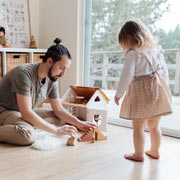 Designate an area in your home for play. It doesn’t need to be elaborate — even a corner with a few age-appropriate toys, books, and art supplies may be sufficient. Ensure, of course, that the space is safe and free from hazards before your child embarks on their play activities.
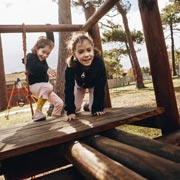 Outdoor play also offers a wealth of learning opportunities. It promotes physical health, stimulates the senses, and allows for unstructured exploration, which all contribute to holistic development. Take your child to the park, explore nature, or simply play with them in the back garden if you have one. Outdoor activities will also foster an appreciation for the natural world. Indeed, we wrote a whole post about
  Reading is a wonderful way to support learning through play. Choose age-appropriate books, of course, and be sure to engage in interactive storytelling. Ask and encourage questions about the story, encourage your child to predict what might happen next, and ask them what they might do if it were them in the story. Books and reading teach children so many things and, like pretend play above, truly encourage their imaginations and get their creative juices flowing.
 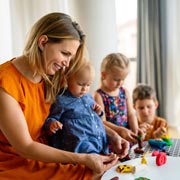 Arrange play dates with other children or involve siblings in play activities at home. Social play helps children learn essential social skills like cooperation, sharing, and conflict resolution. It’s also a great way to make new friendships, learn from each other, and become a closer member of friendship circles.
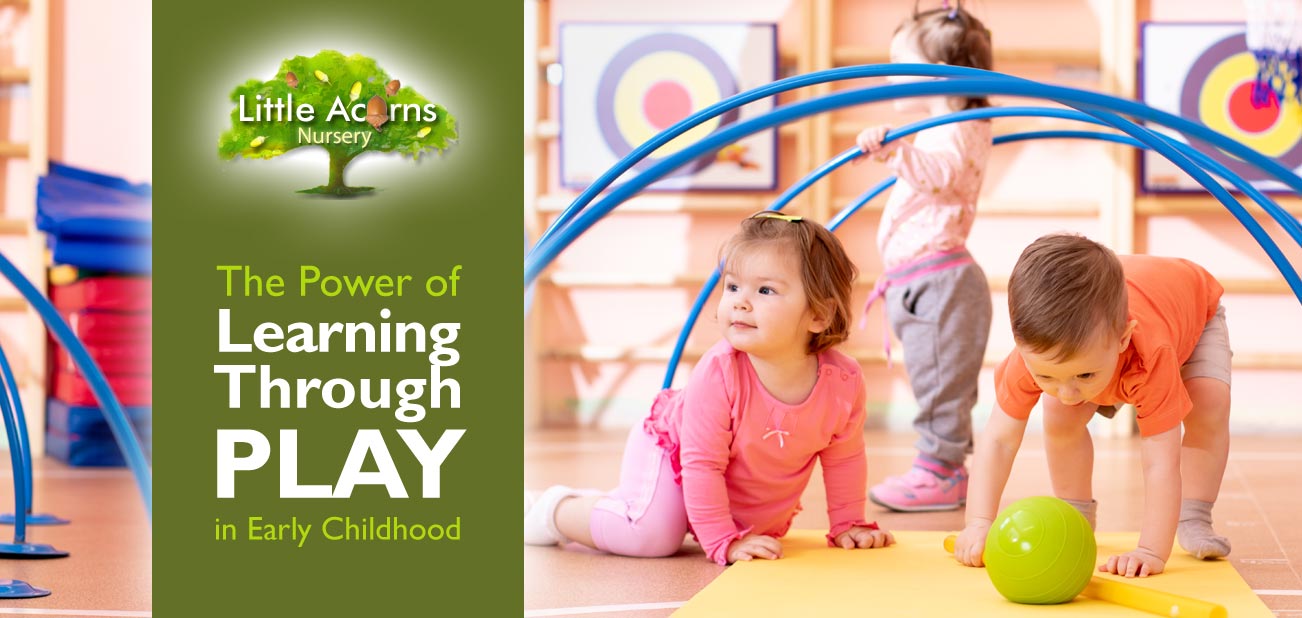
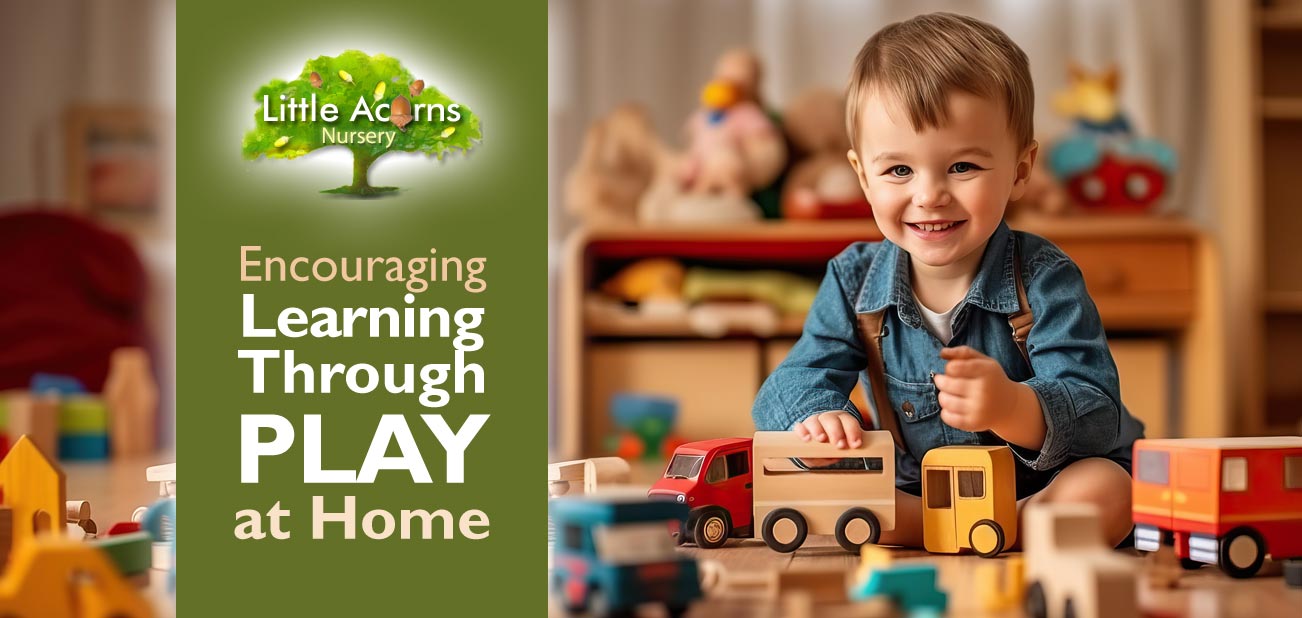
 In the world of child development and early education, there is a simple yet profound truth: children learn best when they are learning through play. Play is the universal language of childhood and, indeed, it transcends both borders and cultures. Whether it’s building sand castles on a sunny beach or arranging blocks on the floor at home, play is the gateway through which children explore, discover, and grow.
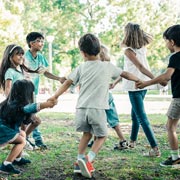 As adults, we often associate learning with classrooms, textbooks, and structured lessons. However, for children, the process of learning is a dynamic and ever-evolving adventure, with play being their very best companion during the journey.
 Do babies benefit from play? Absolutely. Play is the first way through which infants start understanding their world. They use their senses to explore toys, grasp objects, and make sense of the environment around them. Sensory play, such as touching different textures or listening to soothing sounds, stimulates their developing senses and lays the groundwork for future learning.
 During the run-up to the age of 5, play is integral to children’s development. During this phase, children are like little sponges, soaking up information from their surroundings. Play allows them to experiment, make connections, and refine their cognitive and many other skills. Skills enhanced through play include:
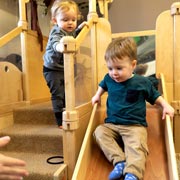 Creating playful environments — we understand the importance of a conducive environment for learning through play. With that in mind, we provide carefully designed play spaces that are rich in stimulating materials and resources. These spaces allow children to engage in various types of play, from imaginative to sensory, in a safe and supportive setting.
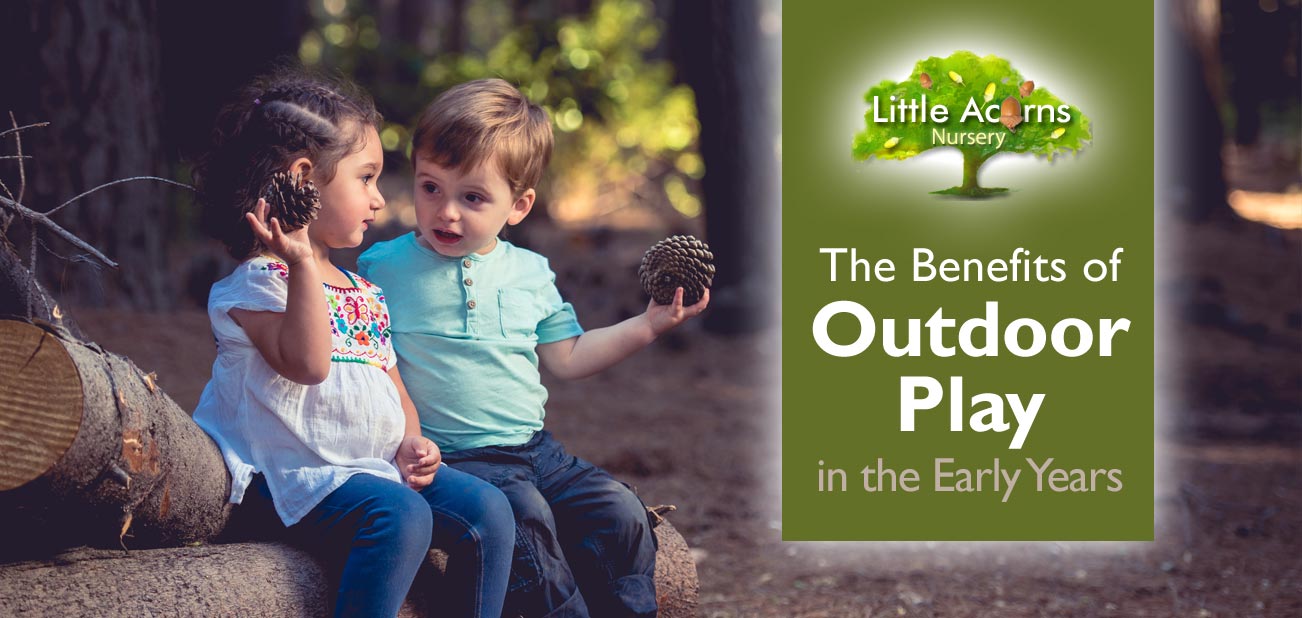
 In today’s post, we take a look at the importance of outdoor play for children in their early years. Indeed, there are many benefits, as we’ll see …
 Playing outside is also a healthy release from things like TV, electronic screens and, potentially, from an otherwise more sedentary lifestyle. Away from the confines of the indoors, outdoor play allows children the freedom to move about more freely. Outside, they’ll learn to navigate spaces, obstacles and play equipment, all the time improving spatial awareness, coordination, balance and gross motor skills. These include running, jumping, climbing and so on. Their fitness levels will naturally improve too, as they build stamina, muscle and strength. This is all incredibly good for them.
 At Little Acorns, we understand the importance of outdoor play. Little ones, from the age of two have access to our outdoor gardens and play areas — all under close supervision, of course. We have invested heavily in a whole range of exciting, stimulating and educational outdoor facilities for the children to explore, play with and learn from. As they do, they will not only learn but they’ll also hone fine and gross motor skills, improve coordination and balance, improve physical fitness, enhance social skills and build friendships. They will also soon become better at recognising and balancing risk, they’ll become more independent as they move around freely. They’ll also learn from mistakes. Their self-confidence and self-esteem will also naturally grow. These are all incredibly important skills that will stand them in good stead as they gradually approach the age where they’ll leave us to move on to school.
 Taking outdoor experiences for little ones even further, Little Acorns regularly takes children on outings, including to local parks. More importantly, though, it was one of the first nurseries/pre-schools to introduce Forest School to Central Lancashire. This is the ultimate outdoor experience for under-fives and teaches them so much about the natural world — and also about themselves. As well as learning a huge amount about nature, flora, fauna, the seasons and about playing and learning in the Great Outdoors, Forest School helps them learn additional skills like problem-solving, working in teams, leadership, resilience, empathy, caring for the environment, personal responsibility and so much more. Learn more in
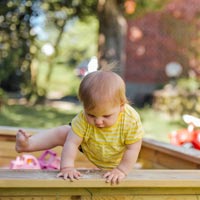 Generally speaking, under-fives should be encouraged to be active. There are many benefits of this including remaining physically fit, getting to know and enhancing physical abilities, honing motor skills (fine and gross) and improving coordination and balance. In addition, it helps the very young to develop visual and sensory skills. Physical activity is also part and parcel of the development of new neurological pathways in the brain. All these skills and benefits will become increasingly important as children grow, develop and become ever-more active and independent.
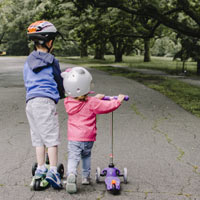 Once they reach the age of 3 to 4 (preschoolers), 3 hours of physical activity is an ideal daily minimum. Now that they’re older and more confident in their physical skills, they can continue with the toddler activities but add more complex and moderately vigorous options to their play. Dancing, swimming, scooting, climbing, chasing, cycling and energetic outdoor activities are good examples.