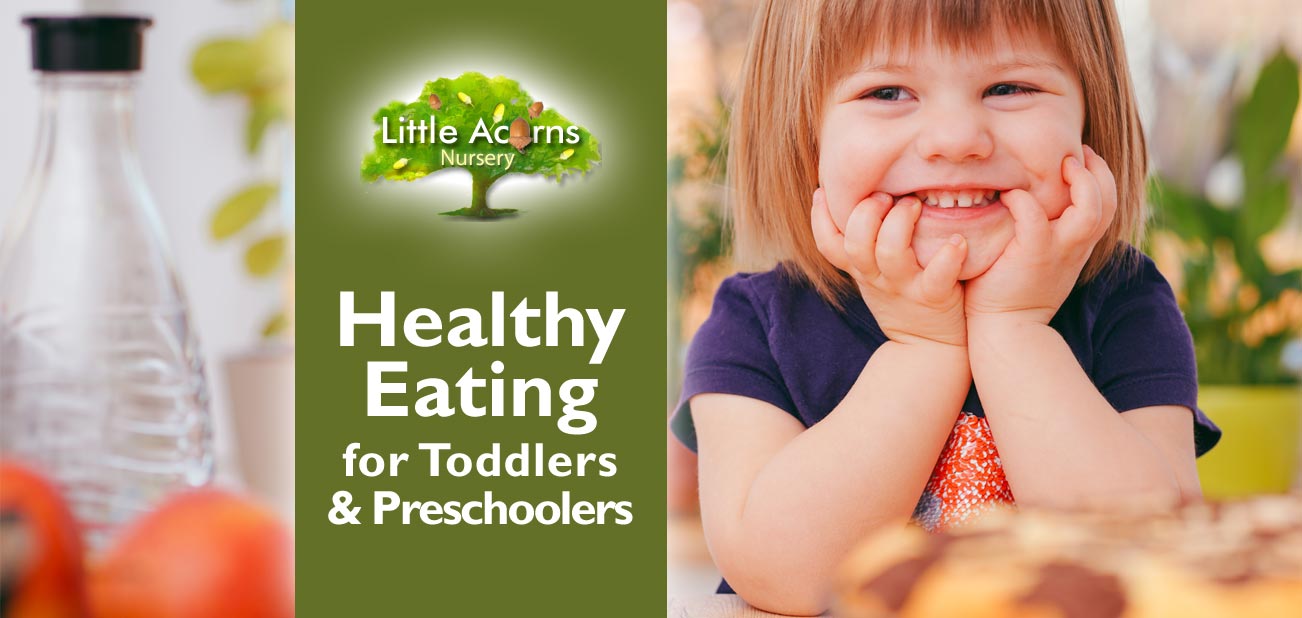
 Eating a healthy, balanced diet is important at any age. However, during their formative years when they’re still growing, it’s even more important for under-fives. Their young bodies and brains are still developing, so getting the right balance of food types, vitamins and nutrients is essential in order to maintain optimum health, cognitive function and even sufficient energy levels. (Regular exercise is also essential, of course – however, we’ll cover that separately in a future post).
The Benefits of a Healthy Diet
The benefits of maintaining a healthy eating regime are far-reaching and important, especially for young children. At this age, it’s important for them to get into good eating habits rather than bad ones. So, setting them on the right path at an early age is essential. As well as feeding their bodies and brains with everything they need to properly develop, some of the significant benefits of healthy eating include:
- Improved cognitive function and attention, with all the leaning benefits that these will bring;
- Sufficient energy levels to undertake all their daily tasks;
- A greater chance of avoiding certain diseases in later life, potentially including high blood pressure, diabetes, heart problems and even cancer;
- Maintaining more even moods;
- Maintaining a more healthy body weight and, through so doing, avoiding potential obesity. Avoiding becoming obese also leaves them less prone to bullying;
- A greater sense of self-image and self-esteem, leading to greater self-confidence;
- Overall, improved mental and physical wellbeing.
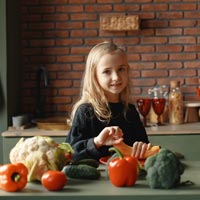 That’s a huge and important list of benefits. Advice from Public Health England also suggests that exposing children to a wide variety of different foods from an early age not only gives them access to greater diversity in what they eat, but is also likely to make children more accepting of new foods as they grow older. And, of course, that greater diversity in food types means a more diverse range of nutrients, vitamins and minerals will be consumed.
“Children who stay a healthy weight tend to be fitter, healthier, better able to learn, and more self-confident.” (NHS)
What Should Under-Fives Eat & Drink?
A good rule of thumb for under-fives is to consume three meals, 2-3 healthy snacks and 6-8 drinks every day. It all needs to be part of a balanced diet, though, using high quality and ideally fresh ingredients if possible.
Drinks
Aside from young babies who will, of course, be drinking milk (we’ll write separate posts about milk and weaning in due course), under-fives and preschoolers should be drinking water and sometimes milk, 6-8 times each day. Drinks rich in added sugar should be avoided and even natural fruit juice, if given, is better when significantly diluted. That’s primarily so as to avoid tooth decay that can otherwise be caused by the natural sugars and acids within the fruit juice.
Food
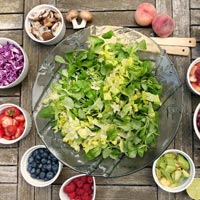 As part of a healthy diet, children should try to eat something from each of the four main food groups every day. These are:
- Fruit & vegetables, which contain many beneficial nutrients, for example Vitamin C. Aim for 5 portions per day, each about the size of the child’s cupped hand or fist. If your child is still hungry after eating their set meals, giving them additional vegetables is a great way to satiate their hunger without loading them up with unnecessary calories or sugar.
- Protein, which contains not only essential protein but also iron, zinc and many other nutrients. Sources of protein include fish (N.B. include oily fish occasionally), meat, eggs, nuts, pulses, tofu and soya. Aim at 2 protein portions per day, with each portion being about the size of the palm of the child’s hand.
- Starch, which is available from potatoes, pasta, bread and rice cereals. Where wholegrain versions of some of these are preferred, they should be introduced only gradually. One portion of these starchy foods is about the size of the child’s cupped hand. Starch gives growing children energy along with essential nutrients like calcium and Vitamin B.
 Dairy products, which give children much-needed calcium, Vitamins A and B, potassium and more. Aim for 3 portions of dairy products per day. Examples include milk, yoghurt and cheese. Use full-fat options for toddlers and then, from the age of 2, switch to semi-skimmed varieties.
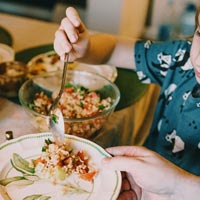 Dairy products, which give children much-needed calcium, Vitamins A and B, potassium and more. Aim for 3 portions of dairy products per day. Examples include milk, yoghurt and cheese. Use full-fat options for toddlers and then, from the age of 2, switch to semi-skimmed varieties.
The NHS also recommends that children aged 6 months to 5 years should also take suitable vitamin supplements to boost Vitamin A, C and D in particular. Children with vegan diets would also benefit from a Vitamin B12 supplement.
Healthy Eating at Little Acorns Nursery, Clayton-le-Woods, Chorley
With almost a third of UK children aged 2 to 15 now being overweight, eating a healthy, balanced diet is becoming more and more important. Parents, carers, schools, childcare professionals and nurseries all need to play their part in keeping children on track, with healthy eating habits and lifestyles.
 At Little Acorns we are serious about playing our part and serve up healthy, balanced meals each day to our children along with suitable drinks and healthy snack options. Breakfast, lunch, afternoon and teatime snacks are all provided and included in our standard nursery fees. Food is prepared each day by Judy, our wonderful in-house chef, using the highest quality, fresh ingredients, sourced from local suppliers. Food allergens are extremely carefully monitored and managed. Any special diets, e.g. vegan or vegetarian, are also catered for as needed — simply forewarn us about any specific requirements and we’ll be happy to accommodate them.
 Little Acorns Nursery has a 5 Star Food Hygiene rating and also recently received a Recipe 4 Health Award in recognition of the healthy food options that we offer at the setting. That’s in addition to our amazing NMT Individual Nursery Award.
A Nursery Place in Clayton-le-Woods, Chorley, Lancashire
 If you’d like a nursery place for your child in a multi award-winning nursery in Clayton-le-Woods, near Clayton Green and Clayton Brook, Chorley, do get in touch. Little Acorns is an Outstanding Nursery and is also a wonderful Forest School. So, if you’d like your little one to attend the very best nursery in Central Lancashire, register your interest while nursery places are available. Select an option below:

 Indeed, parents can be thought of as key to their children’s success, if they support children’s education in the right ways. We’ll go through exactly what that means, along with some of the many benefits, in this article.
 Choose the Right Setting
 Parents of successful, grade A students, will generally also have engaged with staff at nursery/pre-school and school. That includes at parents’ evenings, of course, but parents should also be fully abreast of their child’s progress at every point in between. Parents and staff need to talk and feed back to each other about each child under their care and, indeed, that’s exactly what we do at Little Acorns Nursery. This, and a personal development progress folder for every child, is all part of the EYFS curriculum at the nursery in fact. In this way, parents and staff can each see the bigger picture and identify where successes are happening for the child, or where more work is needed — including at home.
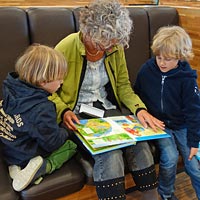 Parents can help children with homework too, of course. They can explain things that the child is perhaps confused or unclear about, in an unrushed, relaxed home environment. Parents can work through their approach to finding answers to questions and explain how they arrived at those answers. This, too, is like gold dust to an otherwise struggling child. It’s one of the reasons why the human race itself has come such a long way — through shared information.
 • In turn, that ultimately leads to better careers as adults, with higher rates of pay.