 As a condition that affects children’s reading and writing abilities, Dyslexia is something that can significantly hold little ones back. If not diagnosed and addressed in good time, it can have a knock-on effect that adversely affects the education and potentially whole lives of people affected. It’s therefore important to learn what to look out for so as to recognise the possible signs of dyslexia in children should they occur. With that in mind, today’s article explores the answers to frequently asked questions about dyslexia so as to explain what dyslexia is, how it affects children and adults, what to look out for, and what to do to mitigate its potentially harmful effects.
What is Dyslexia?
 Described back in the 19th century as ‘word blindness’, Dyslexia is a lifelong problem that primarily affects the ease with which a person can read (especially) as well as affecting other language-based skills like writing, spelling, and sometimes even pronunciation. As such, it has potential knock-on effects in a wide array of areas of people’s lives and can present daily challenges for those affected.
Dyslexia has neurodevelopmental origins and is recognised in the UK as a specific learning difficulty. It is not, however, linked in any way to a person’s level of intelligence — and we’ll illustrate just how true that is later in this article.
The term dyslexia, meaning “difficulty with words”, was first coined in 1887 by Rudolf Berlin. He was a German ophthalmologist and, during eye testing at his Stuttgart practice, noticed that some patients struggled to read printed words despite having no eyesight issues. This led him to propose that there could be a neurological reason for the condition.
How Common is Dyslexia?
Dyslexia is fairly common, with around 1 out of every 10 people in the UK being affected to varying degrees. However, not everyone with dyslexia receives a diagnosis and sadly this can make the challenges they face even more profound.
How Does Dyslexia Manifest Itself to Those Affected?
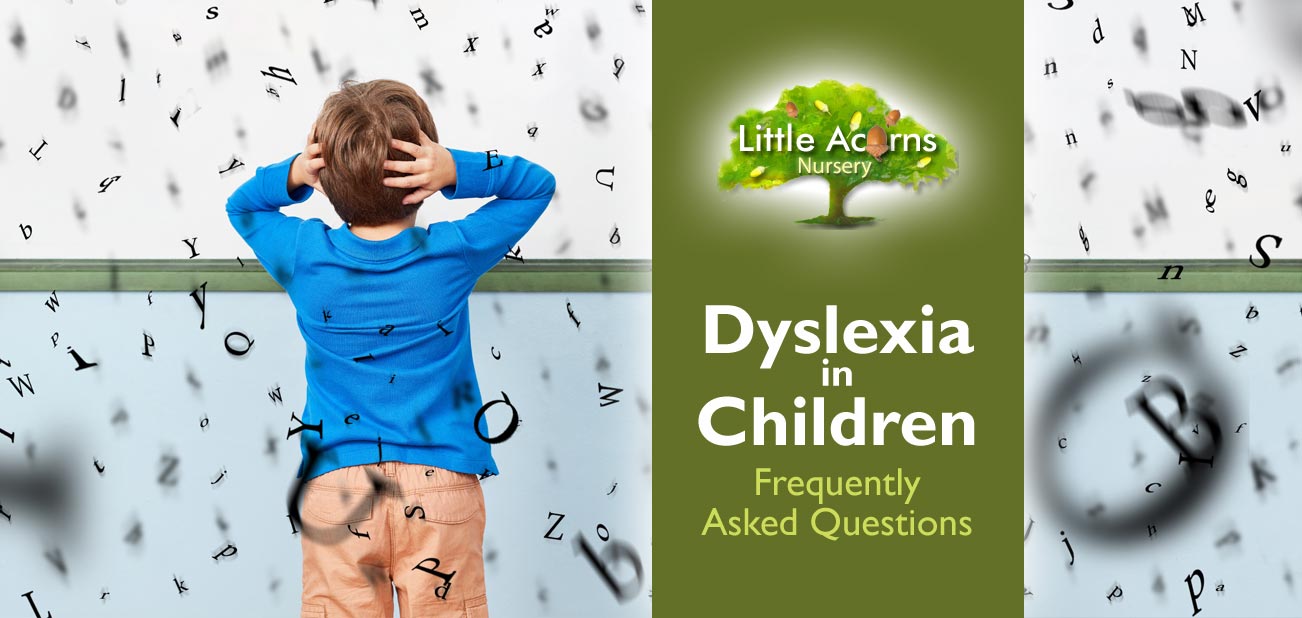
 Some people with dyslexia have described its effects as causing letters to jump around and words to jumble up. Others say that words blend together and even spaces between them can disappear. Individual letters and numbers can mix up and, for some, characters may seem incomplete. Sometimes, they are perceived in mirror form (so, for example, a “b” becomes a “d”) or are even perceived as being upside down (so, a “6” would be perceived as a “9”). Whatever the specific effect, the result is to make words unintelligible. Immense concentration is required to try to make any sense of them. Clearly, this presents enormous challenges to reading, writing, spelling, reading out loud, and even mathematics. The knock-on effect of all this is that reading and learning from books about any number of topics — including those in the curriculum — can therefore be hugely challenging and profoundly impactful.
Children with dyslexia may feel ‘different’ and perhaps isolated because of the condition. It’s therefore incredibly important to diagnose and help children with dyslexia as early in their lives as possible.
What are the Signs of Possible Dyslexia in Young Children?
 The signs of dyslexia vary from child to child and this, in itself, makes spotting the issue more tricky. That said, the most common signs of possible* dyslexia, specifically in children of pre-school and school age, relate to language-related difficulties. Examples include:
- lower than expected speech development (this can be detectable under five);
- difficulty learning the alphabet and a limited interest in trying to do so (again, potentially detectable under five);
- difficulties understanding the concept of rhyming words (again, this may be detectable under the age of five);
- mispronouncing multi-syllable words and jumbling the order of some, e.g. ephelant instead of elephant (potentially detectable under five);
- sometimes having trouble with verbal expression, e.g. difficulty finding the appropriate word to use (also potentially detectable under five);
- difficulty with phonics, poor phonological awareness, and poor word attack skills;
- difficulty recognising the sounds for individual letters;
- difficulty recognising sounds for combinations of letters found within words;
- being able to answer questions well verbally, but not very well in writing;
- difficulty with reading;
- poor handwriting, with inconsistent and unpredictable spelling.
There are also a few more ‘unexpected’ symptoms, seemingly not directly related to language, that might indicate possible dyslexia. Examples include:
- difficulty with the fine motor skills required to maintain a consistent rhythm, e.g. on a toy drum;
- struggling to remember the order of things like days of the week;
- struggling to follow the order of even a short list of instructions, but being able to complete the tasks if individual steps are provided separately, one by one.
* Note that exhibiting any of the above does not necessarily mean the child has dyslexia. There are several alternative reasons why such symptoms could possibly be displayed.
More details about possible symptoms of dyslexia, in both children and adults, can be found here.
Is Dyslexia Linked With Special Needs or Disabilities?
 Dyslexia is a specific learning difficulty. While some children affected have no additional limiting condition, some have additional problems. These can include dyscalculia, dyspraxia, ADHD, short-term memory issues, and issues with time management. We’ll aim to cover some of those topics separately, in future posts.
What is the Cause of Dyslexia?
The exact cause of dyslexia is not known although it has neurodevelopmental origins and often seems to run in families.
“It’s thought certain genes inherited from your parents may act together in a way that affects how some parts of the brain develop during early life.” — NHS
Studies show that the brain of children with dyslexia functions differently to those without it, so it is a neurodivergence of sorts. It’s fair to say that this specific ‘neurological difference’ is not fully understood by the medical and scientific communities — indeed until it is better understood, there will continue to be much debate around the topic, even among ‘experts’.
Can Dyslexia be Cured?
There is no known ‘cure’ for dyslexia. However, it can be managed and its effects can be mitigated significantly through early diagnosis and appropriate support. Indeed, children who receive such support often go on to be highly competent readers.
Is There a Link Between Dyslexia & Intelligence?
As we mentioned earlier, dyslexia is not linked to intelligence. This is borne out by the fact that many highly intelligent and successful people have the condition, including the famous scientist and theoretical physicist Albert Einstein. Indeed, the list of highly intelligent and successful people with dyslexia is massively long. To name just a few more, it includes Richard Branson, Pablo Picasso, Winston Churchill, John Lennon, Steve Jobs, Walt Disney, Leonardo da Vinci, Bill Gates, Tom Cruise, Steven Spielberg, Henry Ford, George Washington, Thomas Edison, Wolfgang Mozart, Stephen Hawking, plus a long list of additional celebrities, scientists, business entrepreneurs and artists.
Do Children With Dyslexia Have Any Superpowers?
As you can conclude by taking a look at the list of famous and highly successful people with dyslexia, those affected are often very creative and gifted in other ways. These often include creative verbal and/or visual skills and sometimes exceptional problem-visualisation and problem-solving skills.
“40% of self-made millionaires are dyslexic.” (dyslexicmum.co.uk)
How Can Children With Dyslexia Best Be Supported?
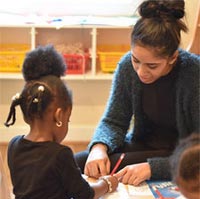 Where an issue like dyslexia is suspected, parents/carers should speak with their early years provider or school teacher to voice any concerns — and vice versa. The earlier an issue like dyslexia is spotted, the sooner measures can be implemented to help the child. Such early intervention is really important when reading and language are affected because they have such a snowball effect on other areas of learning. That said, it is more difficult to diagnose dyslexia in the pre-school years, as signs are not so obvious at such an early age. However, a few early signs may sometimes become evident as indicated in the early entries of our list of possible signs of dyslexia earlier in this article.
If a problem is suspected, it is worth visiting a GP with your child to check the potential issue isn’t caused by something completely different, for example, a sight or hearing issue. A dyslexic diagnostic assessment via an appropriate professional expert (e.g. an educational psychologist or qualified dyslexia specialist) is also an option.
If dyslexia is diagnosed a range of support options are available through such measures as a tailored learning and development plan, involvement of the child’s special educational needs co-ordinator (SENCo), special resources and perhaps the help of external specialists. More details about a professional assessment, diagnosis, and even options like Educational Health & Care (EHC) plans, are available here.
For a comprehensive, stand-alone overview of the ways in which early years childcare settings like Little Acorns Nursery can support children with dyslexia, one or more Specific Learning Difficulties (SpLD), or Special Educational Needs & Disabilities (SEND), read our article Help for Children with Special Educational Needs & Disabilities (SEND) here. In the future, we may also follow up today’s article with a separate one explaining in more detail the specific support measures that parents and early years/school professionals can take to help dyslexic children.
The Best Start for Your Child in Clayton-le-Woods, Chorley
Little Acorns — An Outstanding Childcare Nursery in Central Lancashire

 It’s natural for parents and carers to want the best nursery for their child. Rest assured, Little Acorns is an outstanding childcare nursery. Indeed, we are recognised by Ofsted as an “Outstanding Provider”, so you’ll know your child is in safe and capable hands when you choose Little Acorns for your weekday childcare.
We are located in Clayton-le-Woods, Chorley, in Central Lancashire. Families in nearby towns and villages may also find Little Acorns Nursery convenient, for example, those living in Clayton Brook, Clayton Green, Thorpe Green, Pippin Street, Buckshaw Village, Whittle-le-Woods, Farington, Bamber Bridge, Lostock Hall, Euxton, Leyland and Penwortham.
Contact us today to register your child for a nursery place, arrange a tour of the setting, or for answers to any questions that you might have:
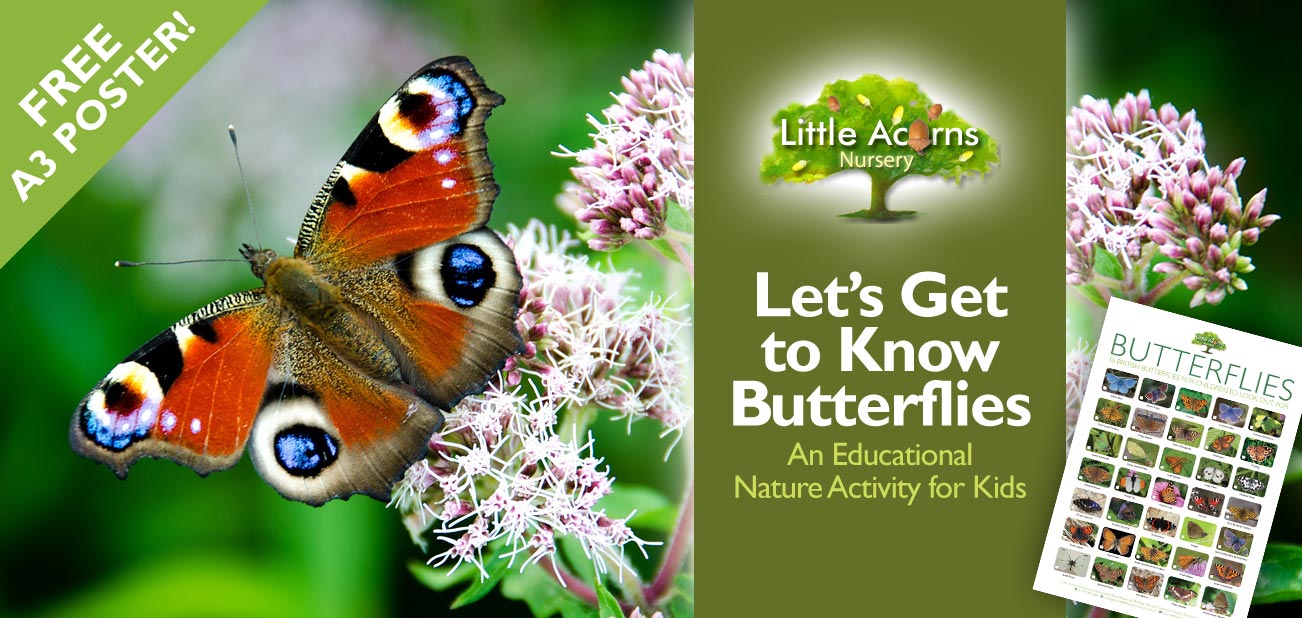
 For many species, population numbers have plummeted over recent decades. Introducing your child to today’s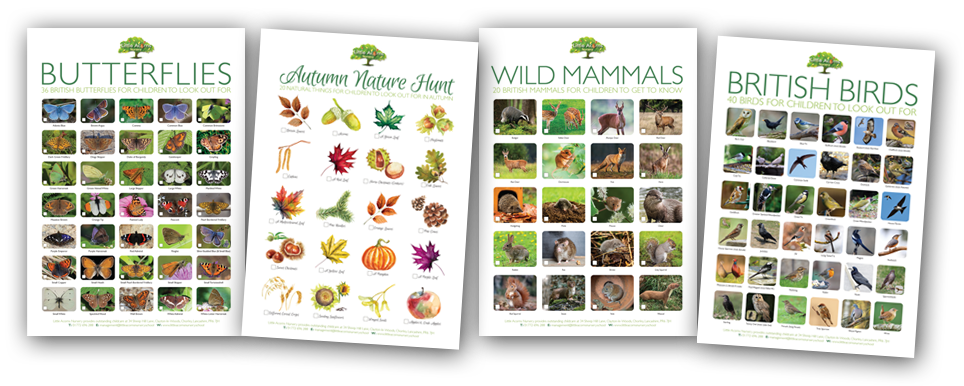
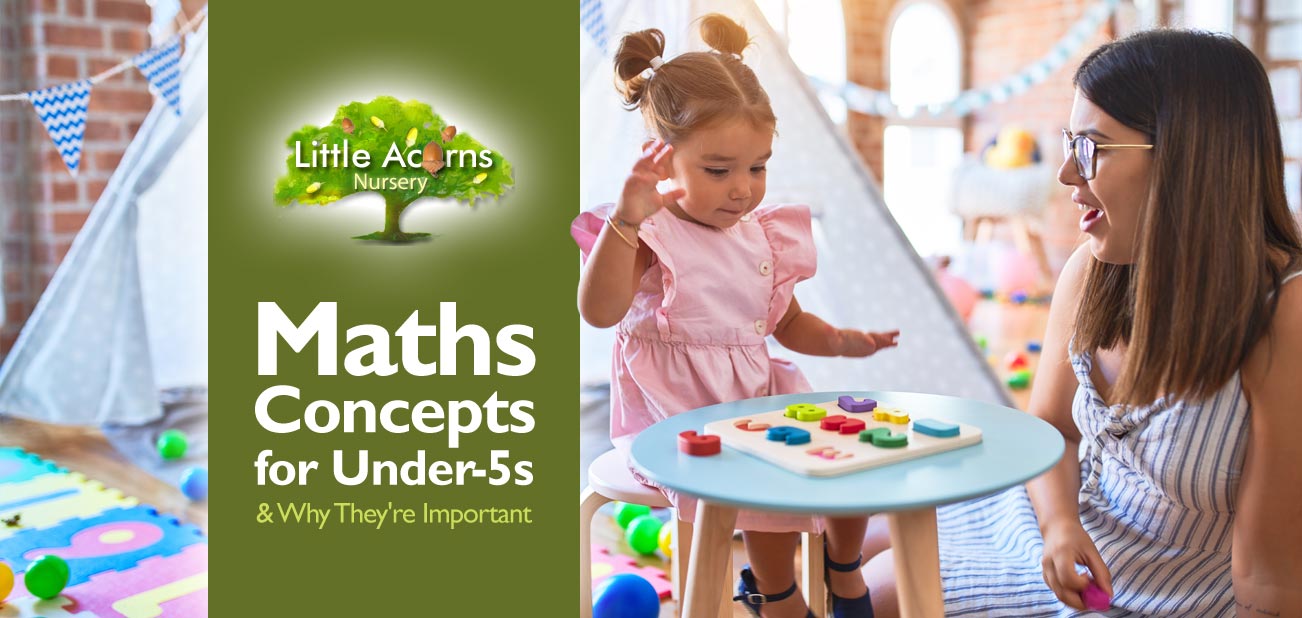
 Once babies have transformed into toddlers, it’s never too early to introduce them to maths-based concepts and language. Indeed, introducing under-fives to such concepts in the earliest years will benefit them hugely as it lays the foundations for future learning. That’s one of the main reasons it is a part of
  Familiarity with mathematical terms and concepts also helps to prepare children for formal education, including in many areas other than pure mathematics. Understanding maths concepts from an early age will allow them to confidently engage in number-related exercises and discussions, greatly enhancing their school readiness across multiple topics. Such preparation will allow them to take maths-based challenges in their stride right from the moment they begin Reception Year in primary school. What’s even more striking is that studies show a direct correlation between early mathematical skills and later educational achievement.
 Counting is the most obvious example. Counting can be introduced and practised by your little one in many, many situations, from counting how many more mouthfuls of food a child should eat, to the number of Lego blocks in a tower they’re creating.
 Shapes also have roots in maths, so children should get familiar with 3-sided triangular shapes, 4-sided shapes like squares and rectangles, and so on.
 Creative endeavours can also be vehicles through which supervising adults can highlight elements of mathematics that are built into designs and creations that children may generate. Patterns and shapes are obvious examples of that. Last but not least, parents can involve children in maths facets which are integral to everyday life, for instance, counting items when out shopping, or measuring when putting ingredients together for a meal. Children will love being more involved in such activities and will learn about maths in a fun, natural, and engaging way. Doing so will create the strongest foundations for their future learning.
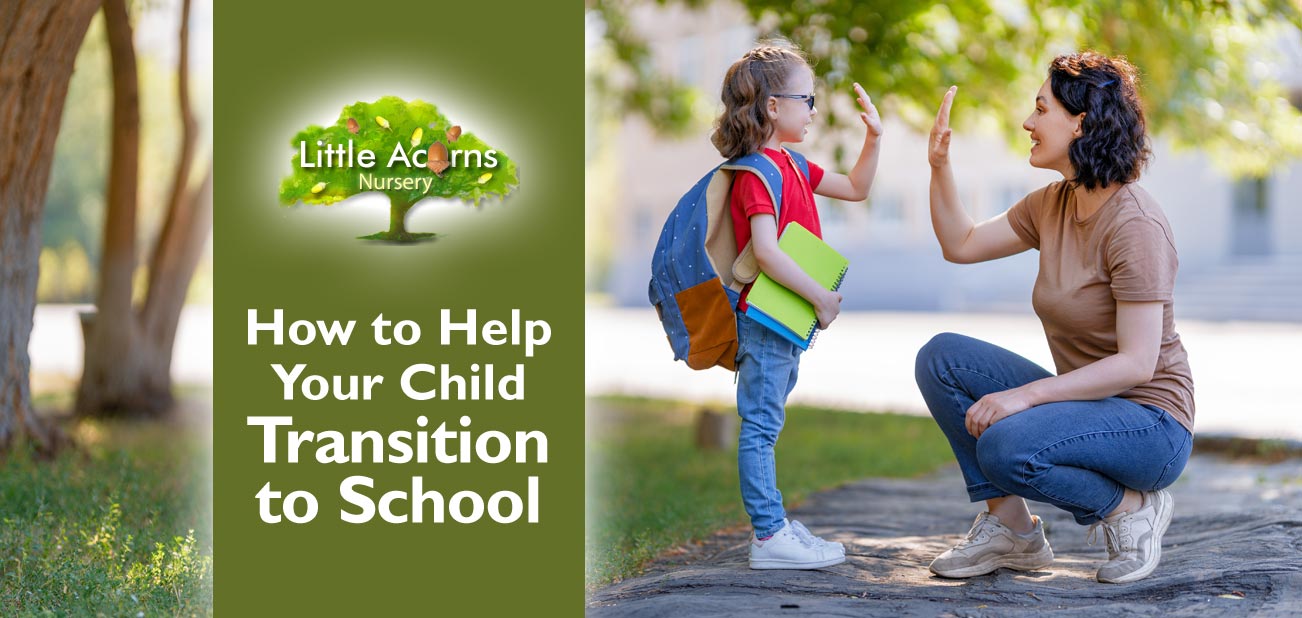
 Beginning school is a huge milestone for any child as well as for the child’s parents or guardians. Whether transitioning from nursery/preschool or straight from home, beginning school can be a daunting step in a child’s life — especially if they’re unprepared. Today’s post therefore aims to help parents/guardians make the transition to school as easy and stress-free as possible for their child, so they are empowered to feel at home and hit the ground running from the moment they begin. Take a look, therefore, at our guide on How to Help Your Child Transition to School. Following the advice should help make this milestone plain sailing for everyone involved.
 One of the most critically important steps for a smooth transition to school is to ensure your child receives a comprehensive early years education. By this we mean they need to have been nurtured between birth and school age in all areas of their learning and development — ideally including the
  During their journey from birth to school age, it’s also important to nurture children’s independence, social skills and soft skills.
 When starting school is only a few weeks away, there are several small but impactful things you can do to better prepare your child for the transition:
 Pack your child’s backpack and ensure it includes everything they’ll need. For example, perhaps a snack and/or lunch box, any spare clothes, PE kit, stationery if needed, and so on.
 Be on time. Dropping off or picking up late will stress both you and your child out!
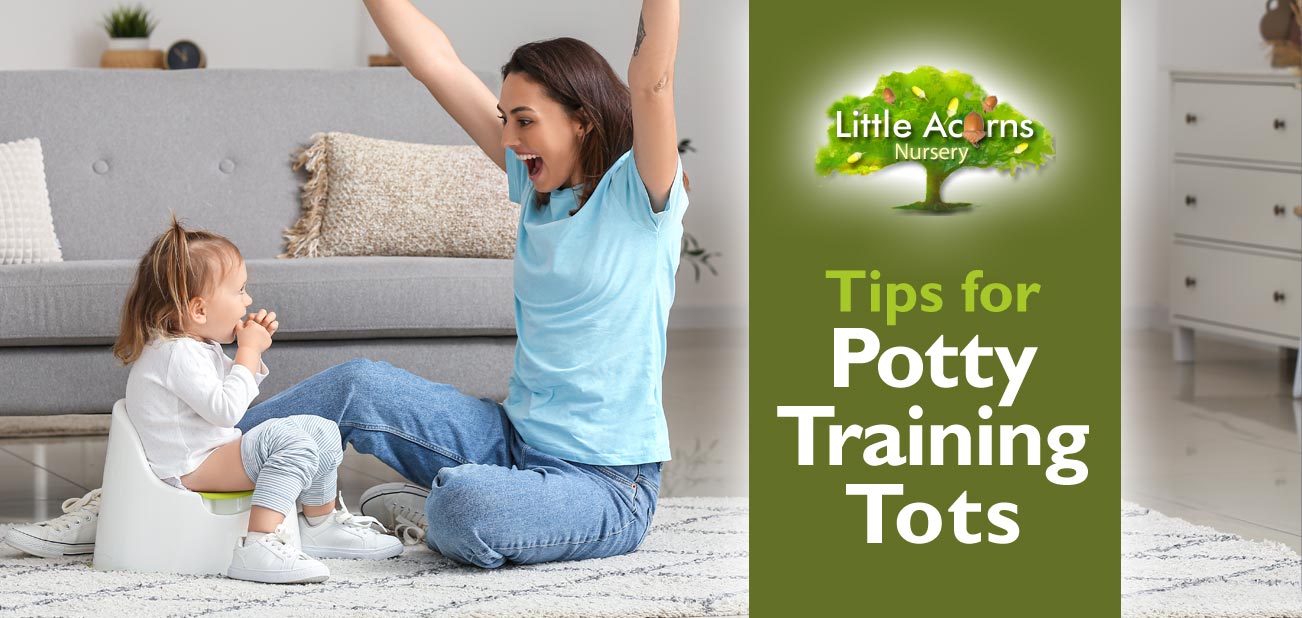
 One of the key tasks all tots must face, in tandem with parents, is potty training. It’s something we all had to master as toddlers and therefore we know it’s 100% achievable — despite it sometimes seeming to be rather a challenge. Achieving success, though, will improve the quality of life for the child, the parent, and other guardians involved in the child’s care. Learning to master the use of the potty and later the toilet will also be a major boost to self-confidence and independence when the child is at nursery, preschool, and later school. With that in mind, today’s guide outlines our top tips for successful potty training.
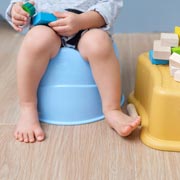 Children become ready for potty training at different times — every child is different in that respect, with some starting as early as 18 months and others not training until the age of 3. That said, the majority of little ones begin potty training between the ages of 2 and 3. There are some signs to look out for that will help parents decide when the time is right and we’ll look at those below.
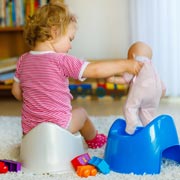 Ensuring children understand the language around toileting is helpful, of course. So, it’s healthy to help children learn the various terms involved, whether talking about a potty, wee-wees, or anything else. Learning appropriate words will empower children to ask for what they need, at appropriate times.
 Potties with designs that are attractive to toddlers e.g. dinosaurs, licensed TV characters etc.
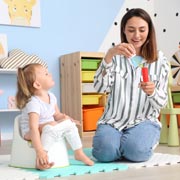 Only start potty training when your child shows signs that they’re ready. (See the When Should You Begin Potty Training? section above for details).

 Children and childcare staff at Little Acorns Nursery love nature. So, with World Wildlife Day coming earlier this month and Spring now upon us, it’s the perfect opportunity to release our free Wild Mammals poster. Shown in full colour and printable in high resolution at A3 or A4, it features 20 British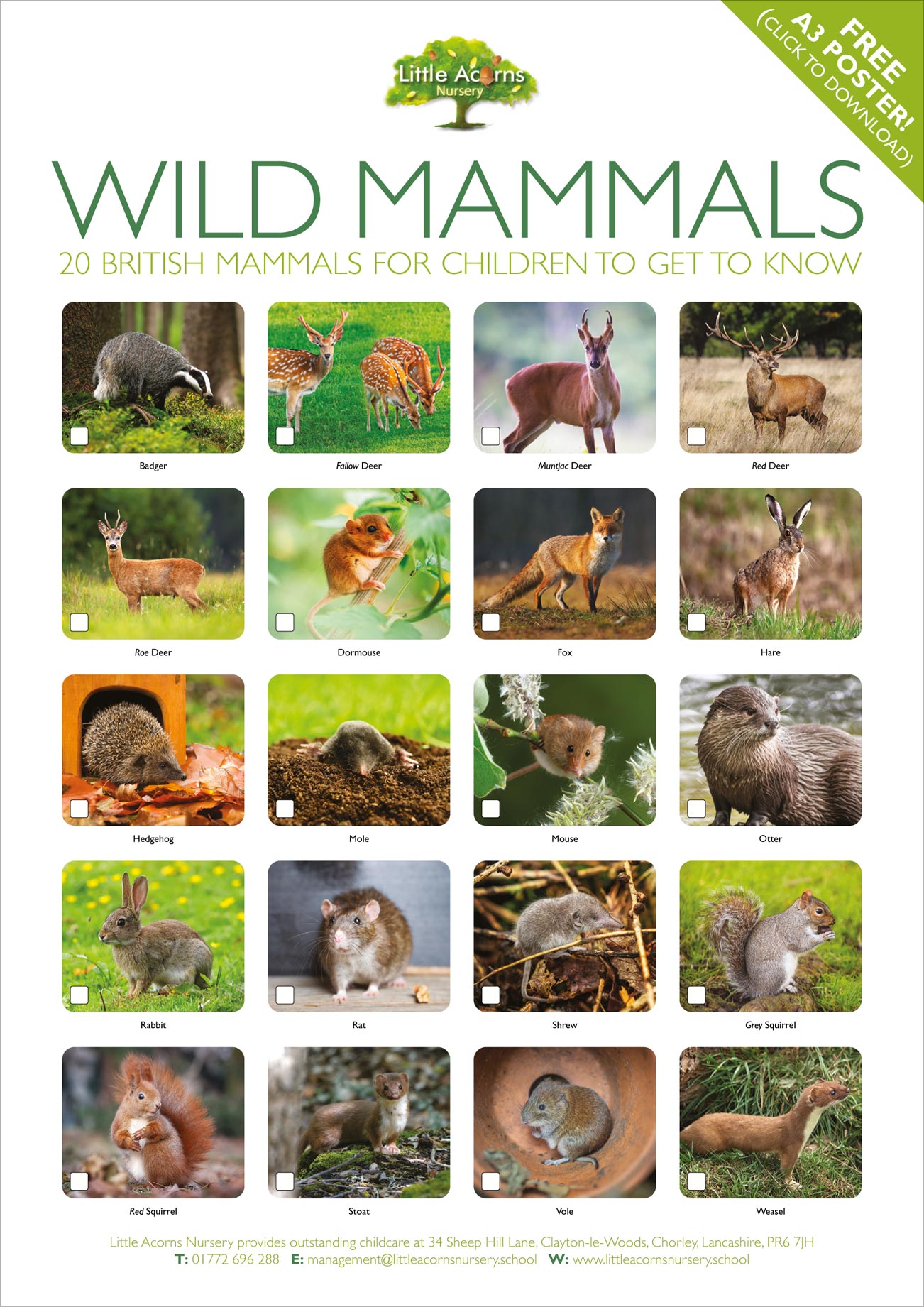

 With Chorley Football Club being only 4.8 miles and a 14-minute drive from
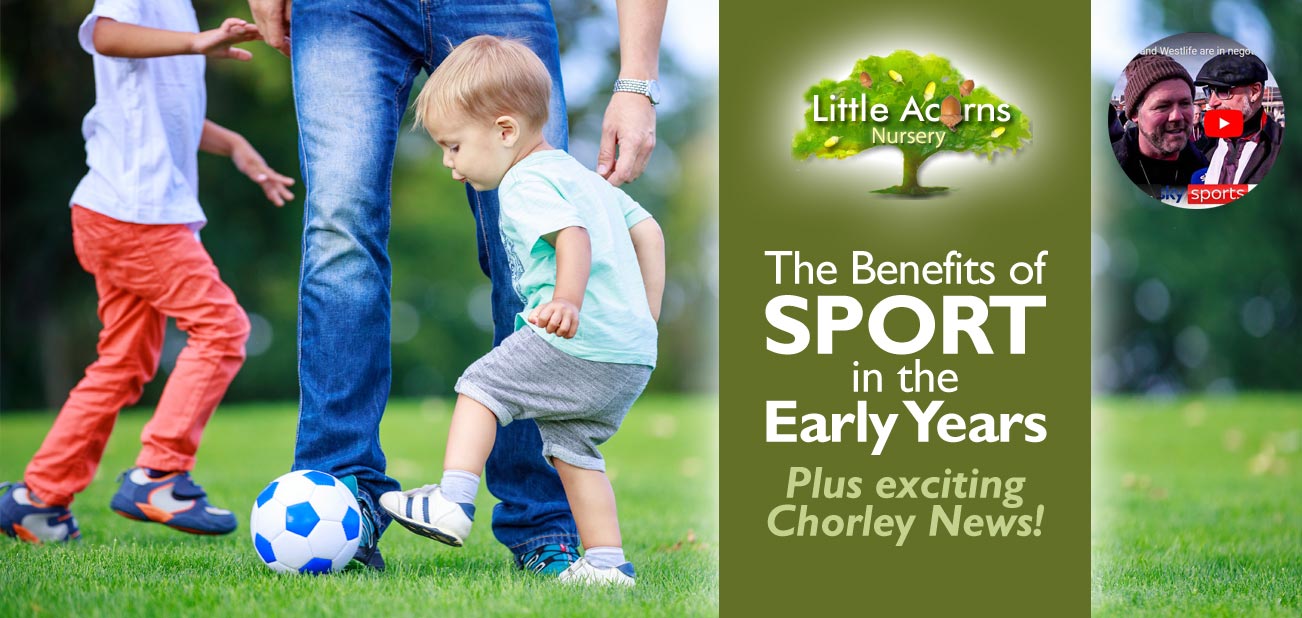
  Participation in sports benefits children in many different – and often profound – ways. That’s especially true for children in their early years, being a stage when they learn fundamental skills like jumping, running, throwing and catching balls, etc.
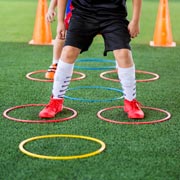 Sports and active hobbies will also help little ones hone balance, agility, coordination and motor skills. That’s incredibly important during early childhood as these key skills are still developing and, as the old proverb goes, “practice makes perfect.”
 Sport is a great socialiser too. Through sport, they’ll get used to interacting with other children as well as coaches, teachers, or childcare professionals. Moreover, children not only make new and deeper friendships through sport, but also learn social skills before, during and after such play. These skills and benefits will stay with them for the long term and will help to enrich their lives in profound ways.
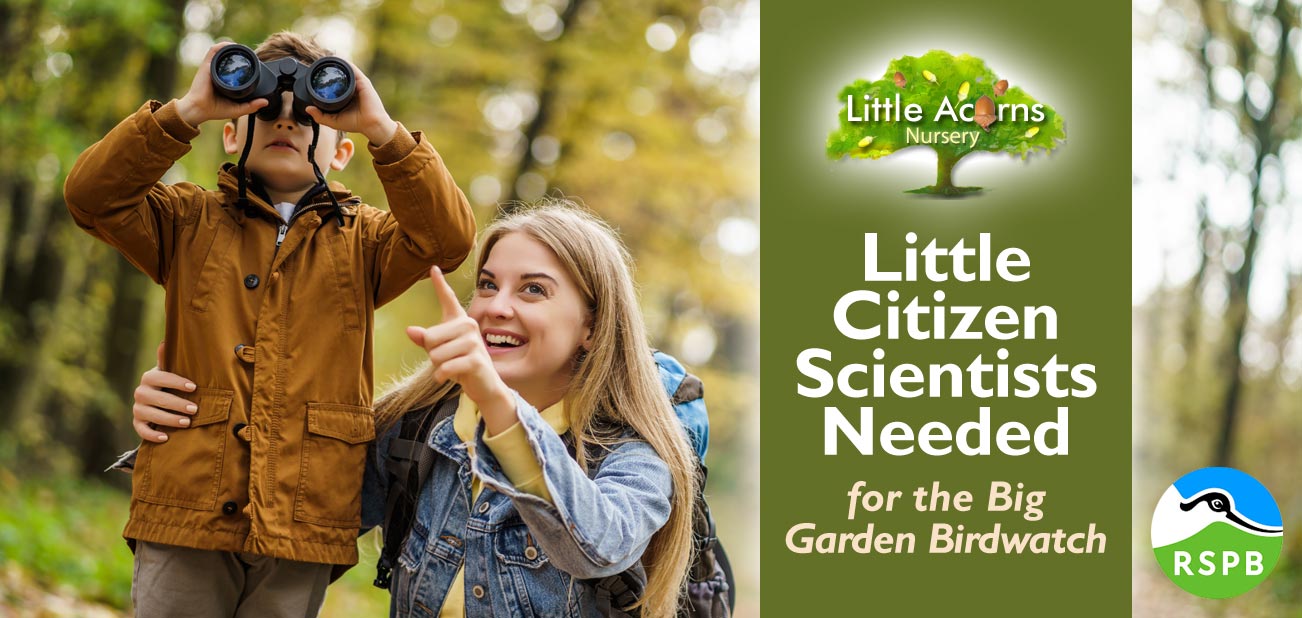
 January’s Big Garden Birdwatch is a perfect home learning opportunity where children can find out about wild birds and get a better understanding of nature itself. What’s more, it’s a hugely worthwhile event that will benefit birds, conservation efforts, and children themselves. The activity also demonstrates how easy it is for little ones to become citizen scientists. With that in mind, let’s explore today the Big Garden Birdwatch, explain what it is, how to take part, and why it’s important for families to get involved.
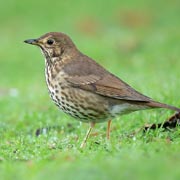 The idea of the Big Garden Birdwatch is to understand how garden birds are faring in the UK. Sadly, many bird populations are in decline, with some species facing huge declines over recent decades. Some 38 million fewer birds are now seen compared to 60 years ago. Song Thrush populations, for example, are down by 80% since the survey started in 1979. Even House Sparrow numbers have more than halved during that time. By studying the bird populations each year, trends can be identified including whether any bird species are in danger. Then the RSPB and other conservation organisations can work out what the problems are and how we might go about rescuing the situation as a nation. It also follows that, if there is a problem with bird populations, then there is likely to be a wider problem in nature too. This could be, for example, due to disease, over-intensive farming methods, habitat loss, invasive species, climate change, use of chemicals in gardens and farmland, and so on. Gathering data across the UK each January will help guide the nation to improve things — and children can help by getting involved in the Big Garden Birdwatch each January.
 — it’s quick, easy and free to do so. Once registered you’ll receive detailed instructions in your free guide to the event, which includes your free bird identification reference sheet. This will be useful to you and your children so each bird species can be recognised more easily.
 This wonderful activity is a great way to encourage families outdoors, where children benefit from nature in a myriad of ways. From lower stress and increased well-being to improved academic performance, stimulated imaginations, and better sleep,
 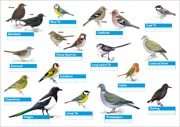 Together with the RSPB, we also have bird identification covered for children. The first option is the RSPB’s free bird reference sheet, which families will receive when they register for the event. Their digital version is best because it’s more environmentally friendly, is quicker to access, and usually shows a larger list than is shown on their printed version.
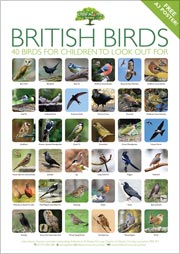 However, don’t forget that Little Acorns Nursery also published
 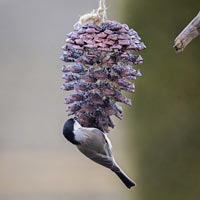 How to Encourage Birds to Visit Your Garden
 As we discussed in our recent post
  Designate an area in your home for play. It doesn’t need to be elaborate — even a corner with a few age-appropriate toys, books, and art supplies may be sufficient. Ensure, of course, that the space is safe and free from hazards before your child embarks on their play activities.
 Outdoor play also offers a wealth of learning opportunities. It promotes physical health, stimulates the senses, and allows for unstructured exploration, which all contribute to holistic development. Take your child to the park, explore nature, or simply play with them in the back garden if you have one. Outdoor activities will also foster an appreciation for the natural world. Indeed, we wrote a whole post about
  Reading is a wonderful way to support learning through play. Choose age-appropriate books, of course, and be sure to engage in interactive storytelling. Ask and encourage questions about the story, encourage your child to predict what might happen next, and ask them what they might do if it were them in the story. Books and reading teach children so many things and, like pretend play above, truly encourage their imaginations and get their creative juices flowing.
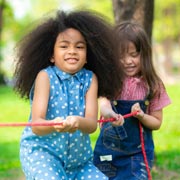
 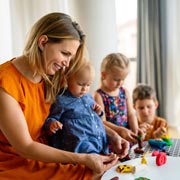 Arrange play dates with other children or involve siblings in play activities at home. Social play helps children learn essential social skills like cooperation, sharing, and conflict resolution. It’s also a great way to make new friendships, learn from each other, and become a closer member of friendship circles.
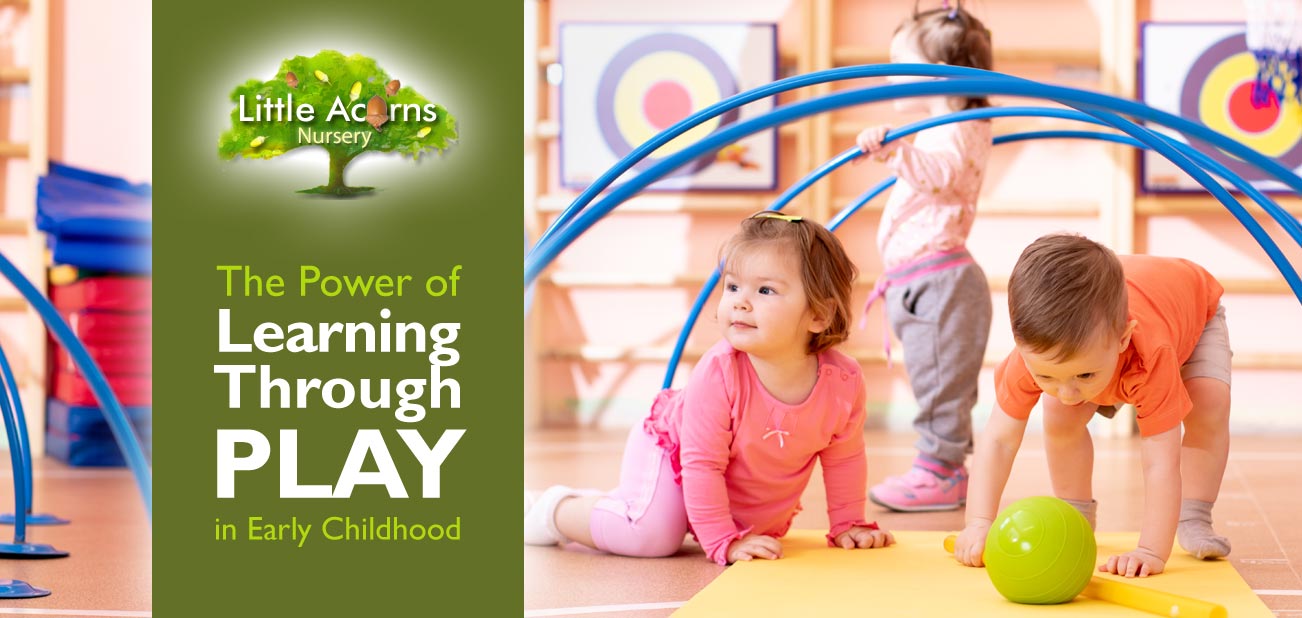
 In the world of child development and early education, there is a simple yet profound truth: children learn best when they are learning through play. Play is the universal language of childhood and, indeed, it transcends both borders and cultures. Whether it’s building sand castles on a sunny beach or arranging blocks on the floor at home, play is the gateway through which children explore, discover, and grow.
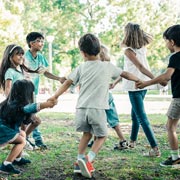 As adults, we often associate learning with classrooms, textbooks, and structured lessons. However, for children, the process of learning is a dynamic and ever-evolving adventure, with play being their very best companion during the journey.
 Do babies benefit from play? Absolutely. Play is the first way through which infants start understanding their world. They use their senses to explore toys, grasp objects, and make sense of the environment around them. Sensory play, such as touching different textures or listening to soothing sounds, stimulates their developing senses and lays the groundwork for future learning.
 During the run-up to the age of 5, play is integral to children’s development. During this phase, children are like little sponges, soaking up information from their surroundings. Play allows them to experiment, make connections, and refine their cognitive and many other skills. Skills enhanced through play include:
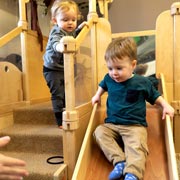 Creating playful environments — we understand the importance of a conducive environment for learning through play. With that in mind, we provide carefully designed play spaces that are rich in stimulating materials and resources. These spaces allow children to engage in various types of play, from imaginative to sensory, in a safe and supportive setting.